Loading concepts…


10 Concepts
26 Concepts
18 Concepts
21 Concepts
25 Concepts
25 Concepts
30 Concepts
20 Concepts
25 Concepts
30 Concepts
20 Concepts
35 Concepts
20 Concepts
 20 Concepts
 4.6K Views
 Popular topics
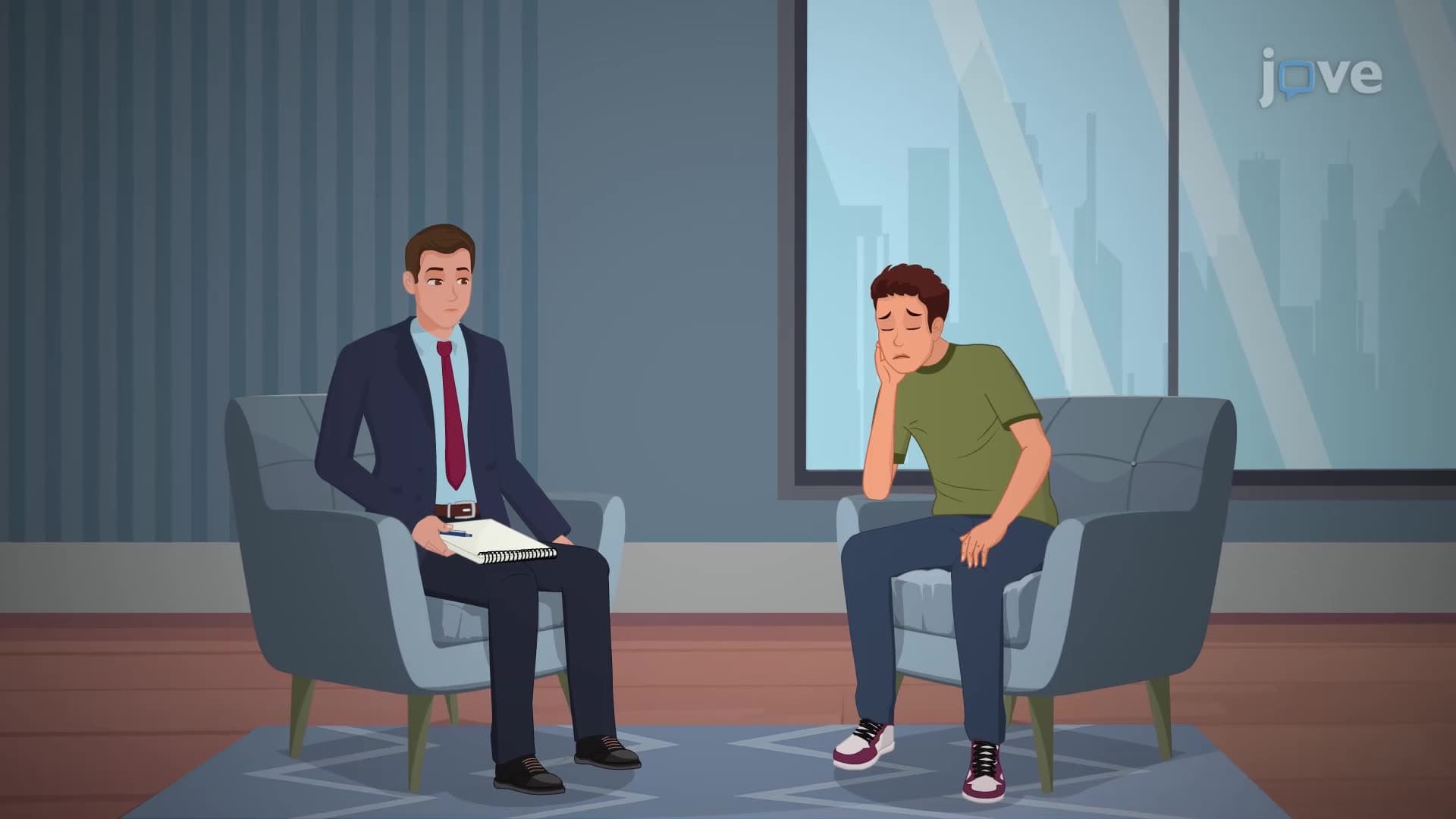






Treatment of psychological disorders encompasses three primary approaches used across American healthcare systems: psychological interventions through psychotherapy, biological treatments including medication and medical procedures, and sociocultural methods focusing on community and group support. These evidence-based approaches, delivered by licensed clinical psychologists, psychiatrists, and mental health professionals, address conditions from anxiety and depression to severe psychiatric disorders using techniques validated through decades of research in major US medical centers and university psychology programs. JoVE Coach provides comprehensive coverage of therapeutic modalities essential for understanding modern mental health treatment.
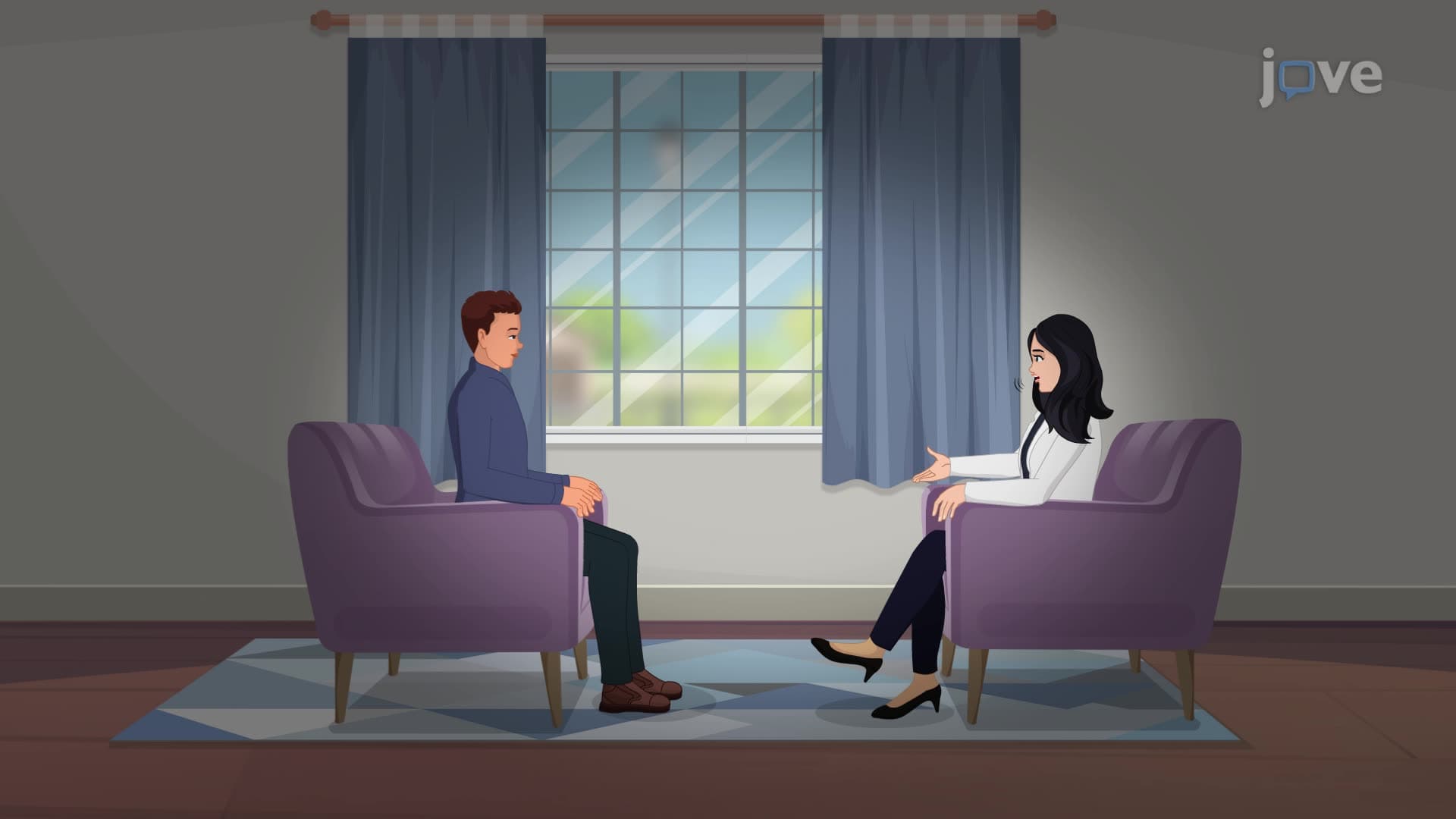
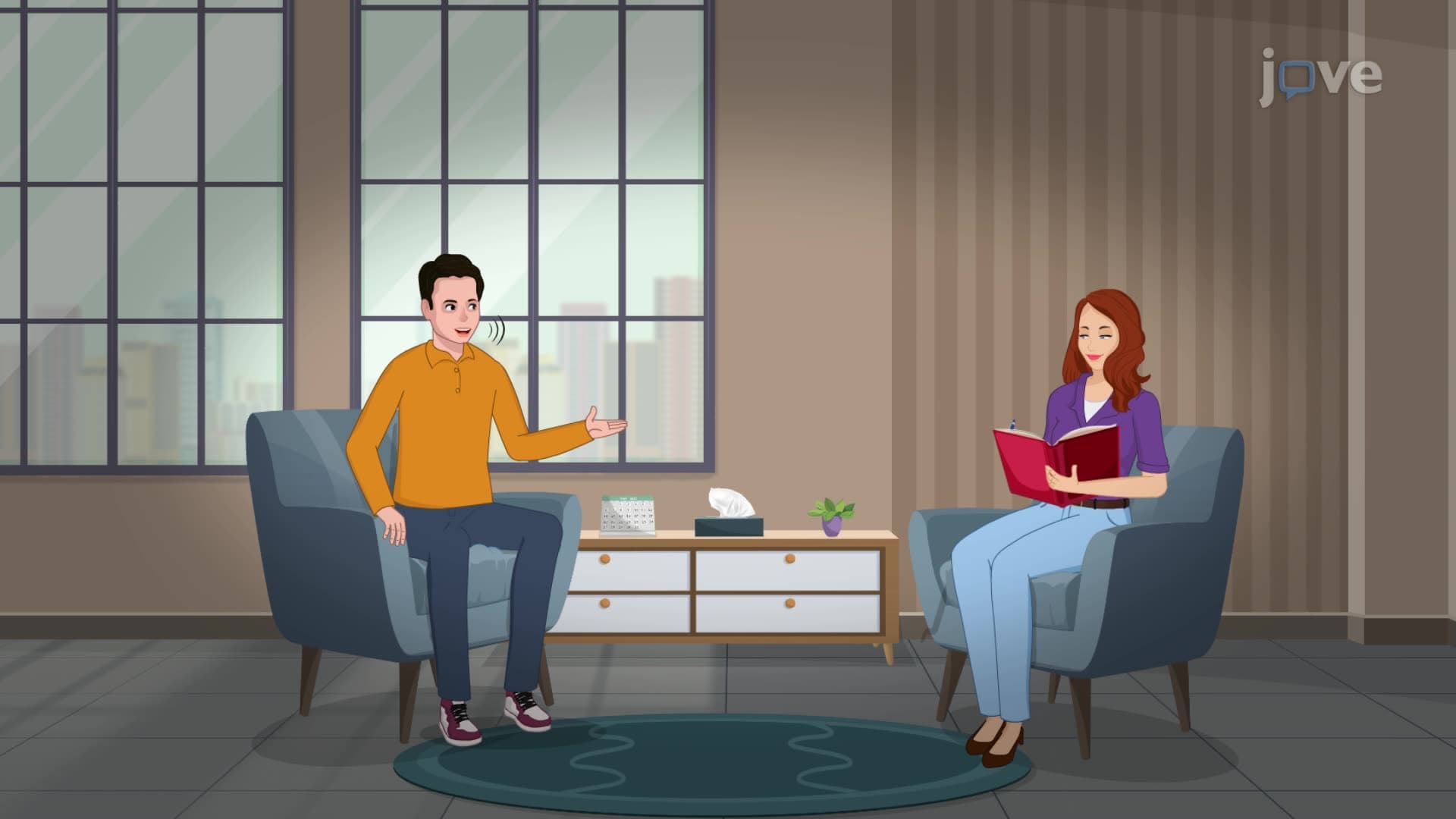
1. Psychological Treatment Approaches and Psychotherapy Fundamentals Psychotherapy represents the cornerstone of psychological treatment, utilizing non-medical interventions to address emotional, behavioral, and interpersonal problems. Clinical psychologists, licensed counselors, and social workers employ various therapeutic techniques including discussion, interpretation, active listening, and behavioral modeling. The field distinguishes between insight therapies (psychodynamic, humanistic, existential) that focus on understanding underlying motivations, and action therapies (behavioral interventions) that emphasize changing maladaptive behaviors. American Psychological Association guidelines emphasize evidence-based practices, with therapists integrating multiple approaches to achieve optimal outcomes for diverse client populations in settings from private practice to university counseling centers.
2. Cognitive-Behavioral Therapy and Beck's Cognitive Restructuring Cognitive therapy, pioneered by Aaron T. Beck at the University of Pennsylvania, revolutionized treatment of psychological disorders by targeting distorted thought patterns underlying emotional distress. This approach identifies common cognitive distortions including arbitrary inference (jumping to conclusions), selective thinking (focusing on negative details), overgeneralization (broad conclusions from single events), and personalization (inappropriate self-blame). Beck's cognitive restructuring techniques help clients challenge automatic negative thoughts and replace them with rational alternatives. For example, a student thinking "failing this exam means I'm worthless" learns to reframe this as "one exam doesn't define my abilities or worth." This structured approach has proven particularly effective for depression and anxiety disorders in American clinical settings.
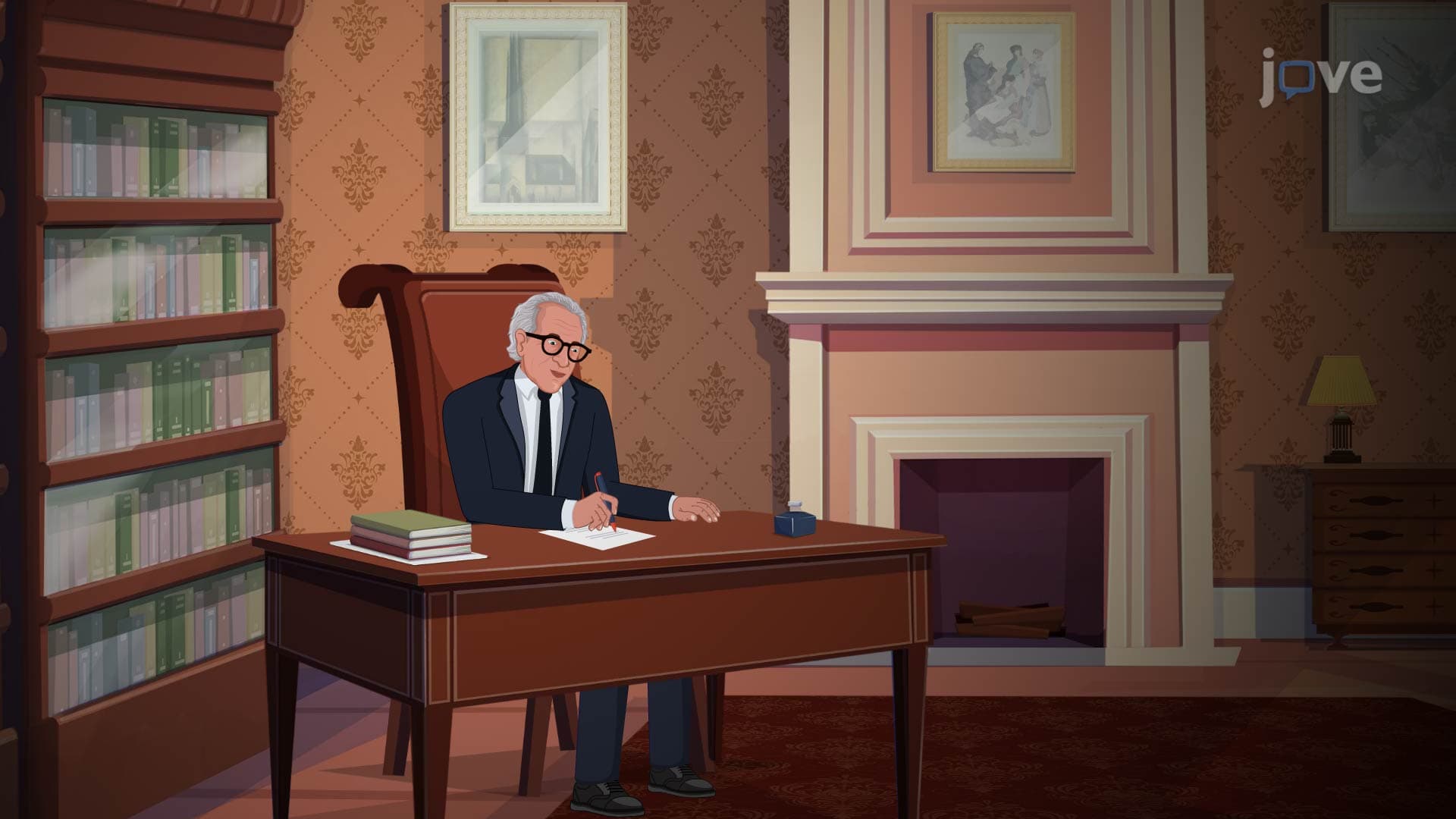
3. Psychodynamic and Humanistic Therapeutic Approaches Psychodynamic therapy, rooted in Freudian psychoanalysis, explores unconscious conflicts and childhood experiences through techniques like free association, dream analysis, and transference interpretation. Modern psychodynamic approaches, practiced in major American psychiatric centers, focus on identifying patterns between past relationships and current behaviors. Humanistic therapy emphasizes self-actualization and personal growth through approaches like Carl Rogers' person-centered therapy, which employs unconditional positive regard, empathy, and genuineness. Gestalt therapy techniques, including the two-chair method for resolving internal conflicts, and existential therapy's focus on meaning and purpose, provide alternatives to traditional psychoanalytic approaches while maintaining emphasis on client self-awareness and emotional processing.
4. Behavioral Interventions and Learning-Based Treatments Behavior therapy applies principles of classical and operant conditioning to modify maladaptive behaviors through systematic interventions. Exposure therapy treats anxiety disorders by gradually confronting feared stimuli, while systematic desensitization pairs relaxation techniques with anxiety-provoking situations. American treatment centers commonly use token economies in psychiatric hospitals and special education settings, where positive behaviors earn tokens exchangeable for privileges. Modeling techniques teach new behaviors through demonstration and practice, with assertion training helping clients express needs appropriately. These evidence-based approaches prove particularly effective for phobias, autism spectrum disorders, ADHD, and behavioral problems in children, with applications in schools, hospitals, and community mental health centers across the United States.
5. Psychopharmacology and Biological Treatment Modalities Psychopharmacological interventions target specific neurotransmitter systems to manage psychiatric symptoms, revolutionizing American mental health care since the 1950s. Antianxiety medications like benzodiazepines (Xanax, Valium) provide rapid symptom relief but carry addiction risks requiring careful monitoring. Antidepressants including SSRIs (Prozac, Zoloft) and tricyclics regulate serotonin and norepinephrine levels, while mood stabilizers like lithium manage bipolar disorder despite potential toxicity concerns. Antipsychotic medications target dopamine pathways in schizophrenia treatment, with newer atypical antipsychotics (Clozaril, Risperdal) offering fewer side effects than traditional neuroleptics. FDA regulations and American Psychiatric Association guidelines ensure safe prescribing practices, with psychiatrists coordinating medication management alongside psychotherapy for comprehensive treatment approaches.
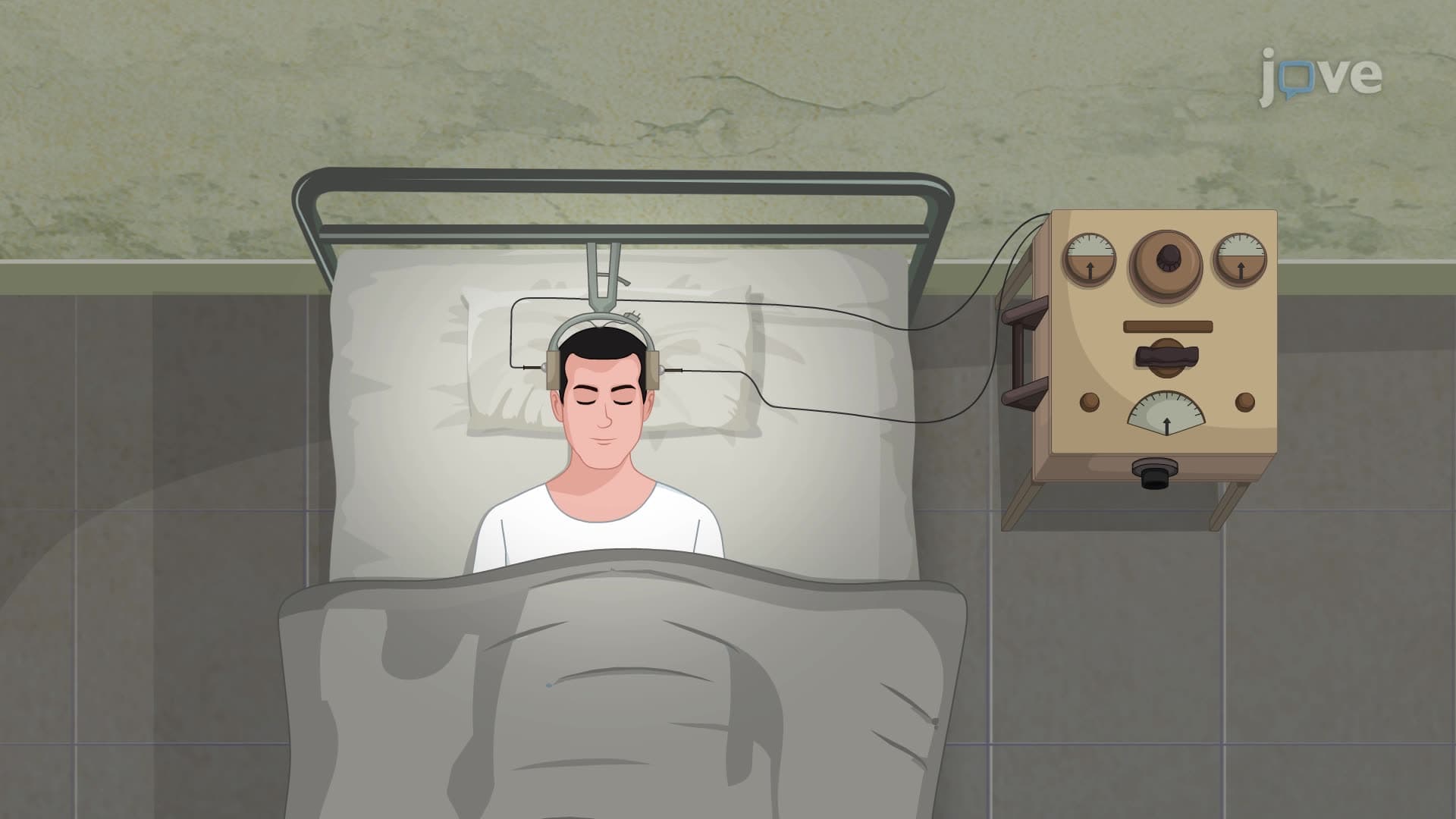
6. Electroconvulsive Therapy and Controversial Medical Procedures Electroconvulsive therapy (ECT) remains a vital treatment for severe, medication-resistant depression in American psychiatric hospitals, with over 70% of patients showing improvement within two to four weeks. Modern ECT uses anesthesia and muscle relaxants to induce controlled seizures lasting approximately one minute, with unilateral electrode placement reducing memory loss compared to bilateral approaches. The procedure requires informed consent and careful medical evaluation, making it a last resort for patients at high suicide risk. Historical psychosurgery procedures like prefrontal lobotomy, popularized by Walter Freeman in the mid-20th century, caused irreversible brain damage and ethical concerns. Contemporary psychosurgical interventions create precise lesions for severe OCD or depression, with Institutional Review Boards evaluating procedures' ethics and necessity before implementation.
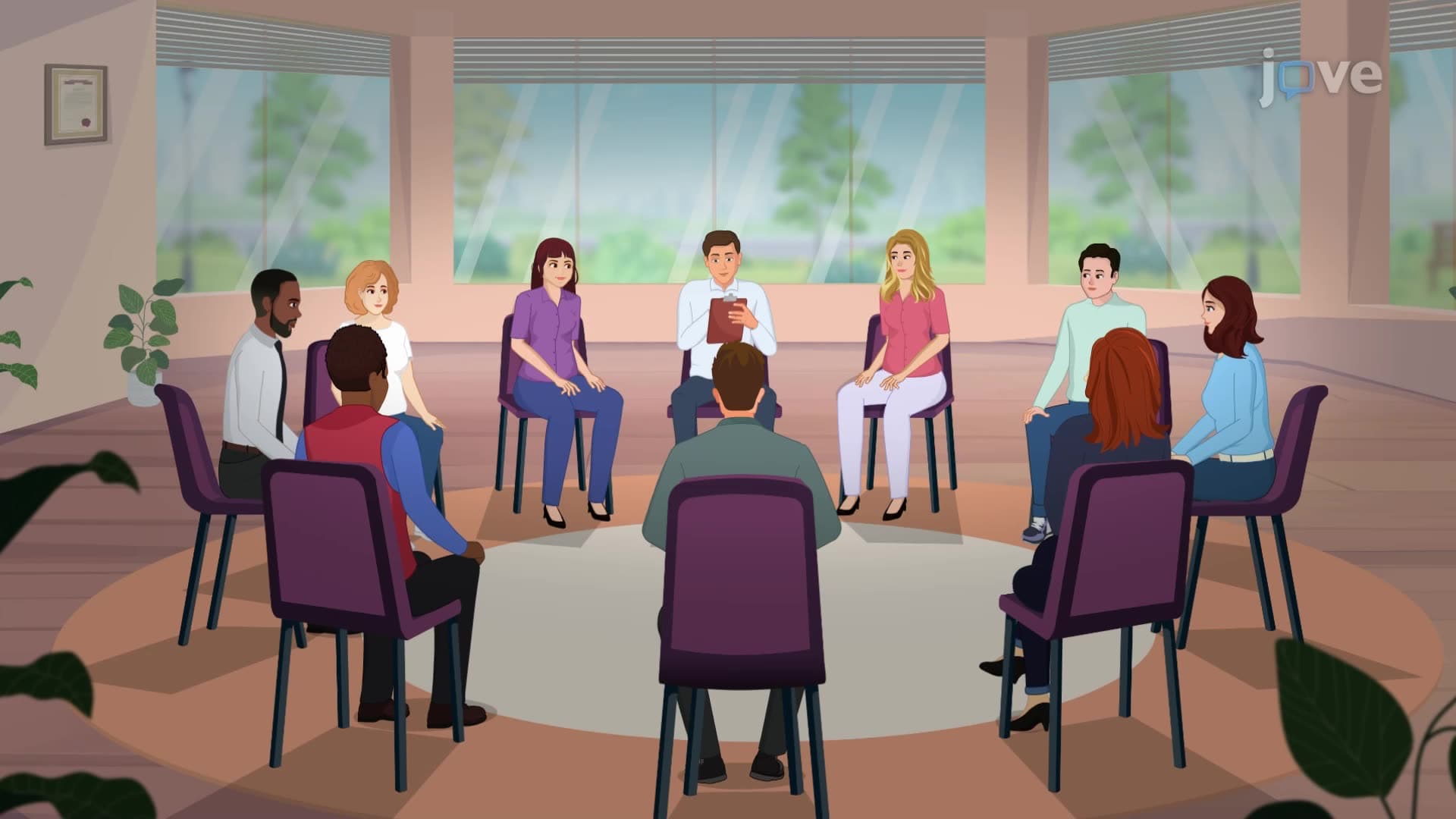
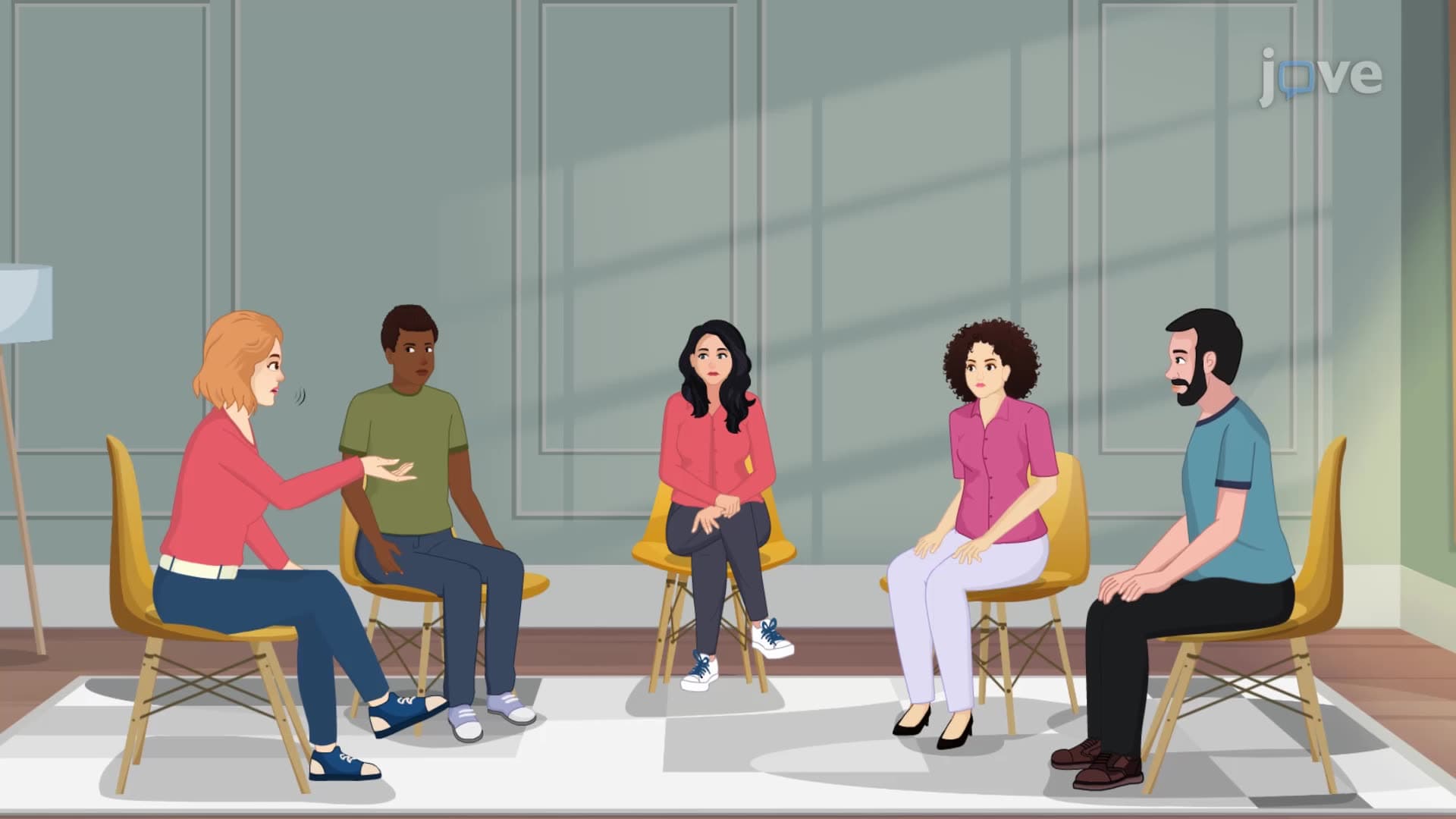
7. Group, Family, and Community-Based Treatment Systems Group therapy addresses psychological disorders through guided sessions where individuals with similar issues provide mutual support and learn coping strategies. American treatment facilities utilize various group formats, from educational sessions to process groups, helping clients recognize shared struggles (universality) and develop altruistic helping behaviors. Family therapy views psychological problems as systemic dysfunctions requiring intervention in family interactions rather than individual pathology. Strategic family therapy uses directives and paradoxical interventions, while structural approaches reorganize family boundaries and communication patterns. The 1963 Community Mental Health Act initiated deinstitutionalization in the United States, shifting care from psychiatric institutions to community mental health centers. These programs train teachers, nurses, and community workers to provide basic counseling while promoting empowerment and social integration for marginalized populations.