Loading concepts…


10 Concepts
26 Concepts
18 Concepts
21 Concepts
25 Concepts
25 Concepts
30 Concepts
20 Concepts
25 Concepts
30 Concepts
20 Concepts
35 Concepts
20 Concepts
 26 Concepts
 35.1K Views
 Popular topics







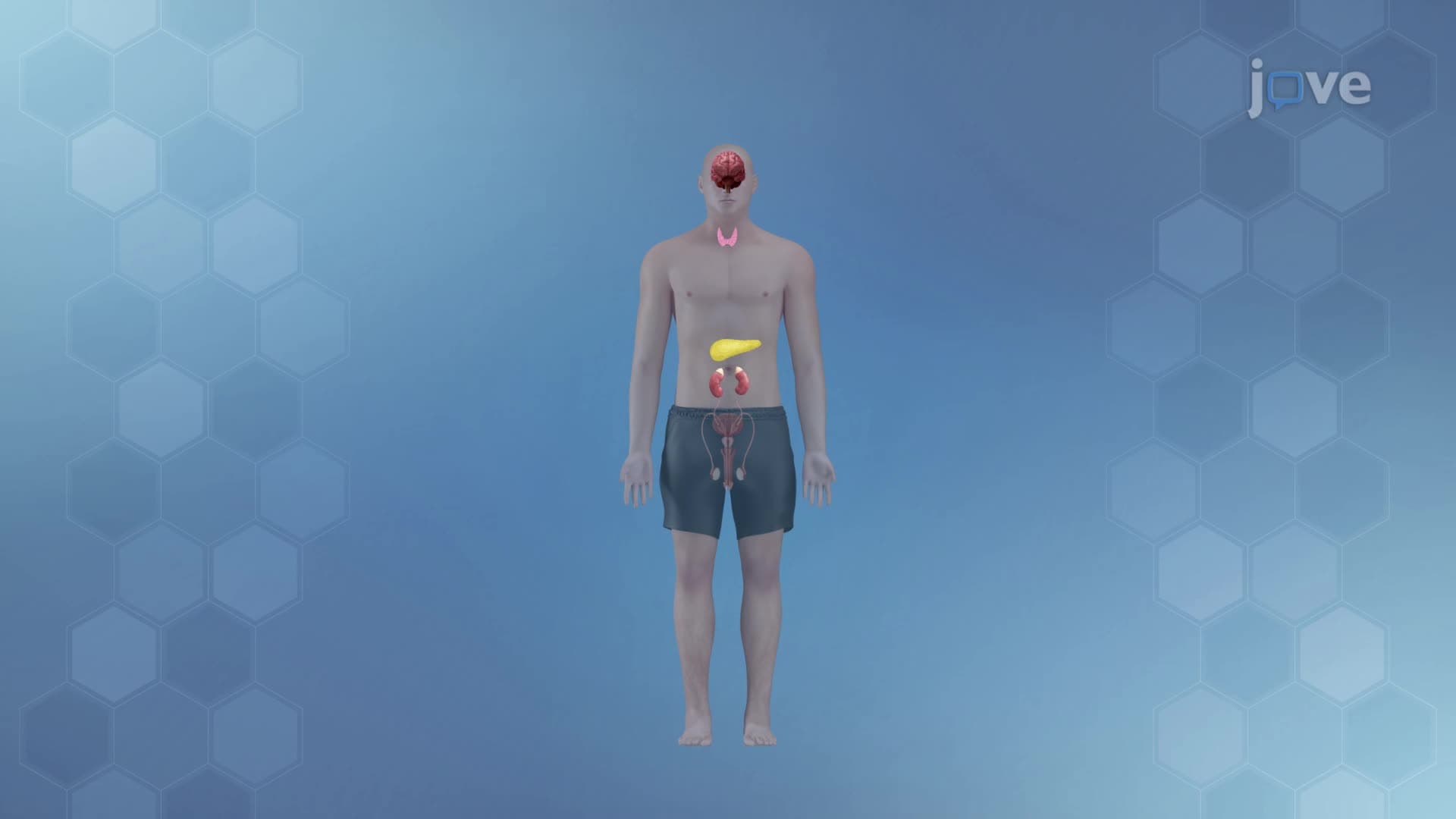





Biopsychology examines how biology influences psychological processes, exploring the intricate connections between brain structure function, neurotransmitters behavior, and genetics in shaping human thoughts, emotions, and actions. This comprehensive study covers neuronal communication, brain organization, hormonal influences, and evolutionary adaptations that drive behavior. Students will discover how the nervous system coordinates complex behaviors, from reflexes to higher-order thinking, while examining real-world applications in mental health treatment and medical diagnosis through JoVE Coach.
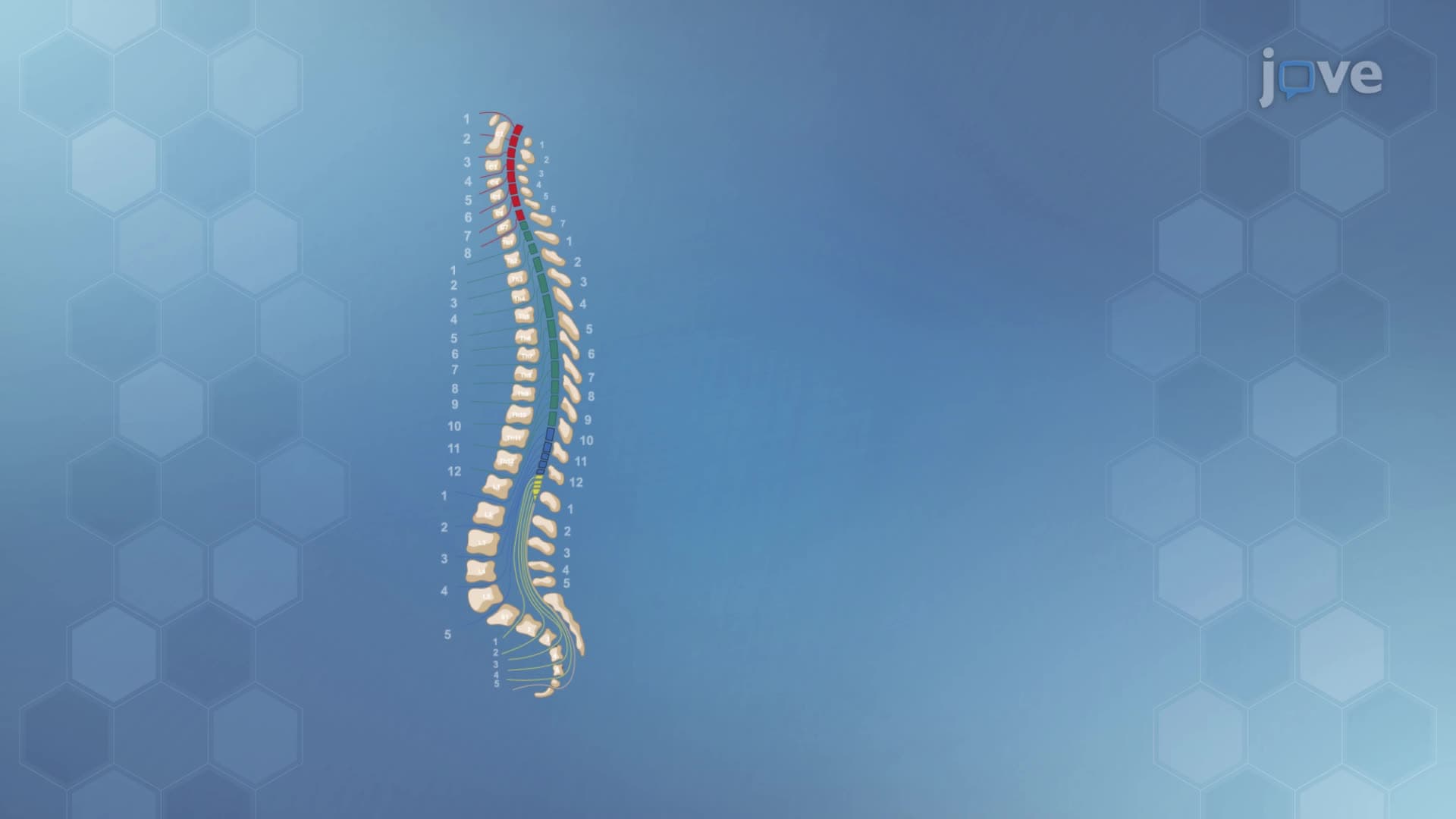
1. Nervous System Organization and Function The nervous system divides into central (brain and spinal cord) and peripheral components, with the autonomic system controlling involuntary functions like heart rate and breathing. The sympathetic division triggers fight-or-flight responses during stress, while the parasympathetic system promotes rest and digestion. Understanding this organization helps explain conditions like panic disorders, where sympathetic overactivation causes rapid heartbeat and sweating, and why deep breathing techniques activate parasympathetic responses to reduce anxiety in clinical settings.
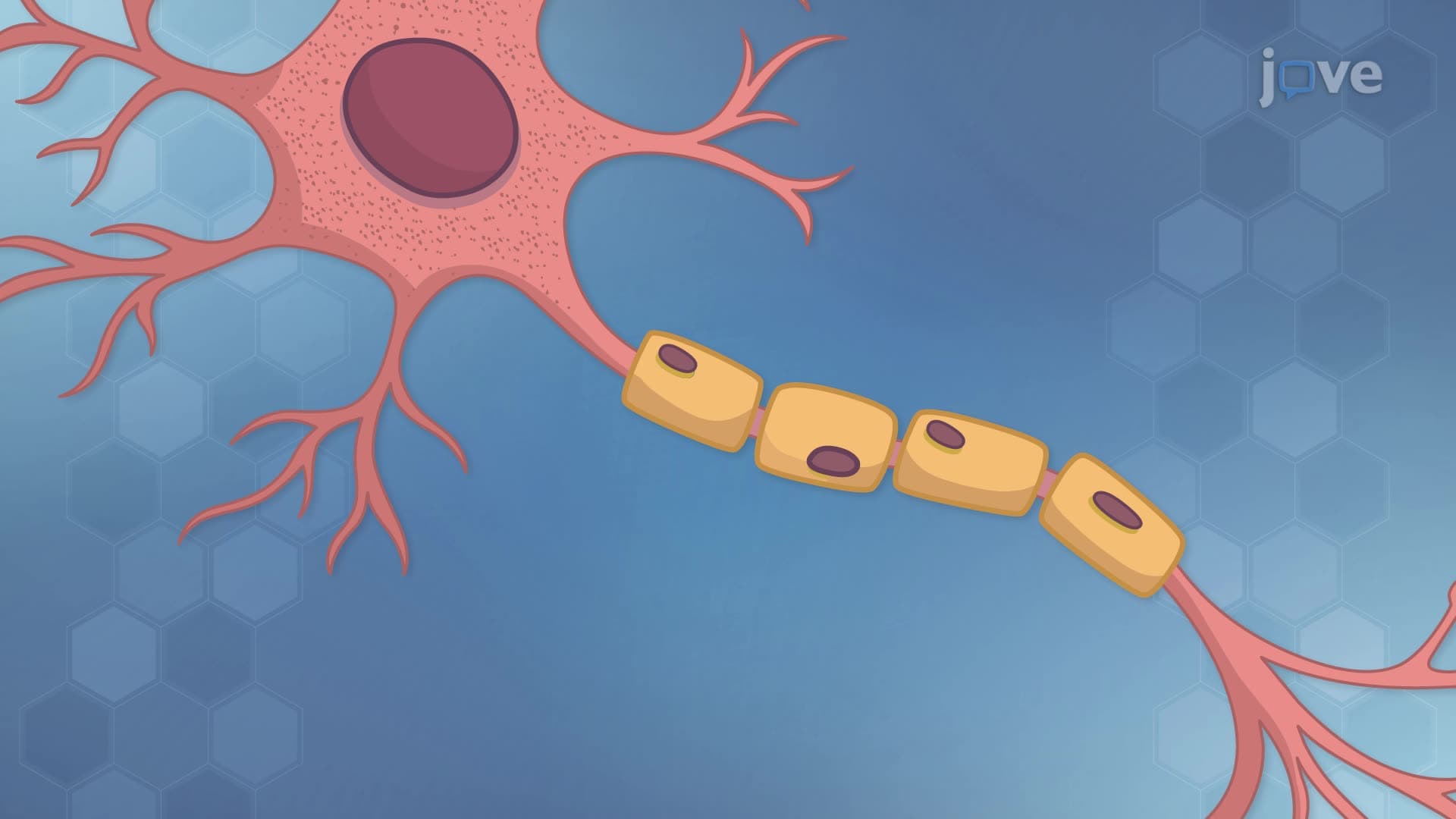
2. Neuronal Structure and Communication Neurons consist of dendrites that receive signals, a cell body containing the nucleus, and axons that transmit information to other cells. Myelin sheaths speed signal transmission, and their deterioration causes diseases like multiple sclerosis. Action potentials travel down axons to synapses, where neurotransmitters cross synaptic clefts to influence target neurons. This process explains how antidepressants like SSRIs work by blocking serotonin reuptake, increasing neurotransmitter availability at synapses to improve mood regulation.
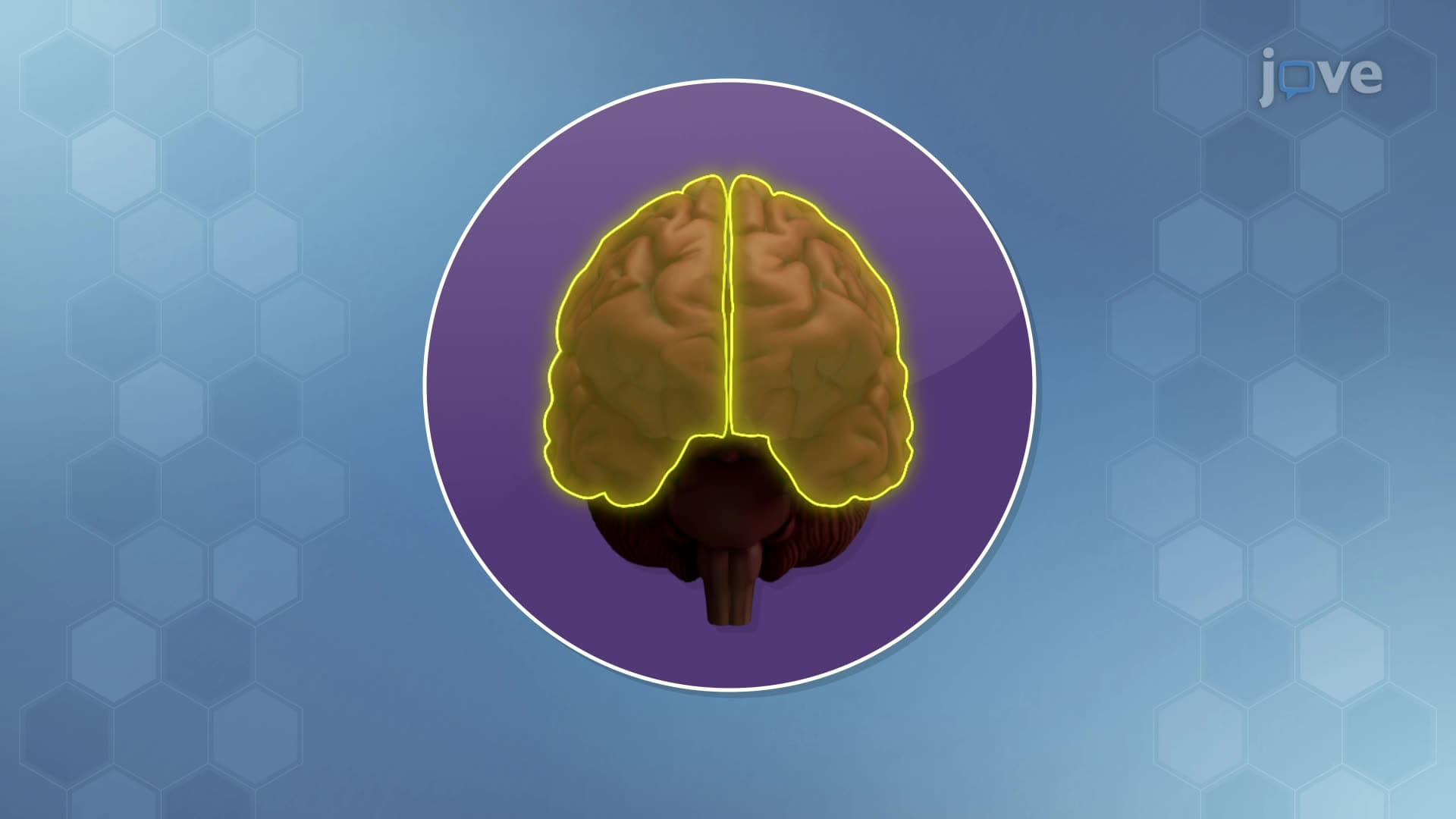
3. Brain Structure and Specialized Functions The cerebral cortex contains four lobes with distinct functions: frontal lobes control executive functions and personality, parietal lobes process sensory information, temporal lobes handle hearing and memory, and occipital lobes process vision. The limbic system, including the hippocampus and amygdala, manages emotions and memory formation. Damage to specific regions produces predictable deficits, such as Broca's area damage causing speech production difficulties while comprehension remains intact, demonstrating brain specialization principles.
4. Neurotransmitters and Behavioral Regulation Different neurotransmitters produce distinct psychological effects through their receptor interactions. Dopamine regulates reward and motivation, with imbalances linked to Parkinson's disease and schizophrenia. Serotonin affects mood and sleep, with deficiencies contributing to depression. GABA provides inhibitory control, and its dysfunction relates to anxiety and seizure disorders. Acetylcholine supports memory and attention, declining in Alzheimer's disease. Understanding these systems explains pharmaceutical treatments and why certain medications produce specific therapeutic effects.
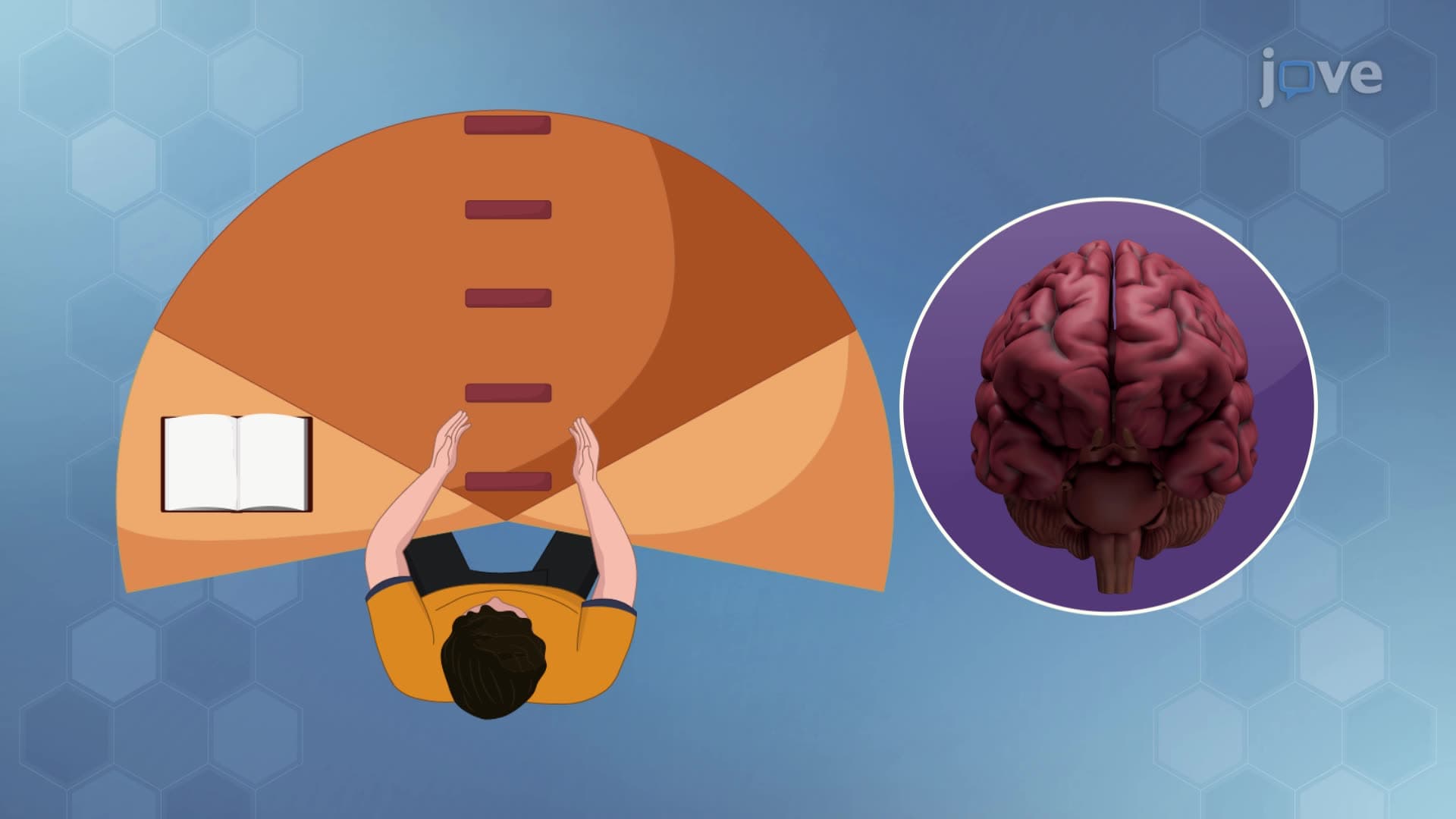
5. Hemispheric Lateralization and Brain Asymmetry The brain's left hemisphere typically specializes in language, analytical thinking, and sequential processing, while the right hemisphere excels at spatial tasks, face recognition, and emotional processing. The corpus callosum connects hemispheres, enabling information sharing. Split-brain studies reveal these specializations, showing patients cannot verbally identify objects in their left visual field because the non-verbal right hemisphere processes this information. This lateralization explains why stroke location determines specific cognitive deficits and recovery patterns.
6. Endocrine System and Hormonal Influences Hormones like cortisol, oxytocin, and testosterone significantly influence behavior and psychological states. The hypothalamic-pituitary axis regulates hormone release, affecting stress responses, social bonding, and reproductive behaviors. Cortisol elevation during chronic stress impairs memory formation and immune function. Oxytocin increases during social bonding and childbirth, explaining attachment behaviors. Understanding hormonal influences helps explain mood disorders, seasonal affective disorder, and how lifestyle changes like exercise and meditation can regulate hormonal balance for improved mental health.
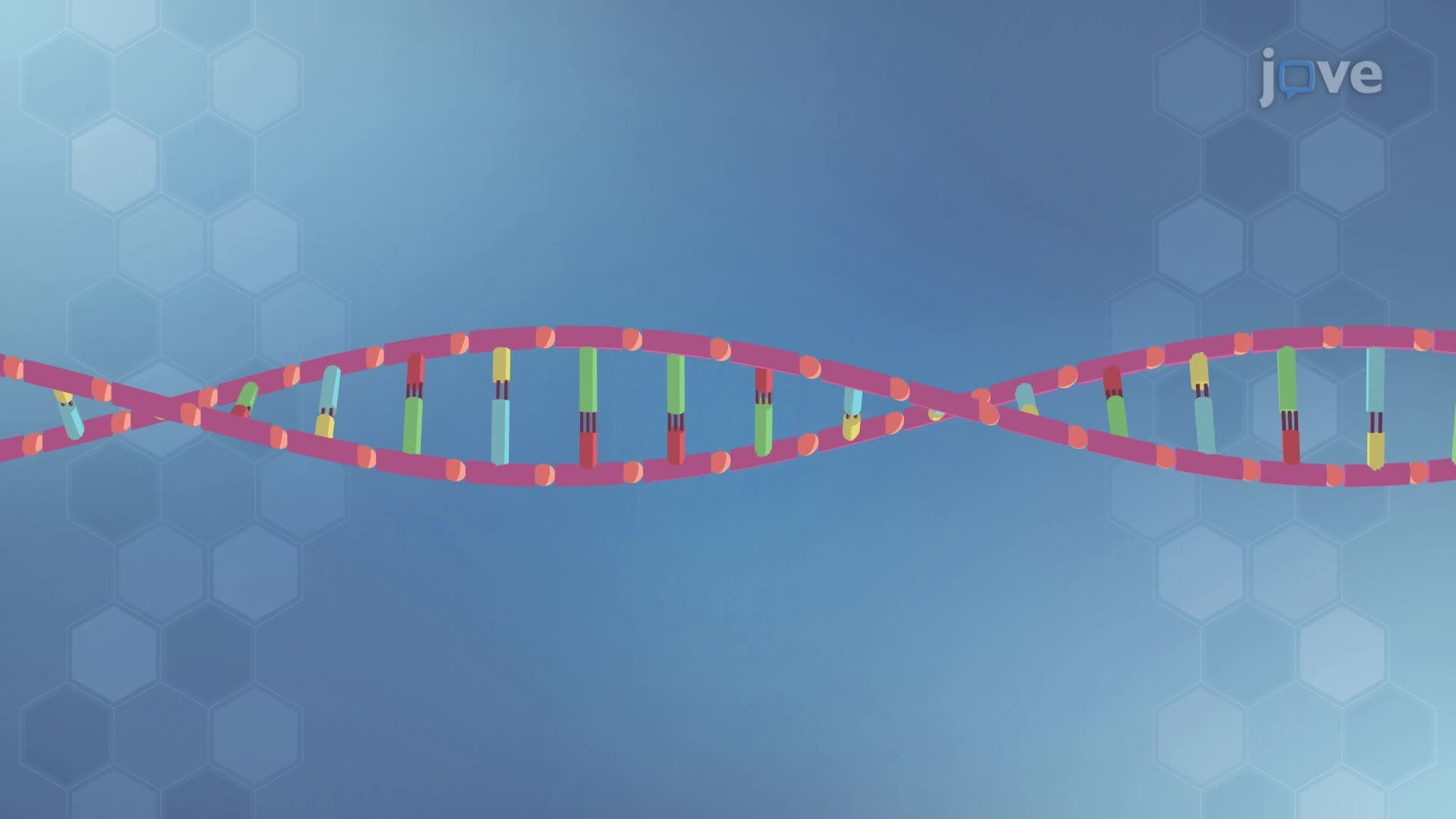
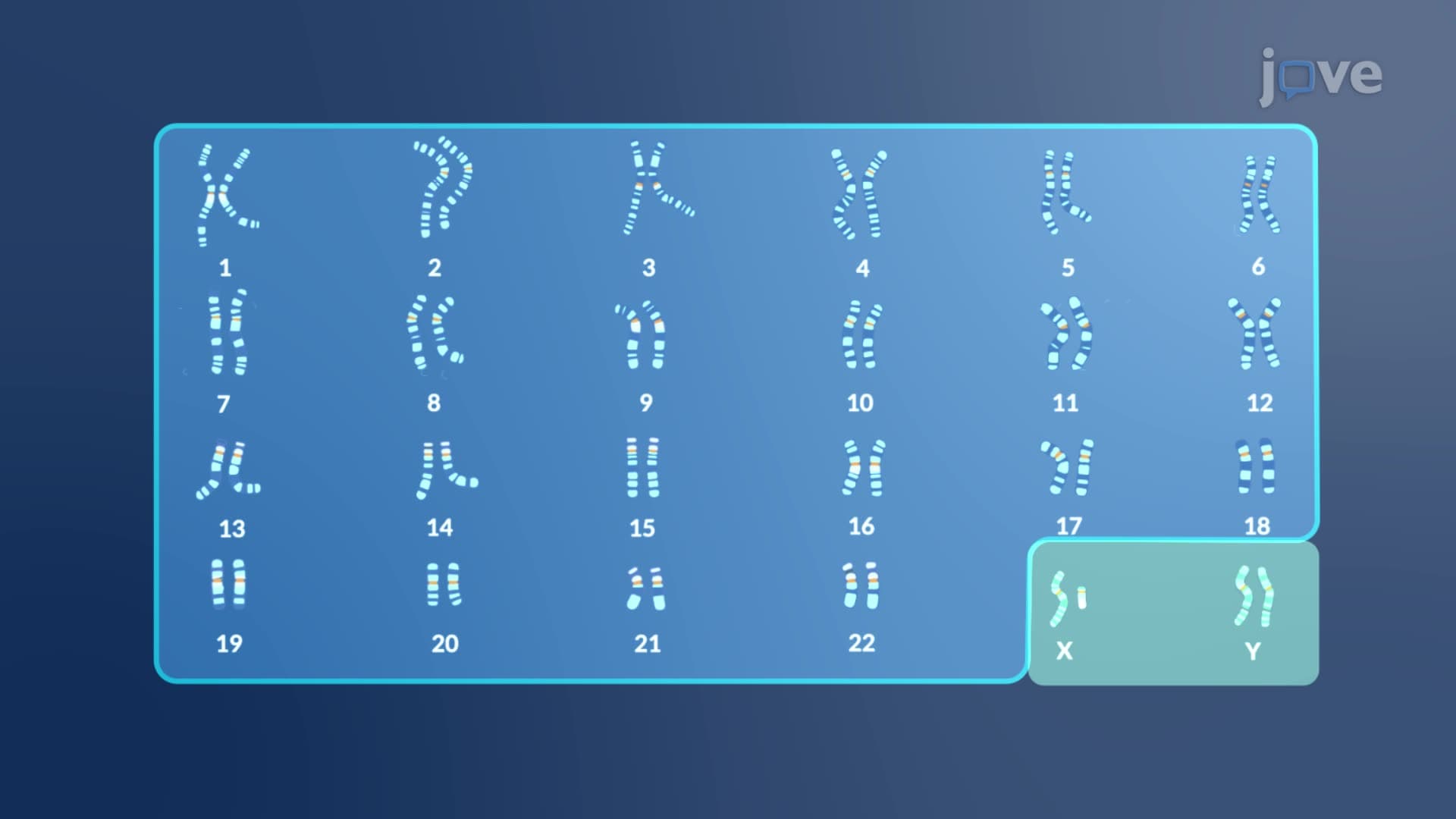
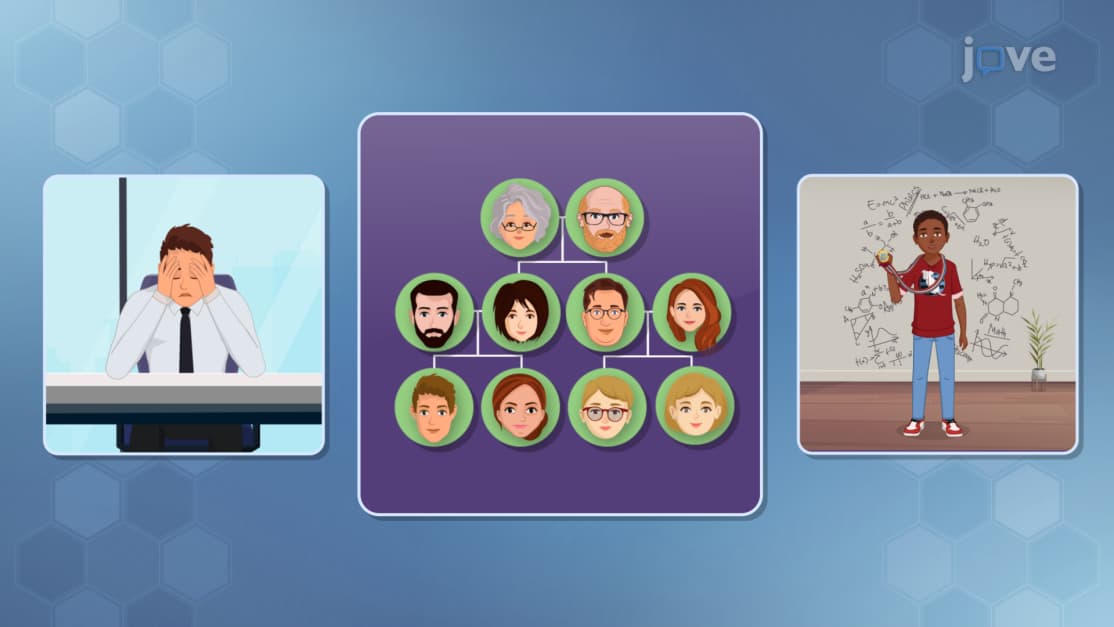
7. Genetics and Behavioral Inheritance Behavioral genetics uses twin, family, and adoption studies to determine heritability of psychological traits. Identical twins share 100% of genes while fraternal twins share 50%, allowing researchers to separate genetic from environmental influences. Many psychological disorders show genetic components, with schizophrenia having 80% heritability and depression showing 40% heritability. Gene-environment interactions explain why genetic predispositions don't guarantee disorder development, emphasizing the importance of environmental factors in triggering or preventing psychological conditions.
8. Neuroplasticity and Brain Adaptation The brain continuously reorganizes through synaptogenesis, pruning, and myelination in response to experience, learning, and injury. This neuroplasticity enables recovery from brain damage and explains how intensive practice creates expertise. London taxi drivers show enlarged hippocampi from navigating complex street layouts, while musicians develop expanded motor cortex areas controlling finger movements. Understanding neuroplasticity supports rehabilitation strategies for stroke patients and explains how cognitive behavioral therapy can literally rewire brain circuits involved in depression and anxiety.