Loading video…


 26 Concepts
 35.1K views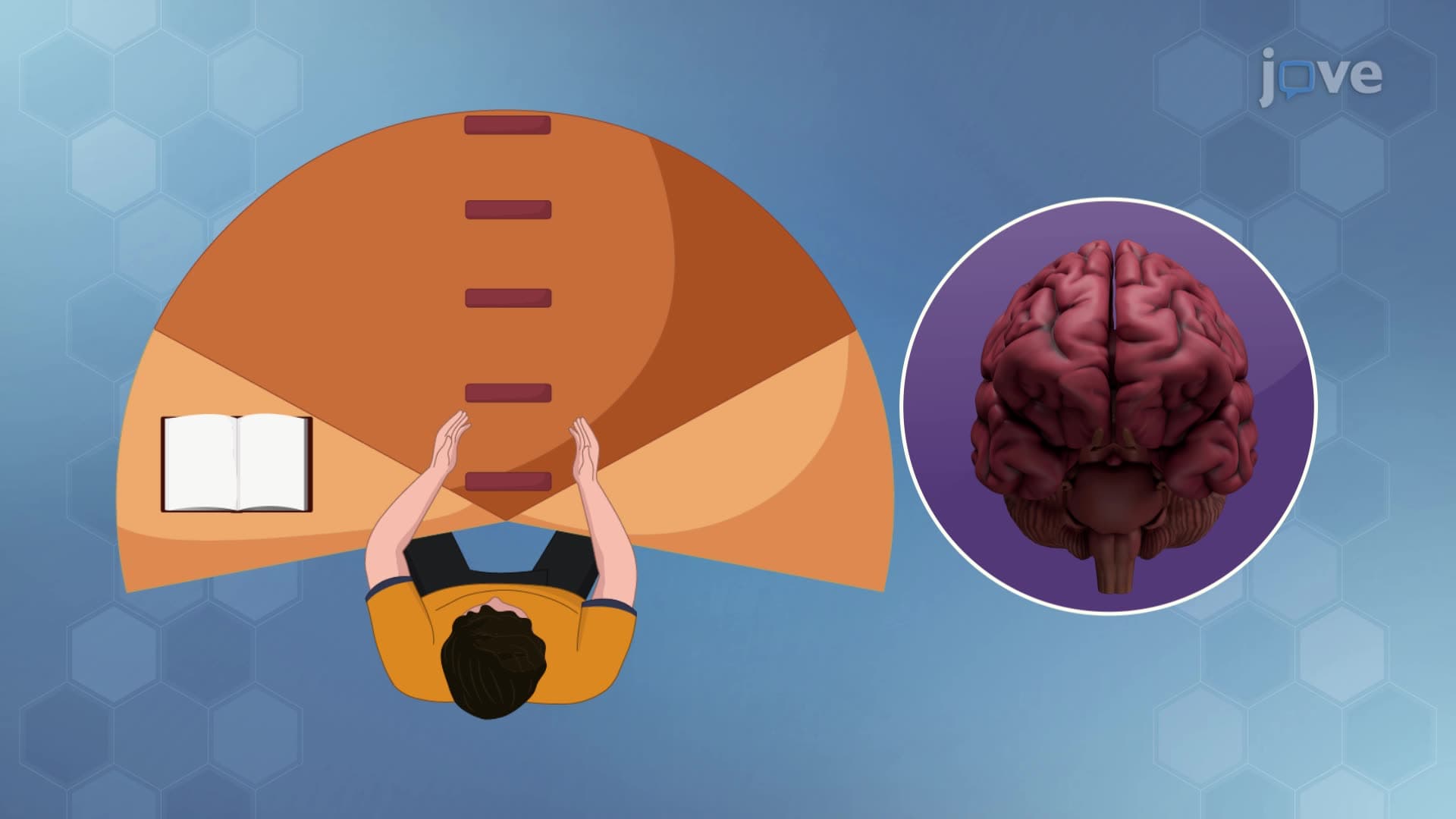

Video Summary: What Is Lateralization
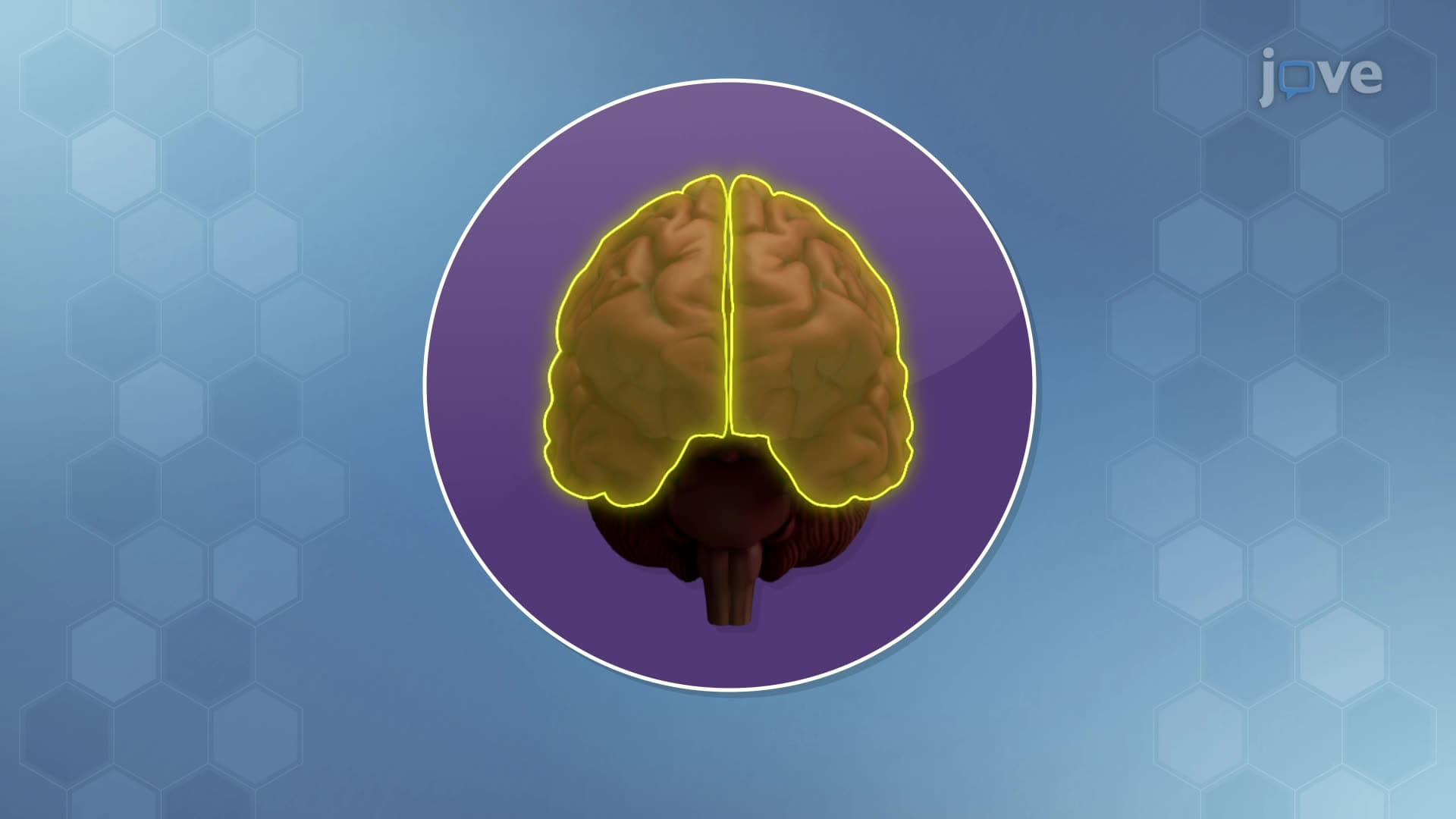
Did you know that when patients at Johns Hopkins undergo split-brain surgery, they can draw objects they can't name? This fascinating phenomenon reveals how human genetics influences brain lateralization-the tendency for cognitive functions to be processed differently in each brain hemisphere. Understanding what is lateralization helps explain why your left brain excels at language while your right brain processes spatial information and emotions. This genetic programming of brain function impacts everything from how medical students at Harvard learn anatomy to how stroke patients recover language skills. Watch the full video on JoVE Coach to master this concept with expert-led visuals and step-by-step explanations.
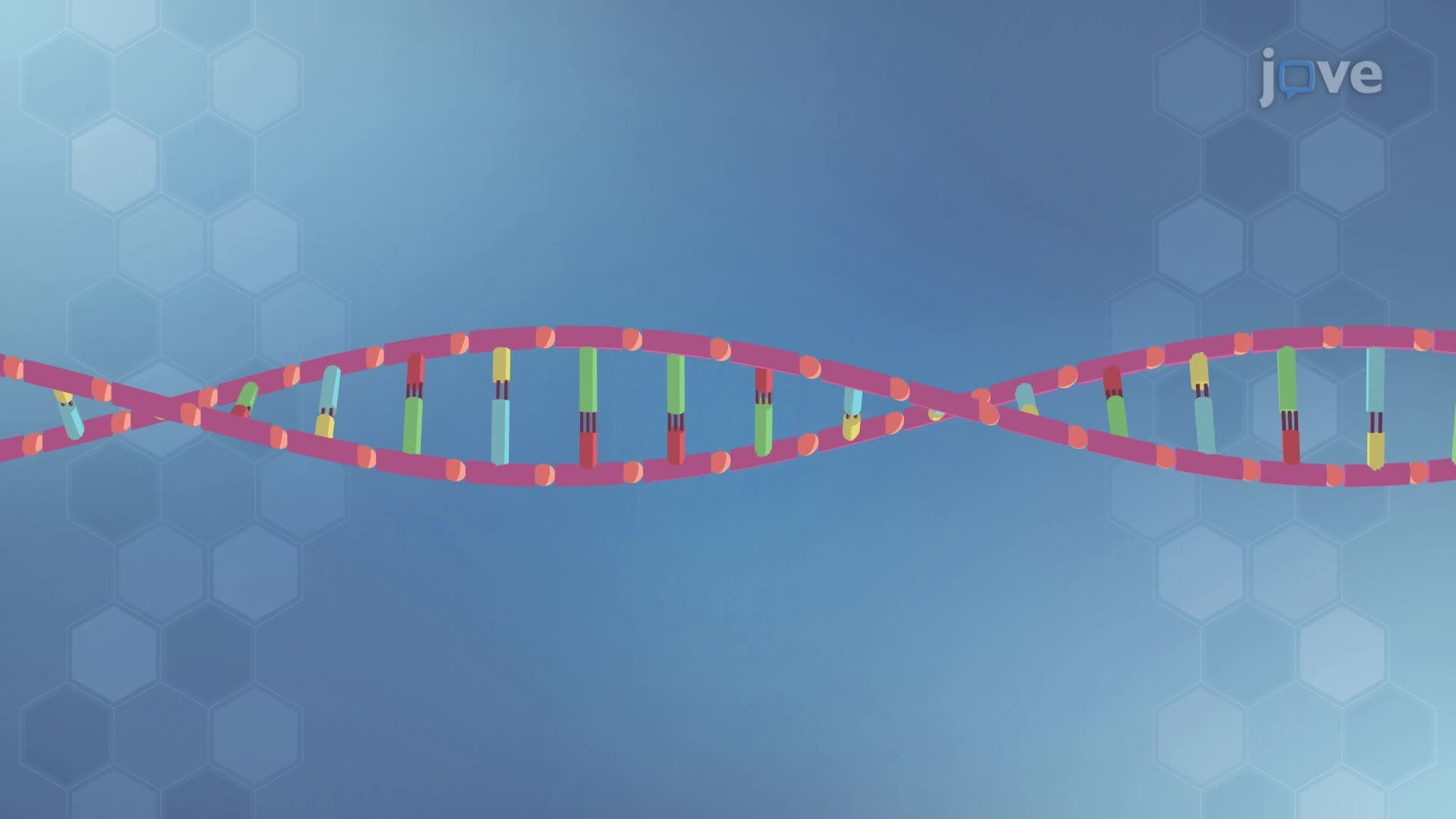
Human genetics plays a crucial role in determining brain lateralization patterns, with specific genes influencing how cognitive functions distribute across hemispheres. Research at Stanford University and UCLA has identified genetic markers that predict left-handedness and associated lateralization patterns, demonstrating how our DNA shapes neural organization from birth.
The left hemisphere's specialization for language and logical reasoning reflects evolutionary adaptations encoded in our genetic makeup. Students preparing for the MCAT encounter this concept when studying neuroanatomy, as medical schools emphasize how left hemisphere damage affects speech production (Broca's area) and comprehension (Wernicke's area). AP Psychology students learn that approximately 95% of right-handed individuals show left hemisphere language dominance, a pattern established through genetic programming during fetal development.
This hemispheric specialization extends beyond language to mathematical processing and sequential reasoning. When solving SAT math problems, students primarily engage left hemisphere networks that excel at step-by-step logical analysis. Clinical case studies from Massachusetts General Hospital demonstrate how left hemisphere strokes specifically impair analytical thinking while preserving spatial abilities.
Human genetics definition encompasses the study of how inherited traits influence right hemisphere functions, particularly spatial processing and emotional recognition. Research at the Mayo Clinic shows that right hemisphere specialization for face recognition has strong genetic components, explaining why some families excel at remembering faces while others struggle with this ability.
College psychology courses emphasize how right hemisphere damage affects artistic abilities and emotional expression. Students studying for the GRE Psychology subject test learn that right hemisphere lesions can cause aprosodia-inability to understand emotional tone in speech-while leaving verbal comprehension intact.
The most dramatic evidence for lateralization comes from split-brain patients studied at Caltech and other leading research institutions. These individuals, who underwent corpus callosotomy to treat severe epilepsy, reveal how genetic programming creates distinct hemispheric capabilities. When objects appear in their left visual field (processed by the right hemisphere), patients can manipulate them with their left hand but cannot verbally identify them-demonstrating the right hemisphere's nonverbal intelligence.
Modern neuroimaging at Johns Hopkins and other medical centers confirms that human genetics overview must include lateralization patterns, as these inherited traits influence everything from career choices to learning strategies. Understanding lateralization helps educators develop teaching methods that engage both hemispheres, improving outcomes for students with different cognitive strengths.
Related Micro-courses