Loading concepts…


10 Concepts
26 Concepts
18 Concepts
21 Concepts
25 Concepts
25 Concepts
30 Concepts
20 Concepts
25 Concepts
30 Concepts
20 Concepts
35 Concepts
20 Concepts
 21 Concepts
 10.1K Views
 Popular topics










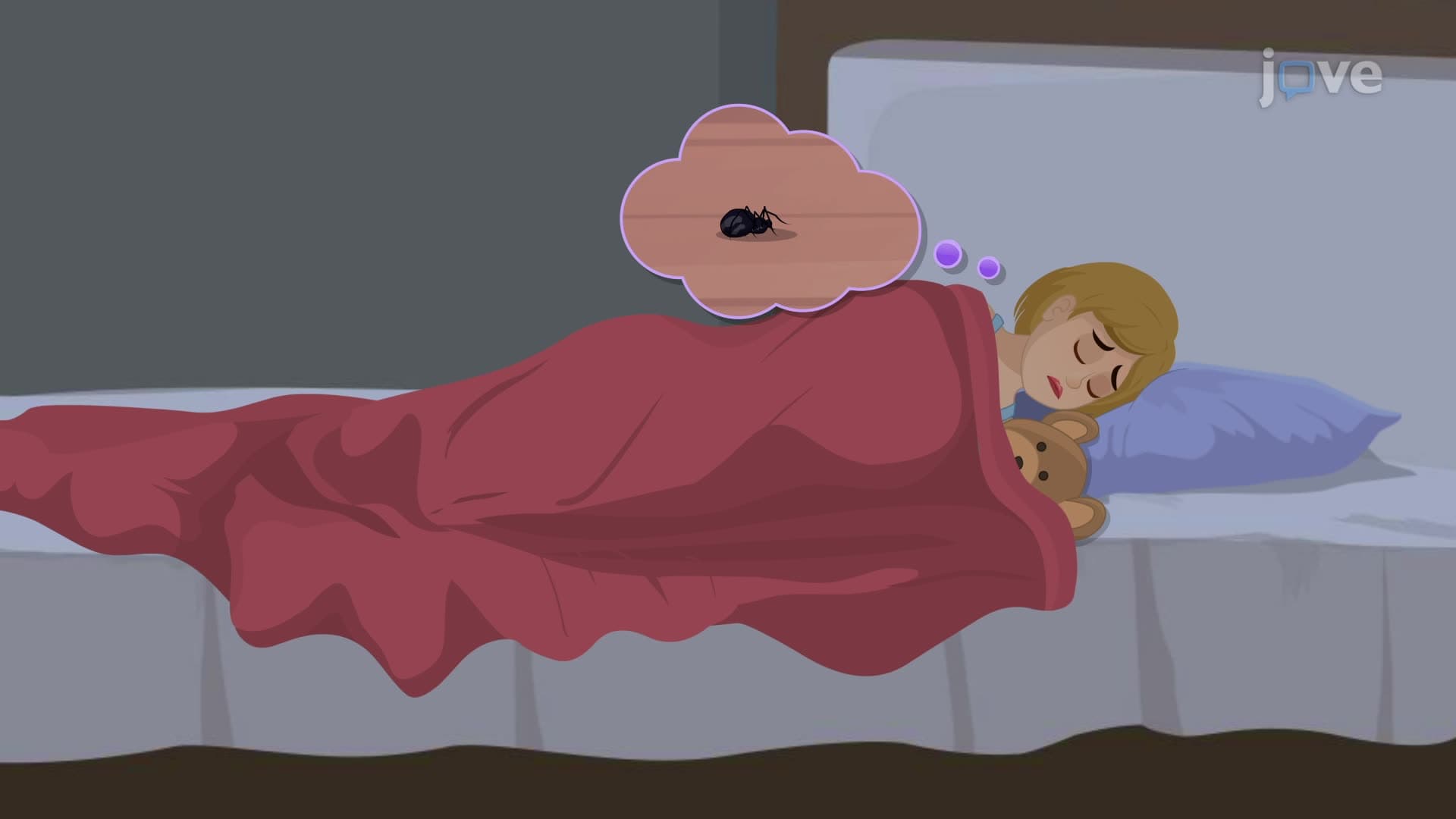

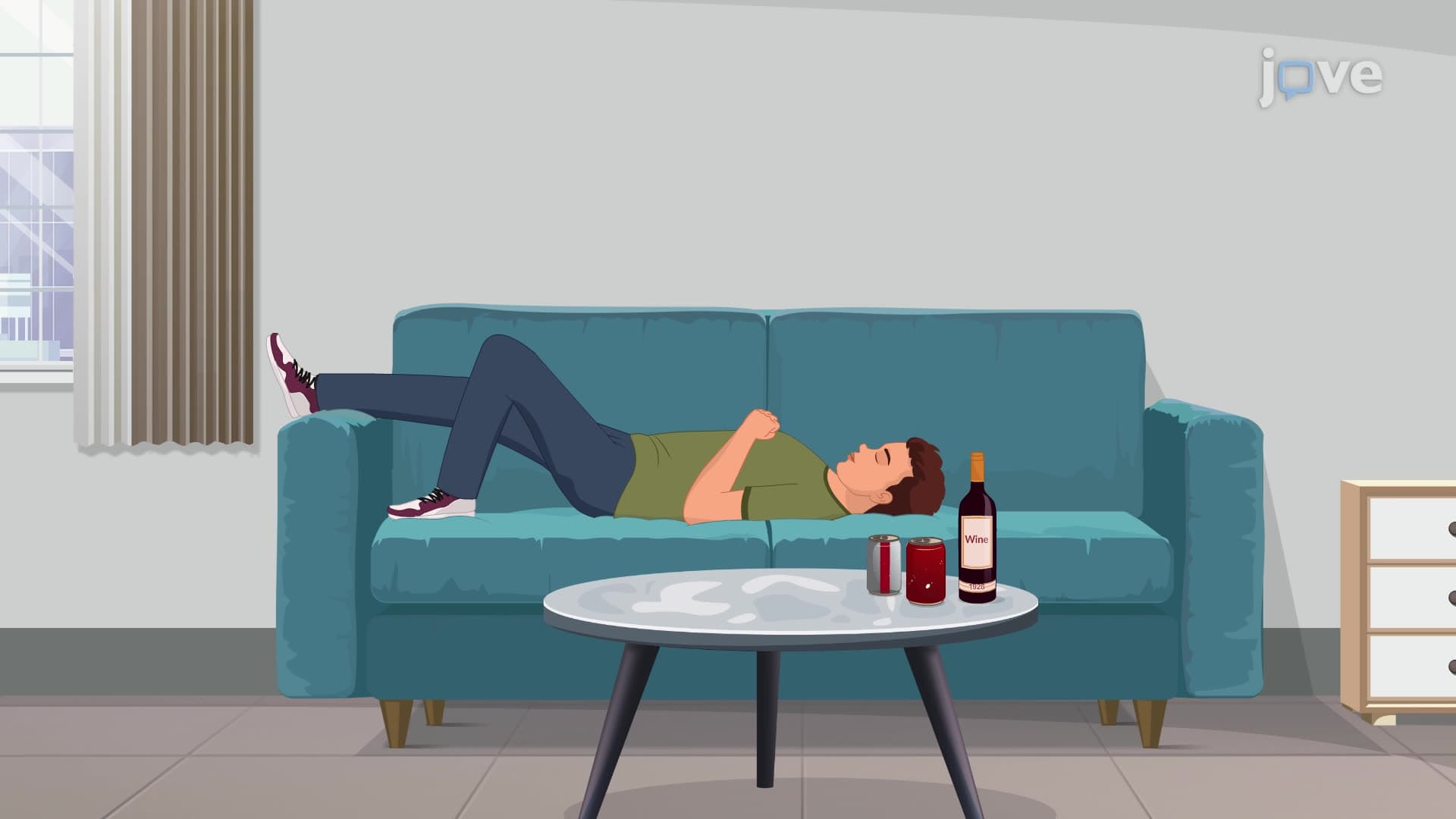

States of consciousness encompass the spectrum of human awareness from deep sleep to high alertness, including altered states through meditation, hypnosis, and psychoactive substances. This comprehensive JoVE Coach micro-course explores consciousness levels, sleep stages, dreams, sleep disorders, and how various substances affect brain function and perception in clinical and everyday contexts.
1. Fundamentals of Consciousness and Awareness Levels Understanding consciousness as the interaction between awareness and arousal systems in the brain. High-level consciousness involves controlled processes like solving calculus problems or managing test anxiety, requiring focused attention from the prefrontal cortex. Low-level consciousness includes automatic processes such as driving familiar routes while planning your day or typing notes without looking at the keyboard. These concepts are essential for AP Psychology students studying cognitive processes and appear frequently on standardized tests examining attention and consciousness mechanisms.
2. Sleep Architecture and Circadian Rhythms The sleep-wake cycle operates through complex interactions between the hypothalamus, pineal gland, and melatonin production. Sleep progresses through distinct stages: NREM Stage 1 (theta waves, light sleep), Stage 2 (sleep spindles and K-complexes), Stage 3 (delta waves, deep sleep), and REM sleep (rapid eye movements, vivid dreams). Each 90-100 minute cycle serves different functions from physical restoration during deep sleep to memory consolidation during REM. Understanding these stages helps explain why pulling all-nighters before exams actually impairs memory formation rather than helping students retain information.
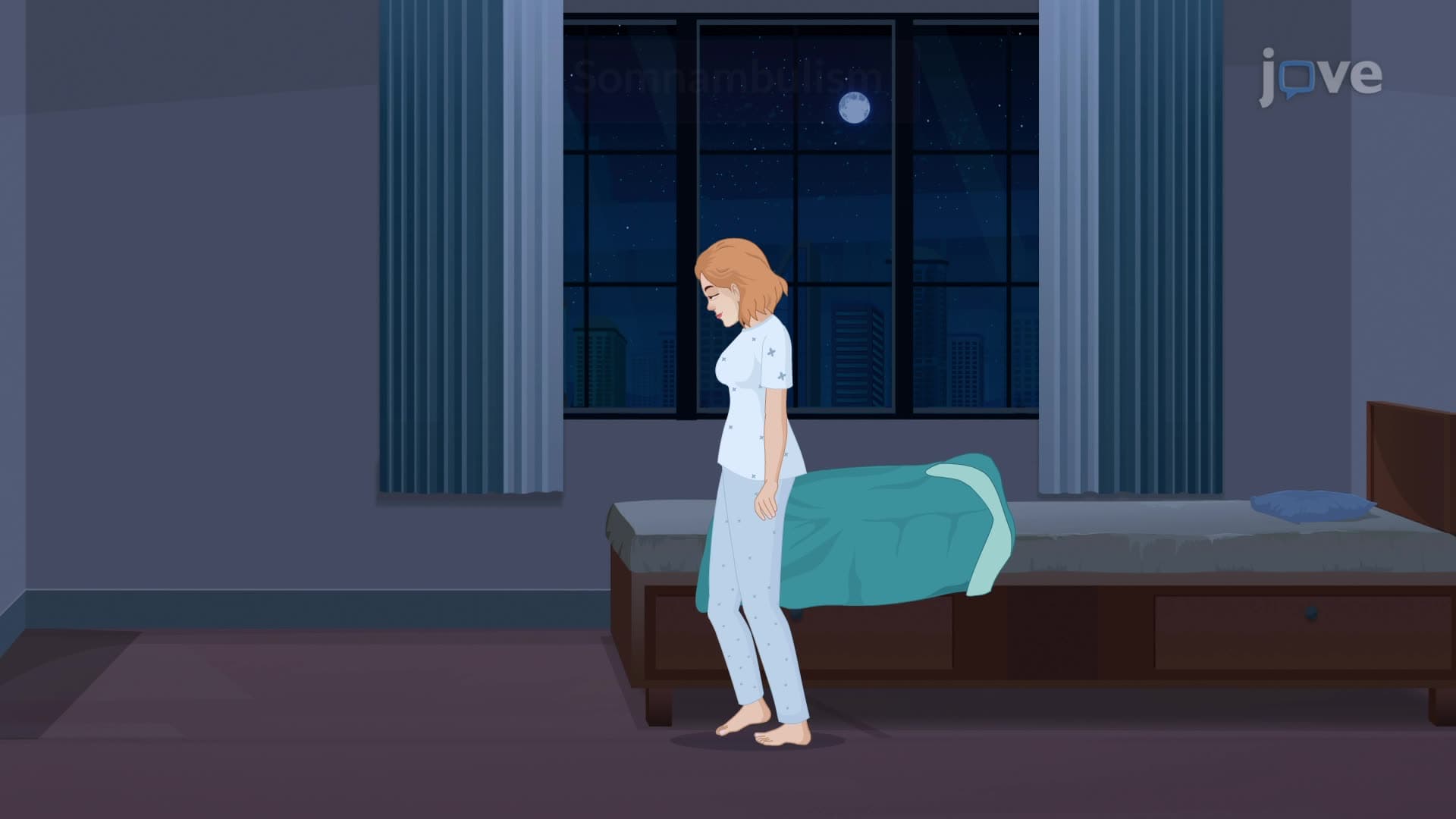
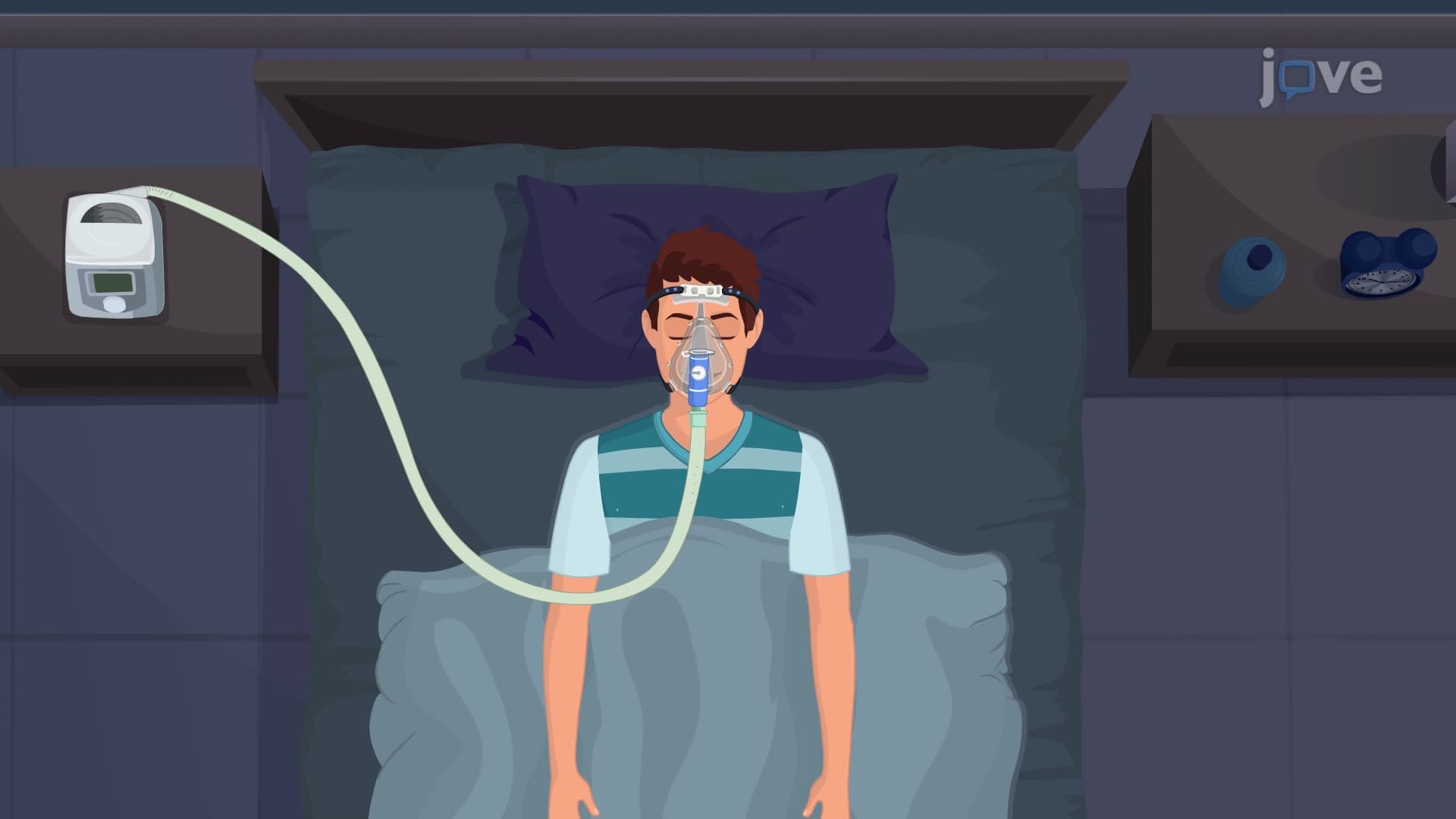
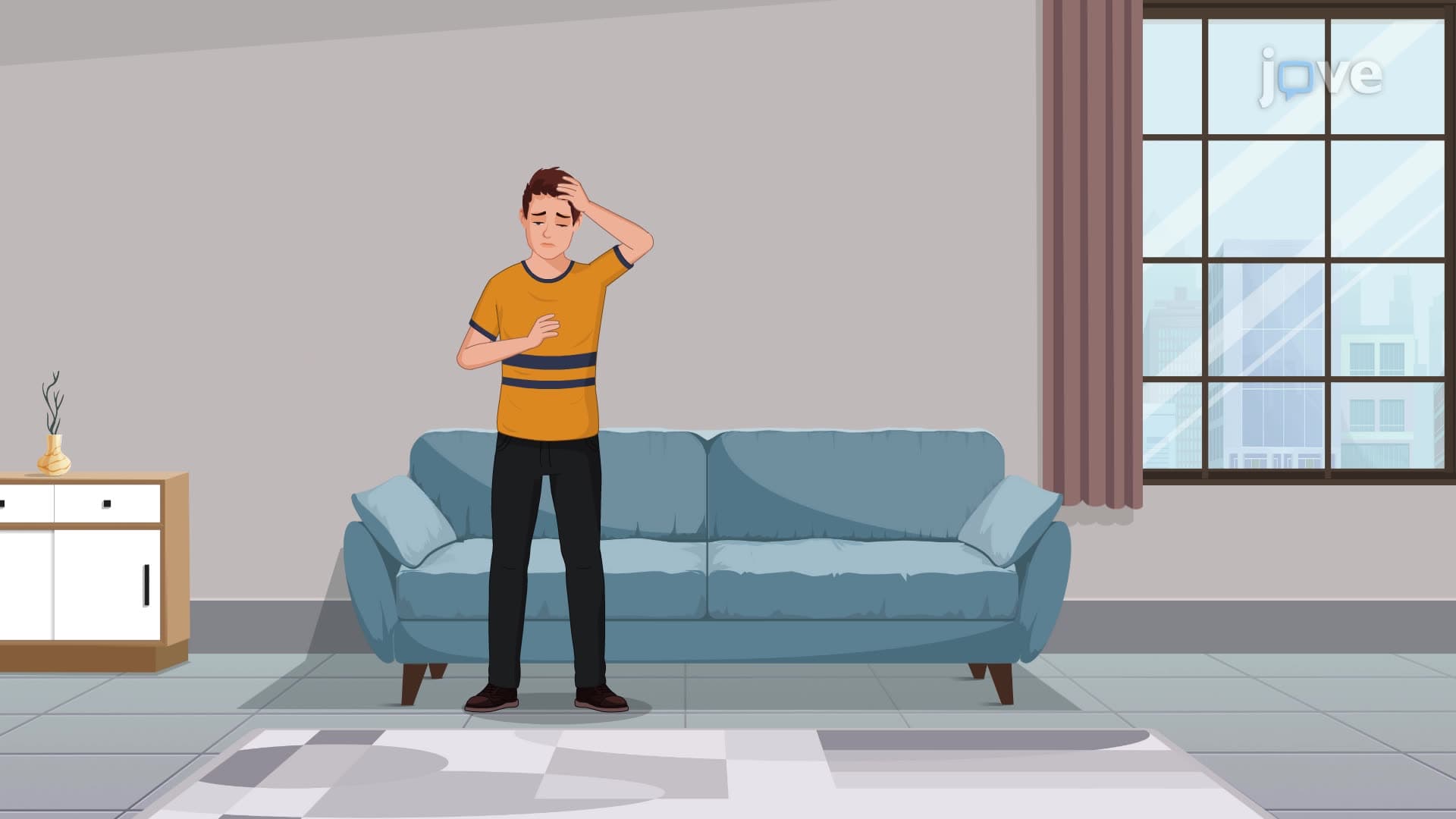
3. Common Sleep Disorders and Clinical Applications Sleep disorders significantly impact academic and professional performance in American students and workers. Insomnia affects concentration during lectures and exams, while sleep apnea increases accident risks and cardiovascular problems. Narcolepsy can cause sudden sleep episodes during inappropriate times like driving or working. Healthcare professionals must recognize symptoms: sleep apnea's loud snoring and breathing interruptions, narcolepsy's cataplexy and sleep paralysis, and restless leg syndrome's uncomfortable sensations. Treatment approaches range from CPAP machines for sleep apnea to cognitive-behavioral therapy for insomnia, with lifestyle modifications supporting all interventions.
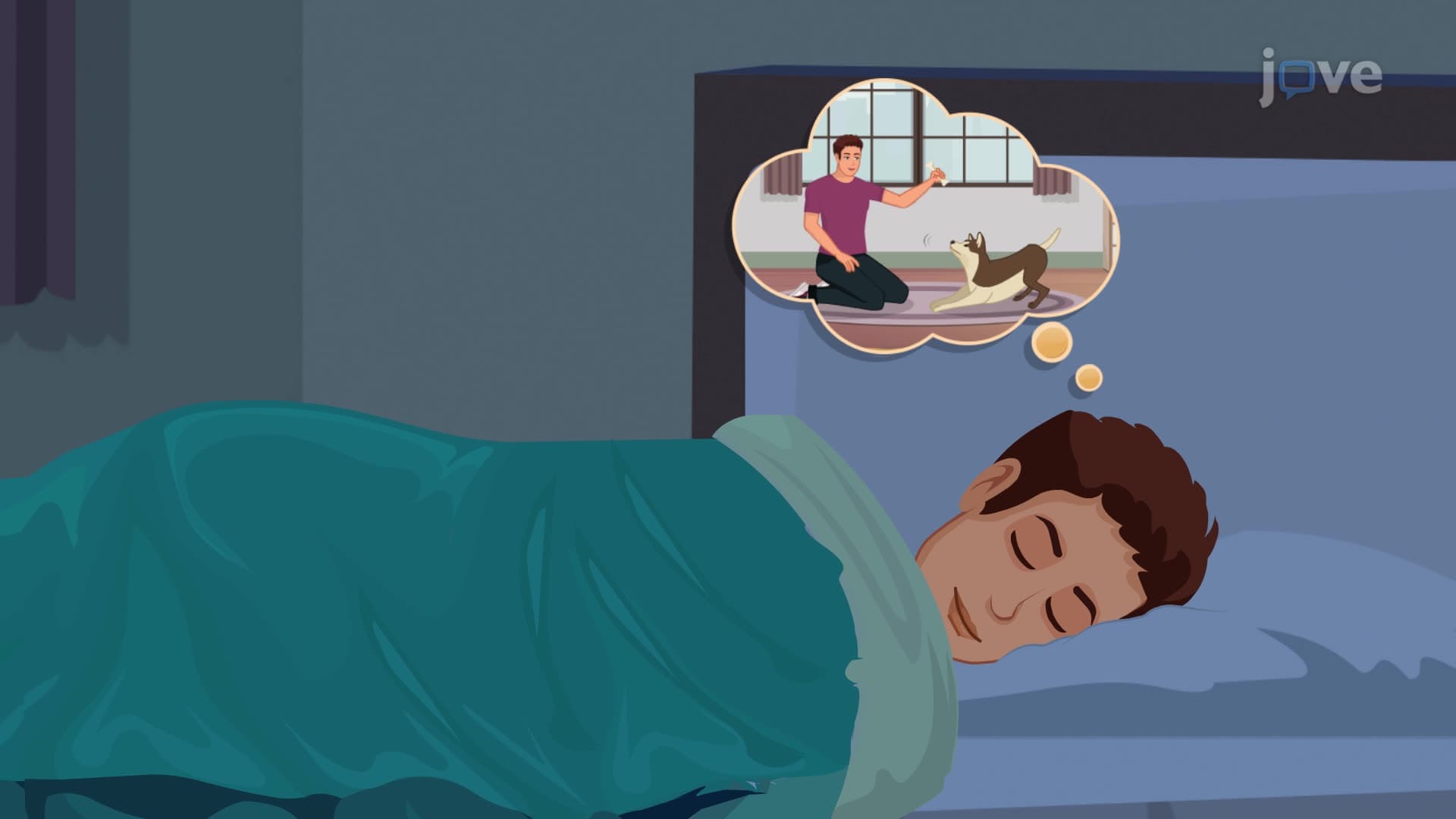
4. Dream Theories and REM Sleep Functions Dreams occur primarily during REM sleep and serve crucial roles in memory consolidation and emotional processing. Freudian theory distinguished between manifest content (actual dream events like climbing mountains) and latent content (symbolic meanings like overcoming challenges). Modern cognitive theory views dreams as mental simulations continuing daytime thinking processes, while activation-synthesis theory explains dreams as the brain's attempt to interpret random neural firing. Lucid dreaming, where individuals become aware they're dreaming, demonstrates the prefrontal cortex's involvement in self-awareness and occurs in about 55% of people at least once in their lifetime.
5. Psychoactive Substances and Altered Consciousness Psychoactive drugs alter consciousness by affecting neurotransmitter systems in predictable ways. Stimulants like caffeine and cocaine increase dopamine and norepinephrine, enhancing alertness but potentially causing dependence. Depressants including alcohol and benzodiazepines enhance GABA activity, promoting relaxation but impairing judgment and motor coordination. Hallucinogens such as LSD and marijuana alter serotonin and dopamine systems, creating perceptual distortions. Understanding these mechanisms helps explain why combining depressants like alcohol with prescription medications can be fatal, and why caffeine tolerance develops with regular consumption requiring higher doses for the same alertness effects.