Loading concepts…


10 Concepts
26 Concepts
18 Concepts
21 Concepts
25 Concepts
25 Concepts
30 Concepts
20 Concepts
25 Concepts
30 Concepts
20 Concepts
35 Concepts
20 Concepts
 25 Concepts
 54.1K Views
 Popular topics





















Thinking psychology explores how the human mind processes information, solves problems, and develops language skills. This comprehensive course examines cognitive psychology concepts including mental processes, language development, intelligence theories, and decision-making strategies. Students will discover how thinking, language, and intelligence interconnect through scientific research and real-world applications. Perfect preparation for AP Psychology, MCAT, and other standardized exams with JoVE Coach support.
1. Cognitive Psychology Foundations and Mental Processes: Cognitive psychology emerged in the 1950s when researchers like Herbert Simon compared the brain to computer hardware and cognition to software. This field examines how humans process sensory information into thoughts and memories. Unlike computers that handle pre-coded data, human brains process ambiguous environmental stimuli. American universities like Stanford and MIT pioneered this research, leading to breakthroughs in understanding perception, memory, and attention. Students learn how neural impulses become organized thoughts through concepts - mental categories that help organize information efficiently.
2. Concepts, Prototypes, and Schema Formation: Natural concepts develop through direct experience (like growing up on Iowa farms) or indirect experience (reading about agriculture). Artificial concepts follow specific rules, such as geometric shapes or legal contracts defined in US law. Prototypes represent the best examples of concepts - a Golden Retriever might be someone's dog prototype. Schemas organize related concepts efficiently, like role schemas for professions (doctors have medical knowledge) or event schemas for cultural behaviors (removing shoes in some American households versus wearing them indoors).
3. Language Components and Development Patterns: Language consists of lexicon (vocabulary) and grammar (organizational rules). Phonemes are basic sound units that combine into morphemes - meaningful language units. American children typically say their first words between 12-18 months, progressing from babbling to complex sentences. The critical period hypothesis suggests optimal language learning occurs early in life. Children learning English often overgeneralize rules, saying "gooses" instead of "geese." Bilingual Americans often show enhanced cognitive flexibility compared to monolingual speakers.
4. Language and Cognition Interactions: The Sapir-Whorf hypothesis suggests language influences thought processes. Research shows English speakers describe time horizontally ("running behind schedule") while Mandarin speakers use vertical terms ("past is up, future is down"). American students learning foreign languages often discover new ways of conceptualizing ideas. Bilingual individuals demonstrate superior cognitive control and task-switching abilities. However, conditions like dyslexia and Williams syndrome show language and general intelligence can function independently, challenging strict linguistic determinism.
5. Problem-Solving Strategies and Applications: Trial and error involves testing solutions systematically, like Thomas Edison experimenting with thousands of light bulb filament materials in his New Jersey laboratory. Algorithms provide step-by-step procedures guaranteeing solutions, such as following GPS directions or solving Sudoku puzzles. Heuristics offer mental shortcuts - working backward from desired outcomes (planning Thanksgiving dinner timing) or breaking complex tasks into manageable steps (organizing a school science fair). Insight involves sudden realizations, showing increased right temporal lobe activity in brain scans.
6. Reasoning, Decision-Making, and Critical Thinking: Inductive reasoning moves from specific observations to general conclusions - observing sunrise patterns leads to predicting tomorrow's sunrise. American scientific research uses inductive reasoning to generalize from samples to populations. Deductive reasoning applies general principles to specific cases - if all birds have feathers and robins are birds, then robins have feathers. Decision-making involves automatic processes (instinctive responses while driving) and controlled processes (analyzing college applications). Critical thinking requires questioning assumptions and evaluating evidence systematically.
7. Intelligence Theories and Cultural Perspectives: Spearman's g-factor suggests general intelligence underlies diverse cognitive abilities. Cattell distinguished fluid intelligence (solving novel problems like navigating new smartphone features) from crystallized intelligence (recalling learned information like state capitals). Sternberg's triarchic theory identifies analytical (academic problem-solving), creative (innovative solutions), and practical intelligence (street smarts). Gardner proposed nine multiple intelligences including verbal-linguistic (journalism), logical-mathematical (engineering), and spatial intelligence (architecture). Different cultures define intelligence differently - Americans emphasize cognitive abilities while other cultures value social responsibility.
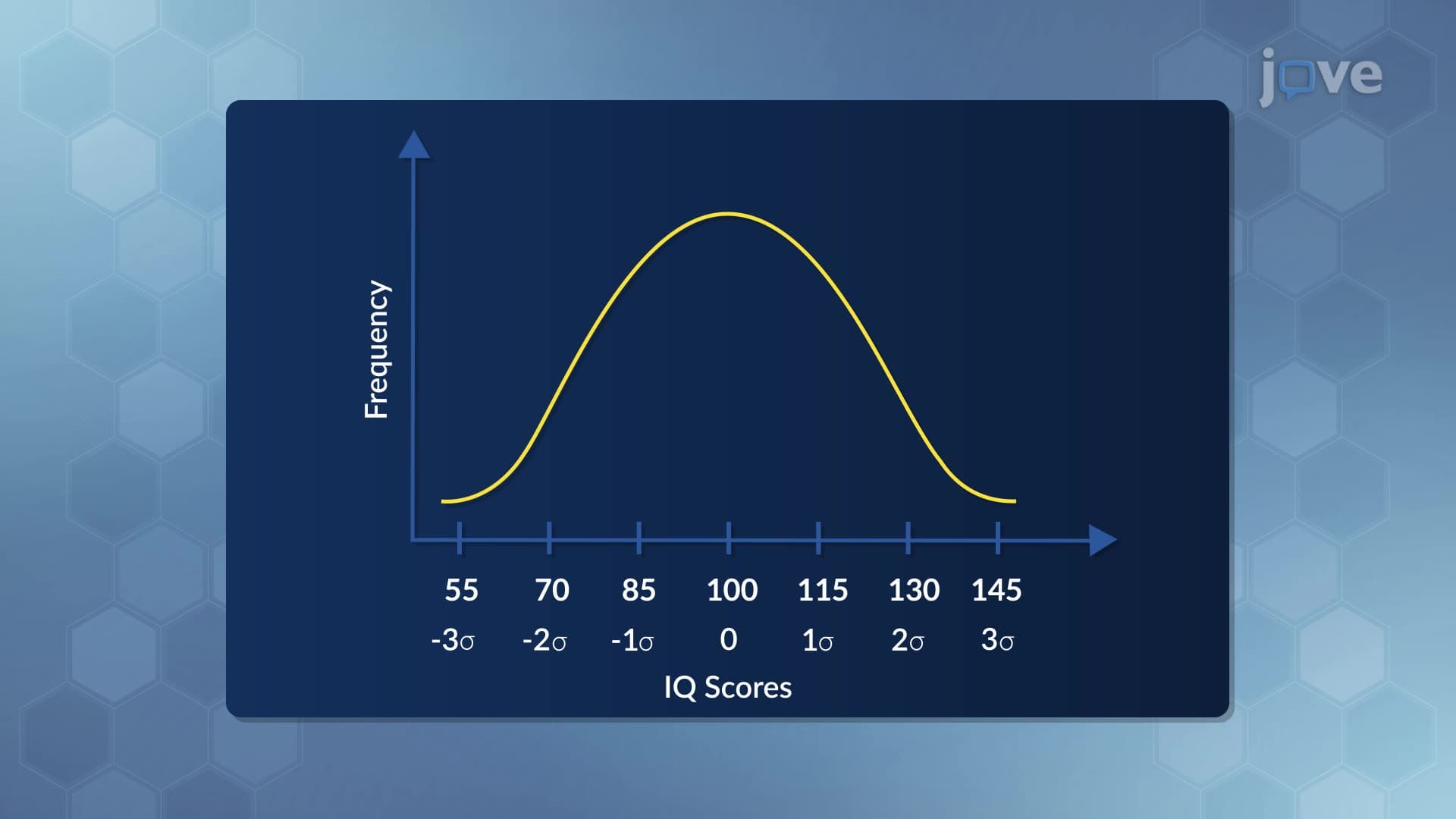
8. Intelligence Assessment and Measurement: Alfred Binet created the first intelligence test in 1904 for French schools, later adapted as the Stanford-Binet test used throughout American education. Mental age compares cognitive abilities to typical age-group performance. David Wechsler developed comprehensive intelligence scales including WAIS (adults), WISC (children), and WPPSI (preschoolers) widely used in US schools and clinical settings. Valid tests measure intelligence accurately, reliable tests produce consistent results, and standardized tests ensure fair administration. The bell curve shows normal distribution of intelligence scores, with most people scoring near the average.
9. Biological and Environmental Intelligence Influences: Genetics contribute significantly to intelligence differences between individuals, with twin studies showing hereditary influences. Environmental factors include nutrition (proper childhood nutrition supports cognitive development), education quality (access to challenging curricula in American schools), and socioeconomic status (resources for learning materials and experiences). Cultural bias in testing remains controversial - traditional IQ tests may favor certain cultural backgrounds over others. Modern research emphasizes multiple factors shaping intelligence, from prenatal development through lifelong learning experiences in diverse American communities.