Loading video…


 26 Concepts
 35.1K views

Video Summary: Major Hormones and Their Functions Explained
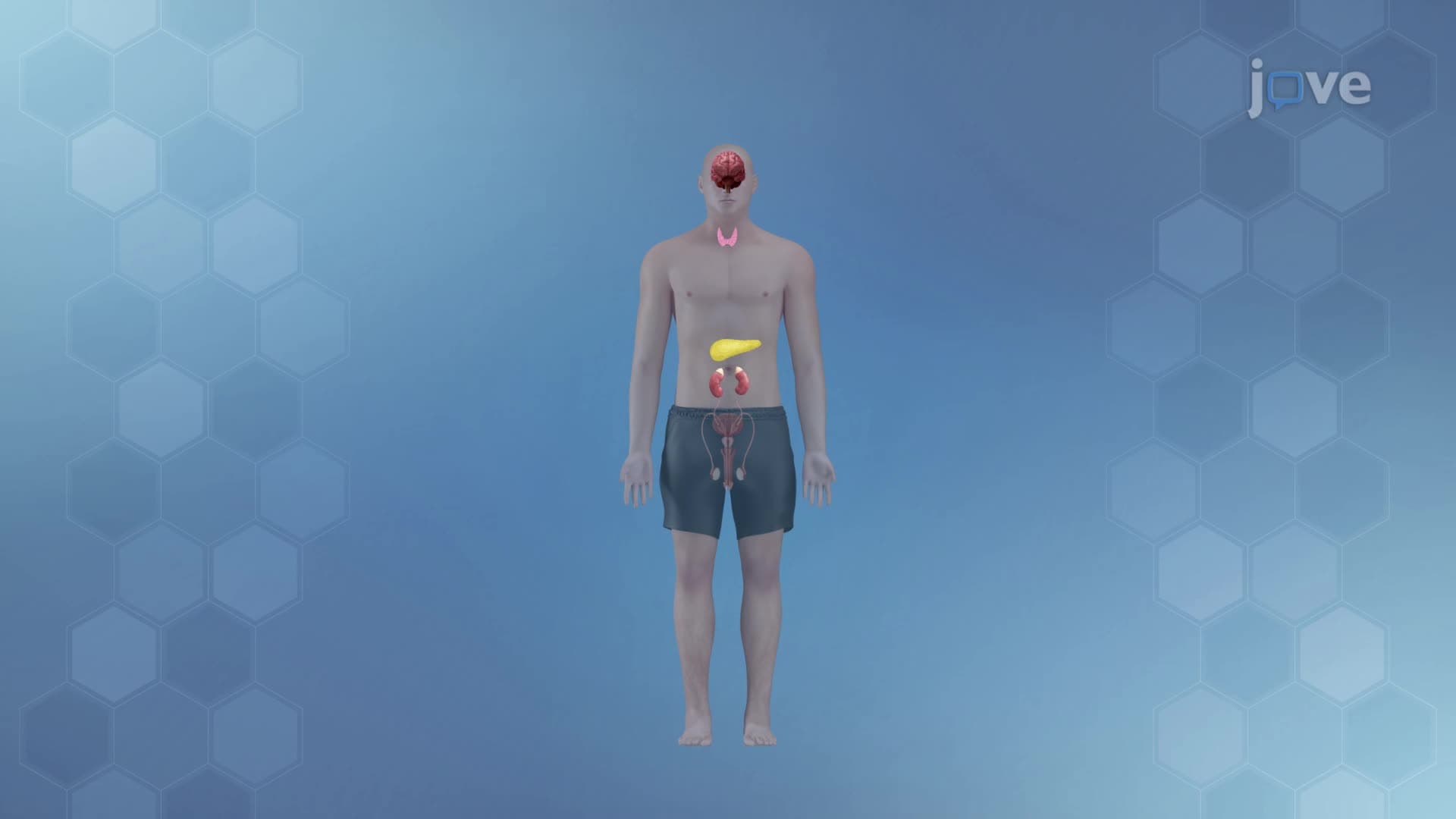
Did you know that a single hormone can influence everything from your mood to your metabolism? Understanding inheritance of hormonal traits helps explain why certain endocrine disorders run in families, like type 2 diabetes affecting multiple generations of Americans. Major Hormones And Their Functions Explained reveals how chemical messengers like cortisol, oxytocin, and testosterone orchestrate complex bodily processes through inherited genetic mechanisms. Watch the full video on JoVE Coach to master this concept with expert-led visuals and step-by-step explanations.
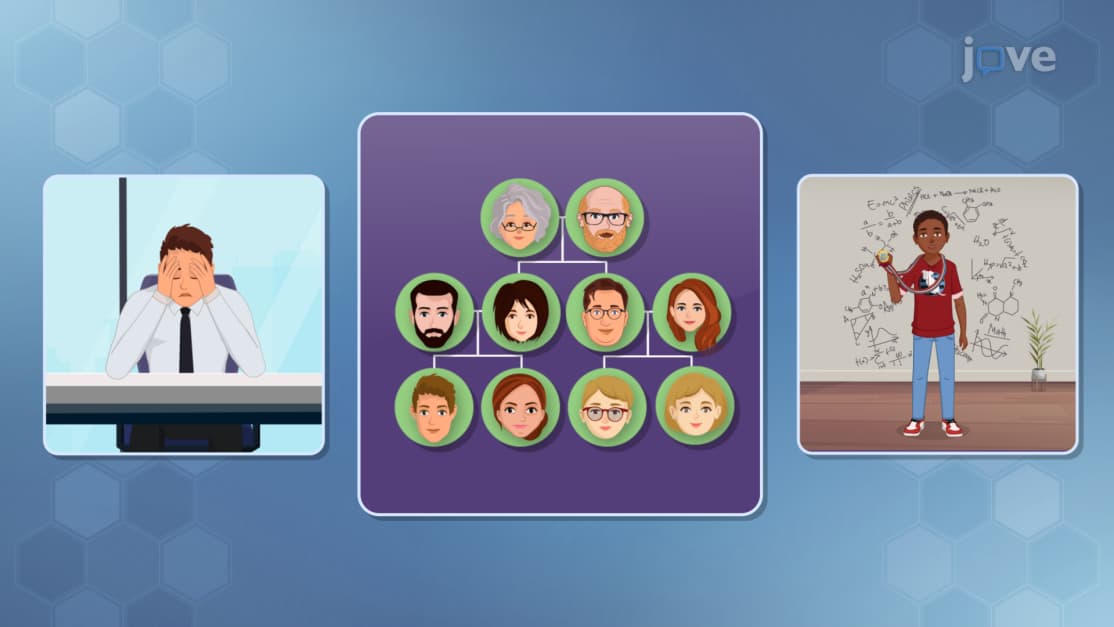
The study of major hormones reveals fascinating inheritance patterns that explain why endocrine disorders cluster in families. Genetic variations in hormone receptor genes, synthesis pathways, and regulatory mechanisms demonstrate clear inheritance principles that affect millions of Americans.
Cortisol and epinephrine showcase inheritance concepts through familial stress response patterns. The HPA (hypothalamic-pituitary-adrenal) axis function depends on inherited genetic variations in CRH receptors and cortisol metabolism enzymes. Families with inherited cortisol resistance syndrome, affecting approximately 1 in 1 million Americans, demonstrate autosomal dominant inheritance patterns. Students preparing for AP Biology or college endocrinology courses should understand how cortisol's anti-inflammatory effects and glucose regulation involve inherited enzyme activities like 11β-hydroxysteroid dehydrogenase.
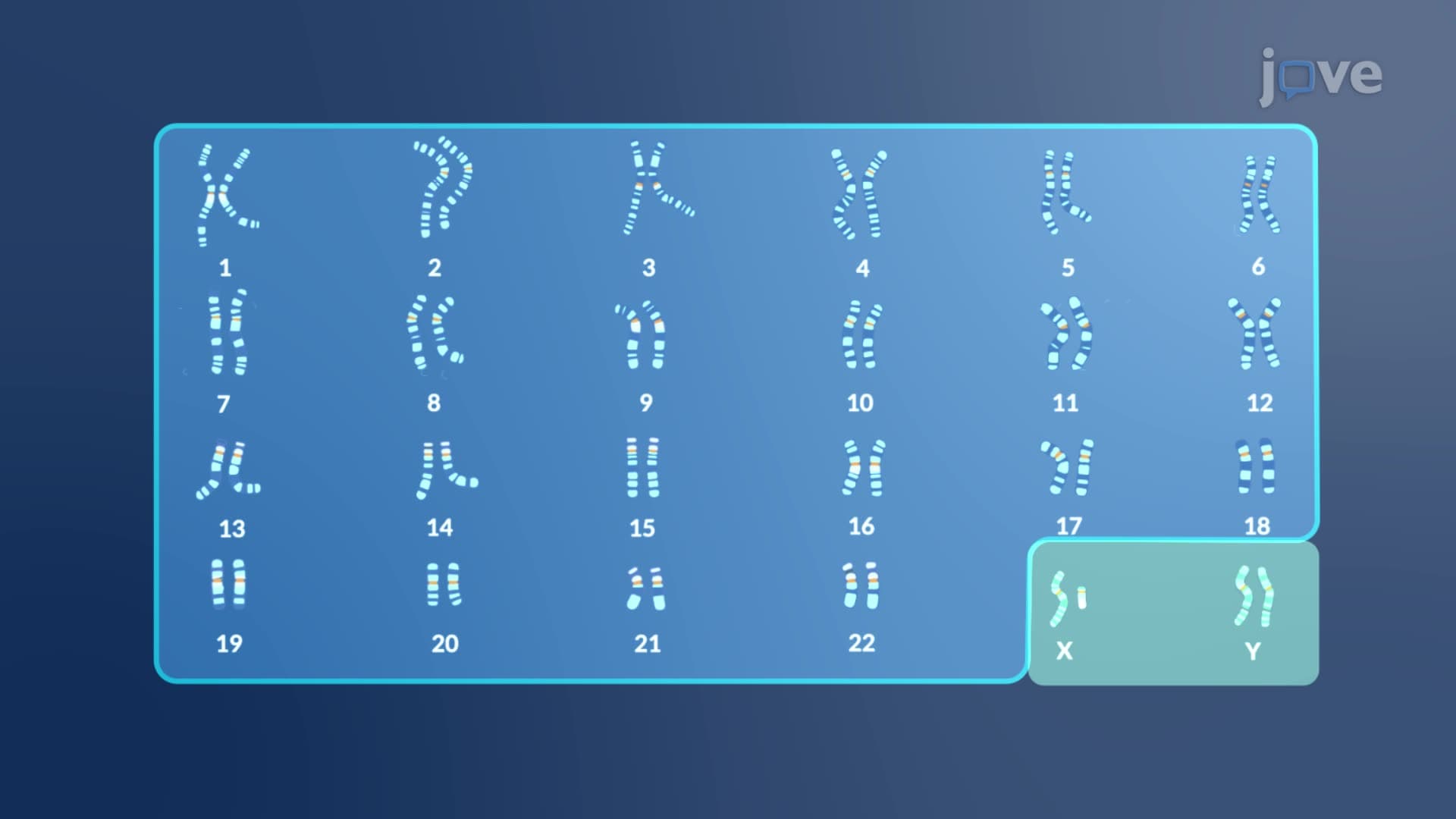
Testosterone and estrogen levels show strong inheritance components through androgen receptor gene variations and aromatase enzyme polymorphisms. Androgen insensitivity syndrome, inherited in X-linked recessive patterns, affects 1 in 20,000 XY individuals and demonstrates how genetic mutations disrupt hormone function. MCAT students frequently encounter questions about inherited disorders like Klinefelter syndrome affecting testosterone production, while USMLE Step 1 emphasizes understanding estrogen receptor gene inheritance in breast cancer predisposition.
Oxytocin receptor gene polymorphisms exhibit inheritance patterns affecting social behavior and bonding capacity. Research from Stanford University demonstrates that inherited OXTR gene variations influence empathy levels in American populations. Thyroid hormone inheritance involves complex genetic factors affecting TSH sensitivity and T4 conversion to T3. Congenital hypothyroidism, screened in all US newborns, shows autosomal recessive inheritance patterns in thyroid peroxidase deficiency cases.
Related Micro-courses