Loading video…


 18 Concepts
 14.5K views

Video Summary: What Is Parallel Processing
Ever wonder how your brain instantly recognizes your friend's face in a crowded Times Square while simultaneously noticing a yellow taxi speeding toward you? This remarkable ability demonstrates parallel processing, where pain signals and other sensory information travel through multiple neural pathways simultaneously. When you accidentally touch a hot stove at home, your brain processes the pain location, intensity, and emotional response all at once through different channels. This sophisticated system allows for rapid, accurate perception and immediate protective responses. Watch the full video on JoVE Coach to master this concept with expert-led visuals and step-by-step explanations.
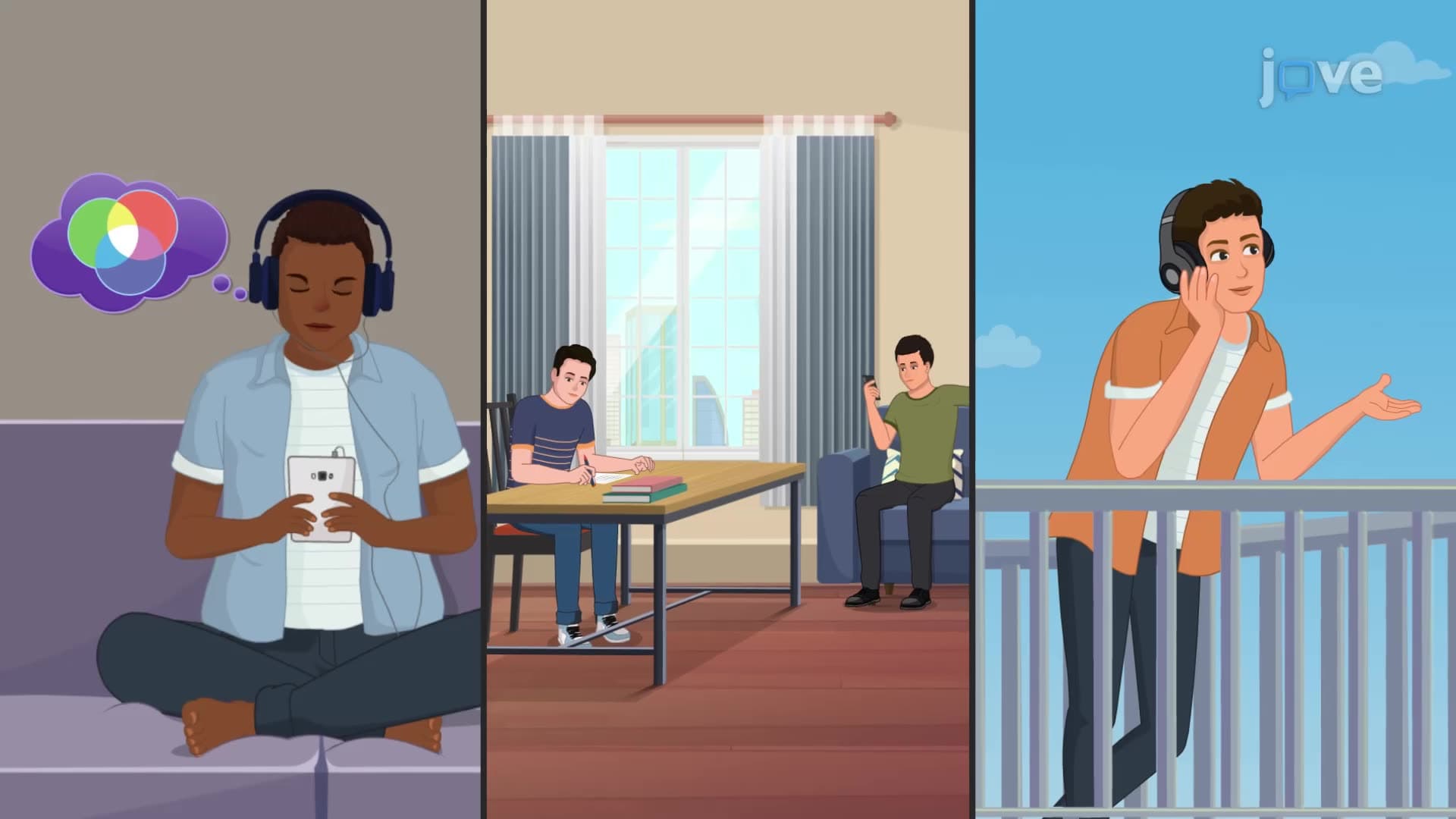
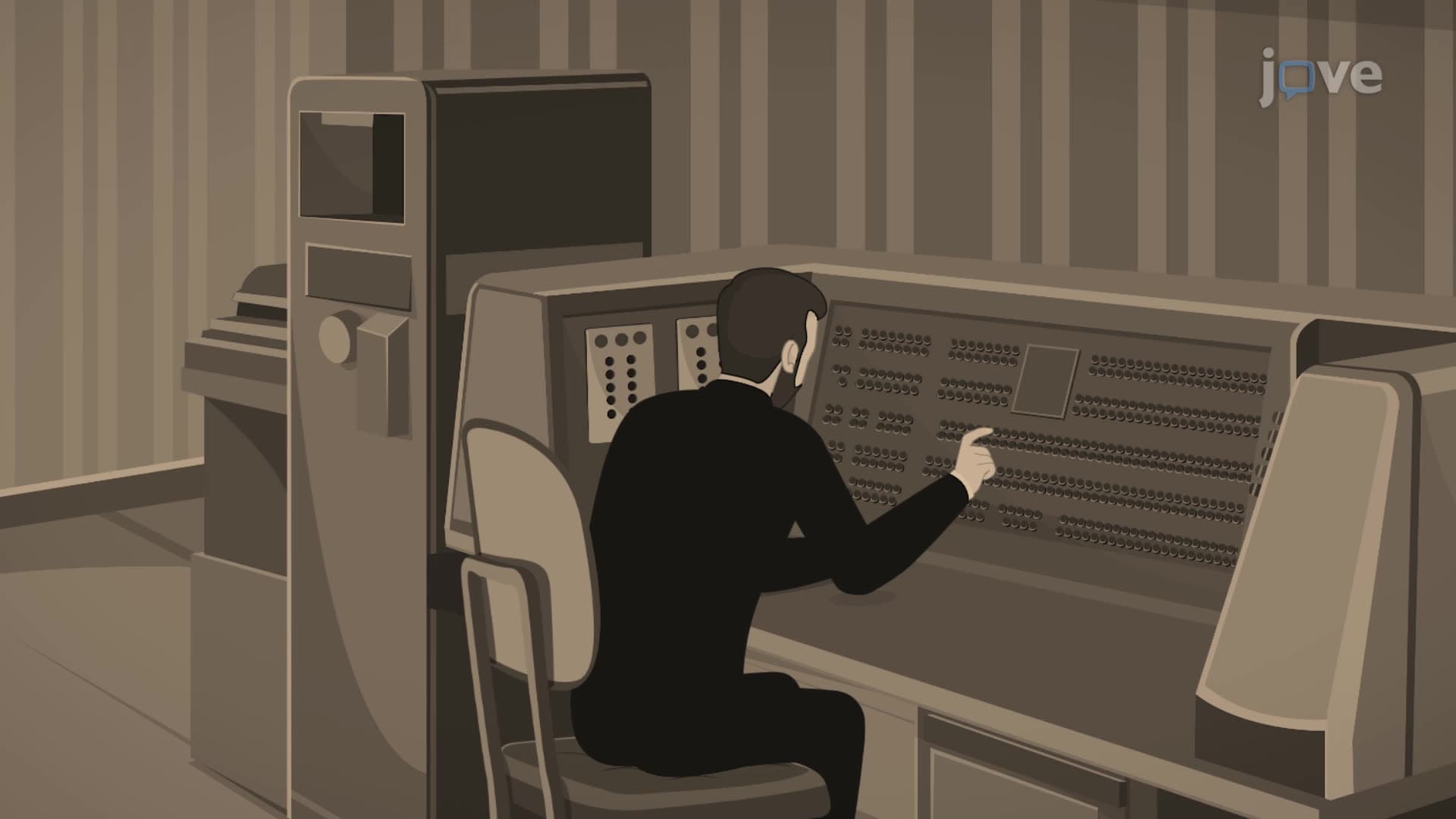
Parallel processing represents one of the most sophisticated features of human neurological function, allowing the brain to simultaneously handle multiple streams of sensory information through distinct neural pathways. Unlike computers that traditionally process information sequentially, the human brain excels at parallel computation, enabling rapid responses to complex environmental stimuli. This concept proves essential for students preparing for AP Psychology exams, MCAT neuroscience sections, and college-level cognitive science courses.
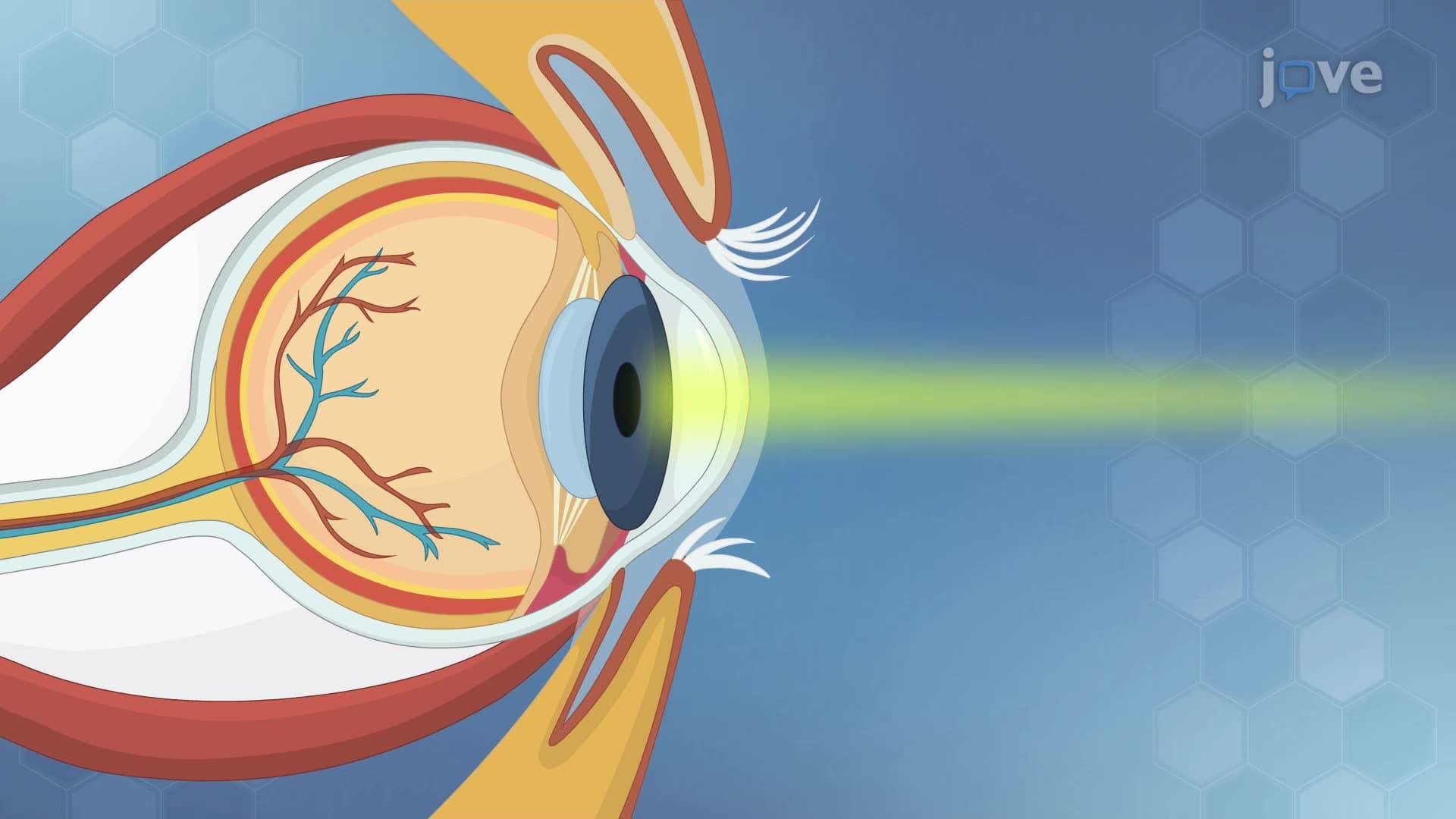
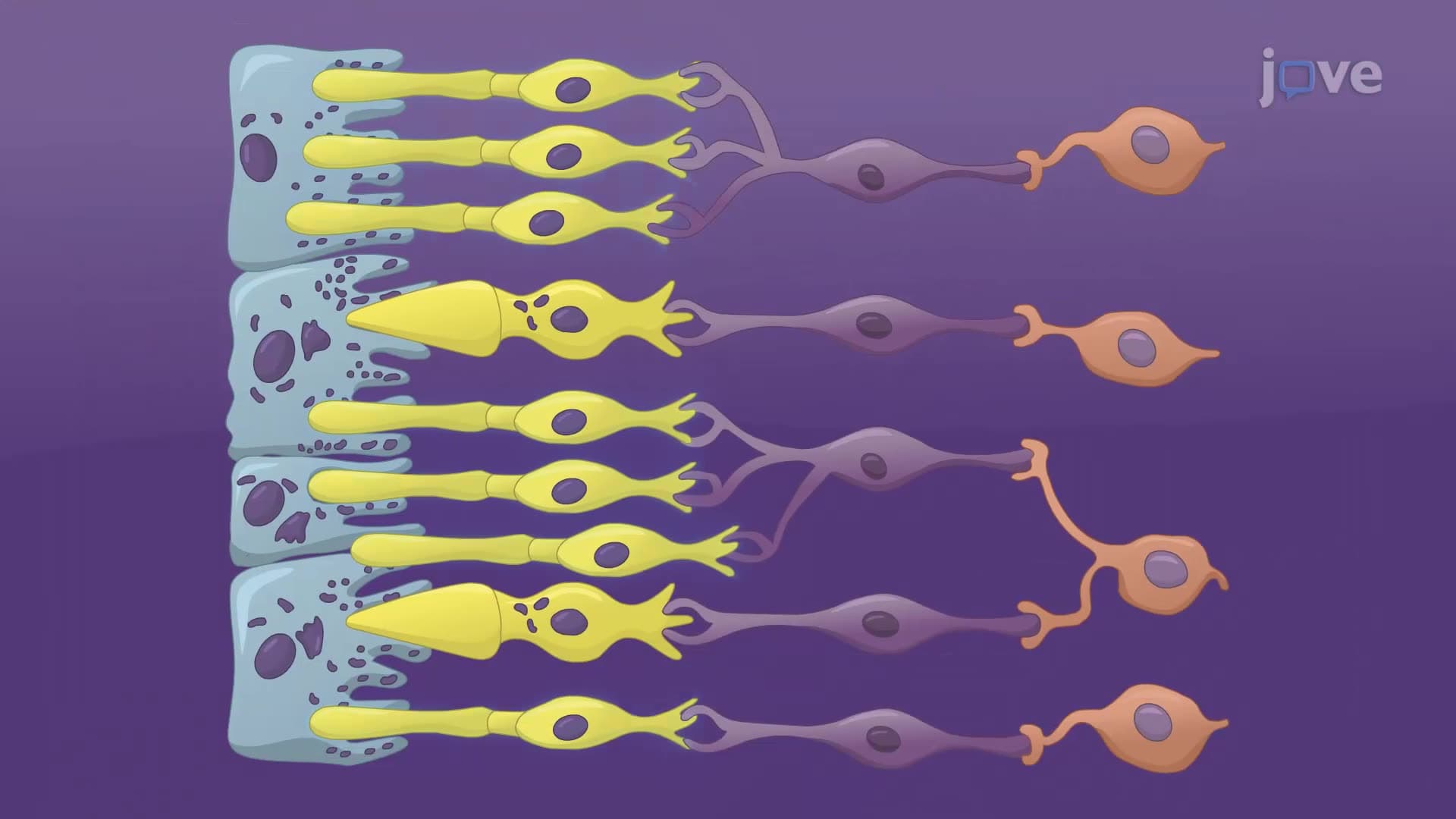
Research conducted at major US institutions like Stanford University and MIT has revealed that visual parallel processing operates through two primary streams. The dorsal stream, often called the "where/how" pathway, rapidly processes spatial information and movement detection. This system proves crucial when a student walking across a university campus peripherally detects an approaching campus shuttle bus. The ventral stream, known as the "what" pathway, handles detailed object recognition and identification, allowing students to distinguish between their psychology textbook and chemistry manual on a cluttered desk.
Pain perception exemplifies parallel processing excellence, with nociceptive signals traveling through multiple pathways simultaneously. The fast pathway carries sharp, immediate pain sensations through myelinated A-delta fibers, while the slow pathway transmits dull, aching pain through unmyelinated C fibers. When a nursing student accidentally pricks their finger during clinical practice, parallel processing enables immediate withdrawal (protective reflex), pain localization, emotional response, and memory formation to occur simultaneously. This multi-pathway system ensures comprehensive pain assessment and appropriate responses.
Understanding parallel processing proves vital for students pursuing healthcare careers, particularly those preparing for NCLEX, HESI A2, or TEAS examinations. Healthcare professionals rely on parallel processing when simultaneously monitoring patient vital signs, observing behavioral cues, and listening to patient complaints. Medical students studying for USMLE Step 1 must understand how parallel processing disruptions contribute to conditions like simultanagnosia, where patients cannot perceive multiple objects simultaneously despite intact individual object recognition. This knowledge becomes particularly relevant when studying stroke effects on visual processing streams.
Related Micro-courses