Loading subject page…


20,015 views


Video Summary: What Is Reinforcement
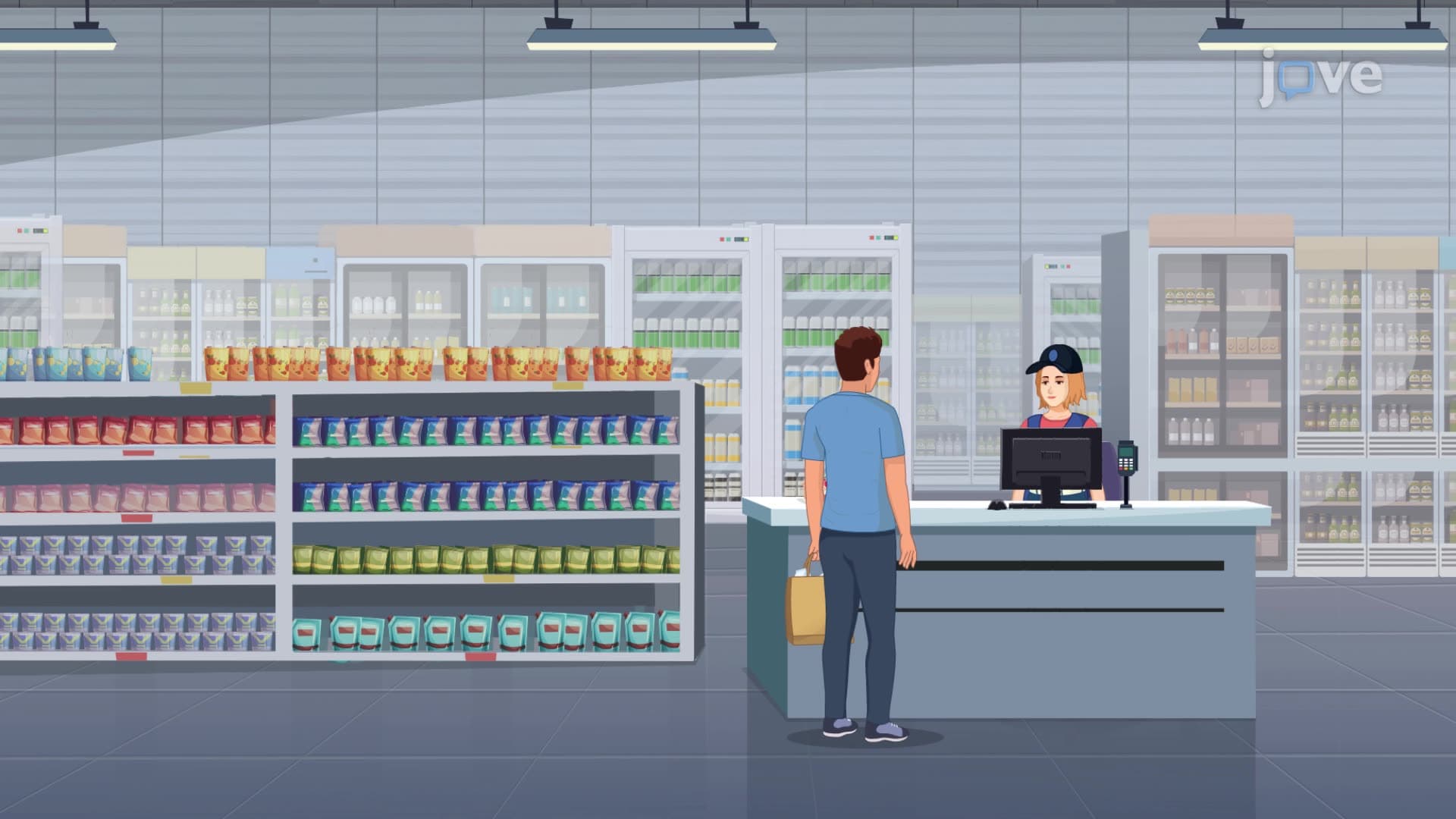
Did you know that your paycheck actually rewires your brain to show up to work every day? Avoidance learning and learned helplessness operate through reinforcement mechanisms that shape behavior in powerful ways. What is reinforcement reveals how positive reinforcement adds desirable outcomes (like bonuses for meeting deadlines), while negative reinforcement removes unpleasant situations (like reducing homework for active class participation). These principles drive everything from workplace productivity at companies like Google to student engagement in US classrooms. Watch the full video on JoVE Coach to master this concept with expert-led visuals and step-by-step explanations.
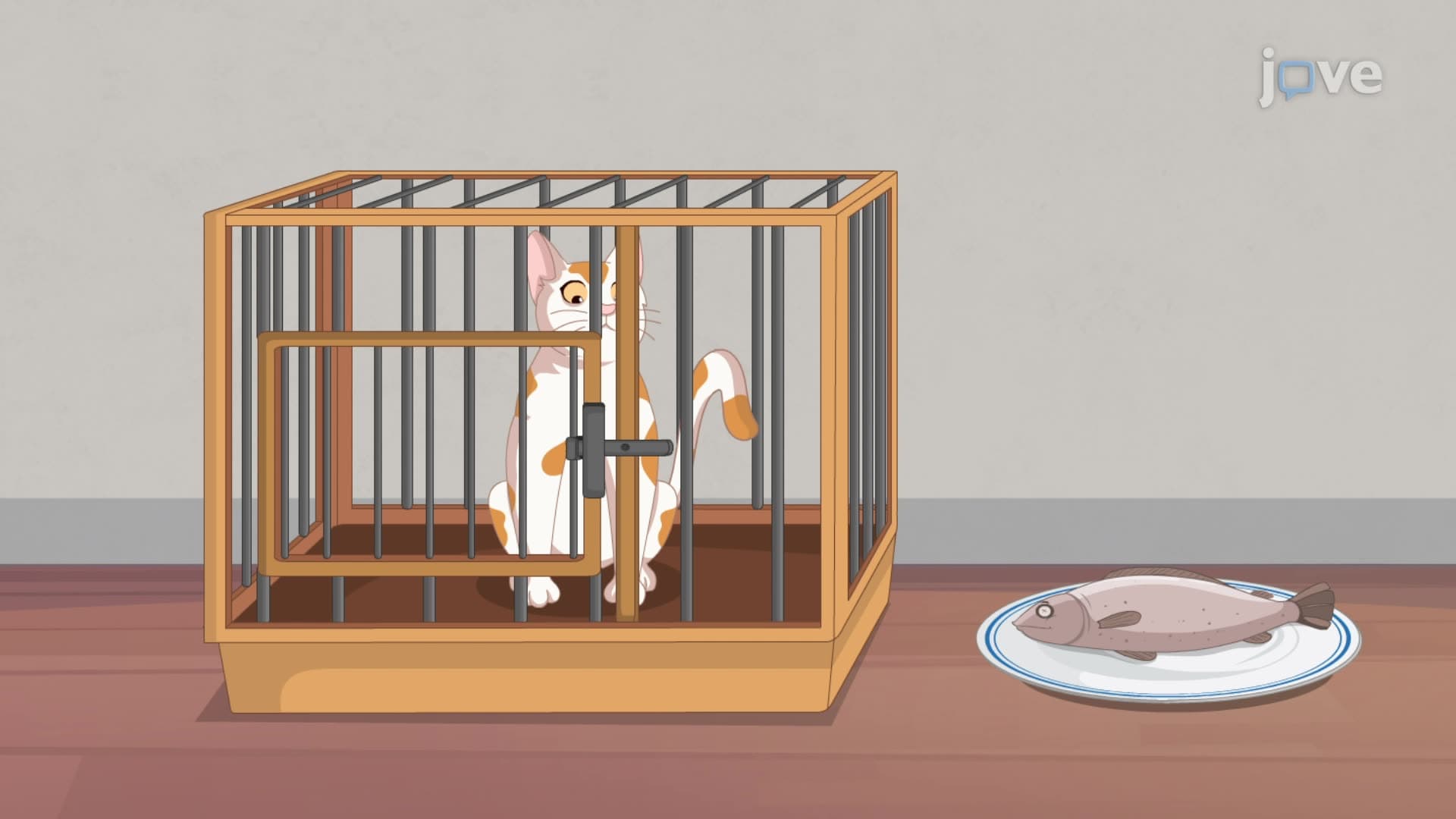
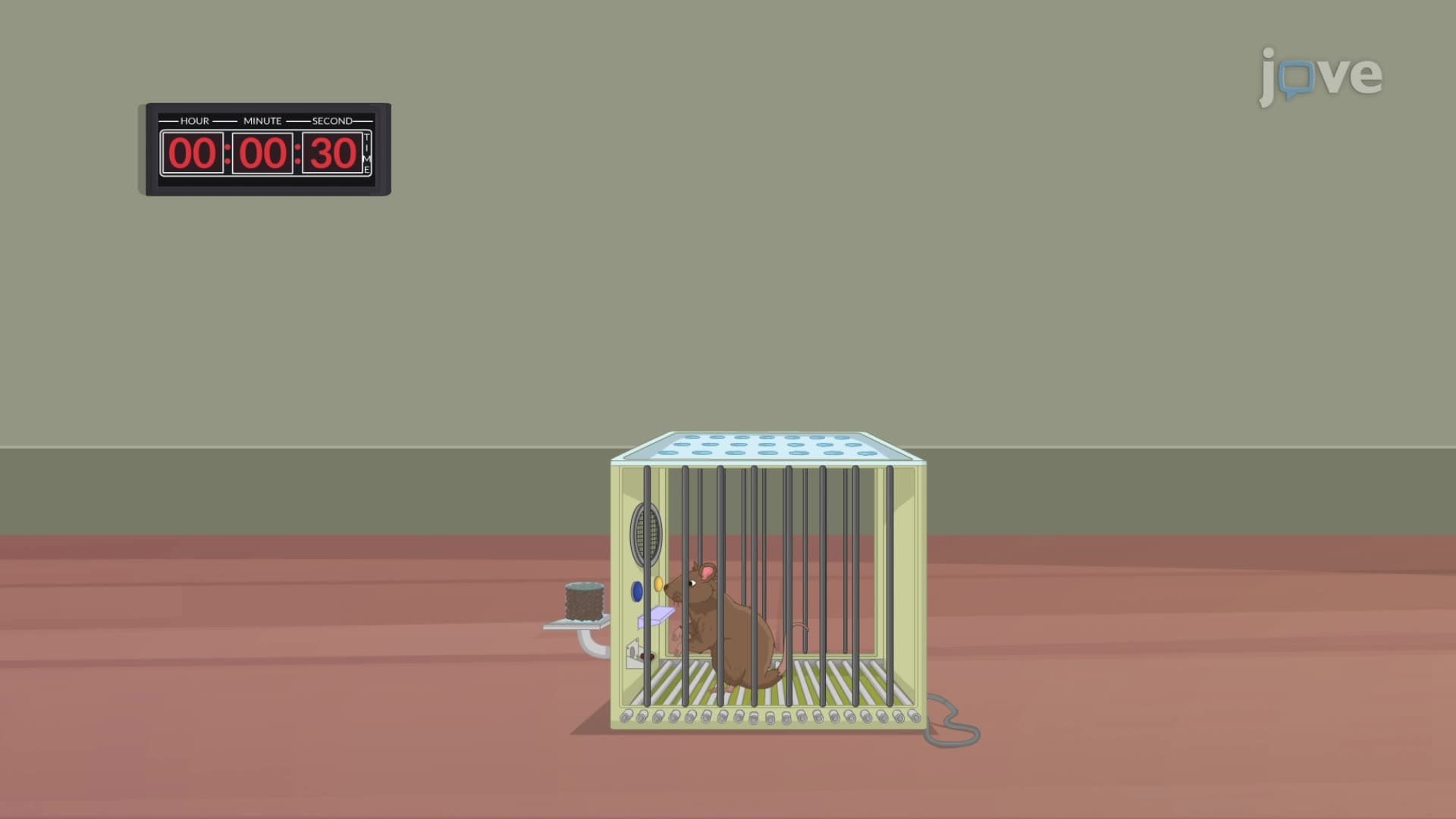
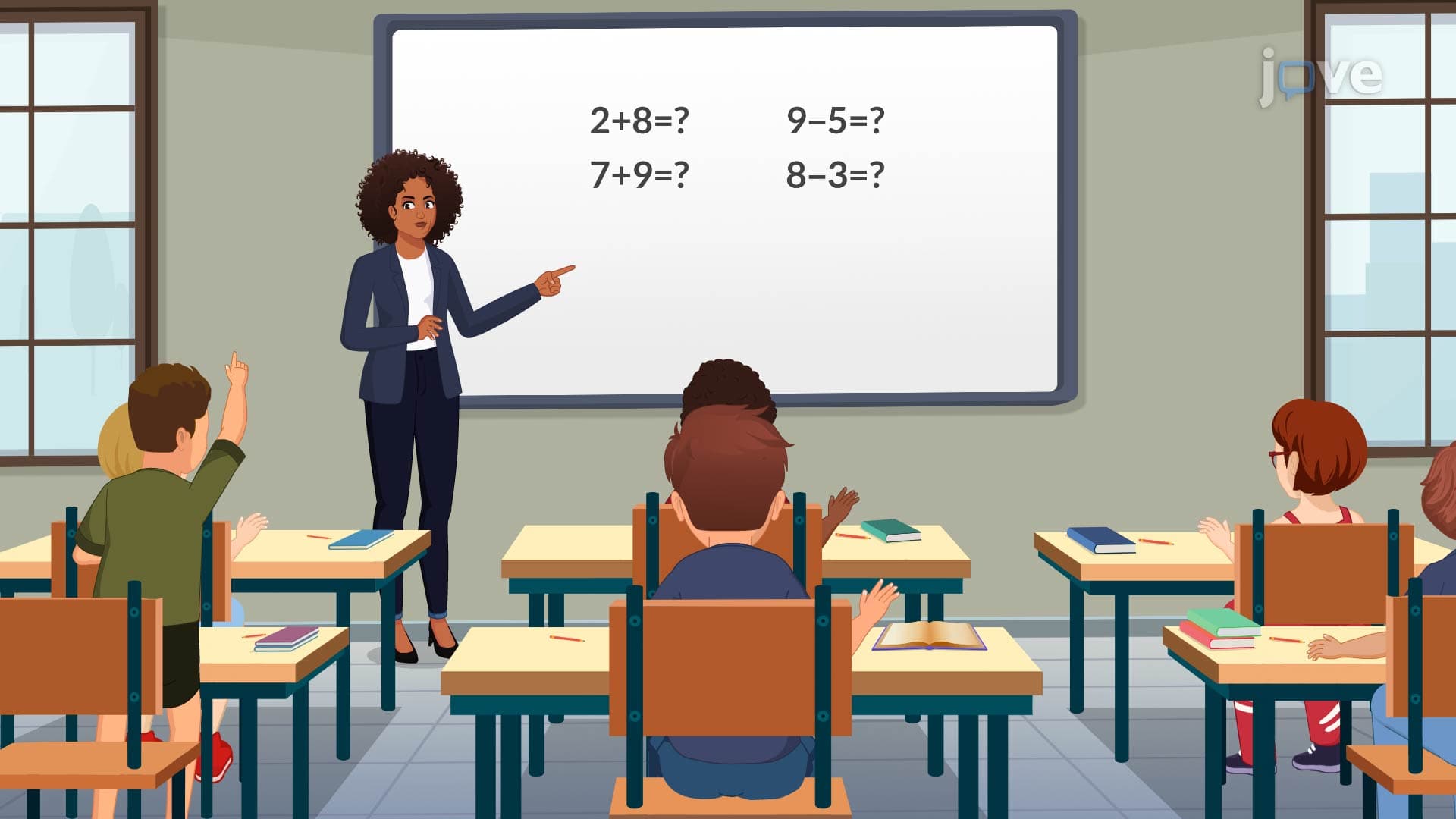
What is reinforcement forms the foundation of operant conditioning, a learning theory developed by B.F. Skinner that explains how consequences shape behavior. Reinforcement increases the likelihood that a behavior will be repeated, operating through two distinct mechanisms. Positive reinforcement adds something desirable after a behavior occurs-like receiving praise from a teacher after answering correctly or earning commission bonuses for sales performance. Negative reinforcement removes something unpleasant-such as canceling a pop quiz when students demonstrate preparedness or eliminating overtime requirements when productivity targets are met.
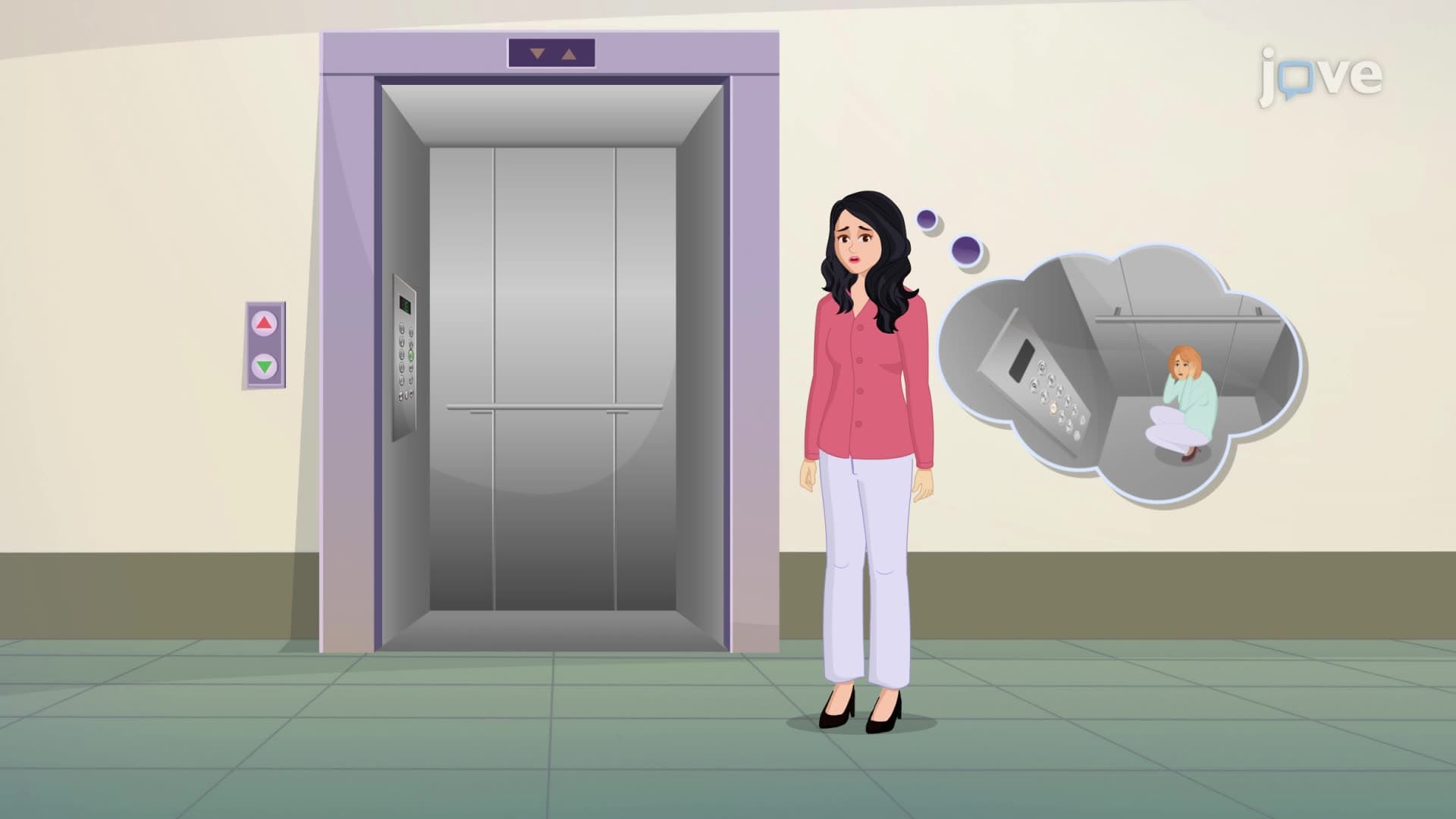
Avoidance learning and learned helplessness represent crucial applications of reinforcement principles in real-world scenarios. Avoidance learning occurs when individuals learn to prevent unpleasant experiences through specific behaviors. For instance, students at UCLA might consistently complete assignments early to avoid the stress of last-minute deadlines, or healthcare workers might follow strict safety protocols to prevent workplace injuries. This concept frequently appears on AP Psychology exams and MCAT behavioral science sections, where students must identify scenarios demonstrating avoidance conditioning versus escape conditioning.
American educational institutions extensively utilize reinforcement principles to enhance learning outcomes. Merit-based scholarship programs at universities like Stanford demonstrate positive reinforcement on a large scale, encouraging academic excellence through financial rewards. Conversely, policies allowing students to drop their lowest test score exemplify negative reinforcement-removing the penalty of a poor grade to encourage continued effort throughout the semester. These avoidance learning and learned helplessness tutorial concepts help educators understand why some students thrive under pressure while others become discouraged and stop trying entirely.
Skinner's teaching machine concept has evolved into sophisticated educational platforms used across US colleges and high schools. Modern applications include adaptive learning software that provides immediate feedback, gamified learning platforms that reward progress with badges and points, and AI-powered tutoring systems that adjust difficulty based on student performance. Understanding how avoidance learning and learned helplessness works in digital environments helps students and educators optimize learning experiences, particularly relevant for standardized test preparation including SAT, ACT, and AP examinations where immediate feedback significantly impacts retention and performance.
Related Micro-courses