Loading video…


 25 Concepts
 20K views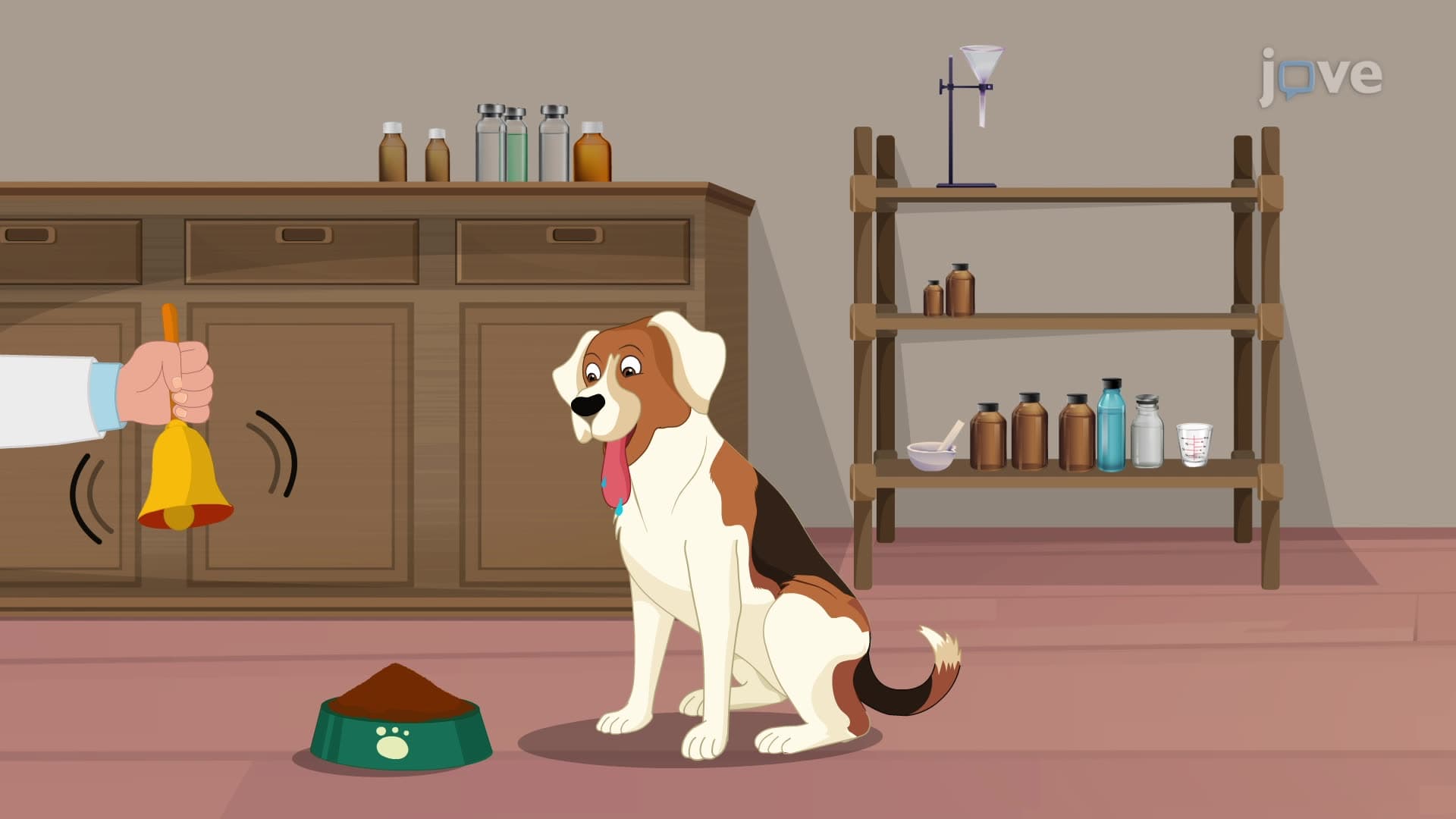

Video Summary: Classical Conditioning Principles and Learning Mechanisms
Ever wonder why hearing your favorite restaurant's jingle makes your mouth water? The principles of classical conditioning explain how our brains create these automatic responses through simple associations. Just like students at Stanford University who now salivate when they hear the campus dining hall bell, Ivan Pavlov's groundbreaking research revealed how neutral stimuli can trigger powerful learned behaviors. His experiments with dogs established the fundamental framework for understanding how Classical Conditioning: Principles and Learning Mechanisms shape both human and animal behavior. Watch the full video on JoVE Coach to master this concept with expert-led visuals and step-by-step explanations.
Classical conditioning represents one of psychology's most fundamental learning theories, explaining how organisms develop automatic responses to previously neutral environmental cues. This learning mechanism operates through the formation of associations between stimuli, creating predictable behavioral patterns that persist long after initial training.
The principles of classical conditioning center on four essential elements that work together to create learned responses. The unconditioned stimulus (UCS) naturally triggers an automatic reaction-like how the smell of fresh pizza naturally makes most people salivate. The unconditioned response (UCR) is this natural, unlearned reaction. When researchers pair a neutral stimulus (like a specific ringtone) repeatedly with the UCS, that neutral stimulus becomes a conditioned stimulus (CS). Eventually, the CS alone produces a conditioned response (CR)-a learned version of the original reaction.
The effectiveness of classical conditioning depends heavily on timing and repetition. Understanding principles of classical conditioning requires recognizing that the neutral stimulus must consistently precede or accompany the unconditioned stimulus. For example, advertising agencies exploit this principle when they repeatedly pair upbeat music with their products, eventually making consumers feel positive emotions simply upon hearing that music. The acquisition phase involves repeated pairings until the association strengthens, while extinction occurs when the conditioned stimulus appears without the unconditioned stimulus over time.
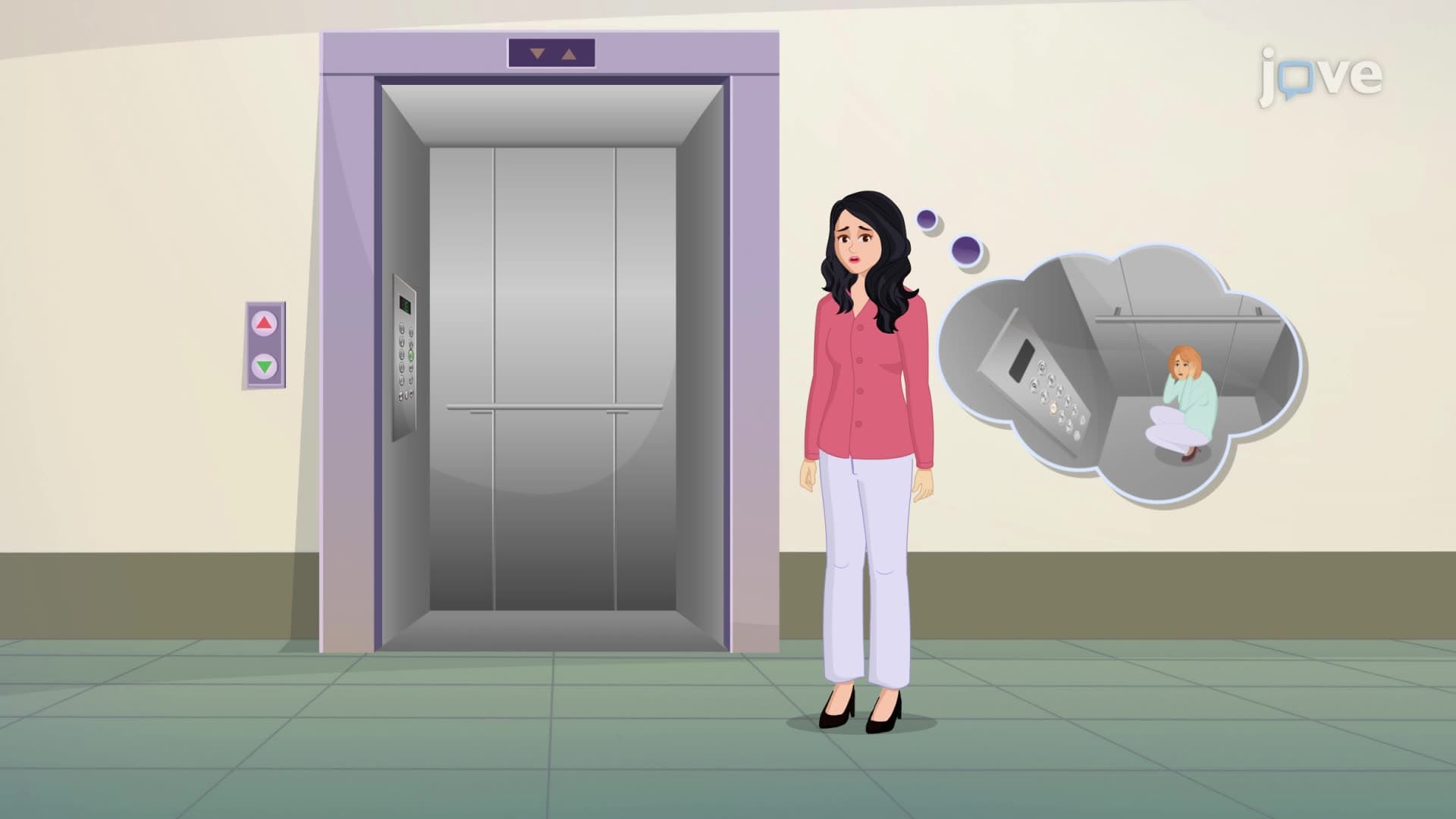
Students preparing for AP Psychology or college-level courses encounter classical conditioning in multiple contexts. Types of principles of classical conditioning appear in therapeutic approaches like systematic desensitization, where psychologists help patients overcome phobias by gradually pairing feared objects with relaxation techniques. In educational psychology, teachers apply these principles when creating positive classroom environments-associating learning activities with rewarding experiences to encourage student engagement. Medical students studying for the MCAT often encounter questions about how classical conditioning explains drug tolerance, where environmental cues associated with drug use can trigger physiological responses even before drug administration.
Related Micro-courses