Loading video…


 25 Concepts
 20K views

Video Summary: What Is Learning
Did you know that every time you practice a TikTok dance until you nail it, you're demonstrating associative learning in action? Associative learning occurs when your brain connects specific movements with muscle memory through repeated practice. Consider how American students master driving a car, initially fumbling with the steering wheel, but eventually developing smooth, automatic responses through consistent practice sessions. Understanding what is learning helps explain how we acquire everything from academic skills to social behaviors. Watch the full video on JoVE Coach to master this concept with expert-led visuals and step-by-step explanations.
Learning represents one of the most fundamental processes that distinguishes acquired behaviors from those we're born with. When we examine associative learning definition, we discover it involves forming connections between stimuli, responses, and outcomes that create lasting behavioral modifications. Unlike reflexes or instincts, learned behaviors require environmental interaction and practice to develop.
The associative learning concept becomes clearer when we consider how American high school students master complex skills. Take a student learning to play guitar in their school's music program, initially, finger placement feels awkward and chord transitions sound choppy. Through repeated practice sessions, their brain forms neural pathways that connect finger positions with specific sounds, eventually enabling smooth performance. This exemplifies how associative learning creates relatively permanent behavioral changes through experience.
Understanding associative learning requires distinguishing it from innate behaviors. Reflexes represent the simplest automatic responses, when a doctor taps your knee during a physical exam, your leg kicks involuntarily through spinal cord circuits, bypassing conscious thought. These responses protect us instantly, like blinking when dust approaches our eyes.
Instinctual behaviors involve more complex, whole-body responses controlled by higher brain regions. American infants demonstrate remarkable instincts, they naturally root for their mother's breast and know how to suckle without instruction. These behaviors may evolve with maturation but don't require learning through associative processes.
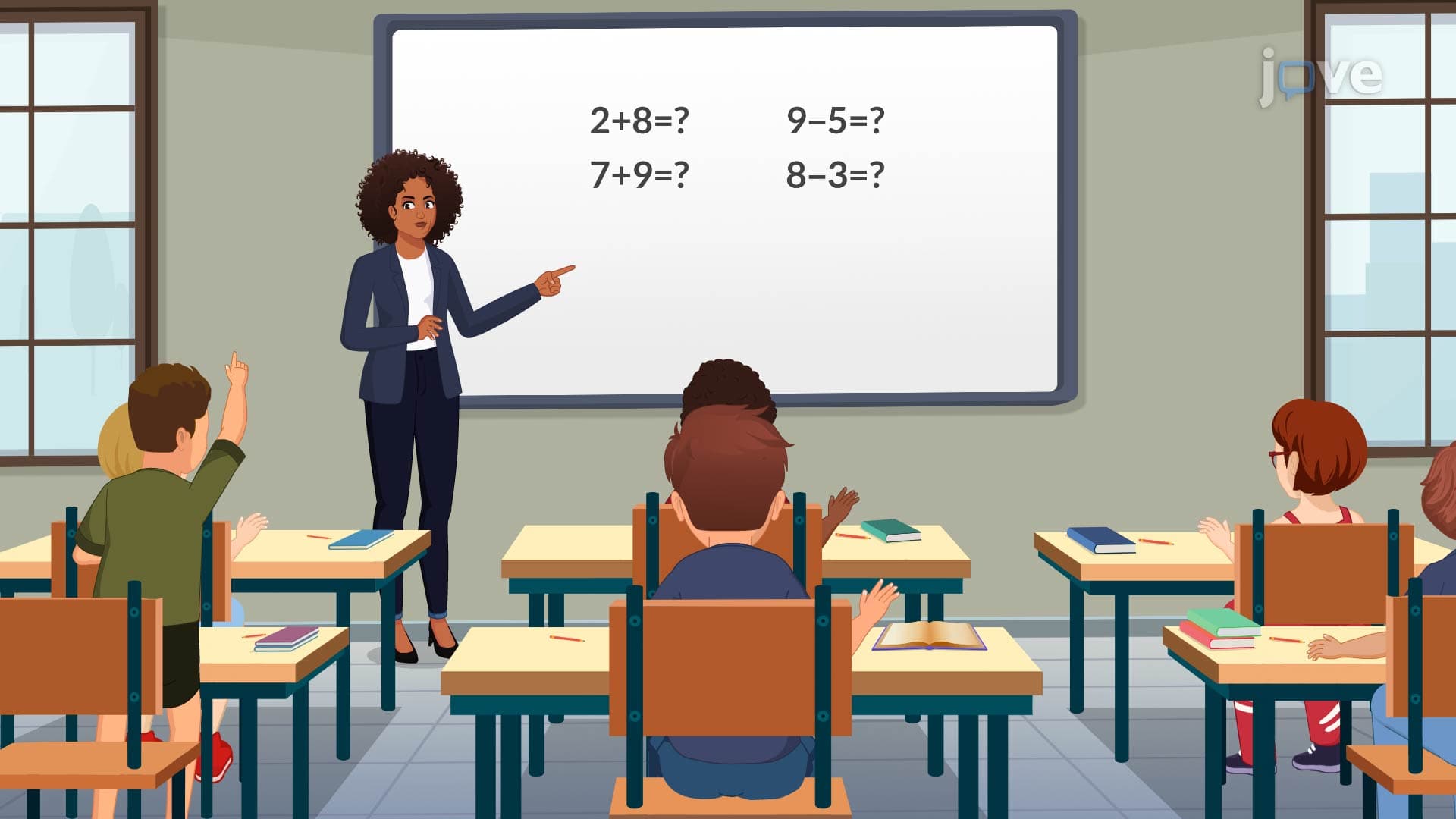
The associative learning overview reveals its crucial role in educational success. When students prepare for standardized tests like the SAT or AP Psychology exam, they use associative learning principles. Repeatedly practicing math problems creates associations between problem types and solution strategies. Similarly, memorizing vocabulary words involves linking definitions with terms through spaced repetition.
Consider how associative learning basics apply in American high schools. Student athletes learning basketball shots associate specific body positions with successful baskets. Drama students connect emotional memories with character portrayals. Even social learning occurs through association, students observe which behaviors lead to peer acceptance and adjust accordingly.
For students tackling psychology courses or preparing for pre-med requirements, understanding associative learning proves essential. The MCAT frequently tests these concepts, particularly in behavioral science sections. College-level courses explore how associative learning underlies everything from addiction formation to therapeutic interventions.
This knowledge helps explain common student experiences: why cramming before exams produces temporary learning while distributed practice creates lasting retention, or how study groups enhance learning through social and environmental associations. Mastering these principles provides both academic advantages and practical life skills for navigating complex learning environments.
Related Micro-courses