Loading subject page…

- Introduction to Psychology
- Personality
- The Behavioral Perspective on Personality
Micro-course: Personality
44,088 views
Learn key concepts and earn your certificate.





















The Behavioral Perspective on Personality


00:00
01:19
Video Summary: The Behavioral Perspective on Personality Explained
Why do some students procrastinate while others maintain strict study schedules? The social cognitive perspective on personality reveals that our behaviors aren't random choices but products of environmental reinforcement and consequences. Unlike the traditional belief in free will, The Behavioral Perspective On Personality Explained shows how unconscious environmental triggers-like background music affecting your mood or peer interruptions breaking concentration-shape our daily actions. Watch the full video on JoVE Coach to master this concept with expert-led visuals and step-by-step explanations.
- Understand The Behavioral Perspective On Personality Explained and how environmental factors override perceived free will in shaping behavior patterns
- Identify the two primary influences radical behaviorists recognize: genetic predispositions and environmental contingencies including reinforcers and punishers
- Analyze how determinism parallels psychoanalytic theory in viewing human actions as products of prior causal factors rather than conscious choice
- Compare conscious decision-making with unconscious behavioral responses to immediate environmental stimuli and situational triggers
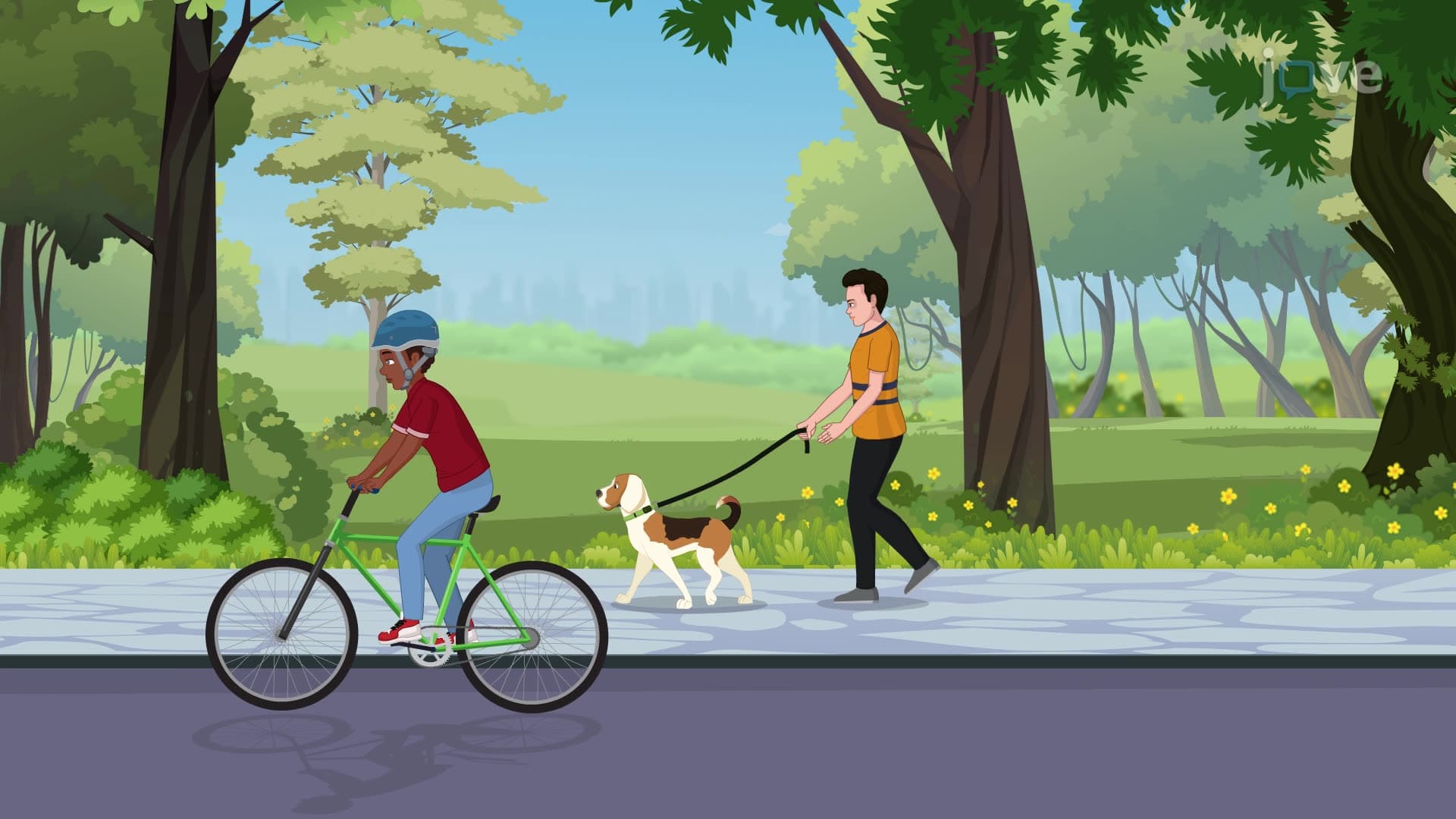
- Evaluate real-world examples of environmental influence, such as productivity changes in different physical settings or social contexts
- Apply behavioral perspective principles to recognize how reinforcement schedules affect personality development and behavioral consistency
- Recognize the illusion of control individuals experience while remaining unaware of external factors driving their behavioral choices
- Explore practical applications of behavioral personality theory in educational settings, workplace environments, and therapeutic interventions
Understanding The Behavioral Perspective On Personality Explained
The social cognitive perspective on personality fundamentally challenges our intuitive understanding of human behavior. Rather than viewing personality as fixed internal traits, this approach emphasizes how environmental factors continuously shape and modify our behavioral patterns. This perspective proves particularly relevant for AP Psychology students and college undergraduates studying personality theory, as it bridges observable behavior with underlying psychological mechanisms.
Environmental Determinism vs. Free Will
Radical behaviorists like B.F. Skinner argue that free will represents an illusion masking the true environmental controls over behavior. Consider a UCLA student who believes they chose to study in the library versus their dorm room. The social cognitive perspective on personality tutorial would reveal how environmental reinforcers-quieter surroundings, fewer distractions, social modeling from other studious peers-actually determined this "choice." This deterministic view parallels psychoanalytic theory's emphasis on unconscious influences, though behaviorists focus on external rather than internal unconscious forces.
Reinforcement and Personality Development
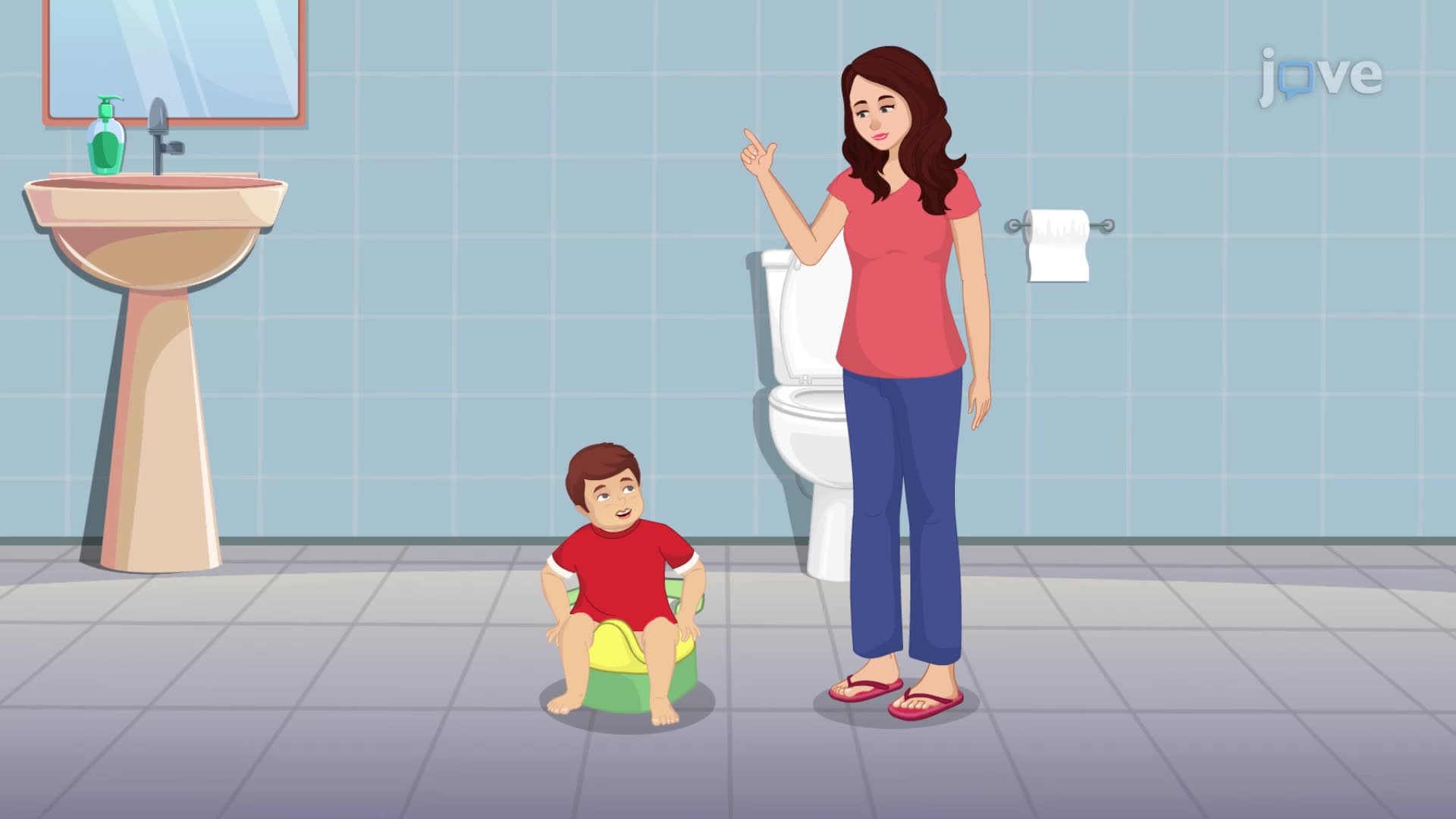
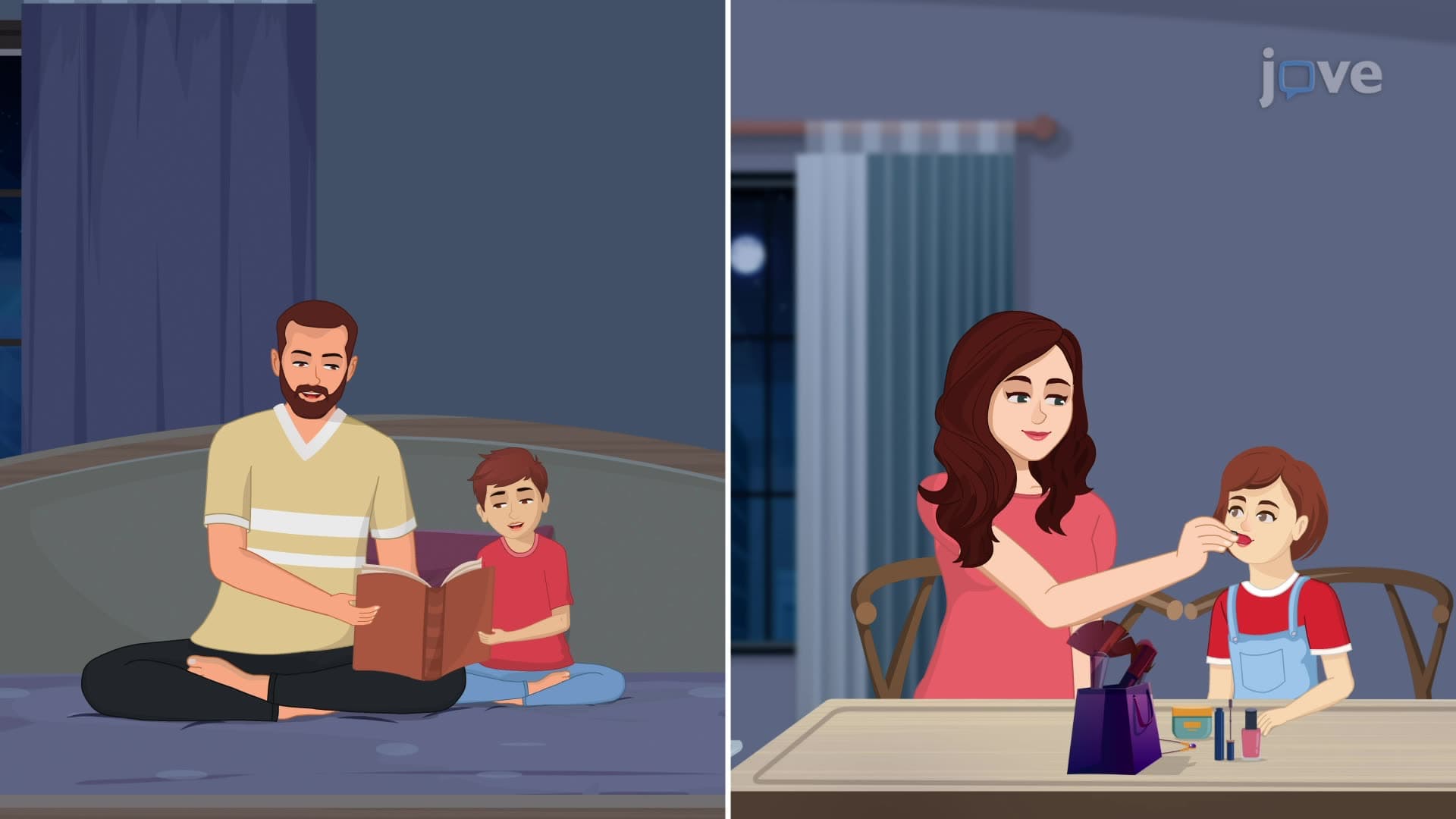
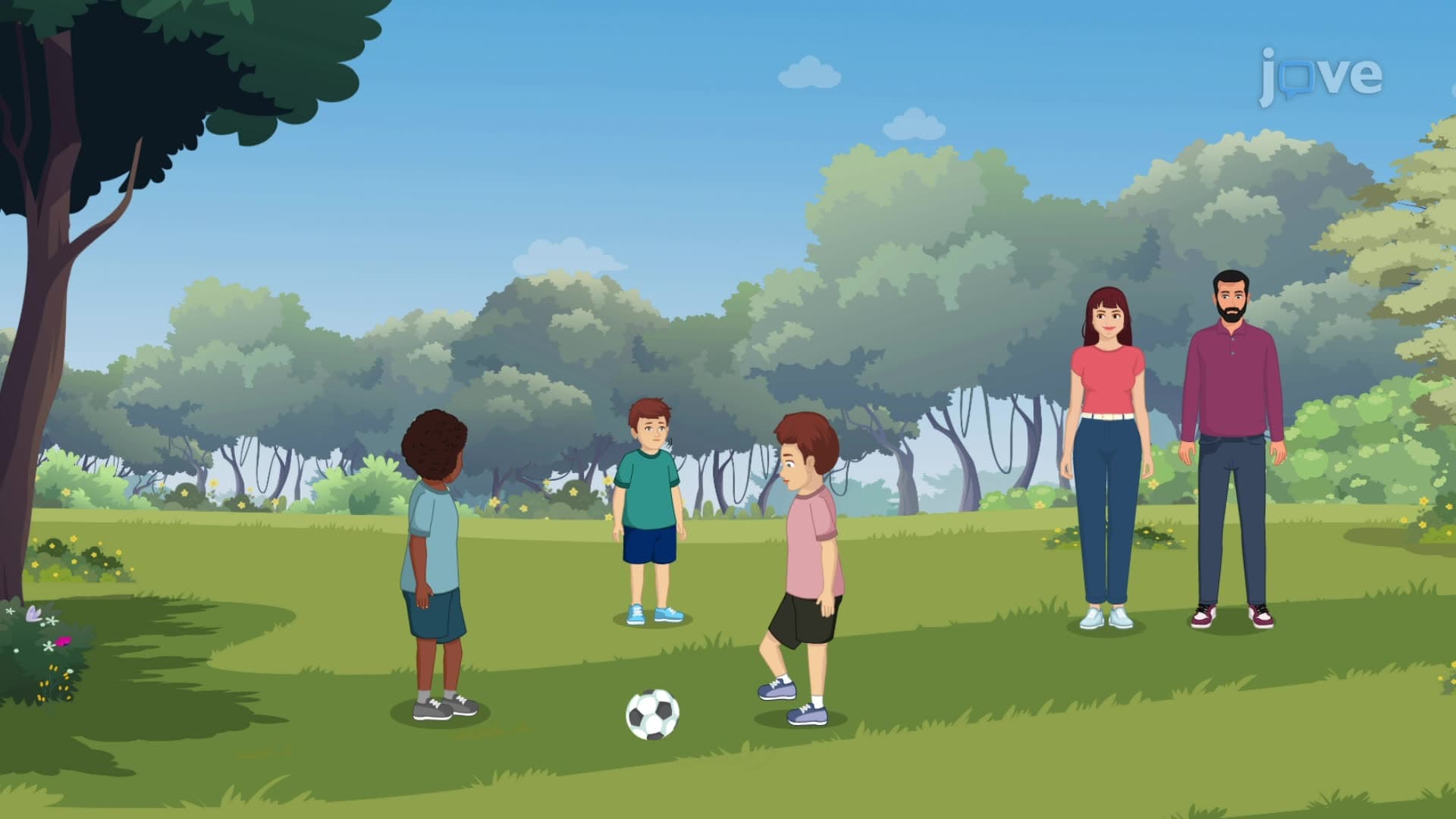
How social cognitive perspective on personality works becomes clearer when examining reinforcement patterns. A high school student in Chicago might develop an "outgoing personality" not through inherent traits, but because social interactions consistently produce positive reinforcement-laughter from peers, attention from teachers, invitations to social events. Conversely, a student experiencing social punishment (rejection, ridicule) might develop more withdrawn behavioral patterns. These reinforcement histories accumulate to create what we perceive as stable personality characteristics.
Unconscious Environmental Influences
The social cognitive perspective on personality concept emphasizes how environmental triggers operate below conscious awareness. Research demonstrates that students perform differently on standardized tests like the SAT depending on subtle environmental factors: room temperature, background noise, even the presence of certain colors. A student might attribute improved focus to "being in the zone," while behaviorists would identify specific environmental contingencies-perhaps unconscious classical conditioning to particular study locations or times of day.
Understanding social cognitive perspective on personality proves essential for MCAT preparation, particularly in psychology and sociology sections addressing behavior modification and environmental psychology. This knowledge also supports practical applications in educational settings, where teachers can design environments that reinforce desired learning behaviors rather than relying solely on student motivation or willpower.
Frequently Asked Questions
The Behavioral Perspective On Personality Explained focuses on how environmental reinforcement and consequences shape consistent behavior patterns we call "personality." Unlike trait theories that view personality as internal, stable characteristics, this perspective emphasizes external environmental factors. Behaviorists argue that what appears as personality traits actually represents learned responses to specific environmental contingencies and reinforcement schedules.
AP Psychology frequently tests this concept through free-response questions about personality development and behavior modification. Students must distinguish between behavioral, psychoanalytic, and humanistic approaches to personality. Expect multiple-choice questions comparing deterministic vs. free will perspectives, and be prepared to analyze case studies showing environmental influences on behavior patterns.
Absolutely-this concept appears regularly in MCAT Psychological, Social, and Biological Foundations sections. You'll encounter passages analyzing behavior modification, environmental psychology, and social learning theory. The MCAT emphasizes practical applications, so focus on how environmental reinforcement shapes behaviors in clinical, educational, and social contexts rather than just memorizing theoretical definitions.
Recognize how your study environment affects academic performance-library vs. dorm productivity, study group dynamics, or procrastination patterns. Notice unconscious environmental triggers: background music influencing mood, social pressures affecting course selection, or physical space impacting focus. This awareness helps optimize your learning environment and understand your behavioral patterns beyond simple willpower explanations.
Not at all-this perspective actually offers intuitive explanations for everyday behaviors most students already observe. The challenge lies in shifting from "personality traits" thinking to "environmental influence" analysis. Start with obvious examples like peer pressure affecting behavior, then progress to subtler environmental factors. The concept becomes clearer when applied to familiar situations rather than abstract theoretical discussions.
Create real-world examples connecting behavioral principles to your daily experiences-how different environments affect your productivity, social behaviors, or decision-making patterns. Practice identifying reinforcement vs. punishment in case studies, and distinguish between conscious choices and unconscious environmental influences. For multiple-choice preparation, focus on comparing behavioral perspectives with psychoanalytic, humanistic, and trait approaches to personality development.
This perspective links directly to operant conditioning, social learning theory, and behavior modification techniques. Explore Albert Bandura's social cognitive theory, which bridges behavioral and cognitive approaches. Study applications in clinical psychology, educational psychology, and organizational behavior. Understanding these connections prepares you for advanced coursework in abnormal psychology, developmental psychology, and research methods where environmental factors play crucial explanatory roles.
Related Micro-courses

30 Concepts

20 Concepts

35 Concepts