Loading subject page…


44,088 views
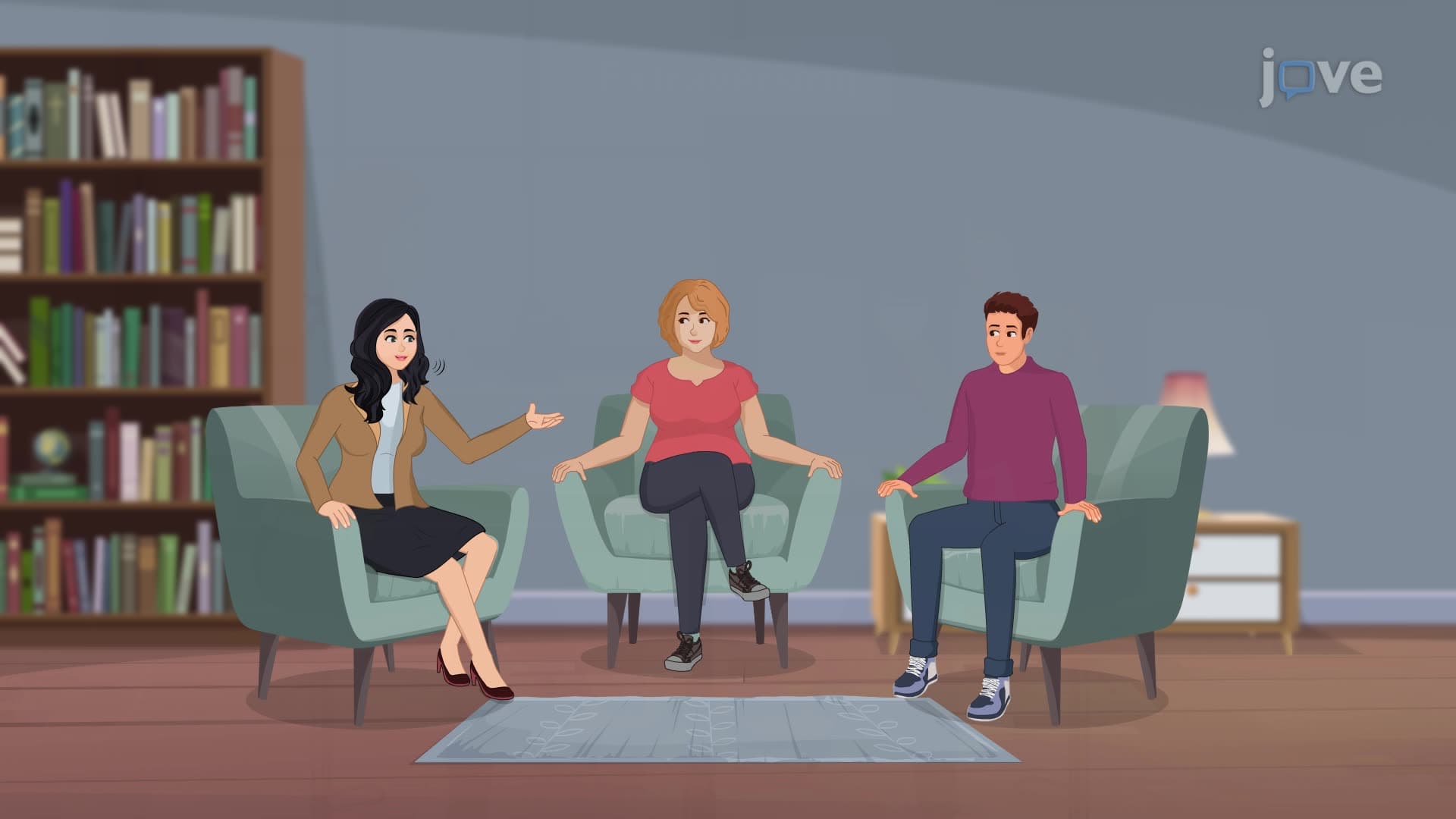

Video Summary: Traits Mood and Subjective Wellbeing Explained
Ever wonder why your naturally outgoing friend seems happy even during stressful exam periods while others struggle more with mood changes? Understanding traits and states reveals how personality characteristics like extraversion and neuroticism directly influence our emotional experiences and overall life satisfaction. Research from Stanford University shows that extroverts maintain higher happiness levels regardless of their social activity, challenging common assumptions about what drives wellbeing. Traits Mood And Subjective Wellbeing Explained demonstrates these fascinating psychological connections through evidence-based examples. Watch the full video on JoVE Coach to master this concept with expert-led visuals and step-by-step explanations.
The relationship between personality traits and emotional wellbeing represents one of psychology's most robust findings. Traits and states definition distinguishes between enduring personality characteristics (traits) that remain stable across time and situations, versus temporary emotional experiences (states) that fluctuate based on circumstances. This distinction proves crucial for understanding why some individuals consistently experience higher levels of happiness and life satisfaction.
Neuroticism, one of the "Big Five" personality dimensions, consistently predicts increased susceptibility to negative emotions like anxiety, depression, and stress. Research from the University of California system demonstrates that individuals scoring high on neuroticism measures experience both more frequent and more intense negative emotional states. This traits and states overview reveals how neurotic individuals show greater emotional reactivity to daily stressors-from academic pressures to relationship conflicts-compared to their emotionally stable counterparts.
For students preparing for AP Psychology or college-level courses, understanding this connection helps explain individual differences in stress management. Consider two high school students facing SAT preparation: the neurotic student may experience heightened anxiety, rumination, and mood swings, while the emotionally stable student maintains more consistent emotional equilibrium throughout the challenging process.
Perhaps more surprising is extraversion's robust relationship with positive emotions and life satisfaction. The traits and states concept demonstrates that extroverts don't simply appear happier because they socialize more-they actually experience genuine positive emotions at higher frequencies and intensities. Harvard Medical School research confirms that extroverts report greater happiness even during solitary activities like studying or exercising alone.
This finding challenges the common assumption that extroverts need social stimulation for happiness. Instead, extraversion appears linked to fundamental differences in emotional processing and reward sensitivity. Extroverts show enhanced responsiveness to positive stimuli and maintain more optimistic cognitive styles, contributing to their overall wellbeing advantage.
Understanding traits and states basics proves essential for students pursuing psychology, pre-med, or social science tracks. MCAT questions frequently test knowledge of personality-emotion relationships, while AP Psychology examinations emphasize trait theory applications. College courses in abnormal psychology, social psychology, and research methods build extensively on these foundational concepts.
The traits and states study guide approach should emphasize practical recognition: identifying how personality traits manifest in daily emotional experiences, predicting individual differences in stress responses, and understanding why certain therapeutic interventions work better for specific personality types.
Related Micro-courses