Loading video…

 24 Concepts
 2.9K views

Video Summary: What Is the Consumption Function
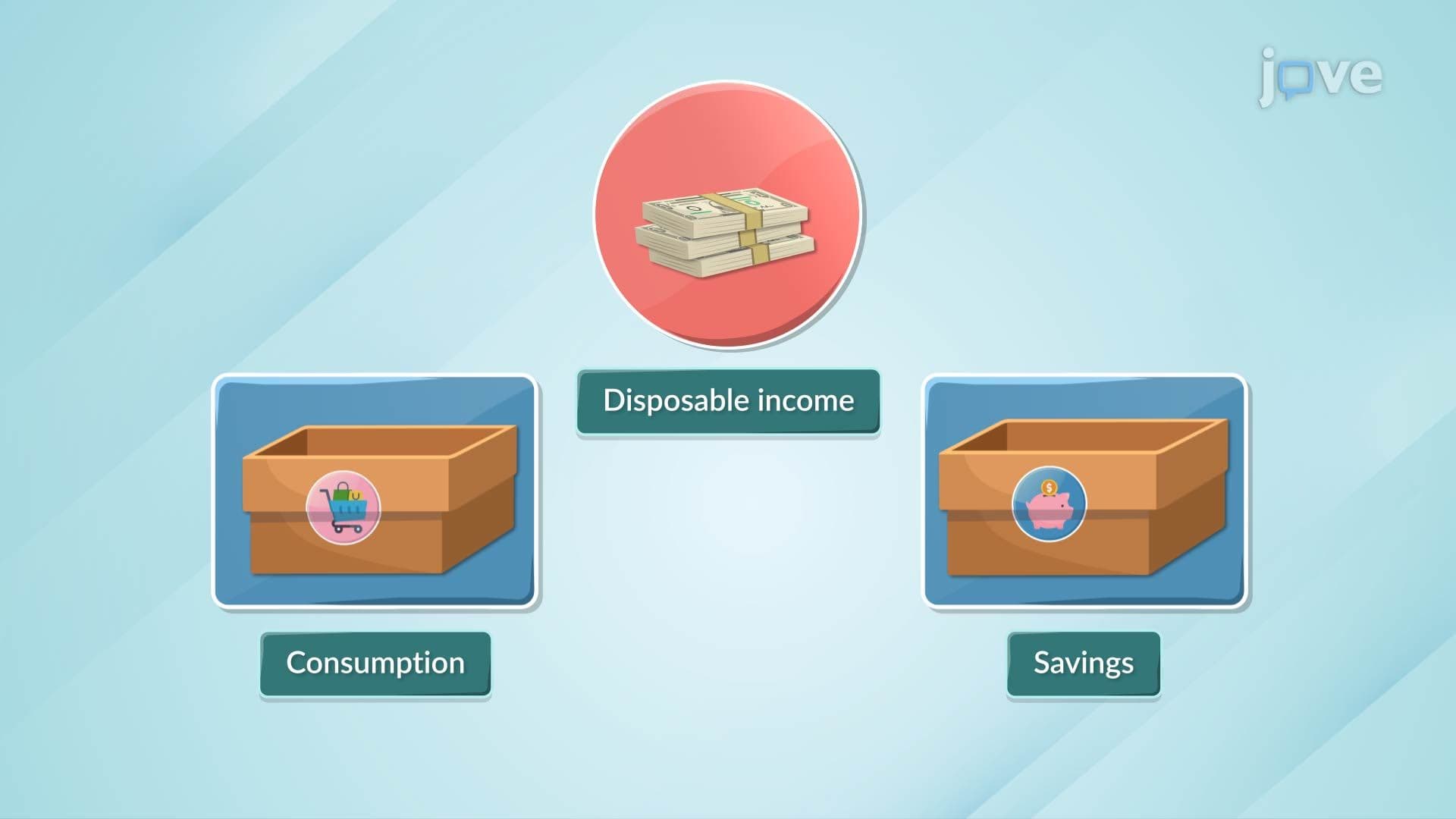
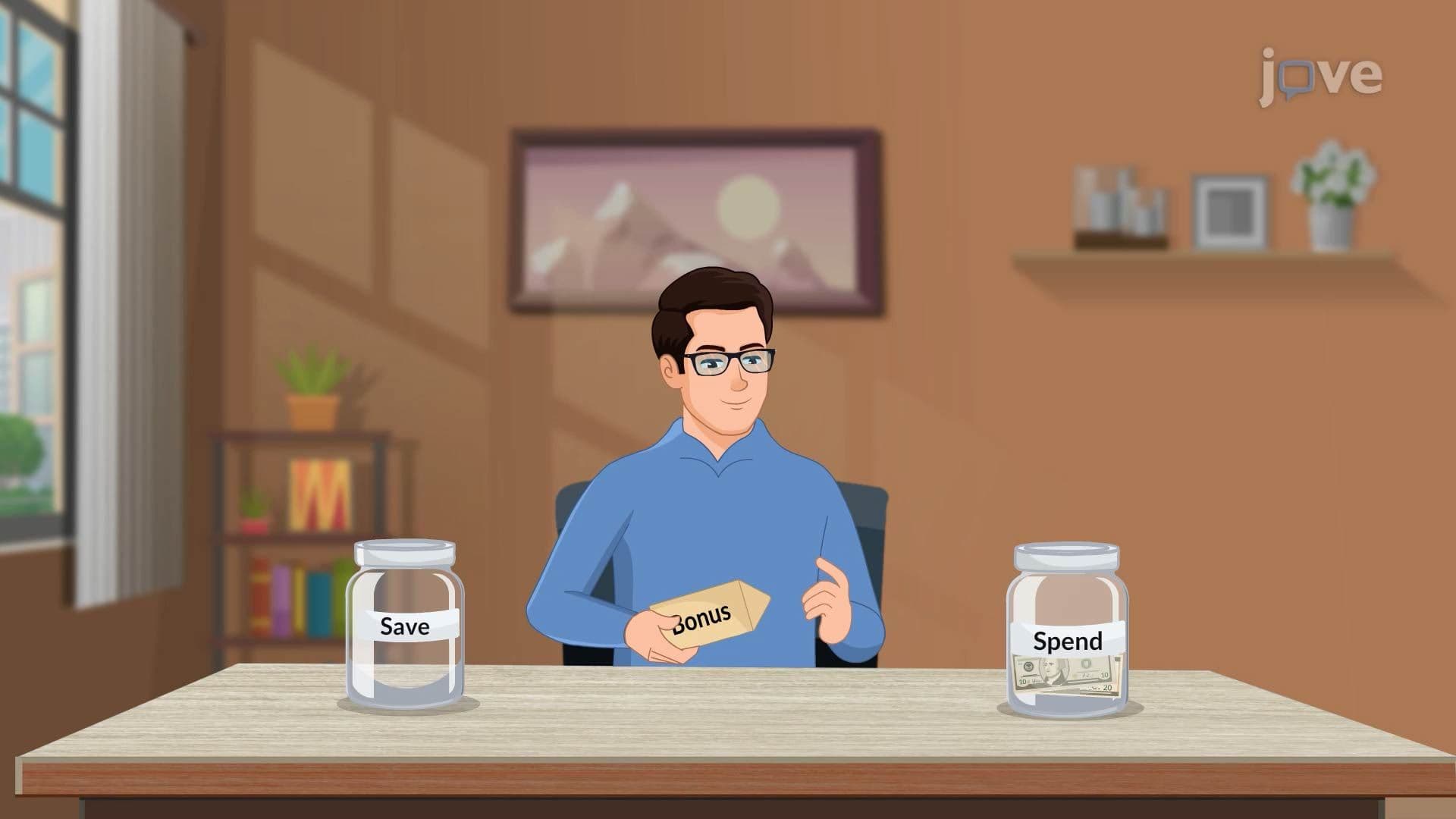
Did you know that American families spend about 68% of their income even during recessions? The consumption function reveals this predictable relationship between how much money households earn and how much they spend on goods and services. For instance, when a typical US family receives a $1,000 tax refund, they might spend $750 of it immediately while saving the rest. This economic principle helps explain consumer behavior patterns that drive nearly 70% of America's GDP. Watch the full video on JoVE Coach to master this concept with expert-led visuals and step-by-step explanations.
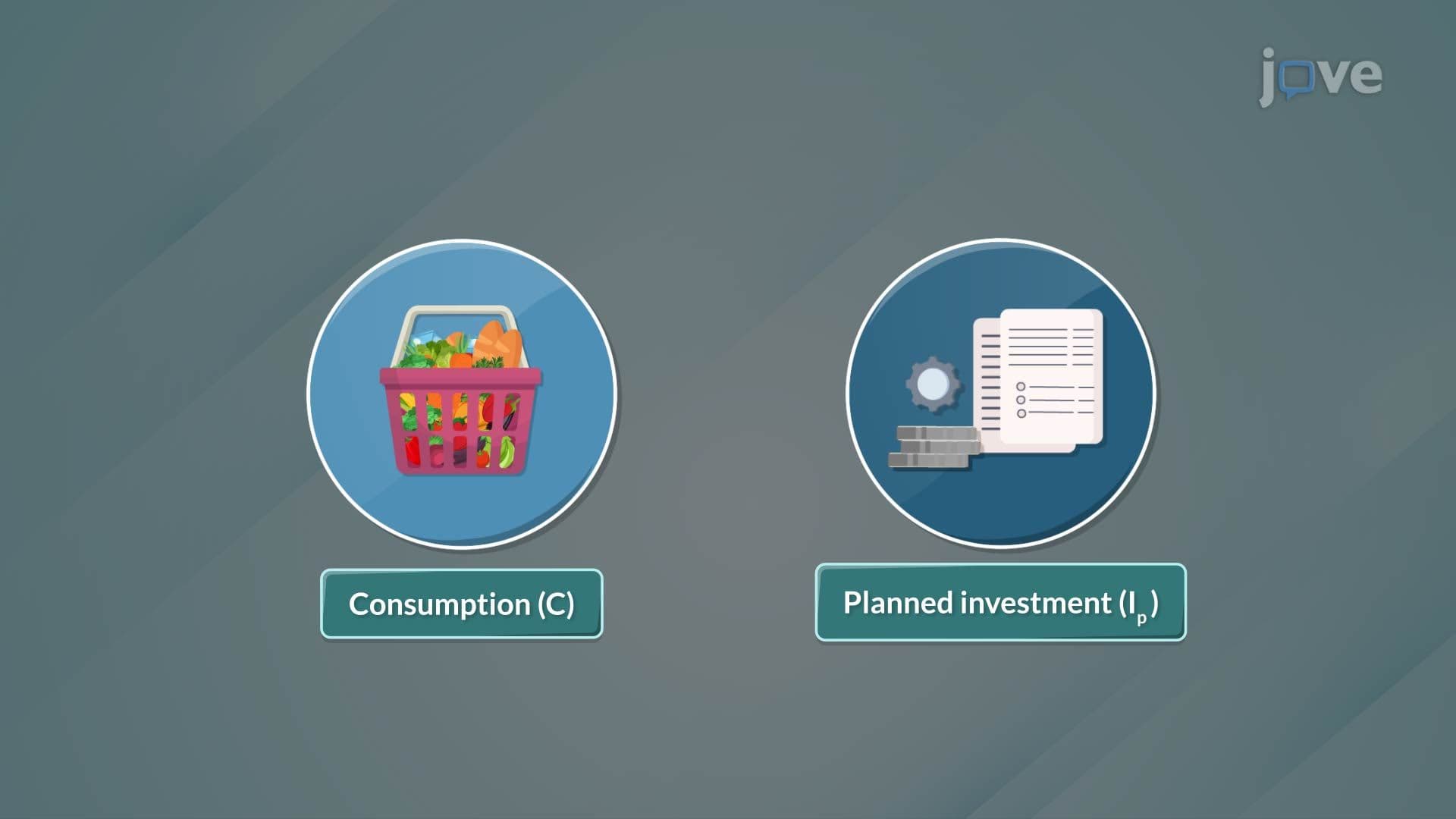
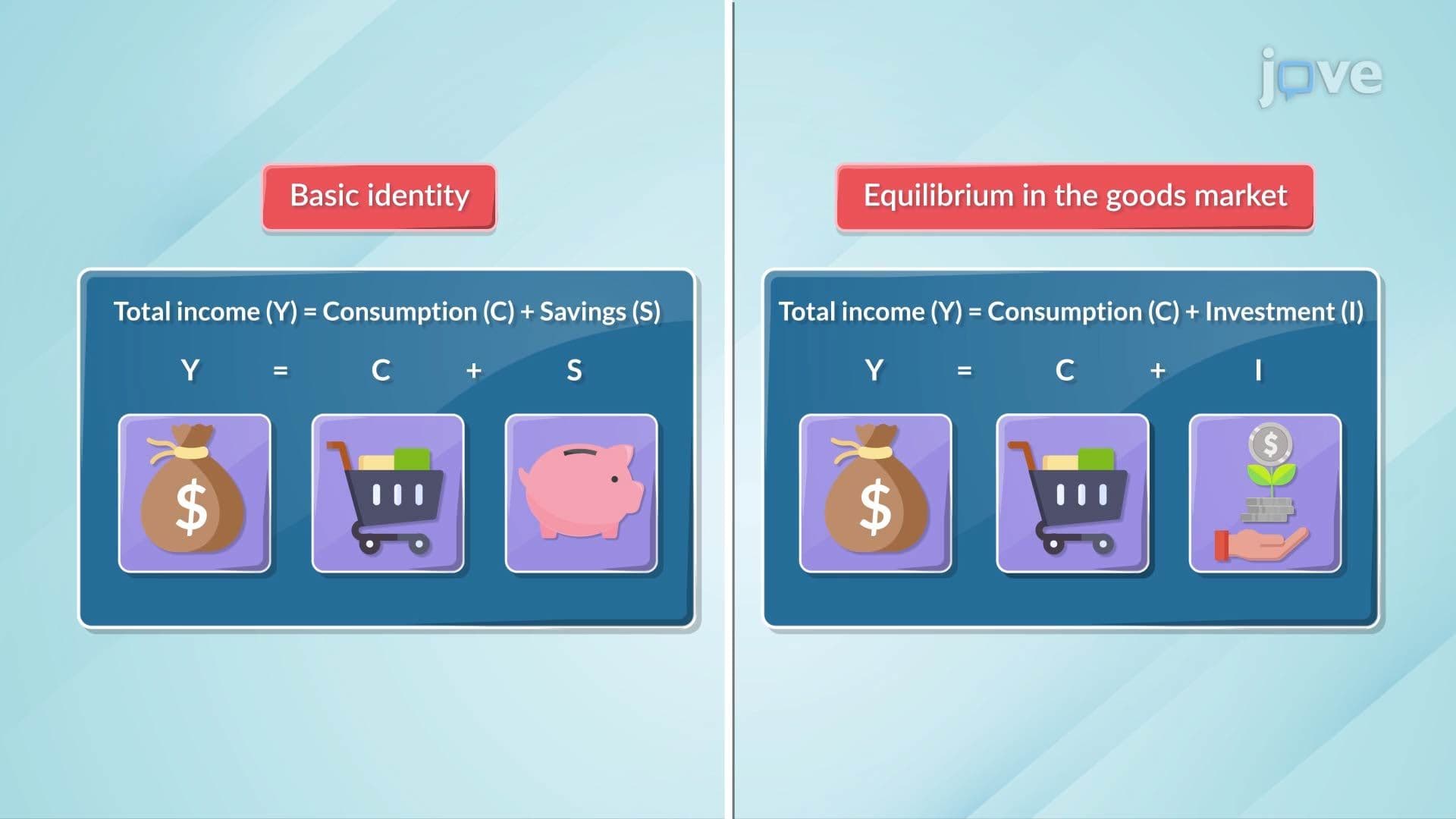
The consumption function stands as one of economics' most fundamental tools for understanding how households allocate their income between spending and saving. Developed by British economist John Maynard Keynes during the Great Depression, this concept reveals the predictable relationship between disposable income and consumption expenditure. Unlike abstract economic theories, the consumption function reflects observable patterns in American household behavior, making it essential for students preparing for AP Economics exams or college-level macroeconomics courses.
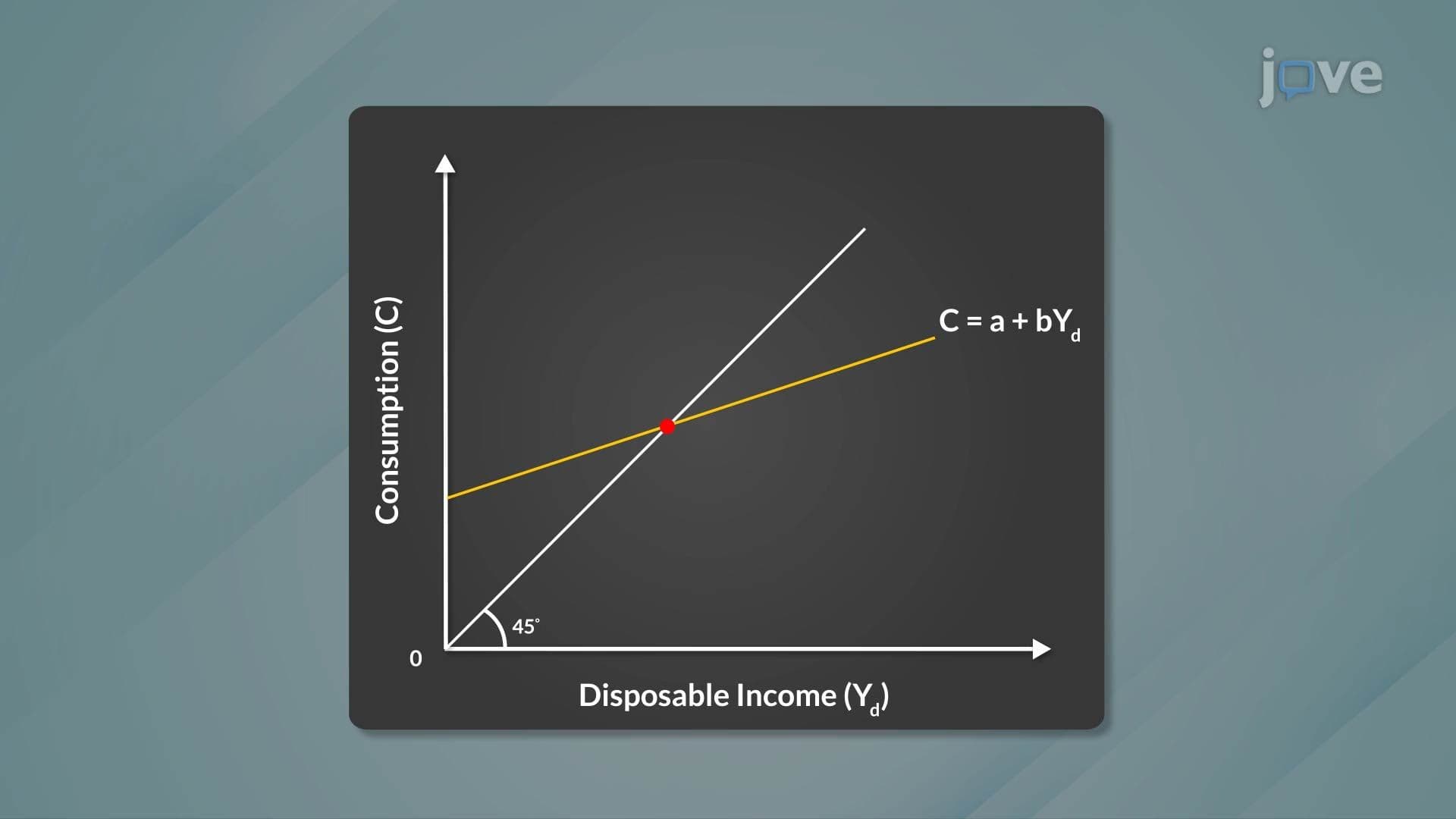
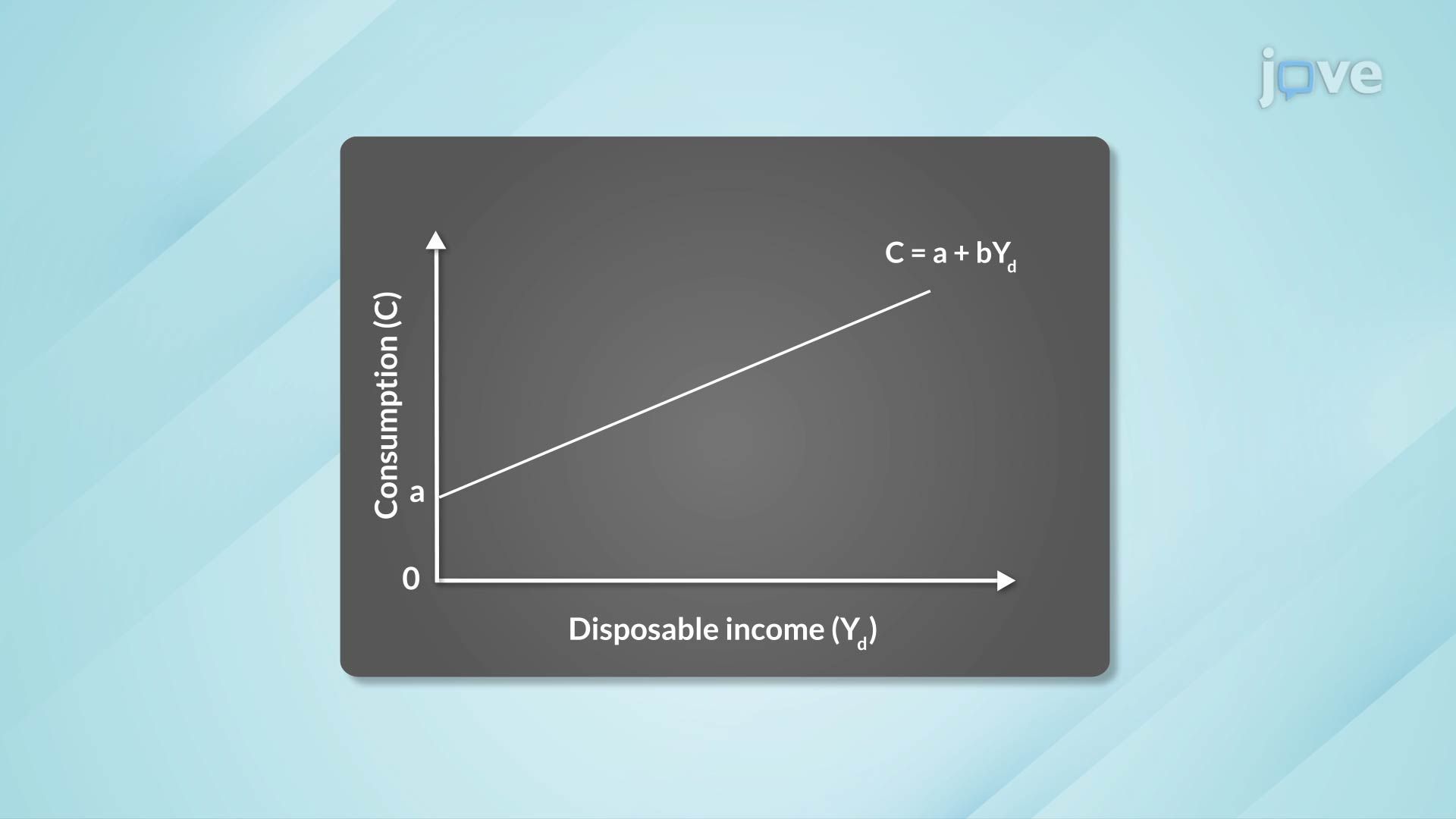
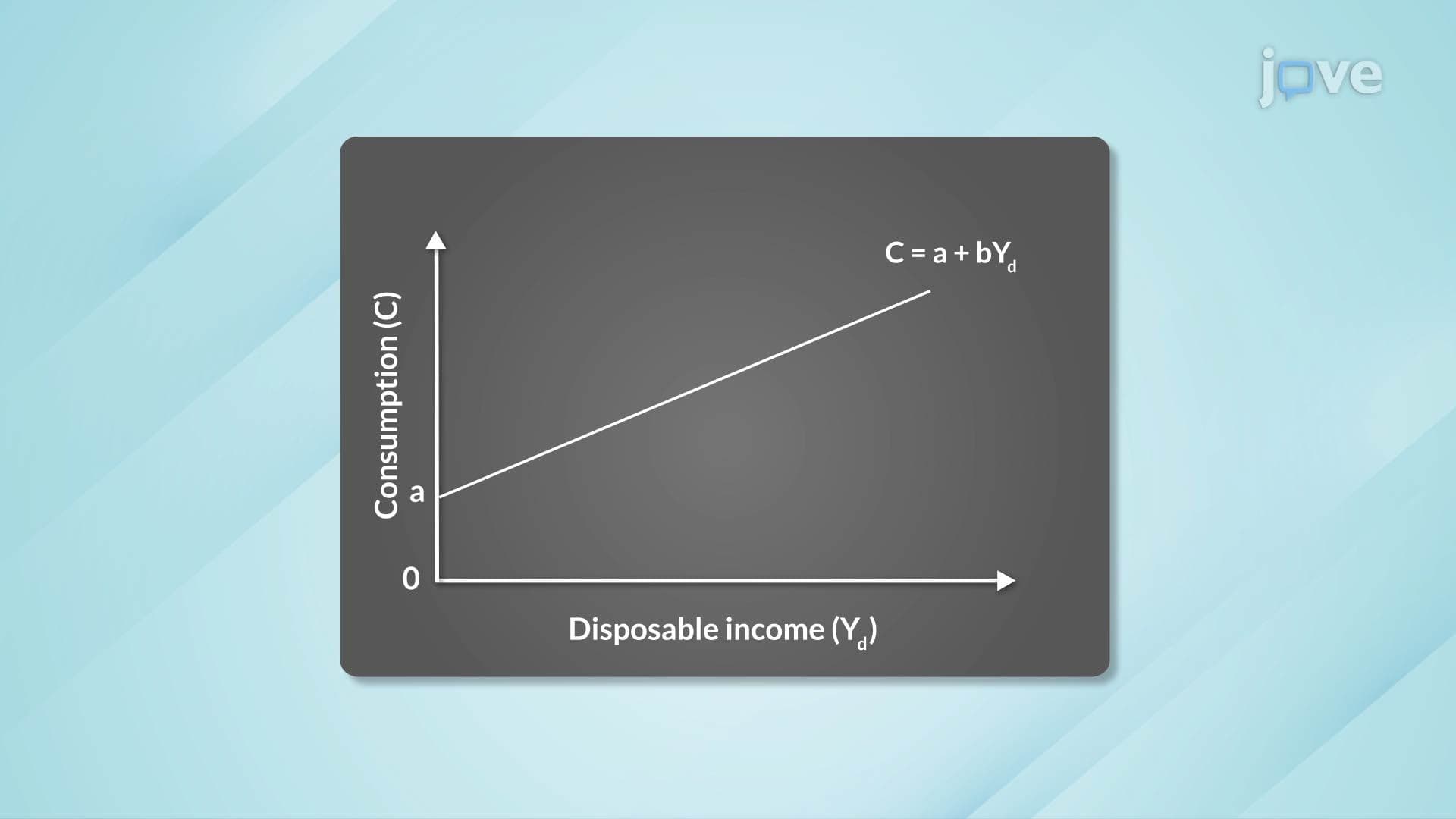
The consumption function equation C = a + bYd contains three critical elements that economics students must master. The parameter 'a' represents autonomous consumption-the baseline spending that occurs regardless of income level. In the United States, this might include essential expenses like basic food, housing payments, or healthcare costs that families maintain even during unemployment by drawing on savings or credit. The coefficient 'b' represents the marginal propensity to consume (MPC), typically ranging from 0.6 to 0.8 for American households, indicating that families spend 60-80 cents of each additional dollar earned.
Consider a practical example: If autonomous consumption equals $15,000 and the MPC equals 0.75, a family earning $40,000 in disposable income would have total consumption of $45,000 ($15,000 + 0.75 × $40,000). This calculation appears frequently on AP Economics free-response questions and college midterm examinations.
The consumption function concept extends beyond academic exercises into real policy analysis. During the 2008 financial crisis, economists used consumption functions to predict how stimulus payments would affect aggregate demand. The American Recovery and Reinvestment Act distributed over $800 billion partly based on consumption function models that estimated how much recipients would spend versus save.
Federal Reserve economists regularly analyze consumption functions when setting interest rates, recognizing that lower borrowing costs can shift the consumption function upward by making credit more accessible. Similarly, state governments use consumption function analysis when implementing sales tax changes, understanding that higher-income households may reduce consumption less dramatically than lower-income families.
While the linear consumption function provides valuable insights, real household behavior often deviates from this simplified model. American consumption patterns show that wealthy families may have lower marginal propensities to consume, while behavioral economics research reveals that consumption decisions involve psychological factors beyond pure income considerations. Students should understand these limitations when applying consumption function analysis to complex economic scenarios or graduate-level coursework in behavioral economics.
Related Micro-courses