Loading concepts…


10 Concepts
26 Concepts
24 Concepts
22 Concepts
16 Concepts
20 Concepts
17 Concepts
 10 Concepts
 719 Views
 Popular topics

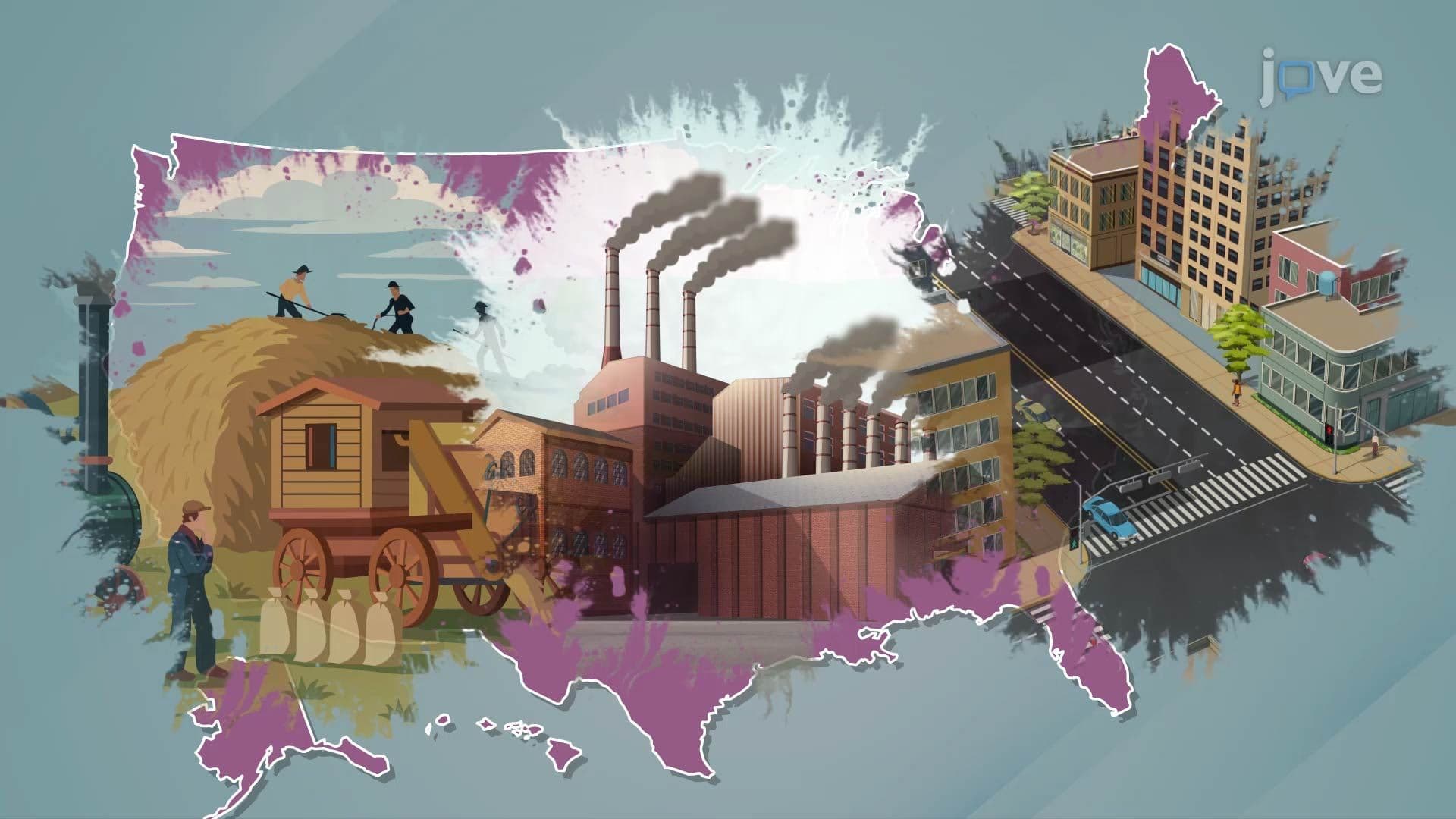







This introduction to macroeconomics course provides essential macroeconomics basics through comprehensive analysis of economic systems at the national level. Students explore key introduction to macroeconomic concepts including GDP national income, unemployment, inflation, and business cycles while examining how fiscal monetary policy shapes economic outcomes. Through JoVE Coach's expert instruction, learn how macroeconomic indicators guide policy decisions affecting entire economies.
1. Macroeconomics vs. Microeconomics Distinction Macroeconomics studies entire economies rather than individual markets, focusing on aggregate demand supply relationships and national economic trends. While microeconomics examines how individual households decide spending or businesses set prices, macroeconomics analyzes broad impacts like how taxation affects all households nationwide. Understanding this distinction helps students recognize when economic issues require national-level policy responses versus market-based solutions, forming the foundation for studying GDP national income patterns and macroeconomic indicators.
2. The Three Major Economic Concerns Unemployment occurs when willing, available workers cannot find jobs, creating income loss for families and reducing national economic output. Inflation represents general price increases over time, making essential goods like housing and food more expensive for households. Economic growth measures increased production of goods and services, typically reflected in rising GDP, which improves living standards when sustained over time. These interconnected concerns guide government policy decisions and affect every American's daily financial experiences.
3. Business Cycles and Economic Fluctuations Business cycles represent recurring patterns of economic expansion and contraction that dramatically impact employment and income levels. During expansions like the late 1990s internet boom, businesses thrive and jobs increase, while contractions like the 2001 dot-com crash or 2007-2009 financial crisis bring business closures and widespread unemployment. Understanding these cycles helps explain why economic conditions change and how fiscal monetary policy attempts to reduce severe downturns while maintaining long-term stability.
4. Long-Run Economic Growth Determinants Sustained economic growth separates prosperous nations from struggling economies, as demonstrated by Japan's post-WWII transformation through education, technology, and manufacturing investment. The United States achieved massive output increases through consistent growth policies, while some Latin American countries with abundant natural resources struggle due to political instability and weak institutions. Growth depends on factors including innovation, investment, education systems, and effective government policies that support productive economic activities.
5. Macroeconomic Policy Tools and Applications Governments use fiscal policy (taxation and spending adjustments) and central banks employ monetary policy (money supply and interest rate control) to manage economic stability. The Federal Reserve's quantitative easing during the 2008 crisis reduced interest rates to near zero, while the 2009 $787 billion stimulus package demonstrated expansionary fiscal policy through infrastructure investment and tax rebates. These tools help control inflation, reduce unemployment, and promote sustainable economic growth across different economic conditions.
6. Classical vs. Keynesian Economic Approaches Classical economics argues that free markets naturally self-correct through price and wage adjustments, believing government intervention disrupts efficient resource allocation signals. Keynesian economics contends that markets don't adjust quickly during downturns, as demonstrated during the Great Depression when rigid wages and reduced spending created downward economic spirals. This fundamental debate shapes modern policy discussions about when governments should intervene versus allowing market forces to operate, influencing decisions about minimum wages, stimulus spending, and regulatory approaches.