Loading concepts…


10 Concepts
21 Concepts
12 Concepts
8 Concepts
22 Concepts
20 Concepts
14 Concepts
12 Concepts
11 Concepts
7 Concepts
14 Concepts
8 Concepts
11 Concepts
22 Concepts
21 Concepts
21 Concepts
15 Concepts
22 Concepts
9 Concepts
6 Concepts
 10 Concepts
 17.8K Views
 Popular topics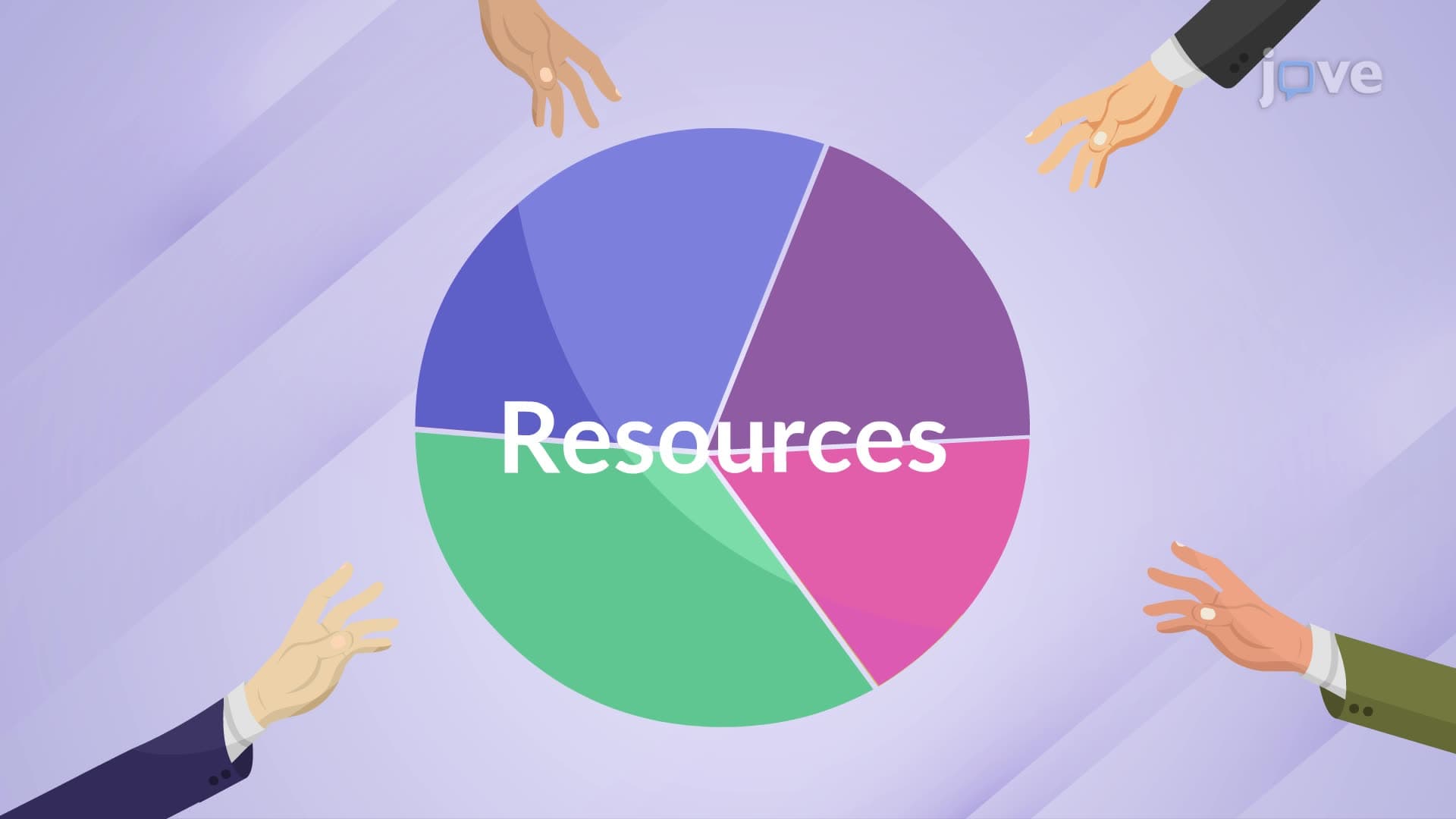







This introduction to microeconomics course explores how individuals, businesses, and markets make economic decisions with limited resources. Through JoVE Coach's comprehensive approach, students examine fundamental concepts including opportunity cost, trade-offs, market dynamics, and production possibilities. Real-world examples from American businesses like Apple and eBay demonstrate how microeconomic principles guide resource allocation and decision-making in the U.S. economy.
1. Economic Fundamentals and Resource Scarcity Economics originated from the Greek term "oikonomos," meaning household management, and addresses how societies allocate limited resources to satisfy unlimited wants. In the United States, this applies to everything from a family's monthly budget decisions to corporate resource allocation at companies like General Motors. Students learn that scarcity affects all economic actors - from individual consumers choosing between purchases to the federal government deciding budget priorities between defense spending and social programs.
2. Microeconomics vs. Macroeconomics Microeconomics focuses on individual economic units such as consumers, workers, and firms, answering fundamental questions about what to produce, how to produce, and for whom to produce. For example, Tesla's decisions about electric vehicle production, pricing strategies, and target markets represent microeconomic analysis. This contrasts with macroeconomics, which examines economy-wide phenomena like national unemployment rates, inflation, and GDP growth across the entire United States.
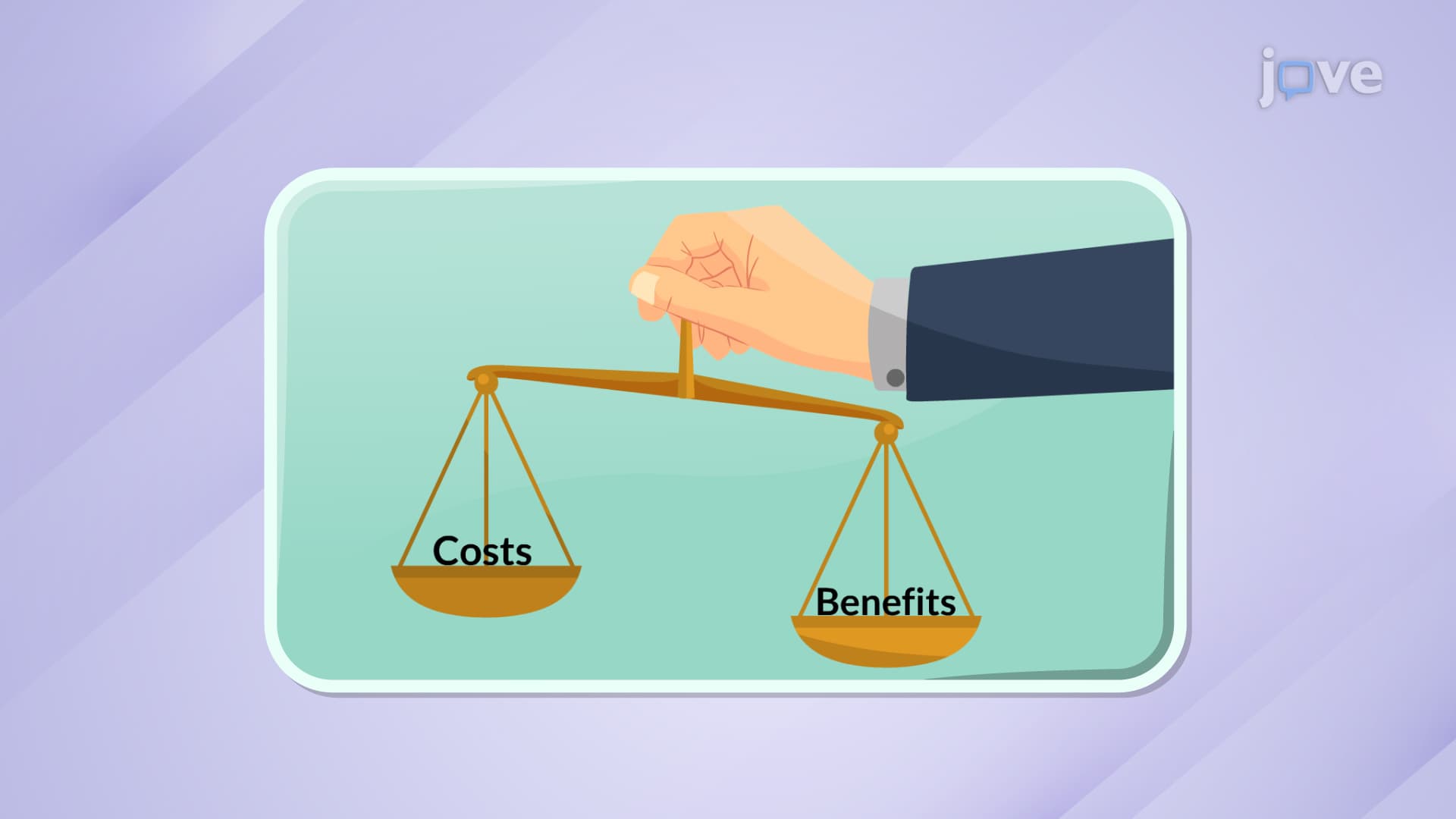
3. Trade-offs and Economic Decision Making Every economic decision involves trade-offs, where choosing one option means giving up another. American consumers face daily trade-offs, such as choosing between immediate consumption and saving for retirement through 401(k) plans. Workers decide between accepting current employment or pursuing additional education, while corporations like Apple choose to specialize in consumer electronics rather than diversifying into unrelated industries like home appliances.
4. Opportunity Cost Analysis Opportunity cost represents the value of the next best alternative foregone when making a choice. In business applications, if Amazon decides to invest resources in expanding its cloud computing services rather than grocery delivery, the opportunity cost is the potential profits from the grocery expansion. Understanding opportunity cost helps students evaluate decisions more effectively, whether personal choices about time allocation or business decisions about resource deployment.
5. Market Structure and Function Markets serve as complex networks where buyers and sellers exchange goods, services, or assets, with supply and demand interactions determining prices. American examples include physical markets like farmers' markets in California, digital platforms like eBay and Amazon Marketplace, and financial markets like the New York Stock Exchange. These markets facilitate price discovery and resource allocation throughout the U.S. economy.
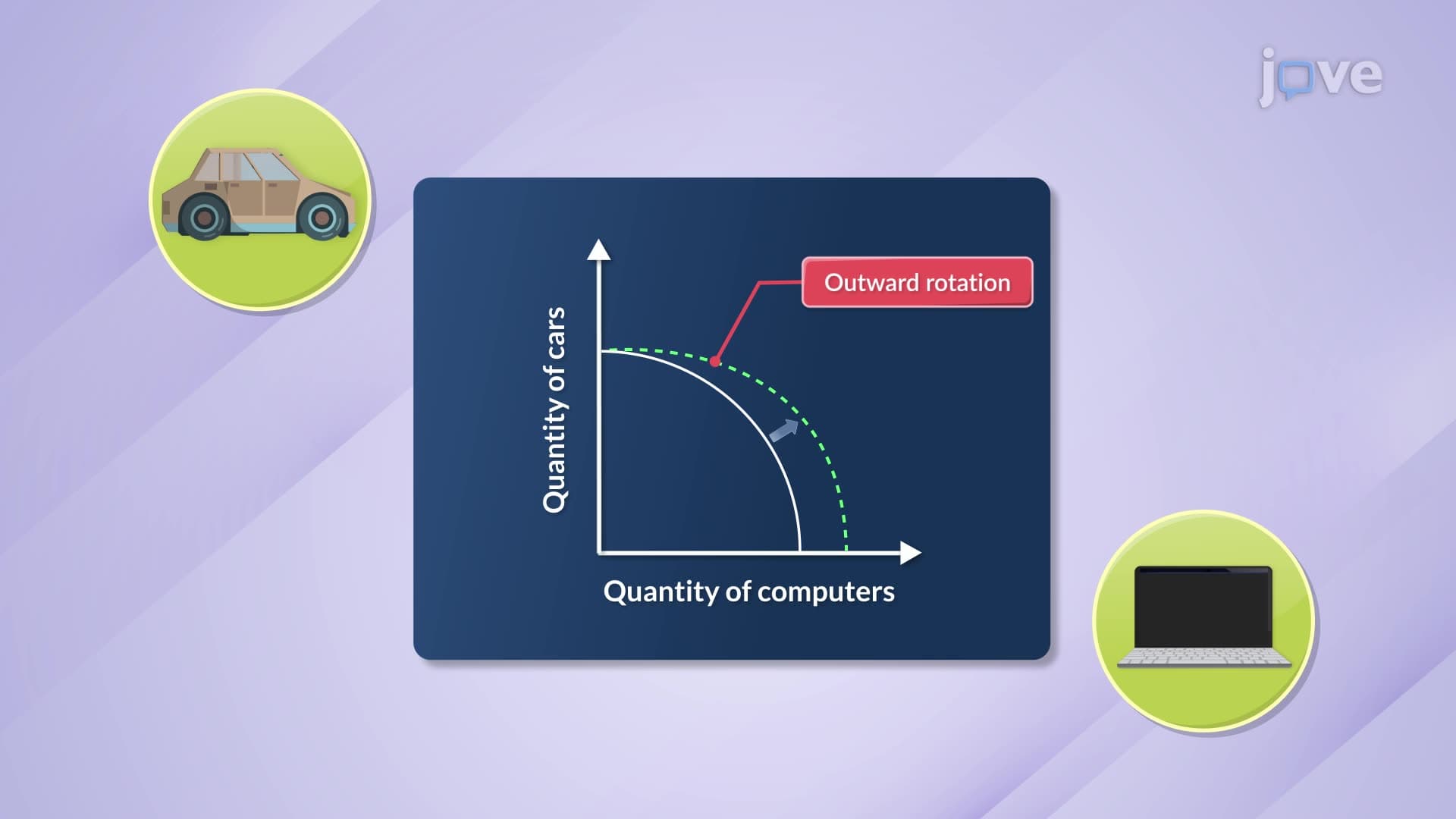
6. Production Possibilities Frontier (PPF) The PPF graphically represents all possible output combinations of two goods an economy can produce with fixed resources and technology. Points on the curve indicate efficient resource use, while points inside show underutilization, and points outside are currently unattainable. For instance, during World War II, the U.S. economy faced trade-offs between producing military equipment and consumer goods, illustrating PPF concepts in historical context.
7. Economic Efficiency and Growth Changes in the PPF demonstrate economic concepts through rotations and shifts. Rotations occur when efficiency improves for one good without affecting the other, such as technological advances in computer manufacturing that don't impact automobile production. Shifts represent changes in total production capacity - rightward shifts indicate economic growth from factors like increased resources or technological progress, while leftward shifts show economic contraction from events like natural disasters.
8. Positive vs. Normative Economics Positive economics deals with objective, testable statements about economic reality, such as "When gasoline prices increase, Americans tend to drive less." Normative economics involves value judgments about what should happen, like "The federal government should reduce income taxes to stimulate consumer spending." Understanding this distinction helps students critically evaluate economic arguments and policy proposals in American political and economic discourse.