Externalities and public goods represent critical market failure economics concepts where private markets fail to achieve optimal social outcomes. This JoVE Coach micro-course explores how externalities and public goods cause market failure through pollution, healthcare, education, and infrastructure examples. Students learn essential economic principles including Pigouvian taxes, tradable permits, the Coase theorem, and free rider problems using real US policy applications.
Understand how negative and positive externalities create market inefficiencies in real-world scenarios
Learn to distinguish between private and social costs and benefits in economic transactions
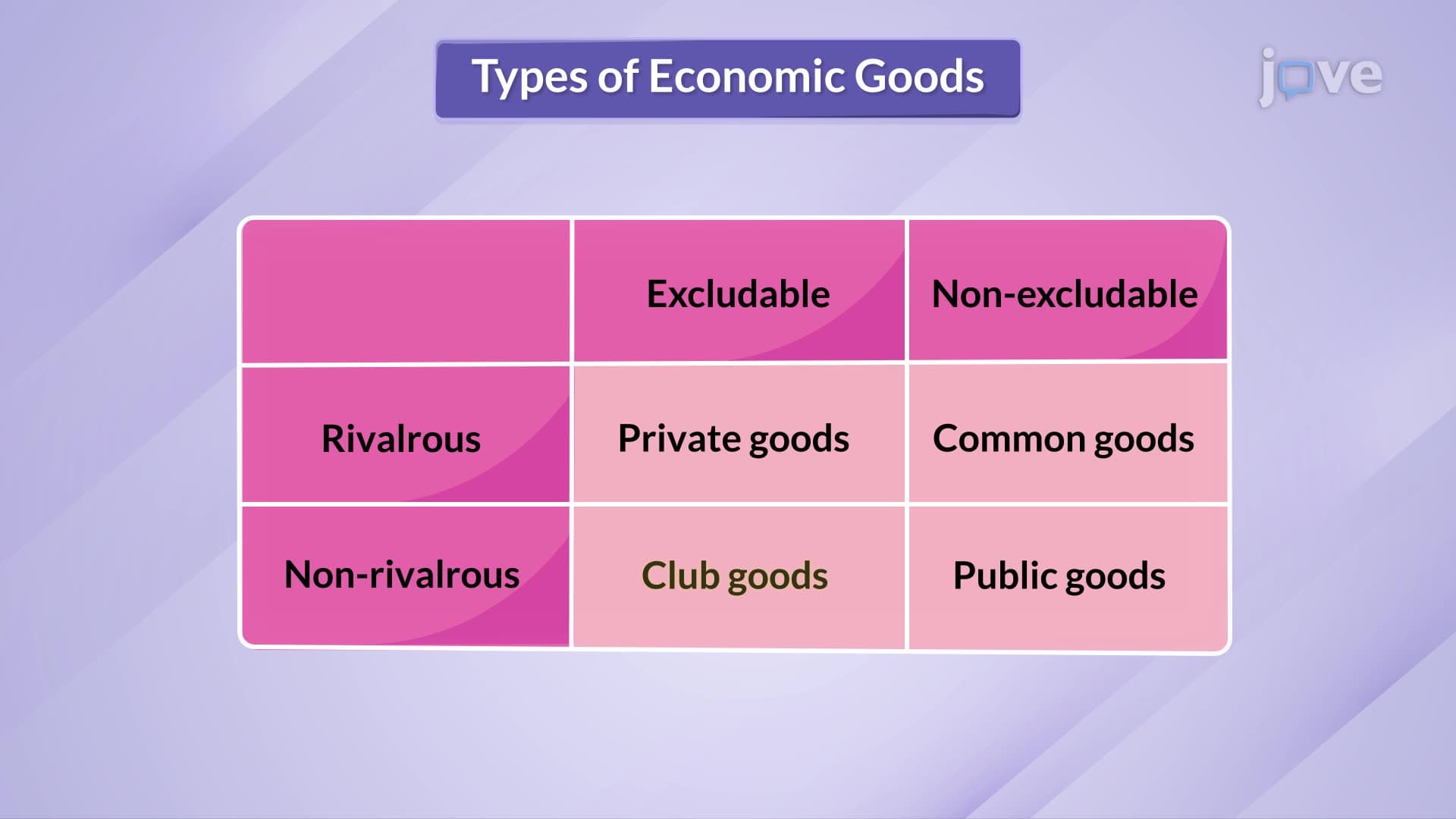
Identify the four types of goods: private goods, public goods, club goods, and common resources
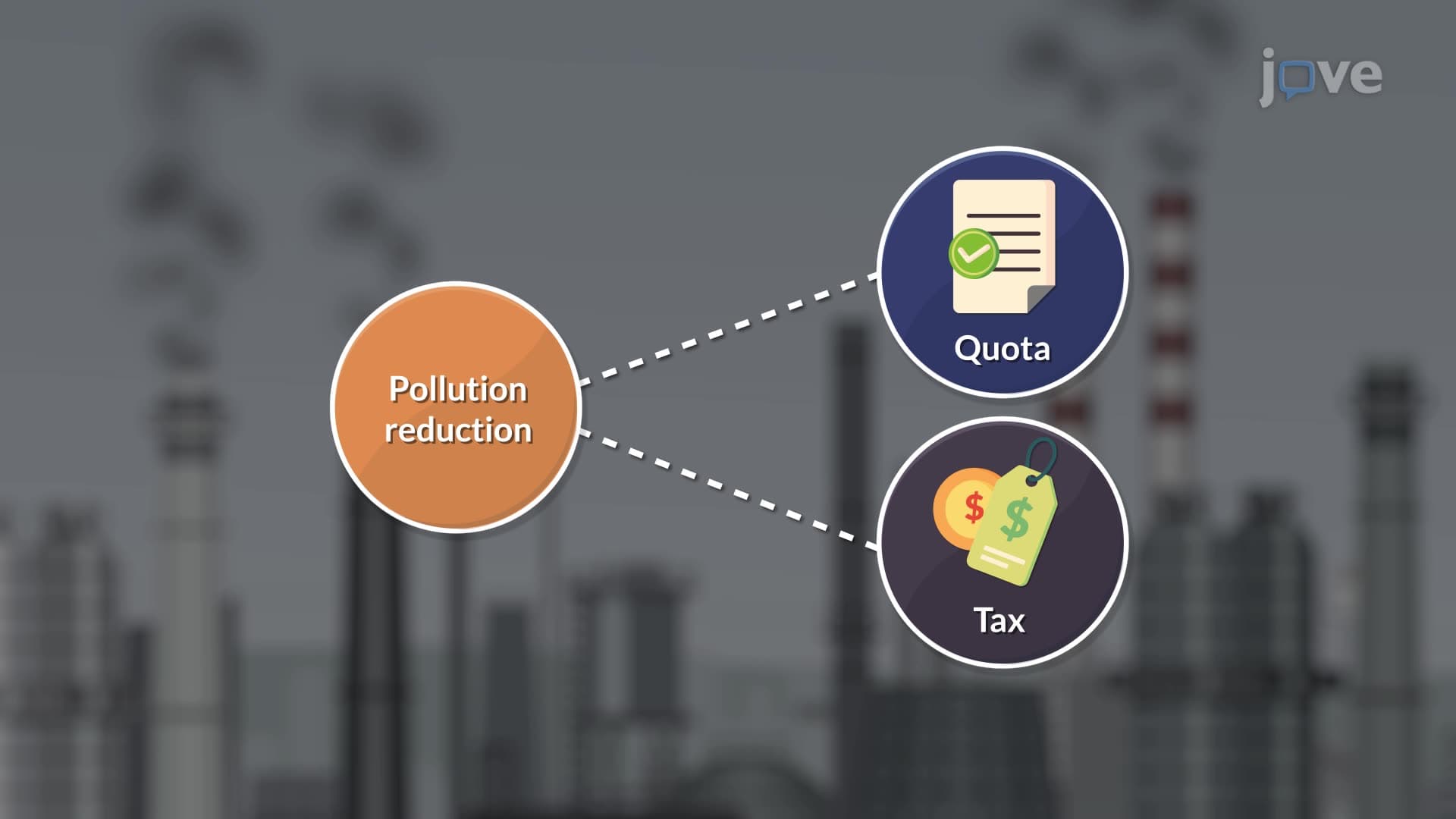
Explore government intervention methods including Pigouvian taxes, subsidies, and quotas
Analyze the free rider problem and tragedy of the commons using US examples
Apply the Coase theorem to understand property rights solutions for externalities
Understand how tradable permit markets work in US environmental policy
Learn to calculate optimal pollution levels and public goods provision
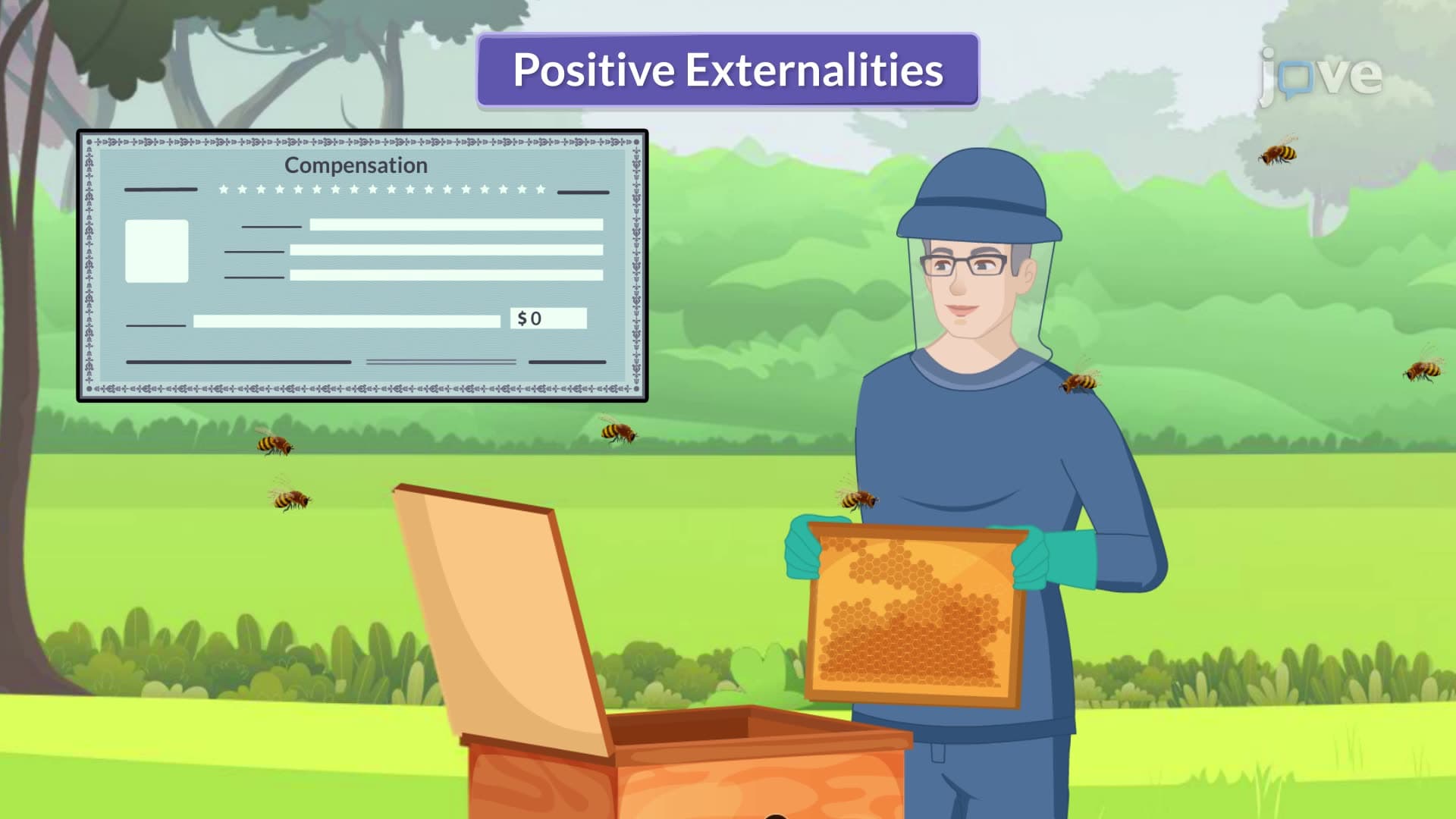
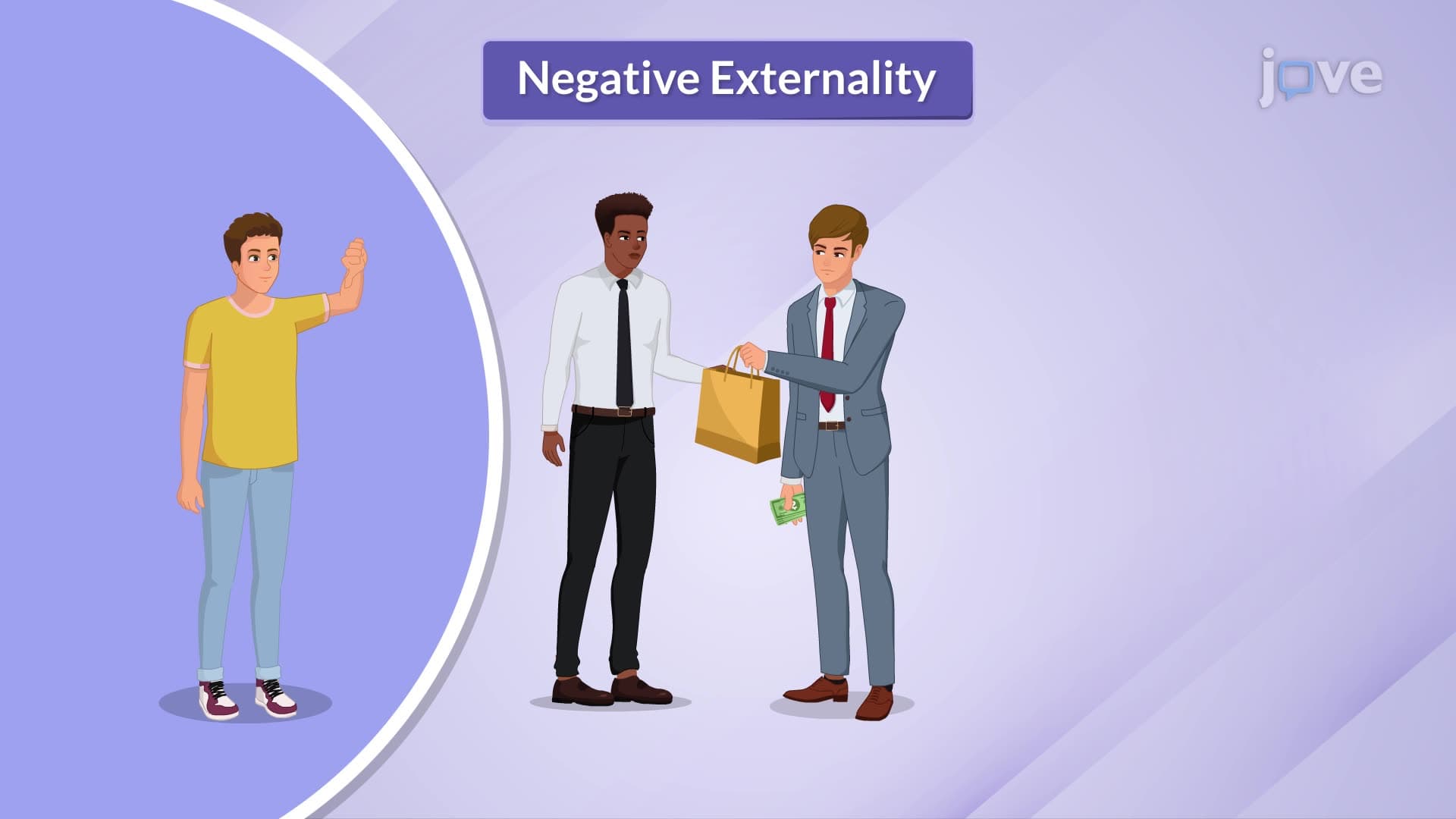
1. Externalities and Market Failure: Externalities occur when economic activities affect third parties not directly involved in transactions. The US healthcare system demonstrates negative externalities through pollution-related medical costs, while education creates positive externalities by improving workforce productivity. When externalities exist, private markets fail to achieve socially optimal outcomes because decision-makers don't consider full social costs and benefits. This fundamental market failure requires government intervention to restore efficiency.
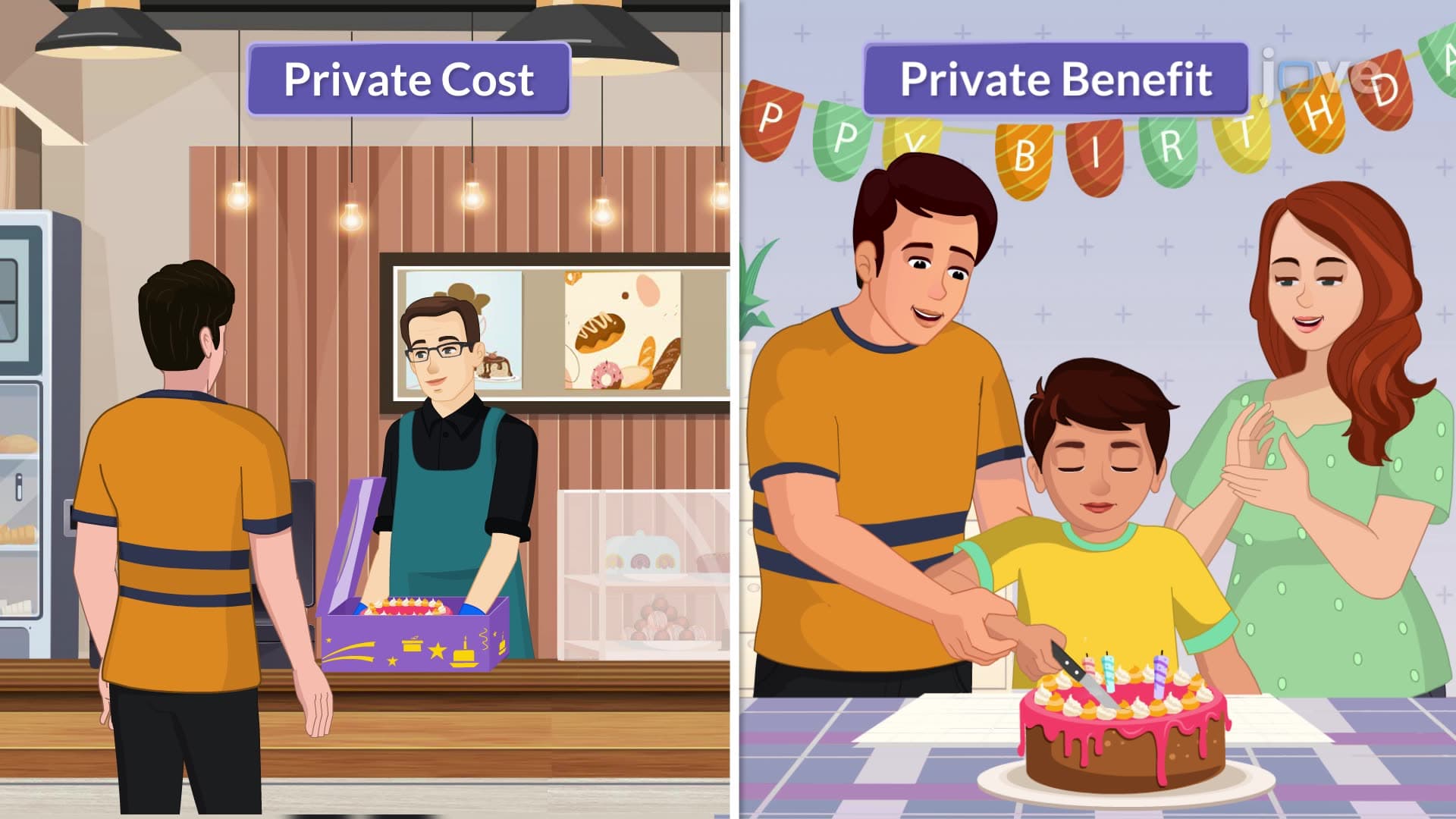
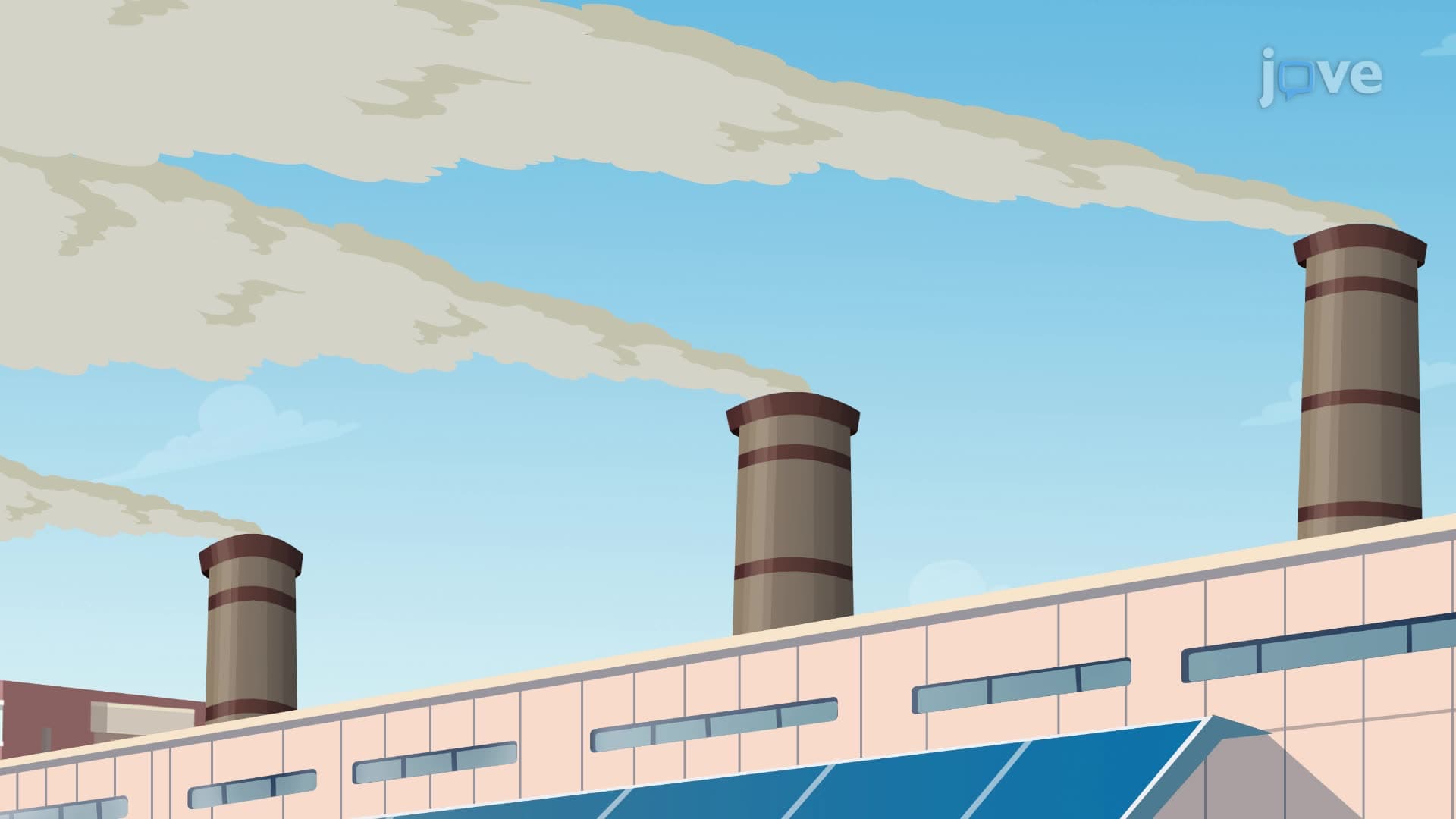
2. Private vs. Social Costs and Benefits: Private costs represent direct expenses businesses incur during production, like labor and materials for US manufacturing companies. Social costs include private costs plus external costs imposed on society, such as pollution from coal power plants affecting nearby communities. Similarly, private benefits reflect direct gains to producers and consumers, while social benefits encompass positive spillover effects like vaccination programs reducing community disease transmission rates.
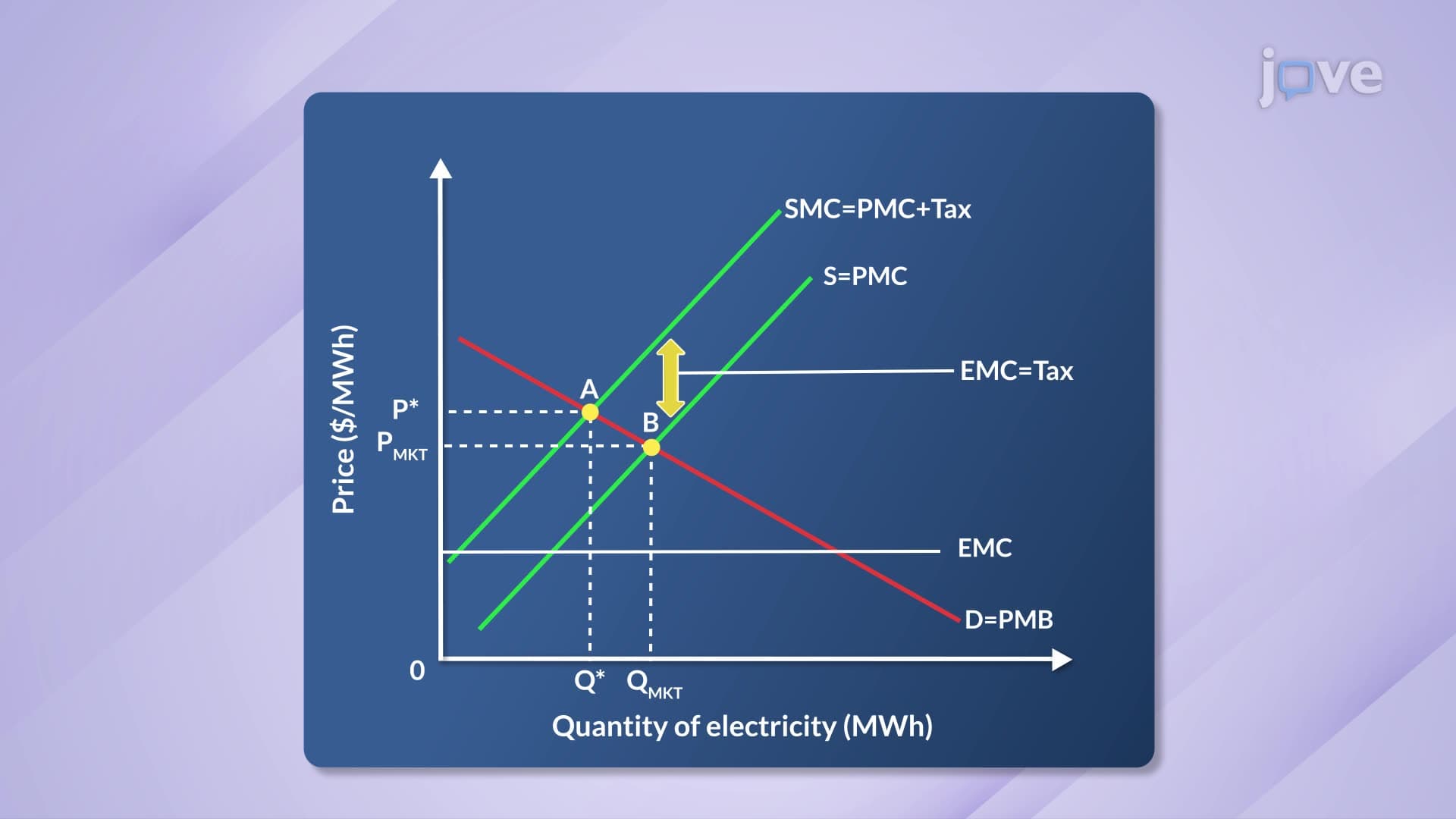
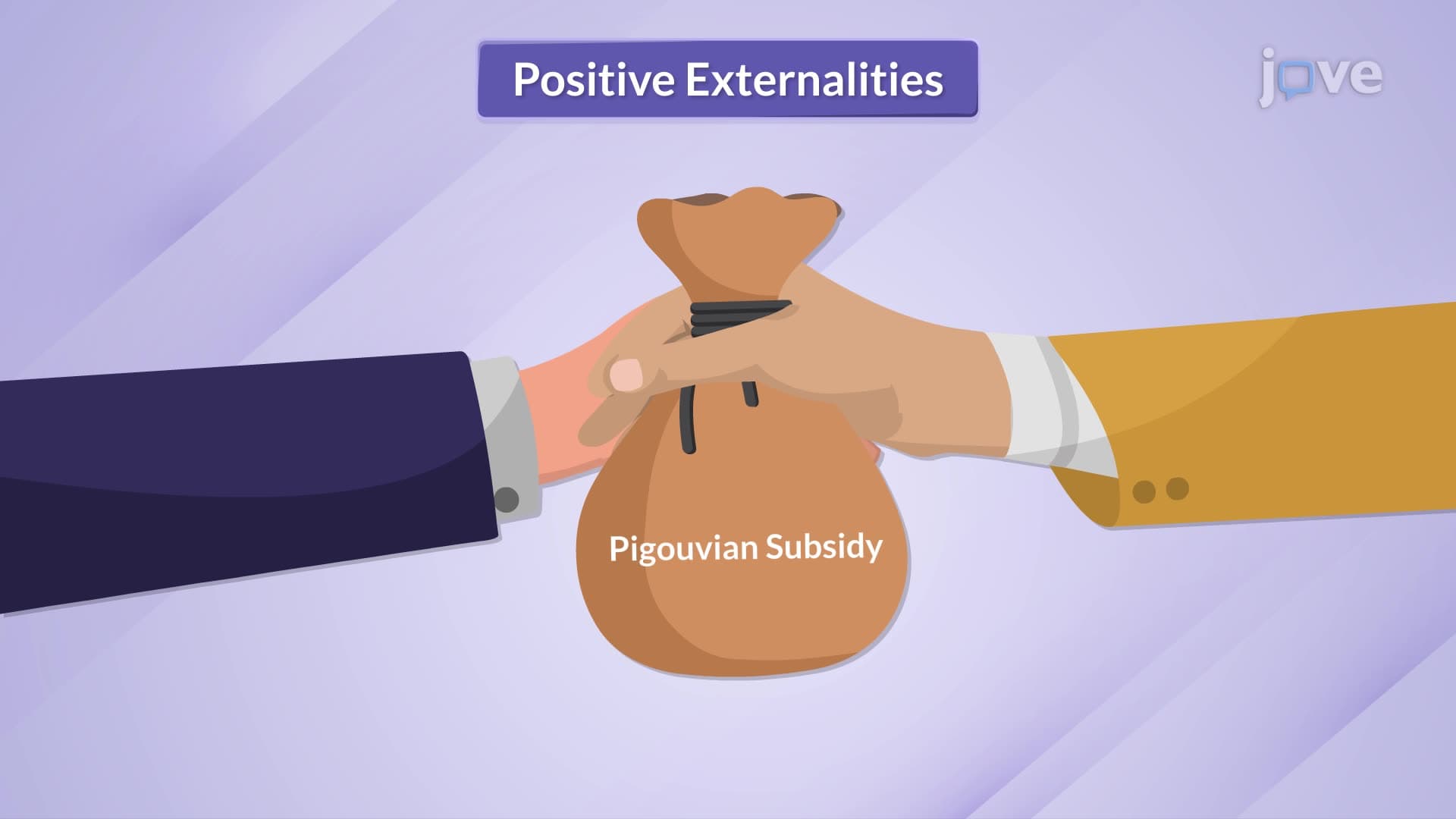
3. Pigouvian Taxes and Subsidies: Named after economist Arthur Pigou, these price-based interventions correct externalities by adjusting market prices. The US implements Pigouvian taxes on cigarettes and gasoline to reduce negative health and environmental externalities. Conversely, government subsidies for solar panel installations encourage positive externalities by promoting clean energy adoption. These policies make private costs and benefits align with social costs and benefits.
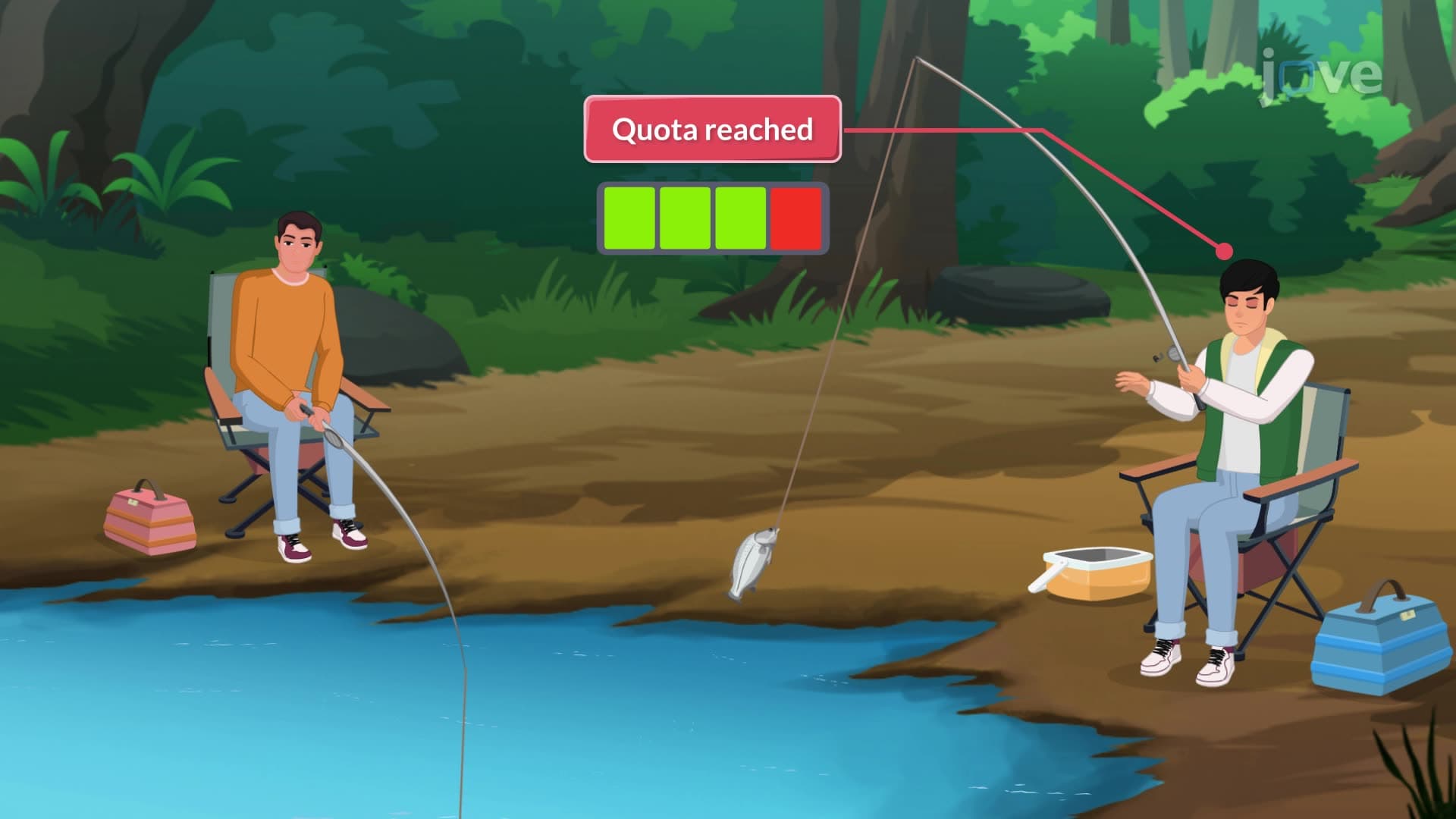
4. Quantity-Based Interventions: Governments use quotas and regulations to directly control harmful activities. US fishing quotas prevent overfishing in coastal waters, while emission standards limit factory pollution. The Clean Air Act exemplifies quantity-based approaches by setting maximum allowable pollution levels. These interventions work when precise control is necessary, though they may be less flexible than price-based mechanisms for achieving optimal outcomes.
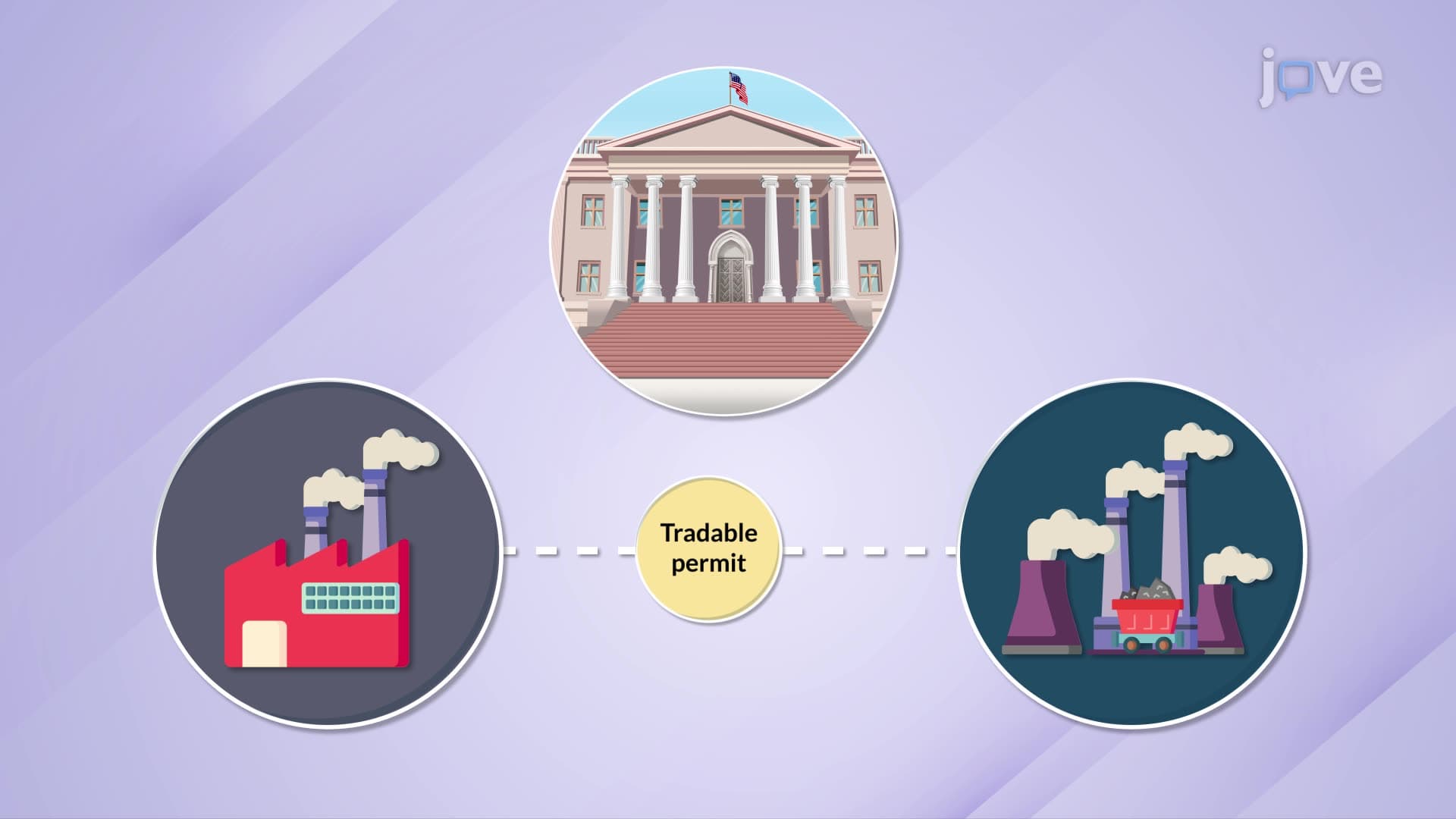
5. Tradable Permit Systems: Cap-and-trade programs create markets for pollution rights, allowing efficient firms to sell excess permits to those facing higher cleanup costs. The US Acid Rain Program successfully reduced sulfur dioxide emissions by 90% using tradable permits. Companies like utilities can choose between investing in cleaner technology or purchasing permits, creating incentives for innovation while maintaining overall pollution limits set by regulators.
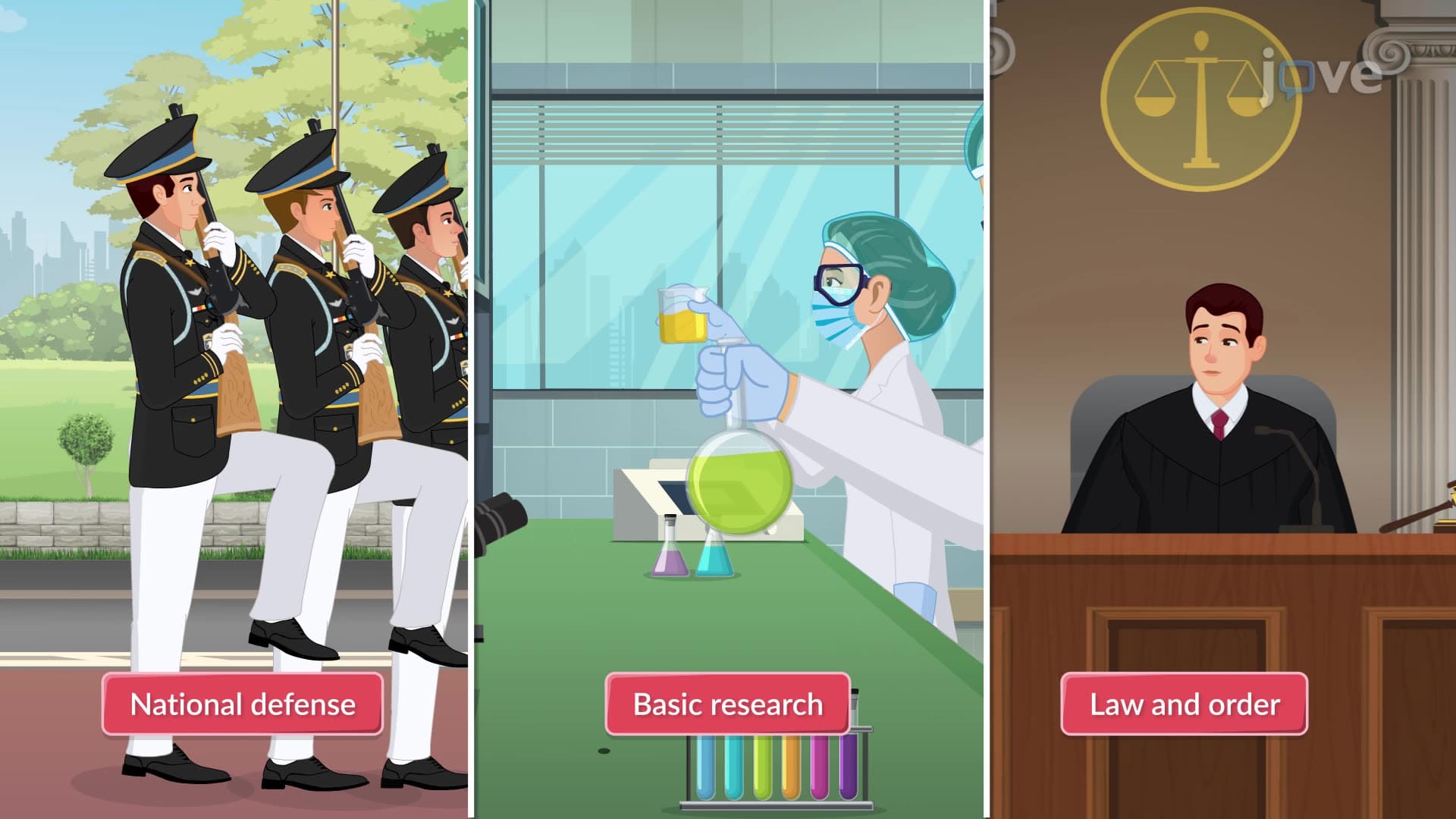
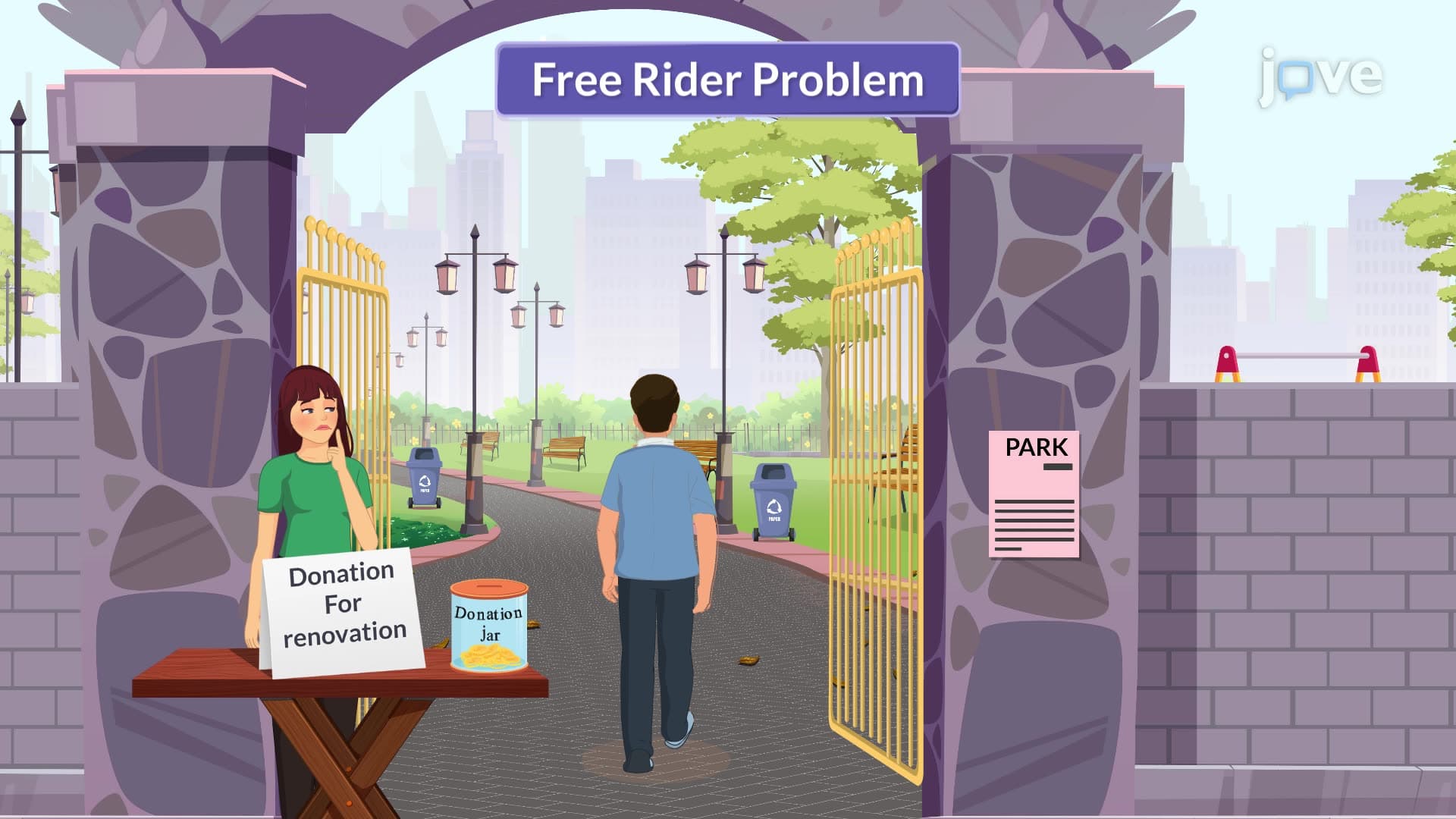
6. Public Goods and Free Rider Problem: Public goods are non-excludable and non-rivalrous, meaning everyone can use them simultaneously without reducing availability for others. US national defense, interstate highways, and basic scientific research exemplify public goods. The free rider problem occurs when people benefit without paying, like enjoying public parks without contributing taxes. This leads to underprovision of public goods in private markets, justifying government funding.
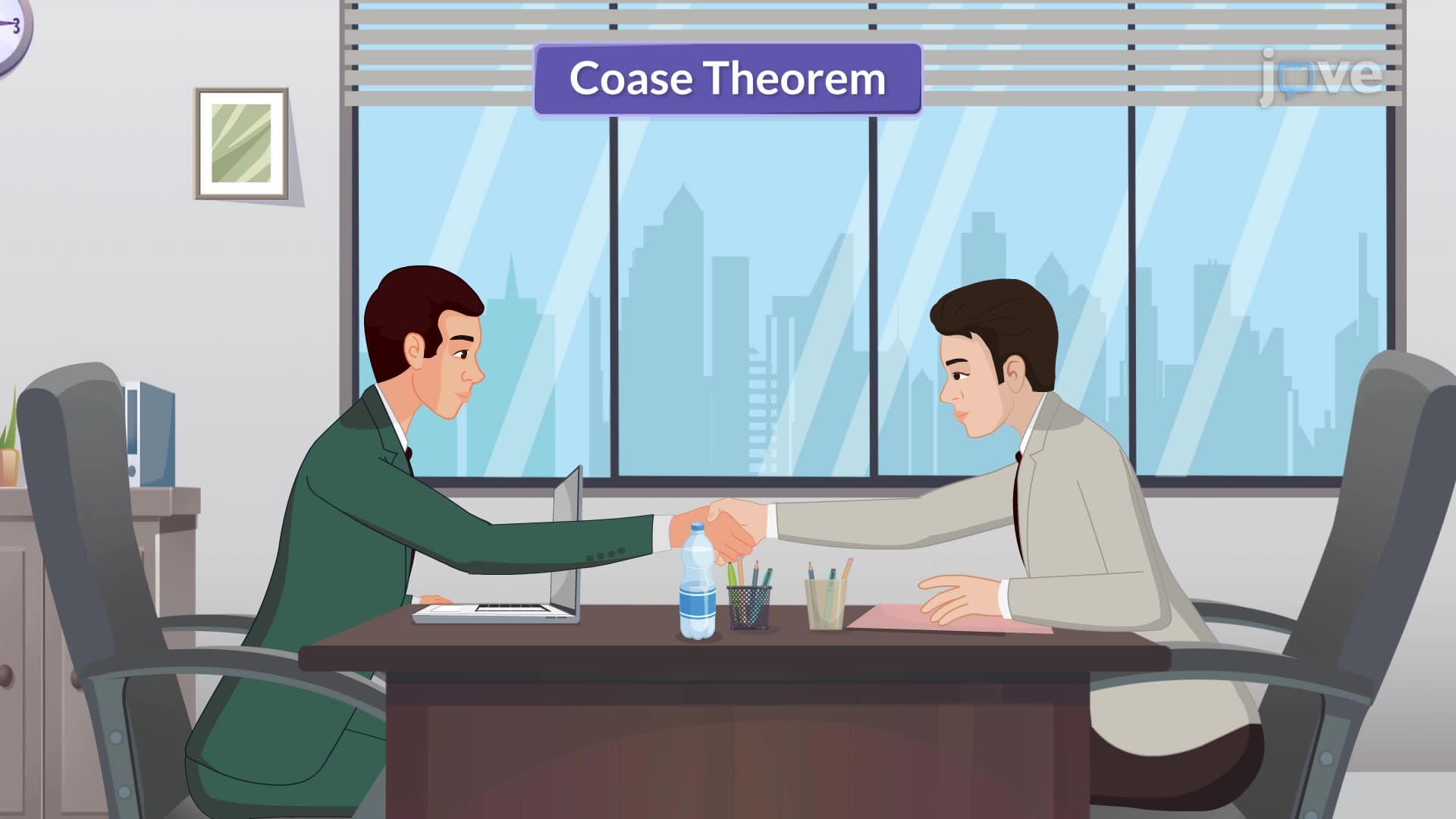
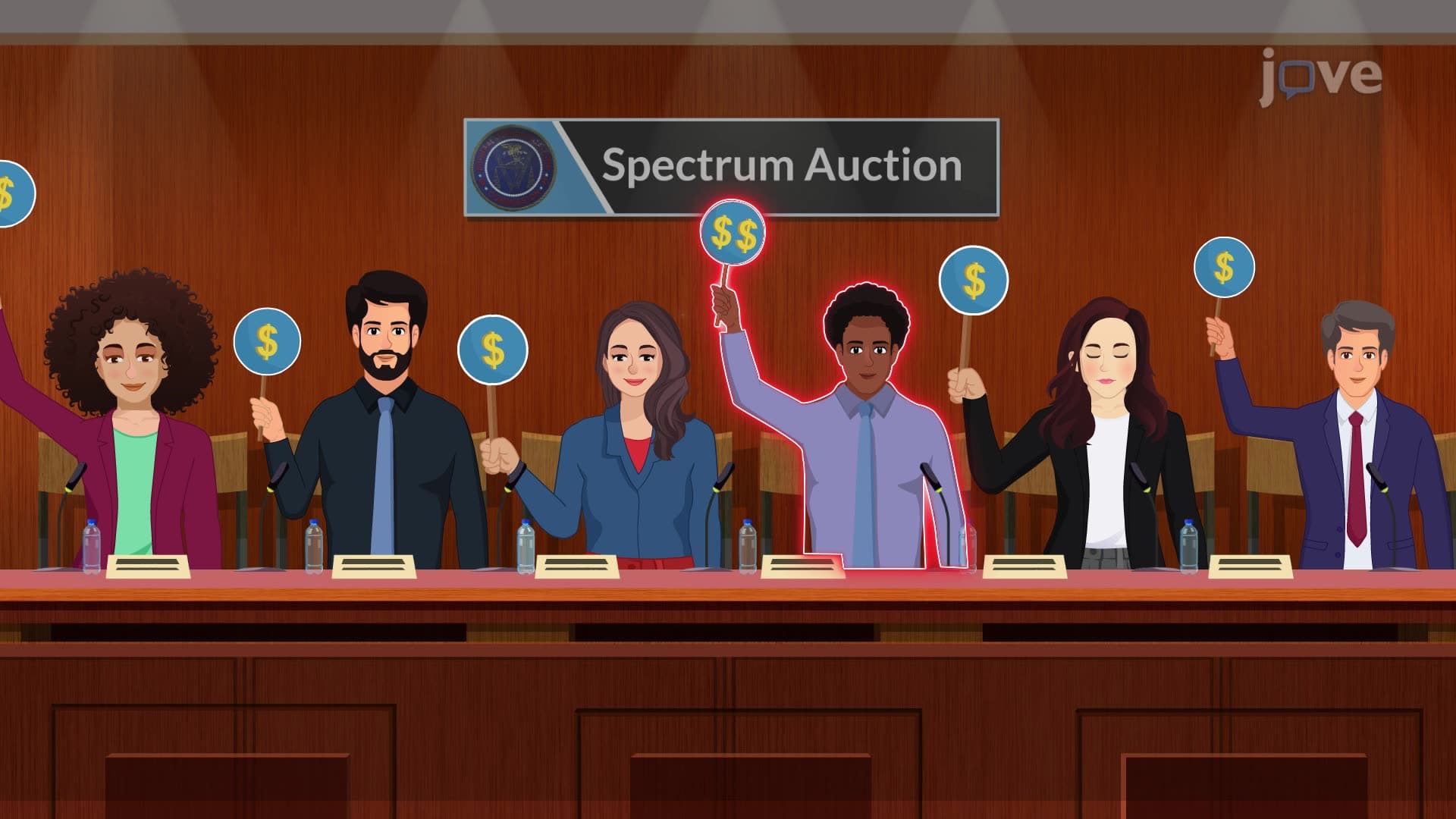
7. Coase Theorem and Property Rights: The Coase theorem states that private negotiations can resolve externalities efficiently when transaction costs are low and property rights are clearly defined. US spectrum auctions for broadcasting frequencies demonstrate successful property rights solutions, preventing airwave interference while generating revenue. However, the theorem's assumptions rarely hold in practice, particularly for complex environmental issues affecting many parties with high negotiation costs.
Frequently Asked Questions
Regular market transactions only affect buyers and sellers, while externalities impact third parties who aren't part of the deal. For example, when you buy coffee, only you and the shop are directly involved. But if a factory pollutes air while producing goods, nearby residents suffer health effects without being part of the production decision.
Negative externalities impose costs on third parties, like factory pollution causing respiratory problems for neighbors. Positive externalities provide benefits to third parties, such as your flu vaccination protecting others from infection. Both create market failures because private decision-makers don't consider these external effects when making choices.
These concepts appear on AP Microeconomics exams, particularly in questions about market failures and government intervention. MCAT Social and Behavioral Sciences sections include externalities in healthcare contexts. Some business school entrance exams test understanding of government regulation and market efficiency. SAT Subject Tests in Math Level 2 occasionally include basic economic graphs.
US gasoline taxes internalize pollution and road wear costs, making drivers pay for environmental damage. Cigarette taxes reduce smoking by making the price reflect healthcare costs. Carbon taxes in some states charge companies for climate change costs. These taxes shift supply curves upward, increasing prices and reducing quantities to socially optimal levels.
Private companies need to exclude non-payers to make profits, but public goods are non-excludable by definition. You can't prevent people from benefiting from national defense or clean air once provided. This creates the free rider problem where people enjoy benefits without paying, making it unprofitable for companies to supply adequate quantities.
The basic concepts are straightforward, but applying them to complex real-world situations requires practice. Start with simple examples like pollution or education, then progress to analyzing policy solutions. Drawing supply and demand graphs helps visualize market failures and government interventions. Focus on understanding the logic rather than memorizing definitions.
Create comparison charts distinguishing the four types of goods (private, public, club, common resources). Practice drawing graphs showing externalities and policy solutions. Use current events like environmental regulations or healthcare policies as examples. Work through AP Economics past exam questions focusing on market failures. Form study groups to discuss policy trade-offs and real-world applications.
Tradable permits combine flexibility of market mechanisms with certainty of quantity controls. Unlike taxes, permits guarantee specific pollution reduction levels. Unlike quotas, permits allow efficient companies to profit from superior cleanup technology by selling excess permits. The US acid rain program demonstrates how permits achieved faster, cheaper emission reductions than traditional command-and-control regulations.
This microcourse includes 21 concept videos that walk you through the building blocks of Microeconomics. Each video is short, about 1 minute, so you can cover a full topic during a coffee break or between classes. The full sequence starts with Externalities and ends with Property Rights.