10 Concepts
21 Concepts
12 Concepts
8 Concepts
22 Concepts
20 Concepts
14 Concepts
12 Concepts
11 Concepts
7 Concepts
14 Concepts
8 Concepts
11 Concepts
22 Concepts
21 Concepts
21 Concepts
15 Concepts
22 Concepts
9 Concepts
6 Concepts
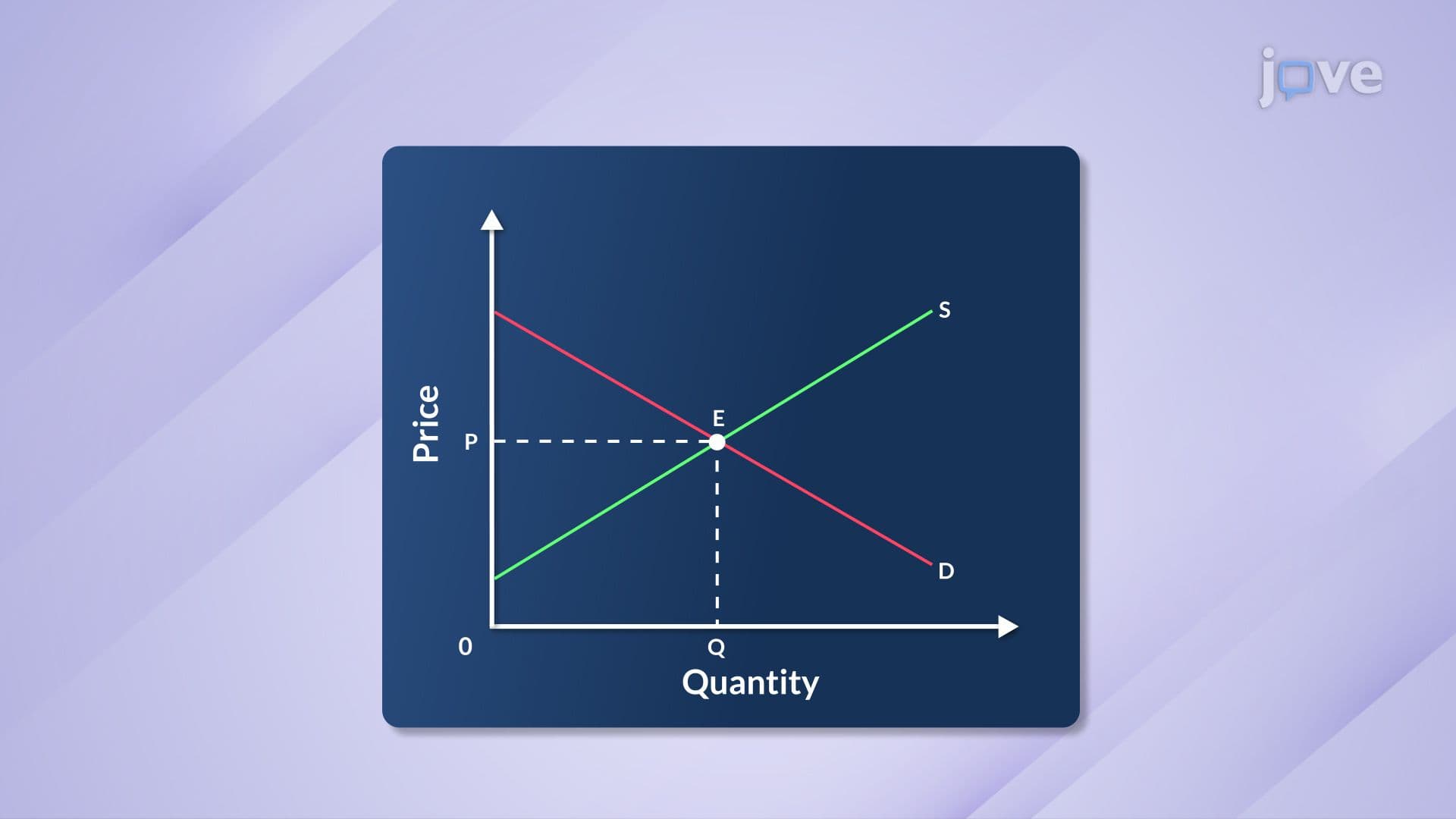
General equilibrium theory examines how interconnected markets simultaneously reach balance, moving beyond single-market analysis to understand economy-wide effects. This comprehensive framework evaluates market efficiency through Pareto optimality and welfare theorems, essential for understanding how US markets from healthcare to energy achieve optimal resource allocation. JoVE Coach provides structured learning through real-world applications.
1. Partial vs. General Equilibrium Analysis: Partial equilibrium examines isolated markets like gasoline pricing after tax implementation, assuming other markets remain unchanged. General equilibrium recognizes market interconnections-when movie ticket taxes increase prices, consumers shift to streaming services, raising their prices and creating feedback effects. This comprehensive approach reveals how policy changes ripple throughout the US economy, from energy markets affecting transportation choices to housing policies influencing labor mobility across states.
2. Social Welfare Functions and Measurement: Social welfare functions quantify societal well-being using different philosophical approaches. Utilitarian functions sum individual utilities equally, treating a billionaire's marginal dollar like a minimum-wage worker's. Rawlsian functions focus on society's worst-off members, prioritizing policies that help the most disadvantaged Americans. These frameworks guide policy decisions from healthcare reform to tax policy, though they face challenges in measuring subjective utility and balancing competing values.
3. Pareto Efficiency and Optimal Allocation: Pareto efficiency occurs when no reallocation can improve someone's situation without harming others. Consider three students trading lunch items-if voluntary exchanges continue until no mutually beneficial trades remain, they've reached Pareto efficiency. However, this doesn't guarantee fairness; one student having all items while others have none could still be Pareto-efficient. This concept helps evaluate everything from corporate mergers to public resource allocation.
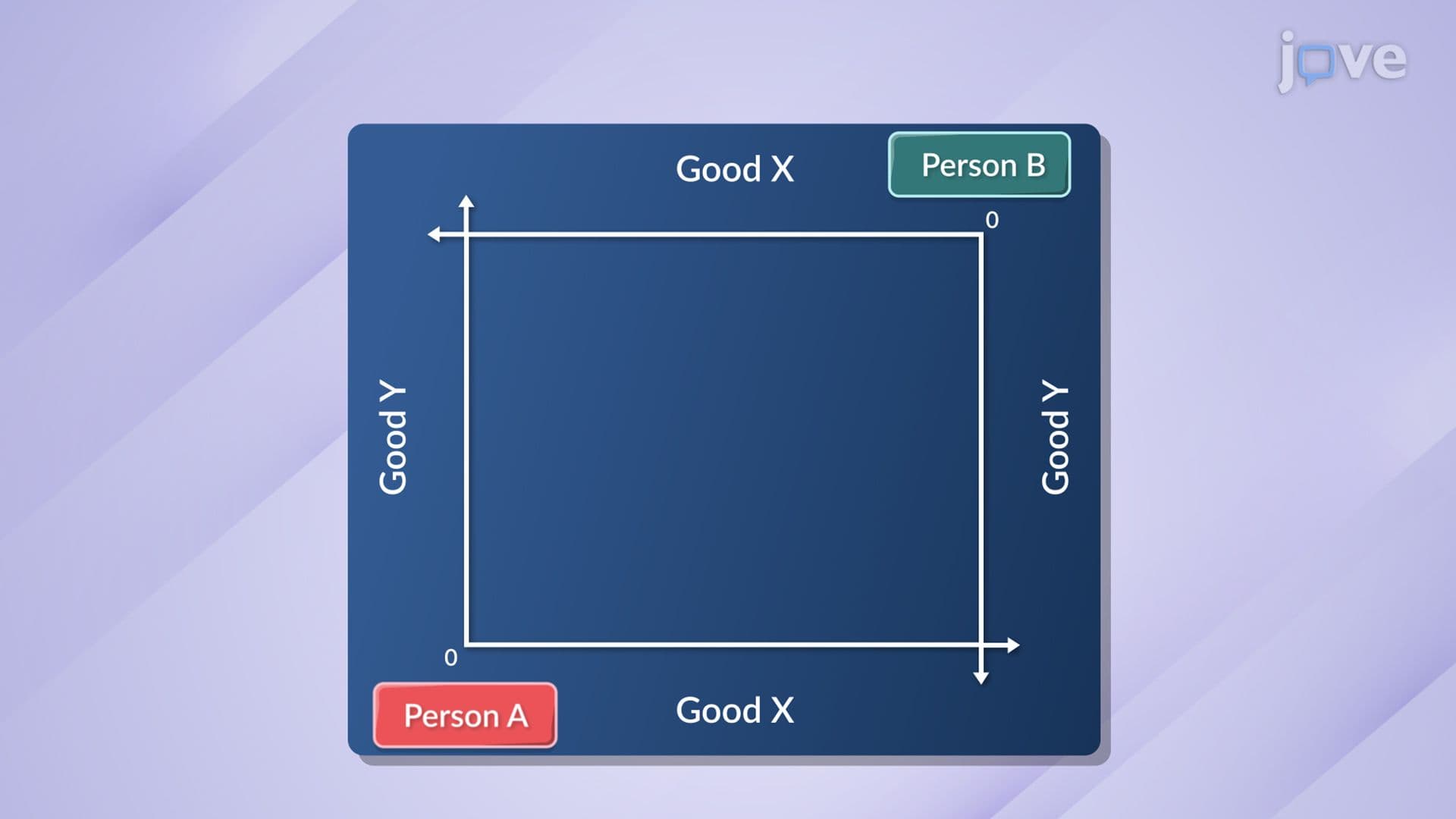
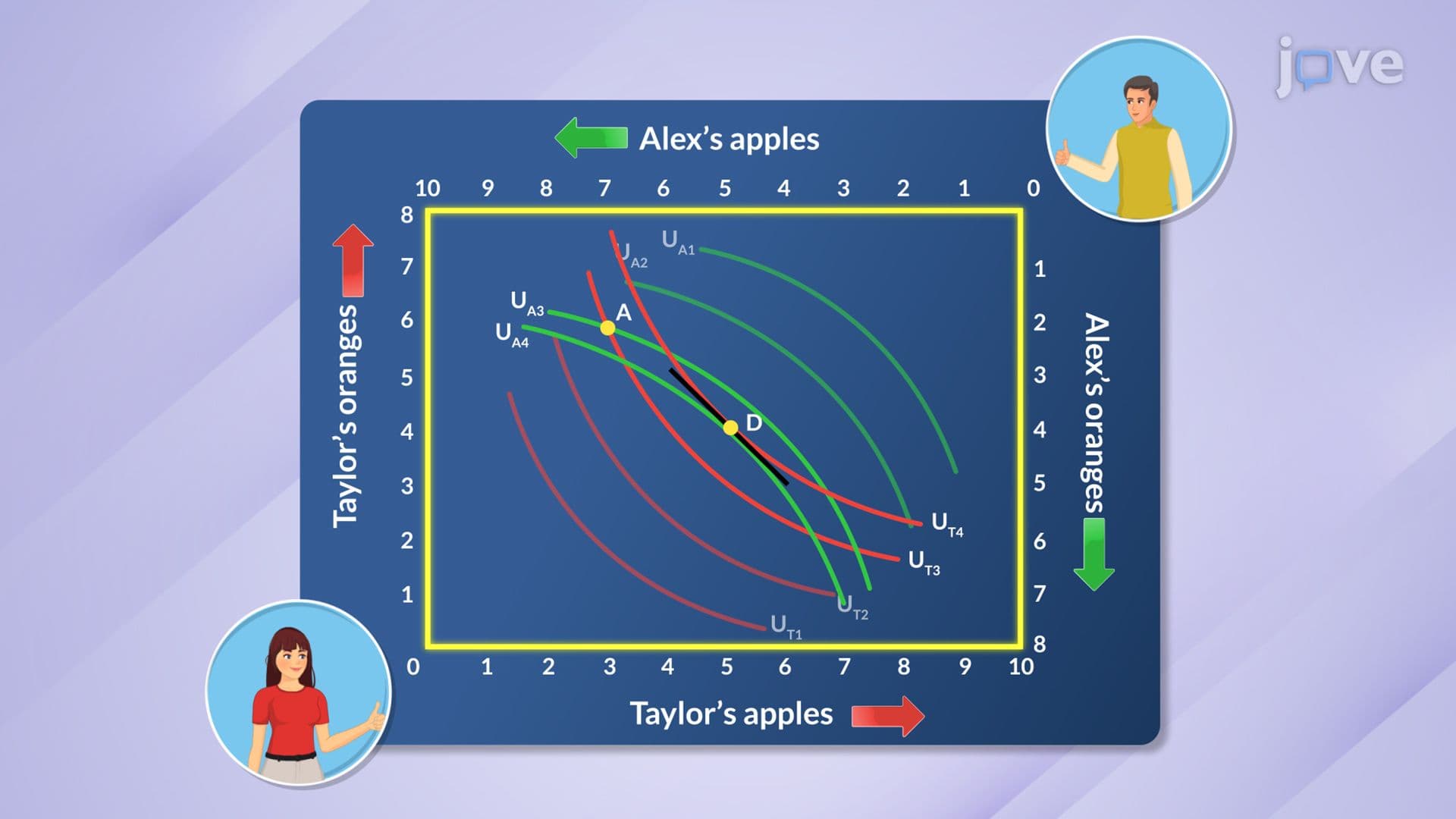
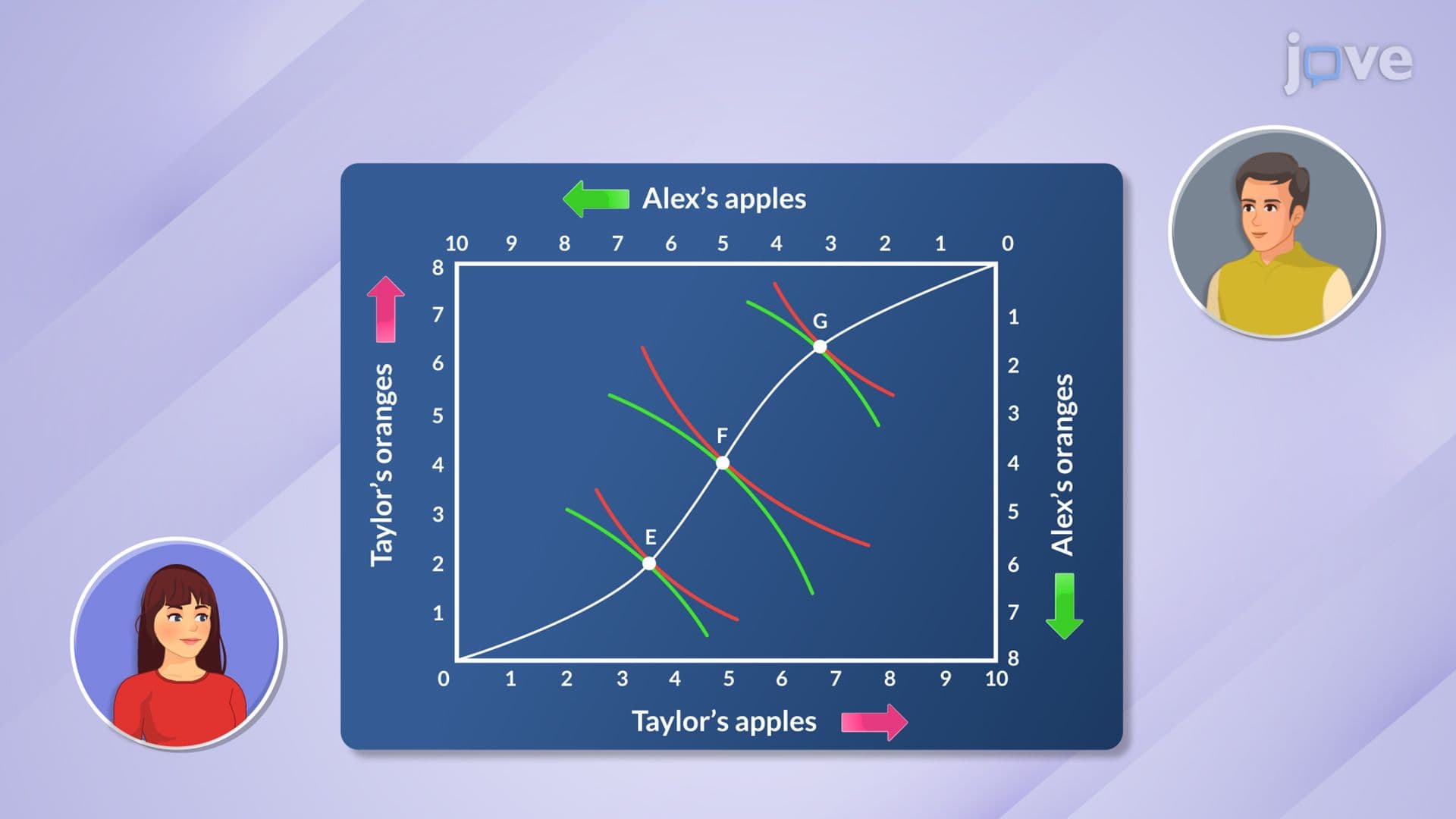
4. Exchange Efficiency Through Edgeworth Box Analysis: The Edgeworth Box visualizes how two parties can efficiently allocate fixed goods between them. Using indifference curves, it shows all possible distributions of items like apples and oranges between two consumers. Efficient allocations occur where indifference curves are tangent, meaning both parties have equal marginal rates of substitution. This analysis applies to international trade negotiations, corporate resource sharing, and household budget decisions.
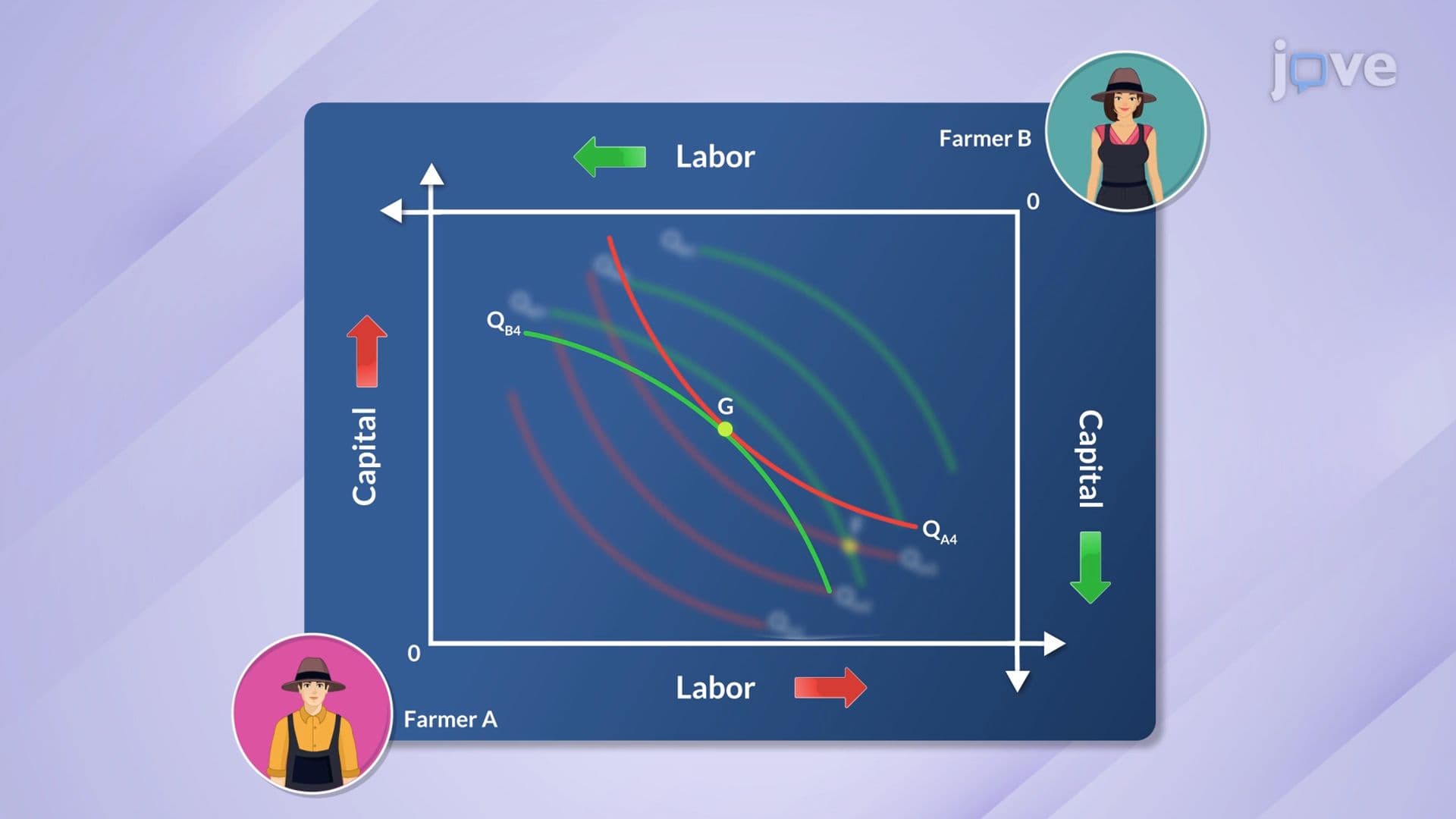
5. Production Efficiency and Input Allocation: Input efficiency determines how resources like labor and capital distribute across different production activities. Should skilled programmers work for Silicon Valley tech companies or government cybersecurity? The production contract curve shows all efficient input allocations where firms have equal marginal rates of technical substitution. This concept guides workforce development policies, federal research funding allocation, and regional economic development strategies across American industries.
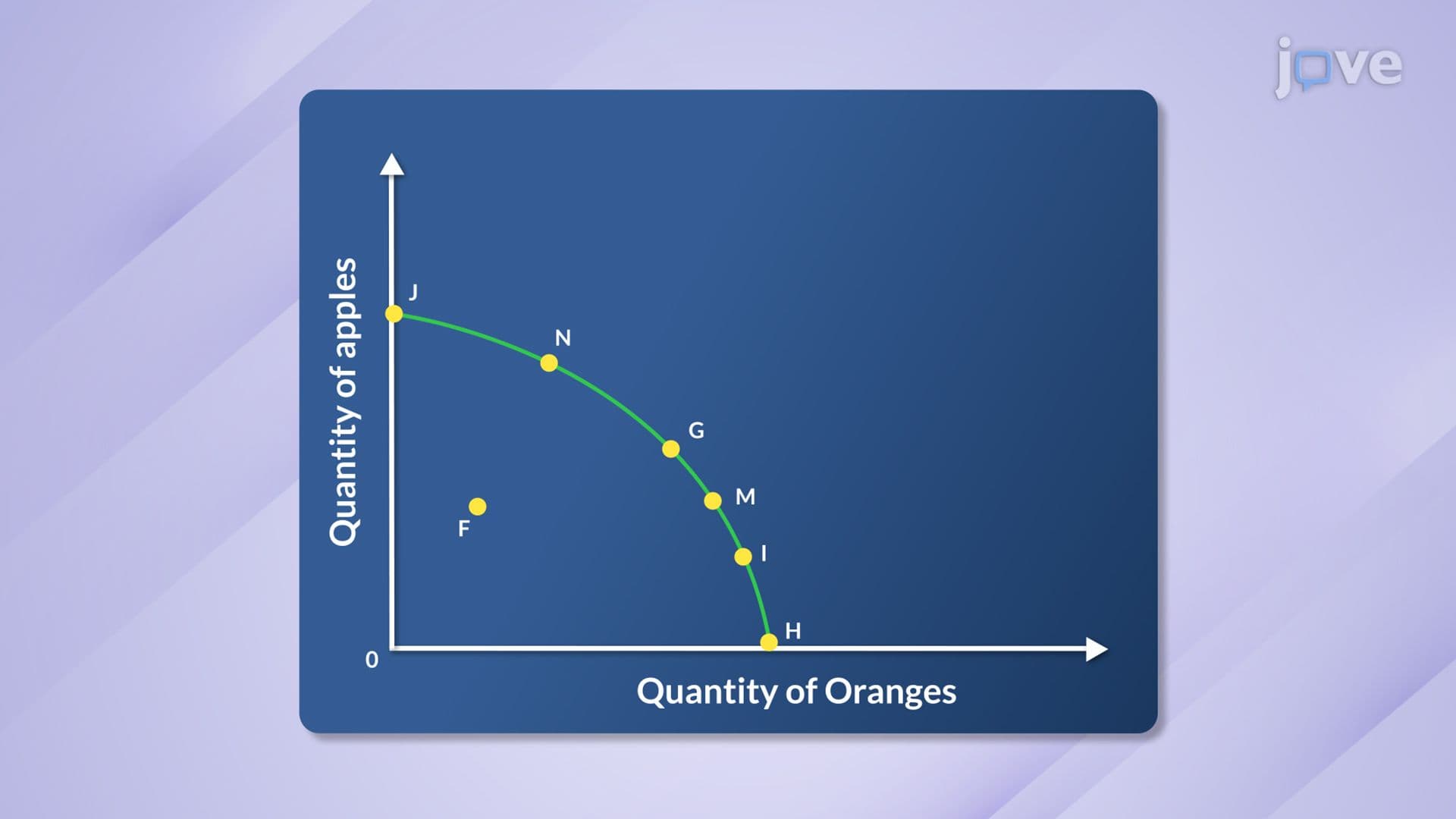
6. Production Possibility Frontier and Output Mix: The Production Possibility Frontier (PPF) represents maximum output combinations given available resources and technology. Its downward slope reflects opportunity costs-producing more electric vehicles requires sacrificing gasoline car production. The Marginal Rate of Transformation quantifies these trade-offs. Output efficiency requires this rate to equal consumers' Marginal Rate of Substitution, ensuring production matches preferences in markets from renewable energy to agricultural products.
7. Welfare Theorems and Market Performance: The First Welfare Theorem proves that perfectly competitive markets achieve Pareto efficiency under ideal conditions-no externalities, perfect information, rational actors, and complete markets. Real-world limitations like pollution externalities, information asymmetries, and irrational behavior reduce efficiency. The Second Welfare Theorem shows any efficient allocation can be achieved through lump-sum transfers, providing theoretical justification for redistribution policies while maintaining market mechanisms.