Loading concepts…


10 Concepts
21 Concepts
12 Concepts
8 Concepts
22 Concepts
20 Concepts
14 Concepts
12 Concepts
11 Concepts
7 Concepts
14 Concepts
8 Concepts
11 Concepts
22 Concepts
21 Concepts
21 Concepts
15 Concepts
22 Concepts
9 Concepts
6 Concepts
 22 Concepts
 5K Views
 Popular topics


















Game theory examines strategic decision making situations where individual outcomes depend on the collective choices of all participants. This comprehensive course covers fundamental concepts through real-world applications, from competing businesses and market dynamics to political negotiations and resource allocation scenarios commonly seen in the US economy. Master these analytical frameworks with JoVE Coach's structured approach to understanding strategic interactions.
1. Foundations of Strategic Decision Making Game theory provides a mathematical framework for analyzing situations where multiple decision-makers interact strategically. Unlike simple optimization problems, game theory recognizes that optimal choices depend on what others do. Consider two major retailers like Target and Walmart deciding on Black Friday pricing strategies. Each store must anticipate competitor responses when setting prices, as their success depends not just on their own strategy but on how competitors react. This interdependence creates the strategic complexity that game theory helps analyze, making it essential for understanding everything from corporate competition to international trade negotiations.
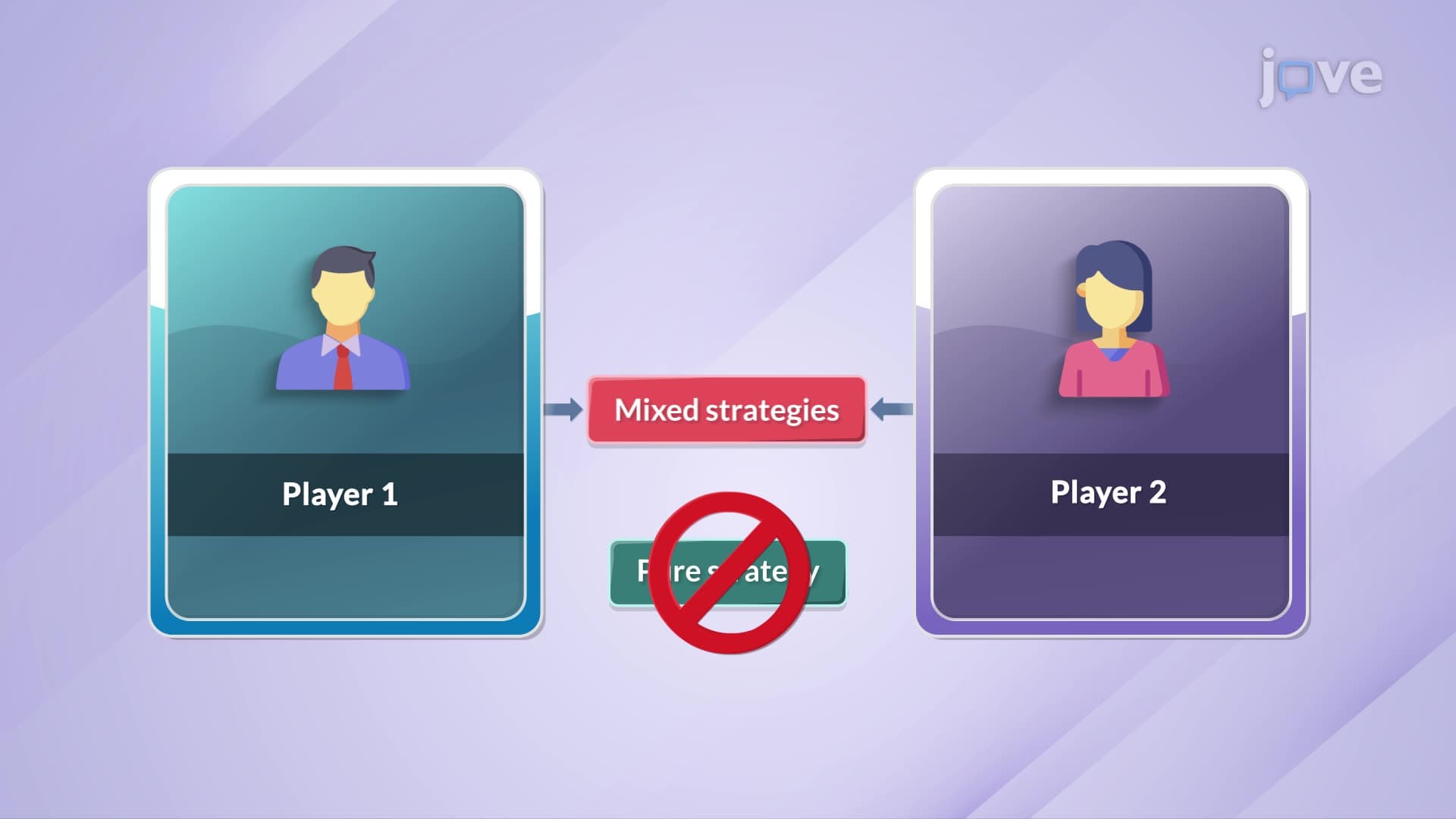
2. Players, Strategies, and Payoff Structures Every strategic situation involves players (decision-makers), strategies (available actions), and payoffs (outcomes). Players can be individuals, companies, or even countries. Strategies may be pure (choosing one specific action) or mixed (randomizing between options). For instance, when Netflix and Disney+ compete for subscribers, each platform represents a player. Their strategies include content investment levels, pricing tiers, and release schedules. Payoffs measured in subscriber growth, revenue, or market share depend on both companies' strategic choices. Understanding these fundamental components allows systematic analysis of any competitive situation.
3. Nash Equilibrium and Strategic Stability Nash equilibrium occurs when each player chooses their best response to others' strategies, creating stability where no one benefits from unilateral deviation. In the classic prisoner's dilemma, two suspects face interrogation separately. Despite mutual cooperation yielding better collective outcomes, individual incentives lead both to confess, creating a stable but suboptimal equilibrium. This concept explains why gas stations on the same intersection often charge similar prices, why countries engage in arms races, and why students might not collaborate even when cooperation would benefit everyone. Nash equilibrium predicts outcomes in strategic interactions across economics, politics, and social situations.
4. Dominant Strategies and Strategic Elimination Dominant strategies always provide the best payoff regardless of opponents' choices, simplifying decision-making considerably. When McDonald's decides whether to introduce healthier menu options, if customer research shows health-conscious choices always increase profits regardless of competitor actions, this becomes a dominant strategy. Conversely, dominated strategies never optimal and can be eliminated from consideration. This process of iterative elimination helps solve complex games by progressively removing inferior options until clear strategic paths emerge, making it a powerful analytical tool for business strategy and policy analysis.
5. Zero-Sum vs Non-Zero-Sum Games Zero-sum games feature fixed total payoffs where one player's gain equals another's loss, like poker or sports competitions. However, most real-world situations are non-zero-sum, allowing mutual benefit or shared losses. When Apple and Samsung compete in smartphones, their success isn't purely at each other's expense both can profit by expanding the overall market or developing complementary technologies. Trade agreements between countries typically create positive-sum outcomes where both nations benefit. Understanding this distinction helps identify opportunities for cooperation versus pure competition, influencing everything from business partnerships to international diplomacy strategies.
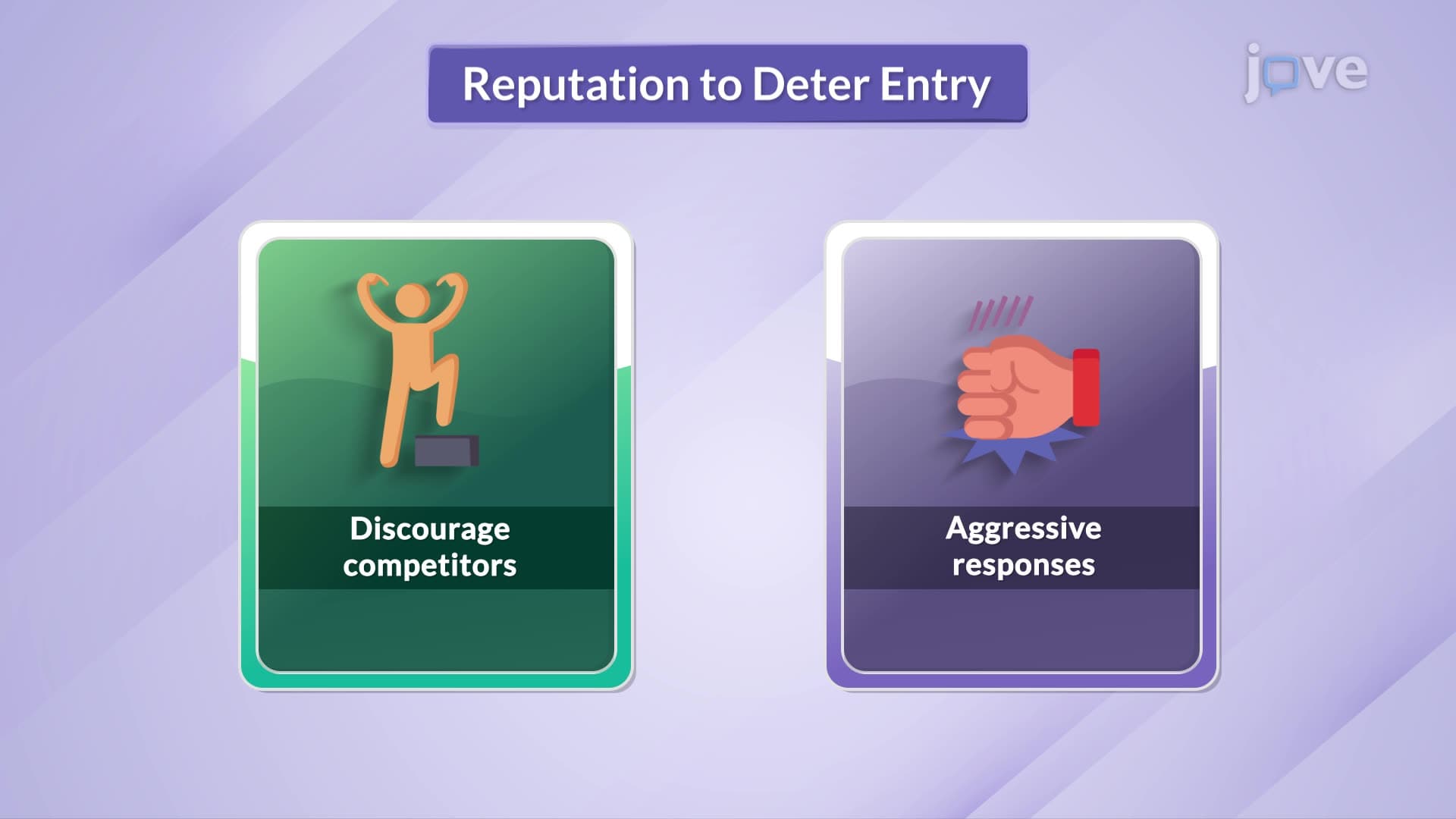
6. Sequential Games and Backward Induction Sequential games involve players moving in order, with later players observing earlier actions before deciding. Backward induction solves these games by working backward from final decisions to determine optimal strategies throughout. Consider Amazon's decision to enter a new market, followed by existing competitors choosing whether to fight or accommodate entry. By anticipating how competitors will respond to entry, Amazon can make better initial decisions. This analysis method proves crucial for understanding market entry strategies, investment timing, negotiation tactics, and any situation where the sequence of moves matters strategically.
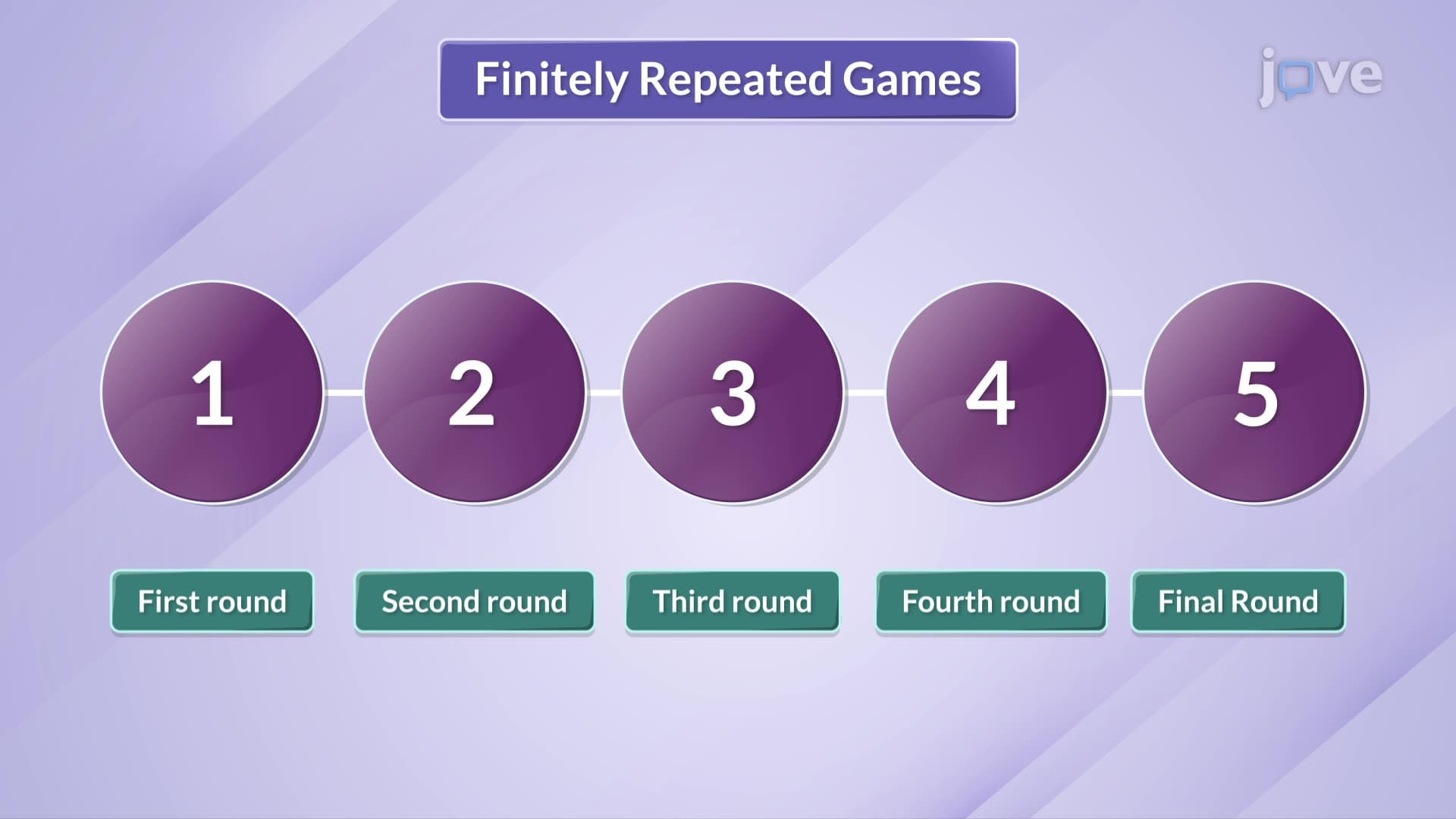
7. Repeated Games and Long-Term Strategy When strategic interactions repeat over time, players must consider long-term consequences of current actions, often enabling cooperation that wouldn't occur in single-shot games. Airlines on the same routes face repeated pricing decisions. While cutting prices might temporarily steal customers, it often triggers price wars that hurt everyone. Through repeated interaction, airlines learn to maintain higher prices, understanding that short-term gains from price cuts are outweighed by long-term losses from retaliation. This explains how cooperation emerges in many business relationships, international agreements, and social situations despite short-term incentives to compete aggressively.