Loading concepts…


10 Concepts
21 Concepts
12 Concepts
8 Concepts
22 Concepts
20 Concepts
14 Concepts
12 Concepts
11 Concepts
7 Concepts
14 Concepts
8 Concepts
11 Concepts
22 Concepts
21 Concepts
21 Concepts
15 Concepts
22 Concepts
9 Concepts
6 Concepts
 11 Concepts
 6.5K Views
 Popular topics






A monopoly represents a market structure where a single seller dominates an entire industry with unique pricing power and no close competitors. This comprehensive course examines how monopolies operate and set prices, exploring everything from profit maximization strategies to government regulation through antitrust laws. Students will analyze real-world examples like Microsoft's Windows dominance and Amazon's market influence. Through JoVE Coach's interactive learning approach, you'll master the economic principles behind monopoly pricing power and understand why these market structures require careful regulatory oversight in the United States economy.
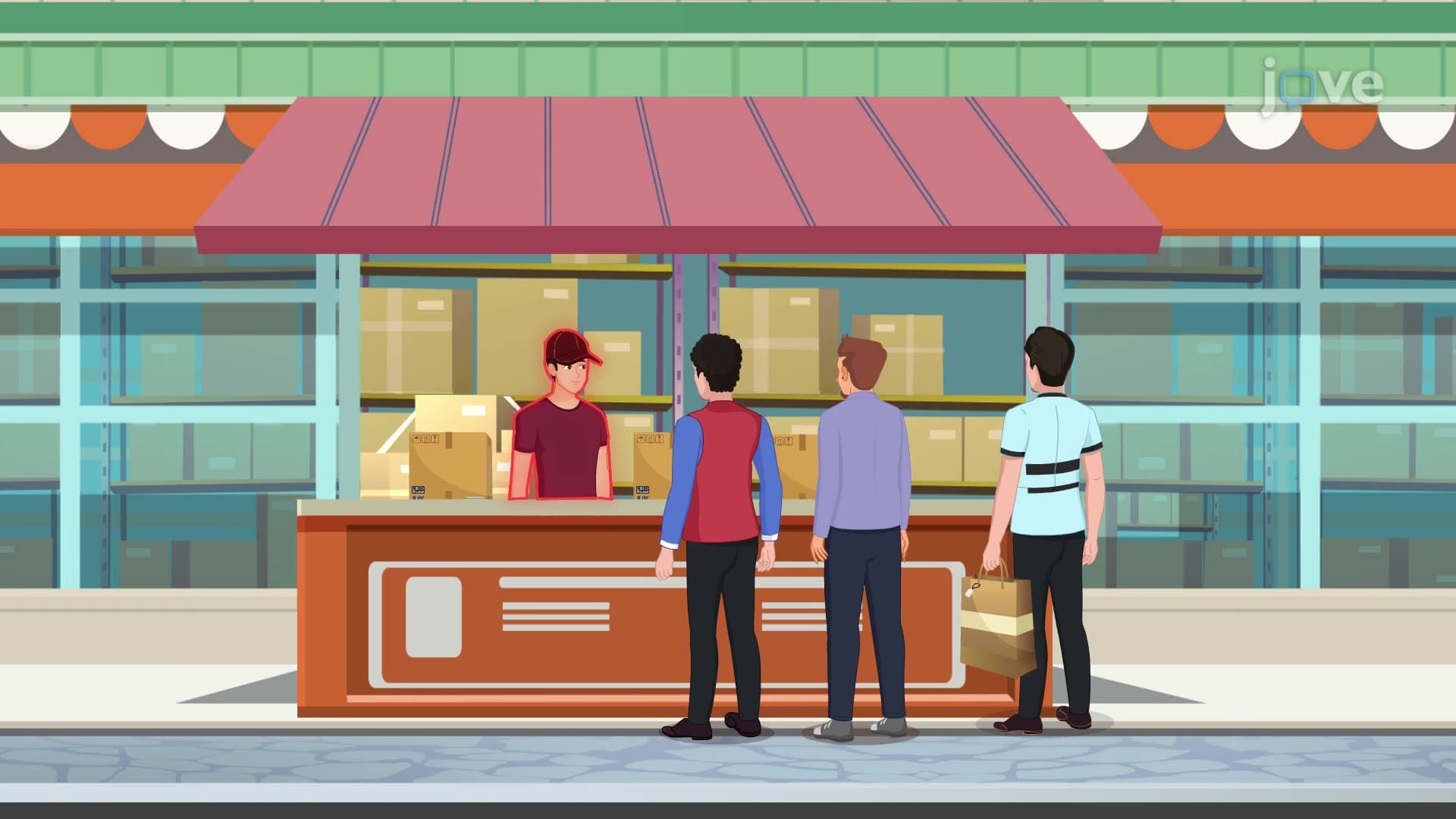
1. Monopoly Market Structure and Characteristics Understanding what defines a monopoly begins with recognizing its key features: single seller dominance, unique products without close substitutes, and significant barriers to entry. Unlike competitive markets, monopolists act as price makers rather than price takers, giving them substantial control over market outcomes. Real-world examples include Microsoft's historical dominance in operating systems and De Beers' control over diamond markets. These market structures emerge when companies gain exclusive access to resources, benefit from government-granted privileges, or develop technological advantages that competitors cannot easily replicate.
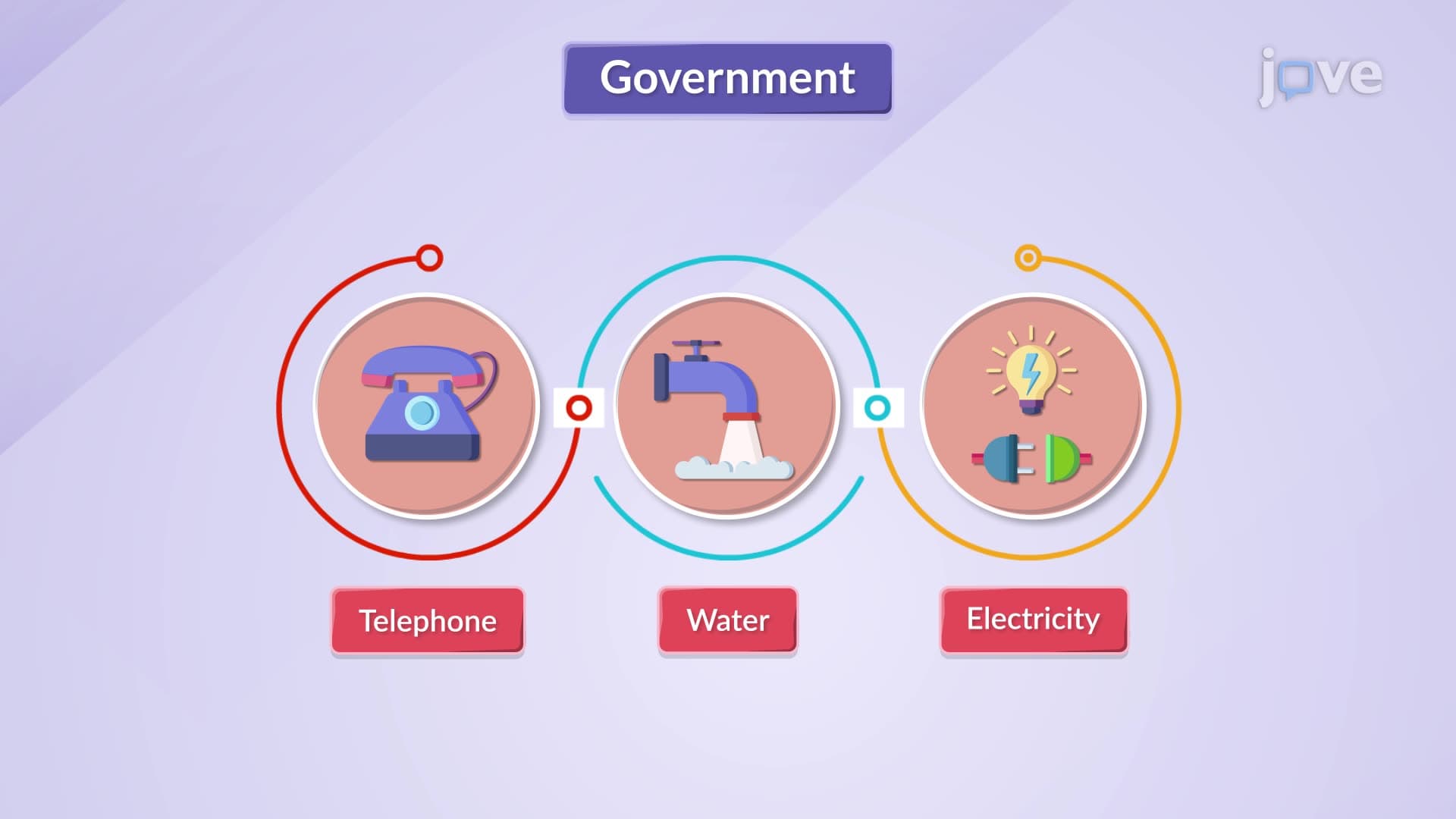
2. Formation and Barriers to Entry Monopolies don't emerge randomly-they result from specific economic conditions that prevent competition. High startup costs in industries like telecommunications create natural barriers, while legal protections such as patents provide temporary monopoly rights to innovators. Network effects, where products become more valuable as more people use them, explain how platforms like Facebook maintain dominance. Government grants of exclusive rights in utilities sectors and strategic acquisitions, like Amazon's purchase of Whole Foods, demonstrate how monopolies form and maintain their market position through various economic mechanisms.
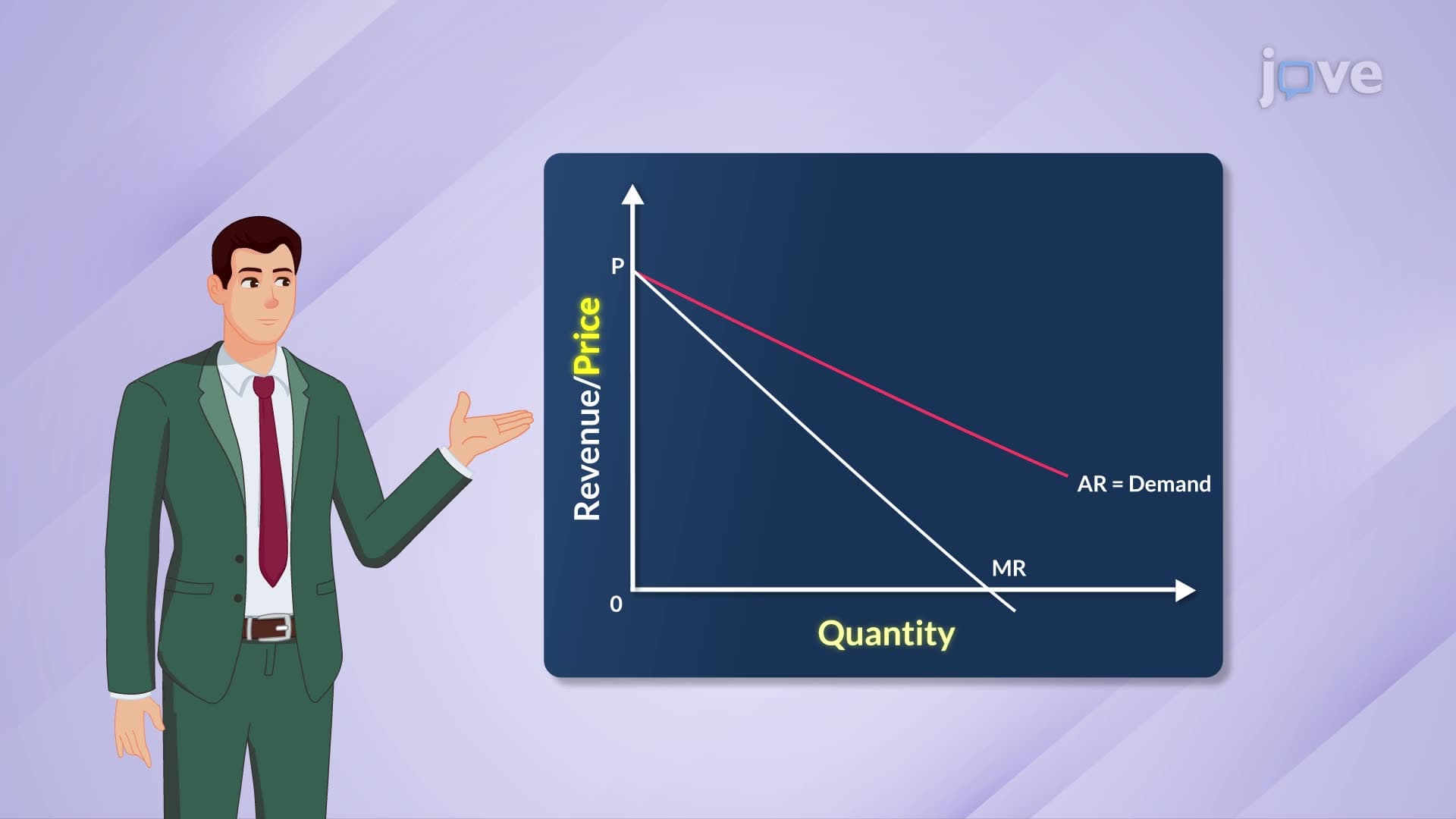
3. Monopoly Pricing Power and Demand Analysis The demand curve facing a monopolist differs fundamentally from those in competitive markets, sloping downward and representing both the market demand and the firm's average revenue curve. This relationship explains how monopolies operate and set prices-they must lower prices to sell additional units, making their marginal revenue curve steeper than the demand curve. The relatively inelastic nature of demand in monopolistic markets means consumers have limited alternatives, allowing monopolists to maintain higher prices with smaller quantity reductions than would occur in competitive markets.
4. Revenue Structures and Profit Maximization Monopoly profit maximization follows the fundamental economic principle where marginal cost equals marginal revenue, but the unique market structure creates distinct revenue patterns. Total revenue initially increases as output expands but eventually decreases as price reductions necessary for additional sales outweigh quantity gains. Understanding this relationship helps explain why monopolists produce less and charge more than competitive firms would. The profit-maximizing output level occurs where the marginal cost curve intersects the marginal revenue curve from below, ensuring optimal resource allocation for the monopolist while potentially creating deadweight loss for society.
5. Price Discrimination Strategies Monopolists can enhance profits through price discrimination-charging different prices to different consumers for identical goods. First-degree discrimination captures maximum consumer surplus through personalized pricing, as seen in auction markets. Second-degree discrimination uses quantity-based pricing structures, common in telecommunications data plans. Third-degree discrimination segments markets by demographics, evident in student movie discounts or senior citizen restaurant specials. These strategies allow monopolists to extract additional value while raising important questions about fairness and economic efficiency in market outcomes.
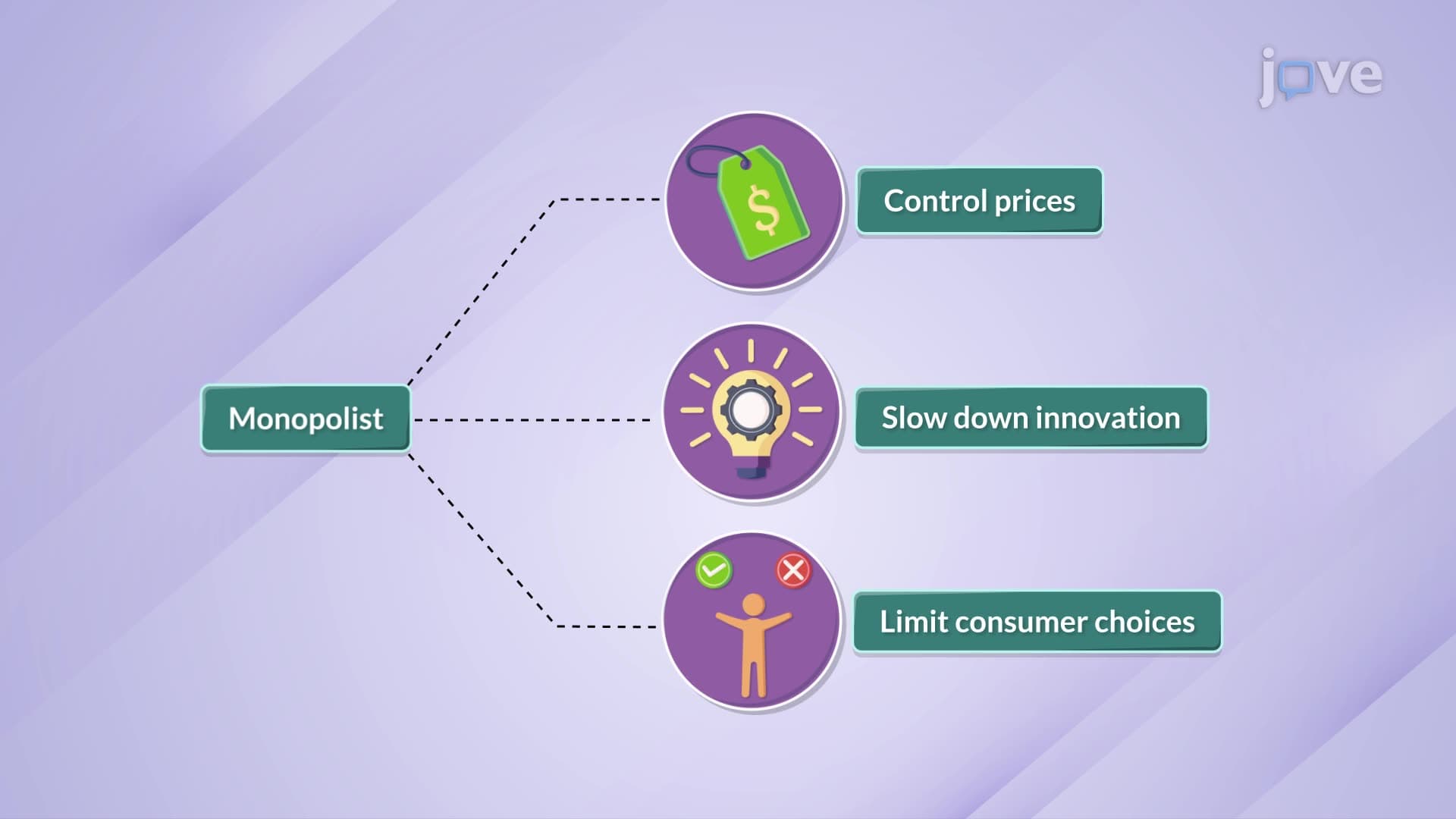
6. Government Regulation and Antitrust Policy The United States employs multiple approaches to address monopoly power, recognizing that unchecked market dominance can harm consumer welfare. Antitrust laws, exemplified by the Microsoft case in 2001, prohibit practices like price fixing, market allocation, and monopolization. Regulatory agencies like the Federal Energy Regulatory Commission oversee specific industries to ensure fair pricing and service quality. These interventions aim to balance the potential efficiencies that large firms can achieve with the need to protect consumers from exploitation and maintain competitive market dynamics.
7. Monopsony and Buyer Power While monopolies focus on single sellers, monopsony situations involve single buyers with significant market power. Large retailers like Amazon and Walmart exercise monopsony power over suppliers, influencing prices, terms, and conditions throughout supply chains. In labor markets, single employers in small towns can act as monopsonists, potentially depressing wages below competitive levels. Understanding monopsony helps explain how market power operates from the demand side and why antitrust considerations must address both seller and buyer concentration in modern economies.