Loading video…


 11 Concepts
 6.5K views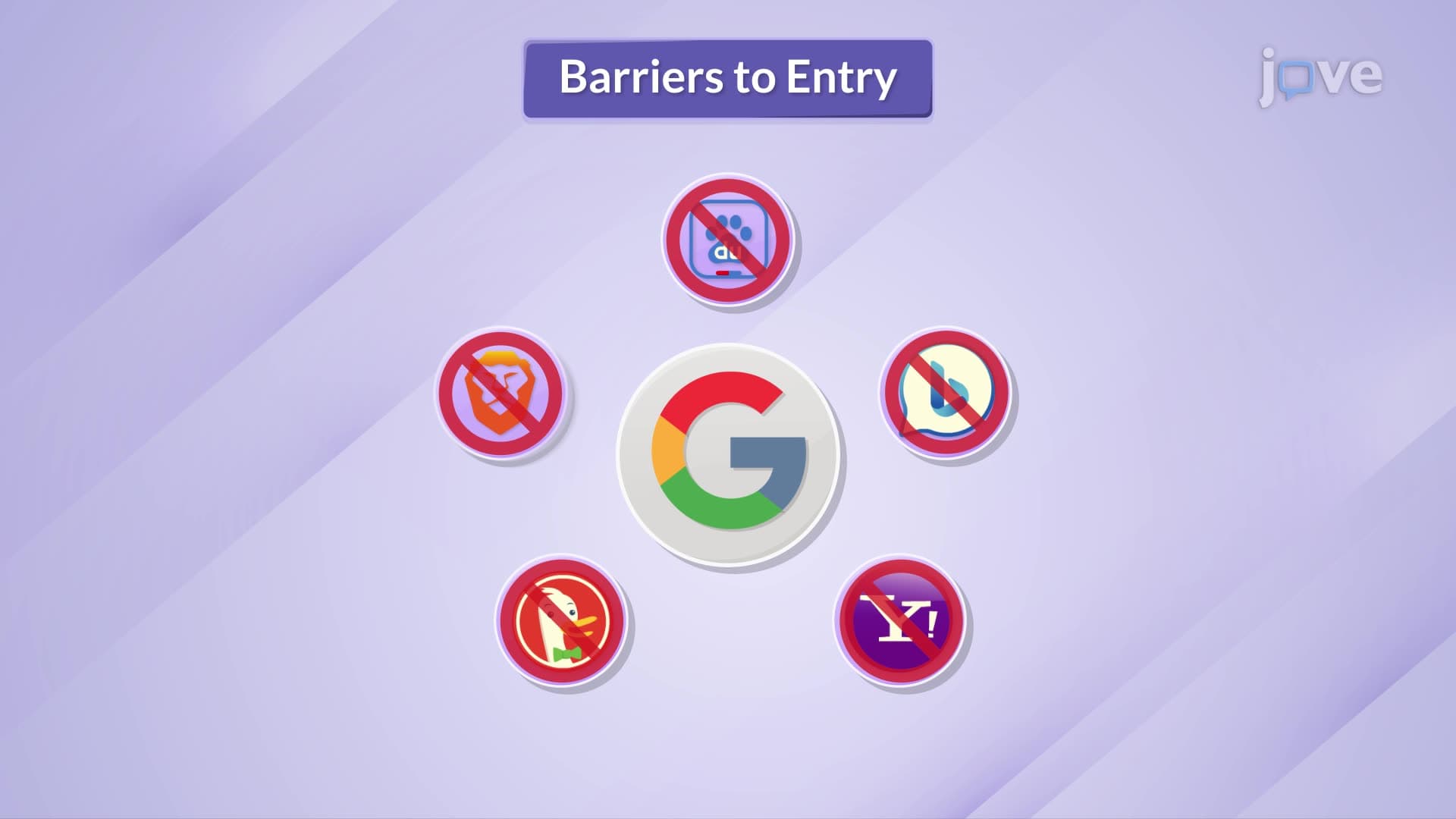

Video Summary: What Is Monopoly
Ever wonder how Microsoft controlled 95% of personal computer operating systems in the late 1990s? A monopoly represents the ultimate market power-one company dominating an entire industry without competition. When examining what is monopoly in economics, we see firms like Google commanding over 90% of U.S. search engine market share, setting prices and controlling innovation. These market giants create barriers that keep competitors out through massive startup costs, exclusive resources, or advanced technology. Watch the full video on JoVE Coach to master this concept with expert-led visuals and step-by-step explanations.
A monopoly represents the most concentrated form of market power in economics, where a single firm controls an entire market for a specific product or service. Unlike competitive markets where multiple firms vie for customers, monopolies operate without direct competition, giving them extraordinary control over pricing, production, and market conditions. This market structure fundamentally alters the traditional supply-and-demand relationship that students encounter in AP Economics and college microeconomics courses.
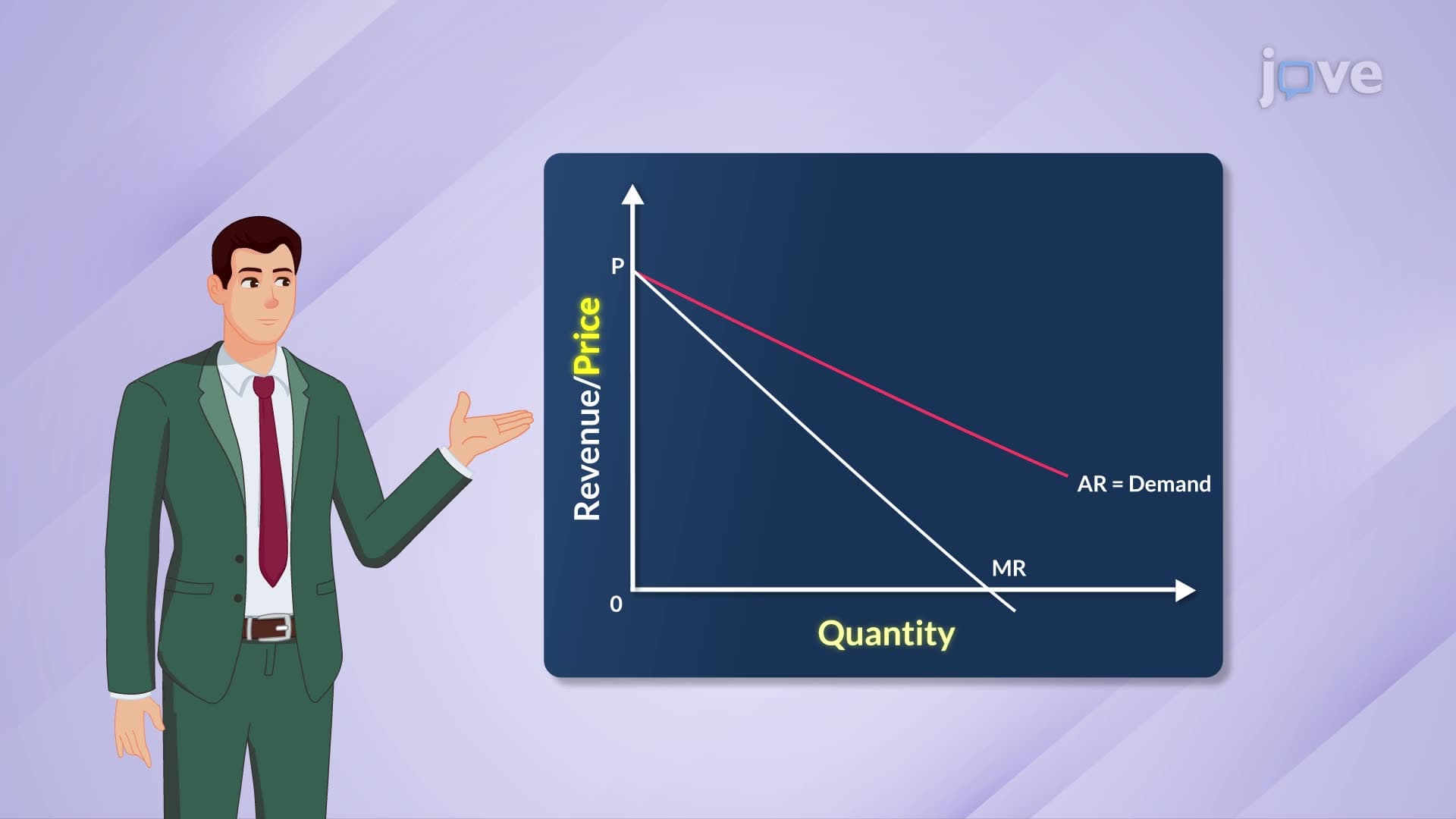
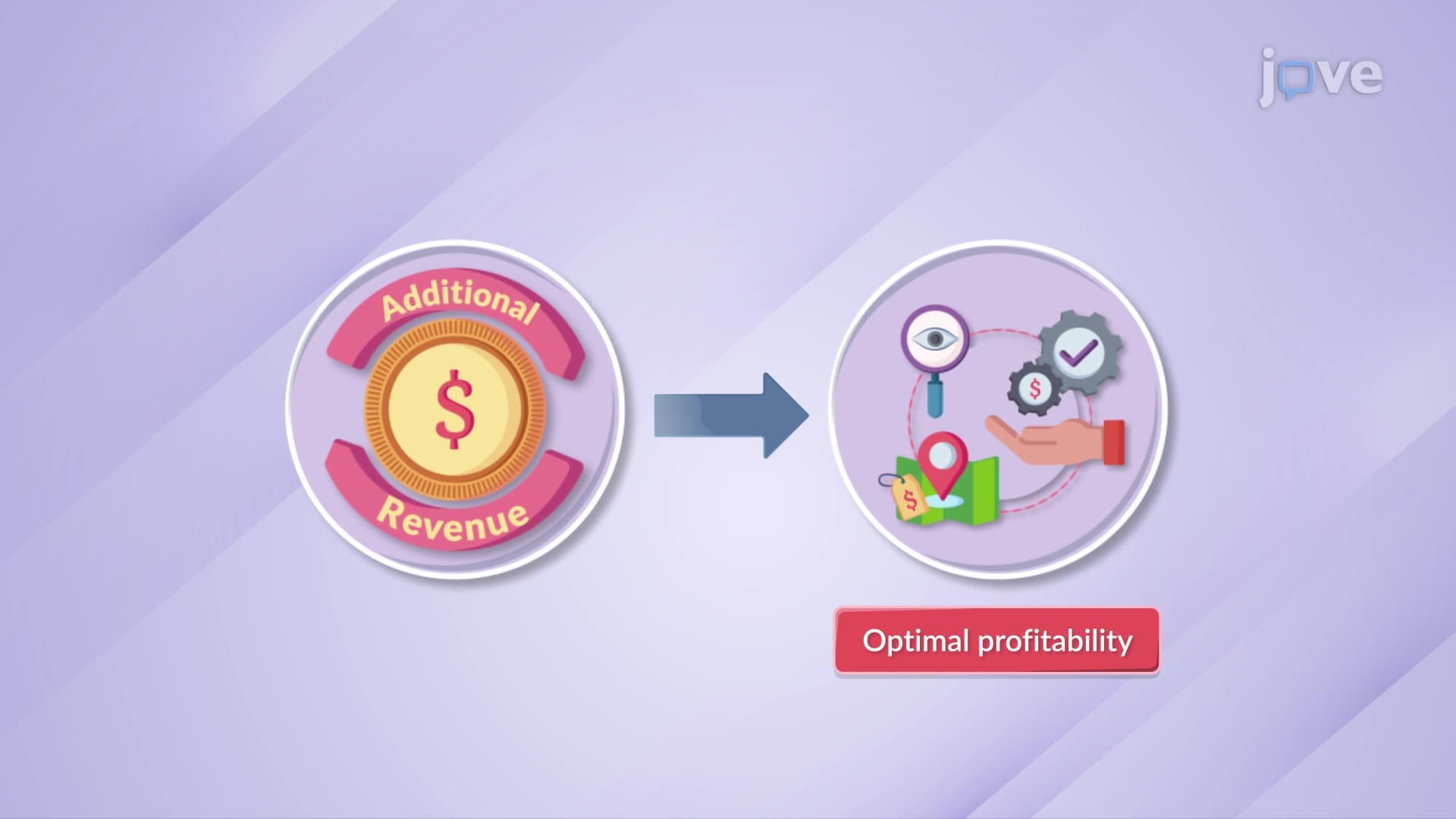
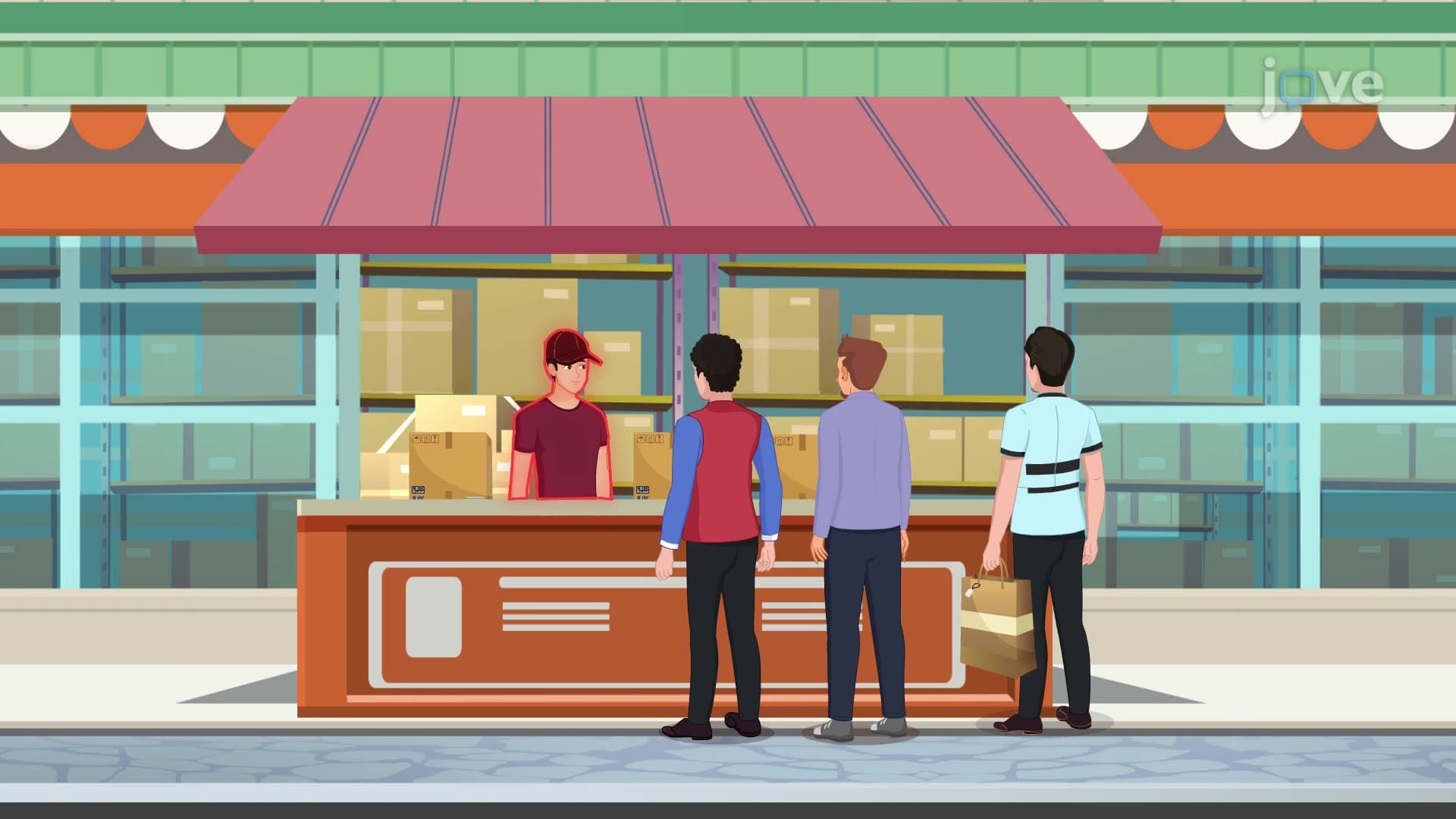
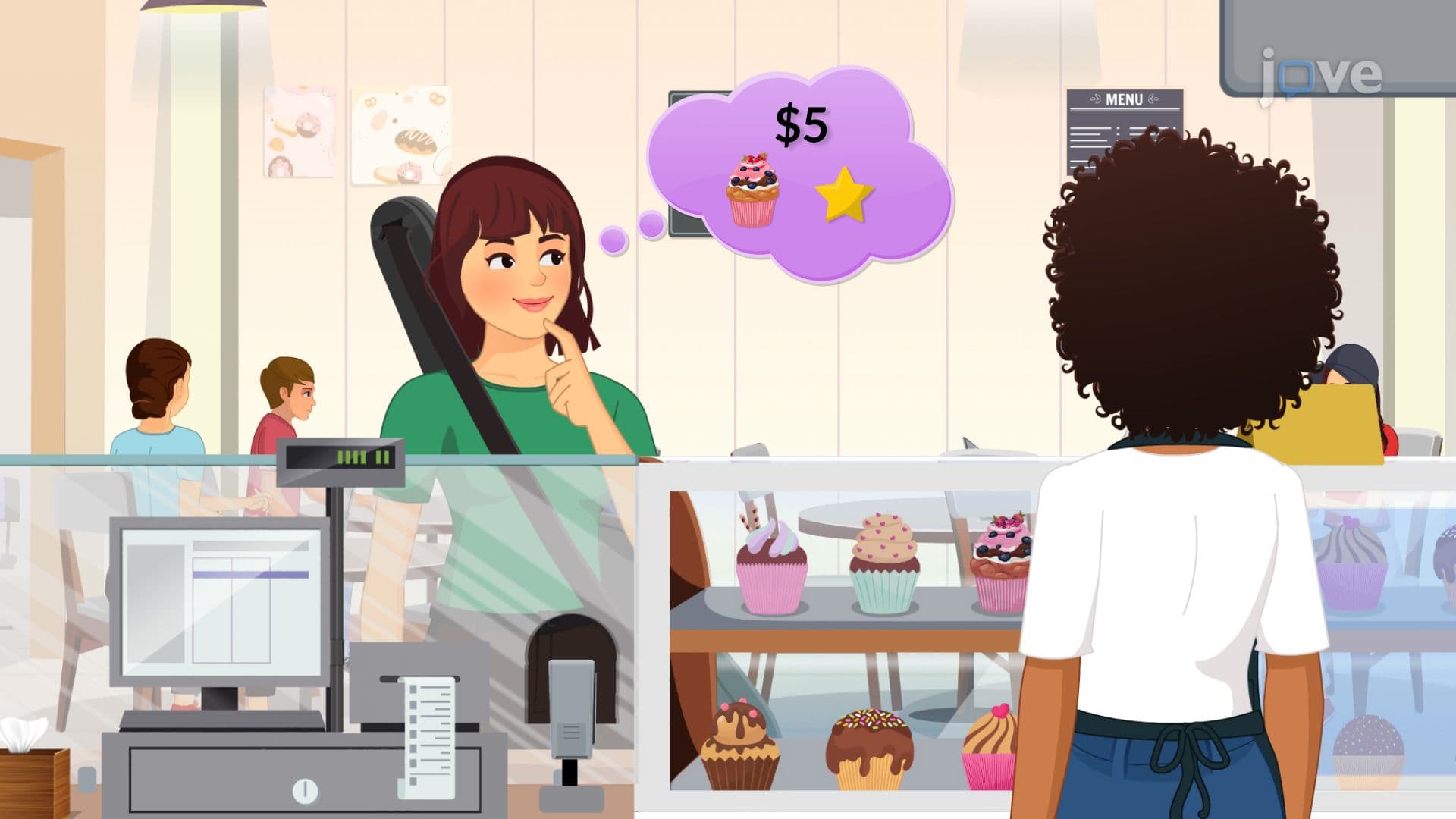
The monopoly definition explained centers on four critical features that distinguish it from other market structures. First, monopolies involve a single seller-only one firm provides the product or service. Second, the monopolist offers a unique product with no close substitutes, meaning consumers cannot easily switch to alternatives. Third, the monopolist acts as a price maker, setting prices based on profit maximization rather than accepting market-determined prices. Finally, significant barriers to entry prevent competitors from entering the market.
Consider how Amtrak maintains a monopoly over intercity passenger rail service in most U.S. corridors. Despite potential demand for competition, the massive infrastructure investment required-billions for new rail lines-creates an insurmountable barrier for new entrants. This exemplifies how economic barriers protect monopolistic positions.
Understanding barriers to entry proves crucial for students tackling SAT Subject Tests or college economics exams. Economic barriers include enormous startup costs, like the $10 billion investment needed to build a new semiconductor fabrication plant, effectively limiting competition in chip manufacturing to companies like Intel and AMD in specific market segments.
Resource barriers occur when monopolists control essential inputs. De Beers historically controlled diamond mining and distribution, maintaining market dominance through exclusive access to diamond mines. Legal barriers include patents, which grant temporary monopolies to encourage innovation. Pharmaceutical companies receive 20-year patents on new drugs, allowing them to recoup research and development costs without generic competition.
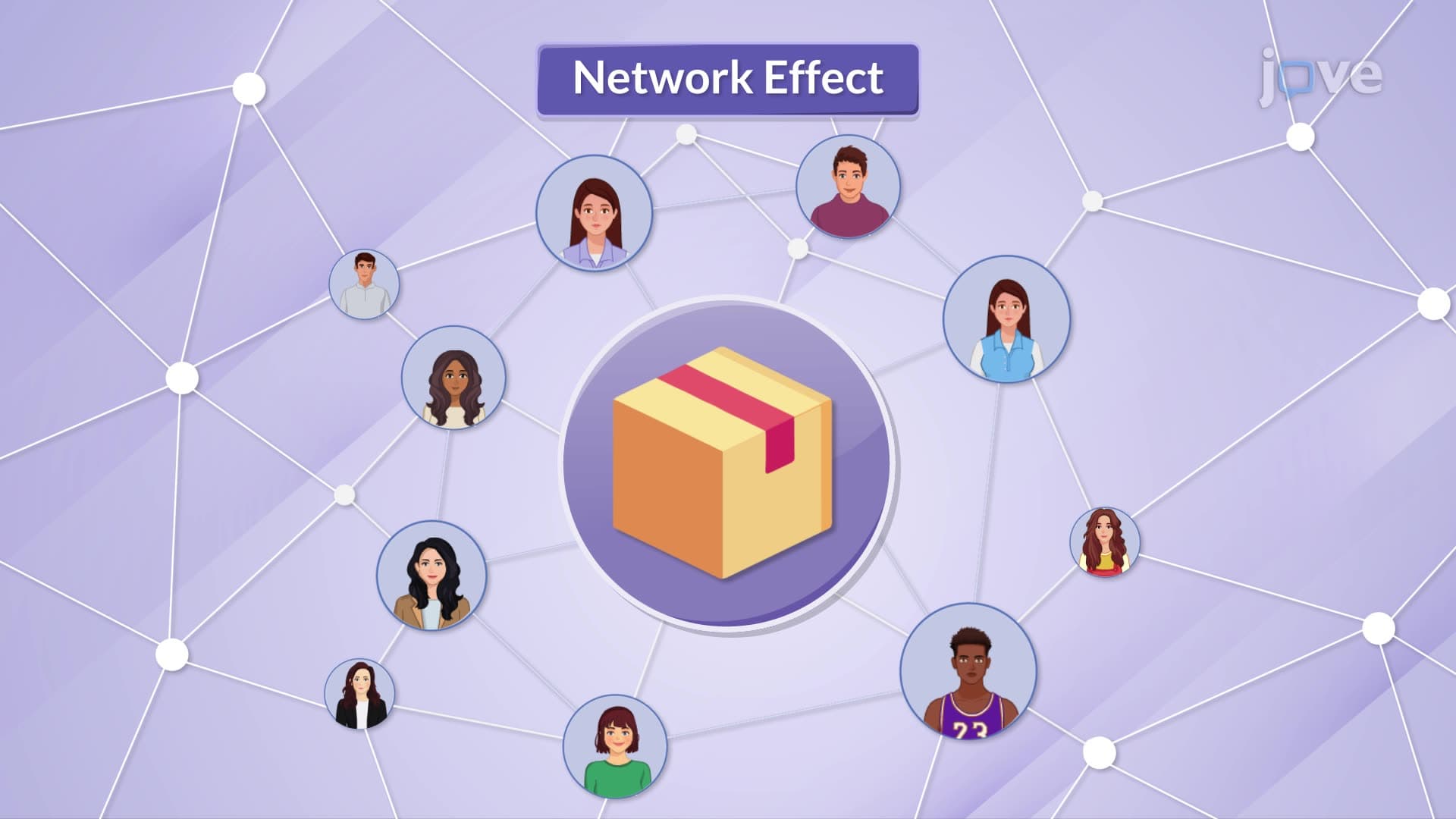
Network effects create modern technological barriers. Facebook's dominance in social networking stems partly from its massive user base-the platform becomes more valuable as more people join, making it difficult for competitors to attract users away from the established network.
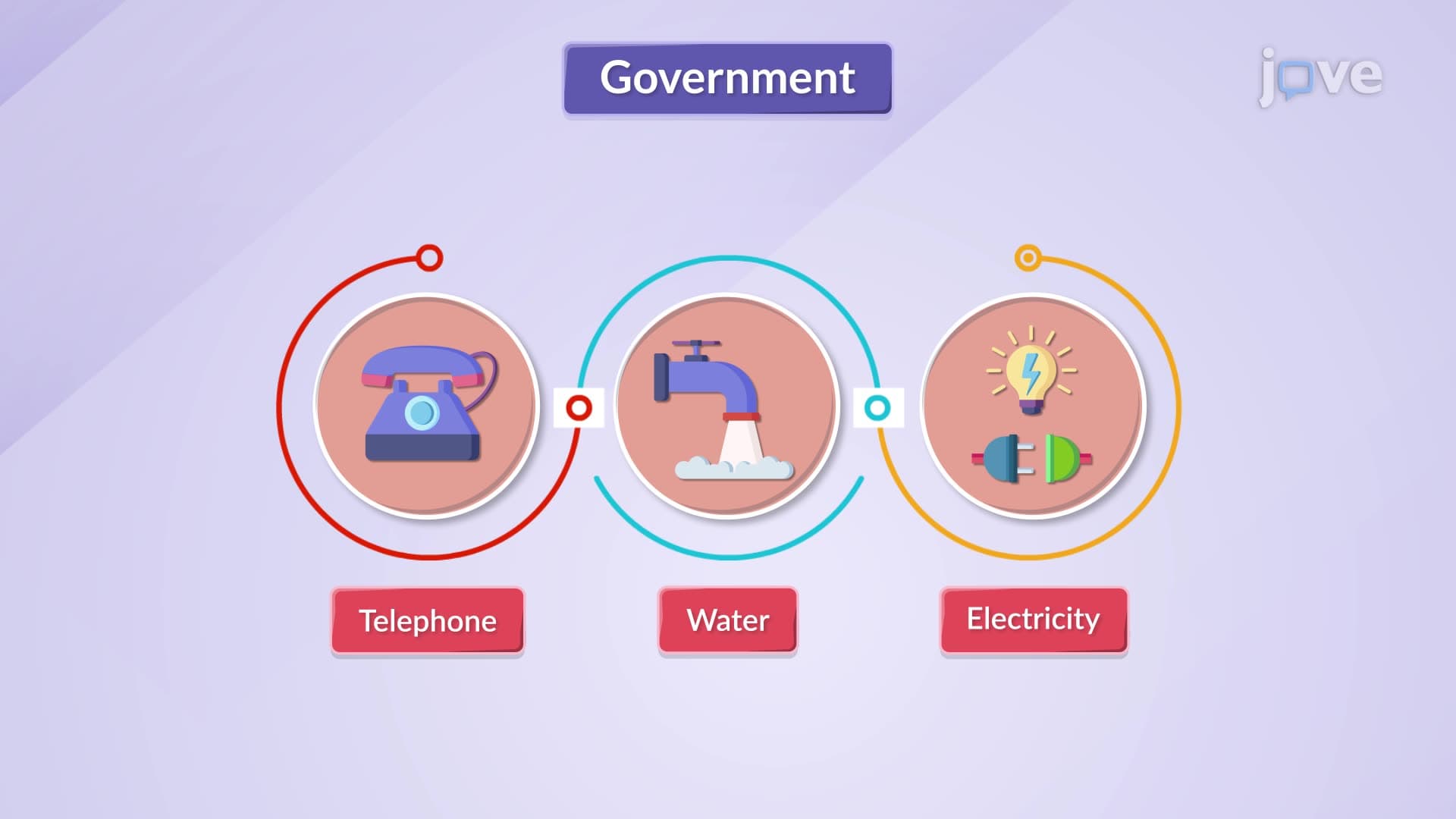
Monopolies present complex economic tradeoffs that frequently appear on AP Economics exams and college coursework. On the positive side, monopolies may achieve economies of scale, reducing per-unit production costs through large-scale operations. Natural monopolies like electric utilities can serve communities more efficiently than multiple competing power companies running separate infrastructure.
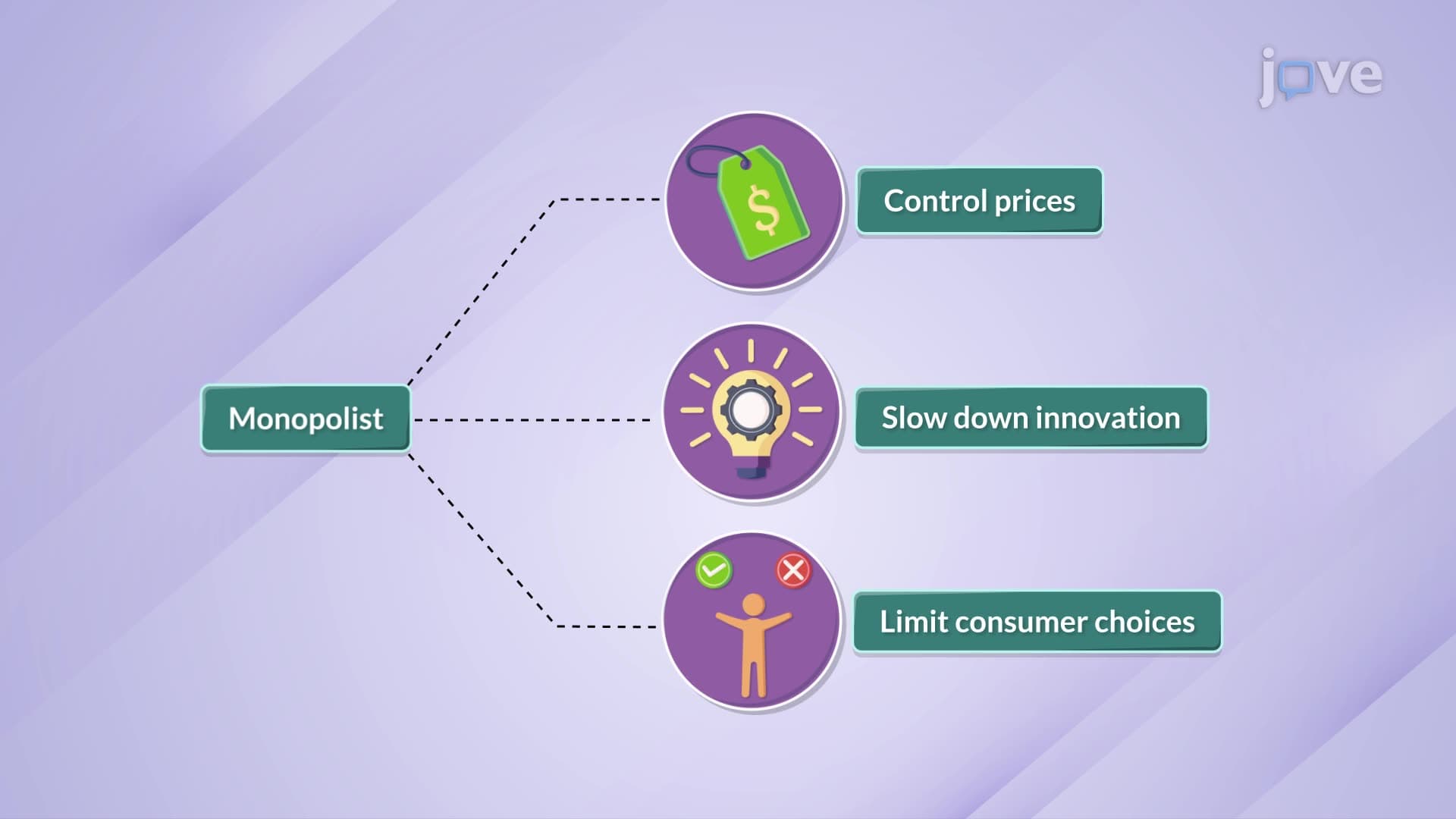
However, monopolistic power typically harms consumer welfare through higher prices and reduced innovation incentives. Without competitive pressure, monopolists may charge prices significantly above marginal costs and invest less in research and development. Microsoft's bundling of Internet Explorer with Windows in the 1990s exemplifies how monopolists can stifle innovation and consumer choice, leading to the landmark antitrust case United States v. Microsoft Corporation.
Related Micro-courses