Loading concepts…


10 Concepts
21 Concepts
12 Concepts
8 Concepts
22 Concepts
20 Concepts
14 Concepts
12 Concepts
11 Concepts
7 Concepts
14 Concepts
8 Concepts
11 Concepts
22 Concepts
21 Concepts
21 Concepts
15 Concepts
22 Concepts
9 Concepts
6 Concepts
 7 Concepts
 5.5K Views
 Popular topics





Monopolistic competition represents a market structure where numerous firms sell differentiated products, giving each business some pricing power while facing competition from close substitutes. This JoVE Coach course explores how monopolistic competition works in markets through product differentiation strategies, advertising decisions, and equilibrium analysis. Students examine real-world examples like restaurant chains and athletic footwear brands to understand this prevalent market structure in the US economy.
1. Market Structure Characteristics: Monopolistic competition features numerous buyers and sellers where each firm produces differentiated products rather than identical goods. Unlike perfect competition, firms have some control over pricing due to product uniqueness, but unlike monopolies, they face competition from close substitutes. The restaurant industry exemplifies this structure - McDonald's competes with Burger King and Subway, but each offers distinct menu items and dining experiences. Entry barriers remain relatively low, allowing new competitors to enter markets, which prevents long-term economic profits and keeps prices competitive for consumers.
2. Product Differentiation Strategies: Firms in monopolistic competition create competitive advantages through product differentiation rather than engaging in pure price competition. This differentiation occurs through quality improvements, design innovations, branding efforts, and superior customer service. Apple differentiates its smartphones from Samsung through iOS software and design aesthetics, while Starbucks distinguishes itself from local coffee shops through premium branding and store atmosphere. Successful differentiation allows firms to charge higher prices and build customer loyalty, though it requires ongoing investment in research, development, and marketing to maintain competitive positions.
3. Advertising and Brand Building: Advertising plays a crucial role in monopolistic competition by communicating product differences to consumers and building brand loyalty. Companies like Nike and Adidas invest heavily in marketing to create emotional connections with customers and reduce price sensitivity. Effective advertising can shift demand curves rightward, increasing sales at given price levels, or make demand more inelastic, allowing firms to charge premium prices. However, advertising costs must be balanced against expected revenue gains, as excessive marketing expenses can erode profitability and force companies to raise prices beyond consumer willingness to pay.
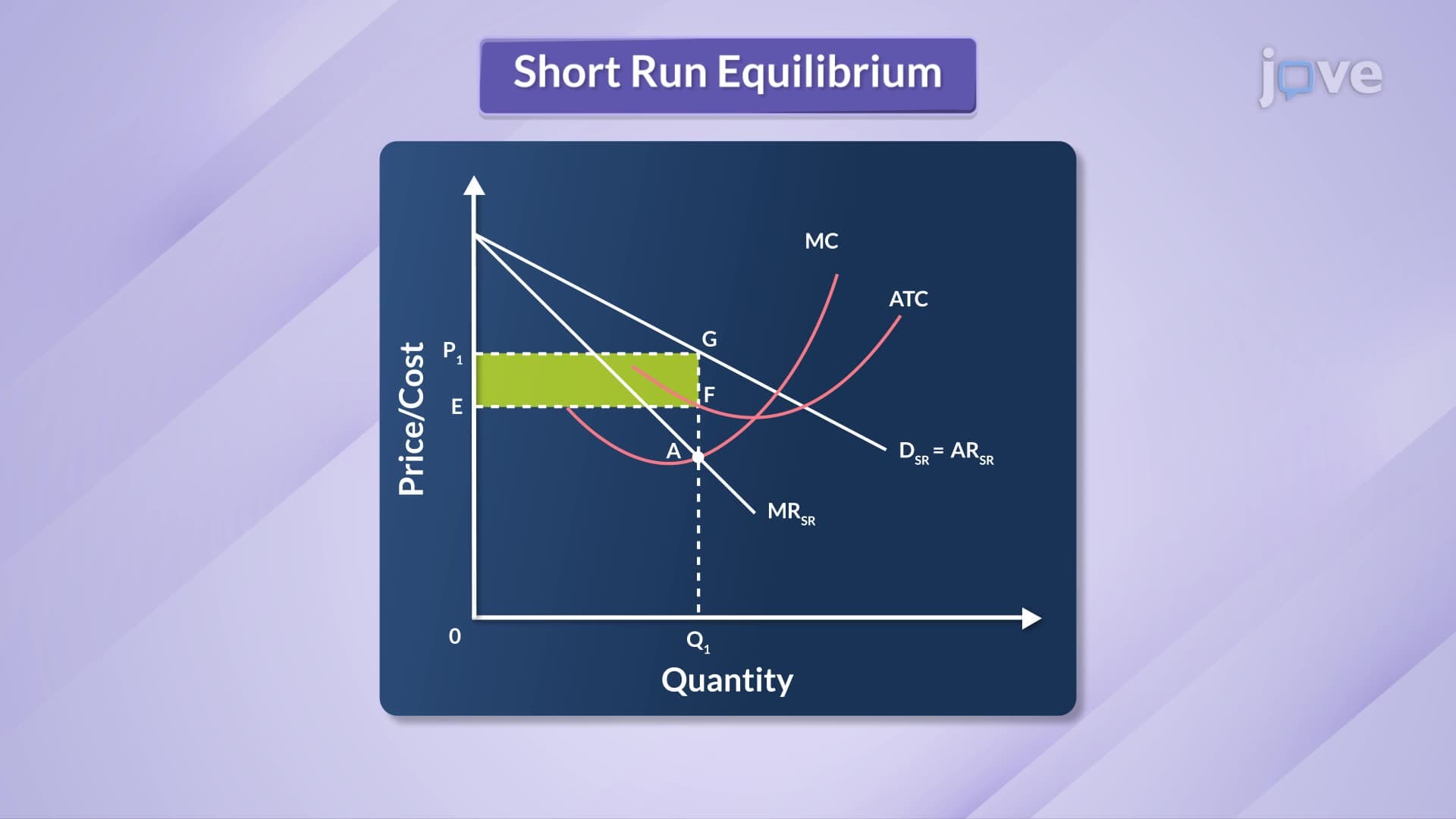
4. Demand and Revenue Curves: In monopolistic competition, firms face downward-sloping demand curves because they must lower prices to sell additional units, unlike perfect competitors who face horizontal demand curves. The marginal revenue curve lies below the average revenue (demand) curve and slopes downward more steeply. When a coffee shop reduces prices to attract more customers, it gains revenue from additional sales but loses revenue on existing customers who could have paid higher prices. This relationship explains why marginal revenue is always less than price and guides firms' production and pricing decisions in maximizing profits.
5. Short-Run and Long-Run Equilibrium: Firms maximize profits by producing where marginal cost equals marginal revenue, but equilibrium outcomes differ between short and long run periods. In the short run, successful firms can earn economic profits when price exceeds average total cost, attracting new market entrants. Long-run equilibrium occurs when entry drives economic profits to zero, with the demand curve becoming tangent to the average total cost curve. This equilibrium results in excess capacity since firms don't produce at minimum average cost, and prices remain above marginal cost, indicating some market inefficiency compared to perfect competition but providing consumers with valuable product variety.