Asymmetric information occurs when one party in a transaction possesses more relevant information than the other, creating market inefficiencies that affect economic decisions across industries. This comprehensive course examines how information economics shapes markets from used car sales to insurance policies, exploring adverse selection in healthcare markets and the principal agent problem in corporate America. Learn practical applications through JoVE Coach's systematic approach.
Understand how asymmetric information creates market failures and affects pricing decisions
Identify adverse selection problems in insurance markets and used car transactions
Analyze the lemons problem and its impact on market quality degradation
Explore signaling and screening mechanisms that reduce information gaps
Learn about moral hazard in banking, insurance, and employment relationships
Apply solutions for mitigating information asymmetries in real-world scenarios
Examine principal-agent relationships in corporate governance and management
Understand how incentive structures align conflicting interests between parties
1. Complete vs. Asymmetric Information Markets
Understanding the fundamental difference between markets with perfect information and those plagued by information gaps. In perfect competition, both buyers and sellers have complete knowledge of product quality and pricing. However, real-world markets like healthcare, where patients know more about their health risks than insurance companies, or used car markets, where sellers understand vehicle history better than buyers, demonstrate how asymmetric information creates inefficiencies. This information imbalance leads to suboptimal decision-making and can cause entire market segments to collapse, affecting both consumer welfare and business profitability in the American economy.
2. The Lemons Problem and Market Quality Degradation
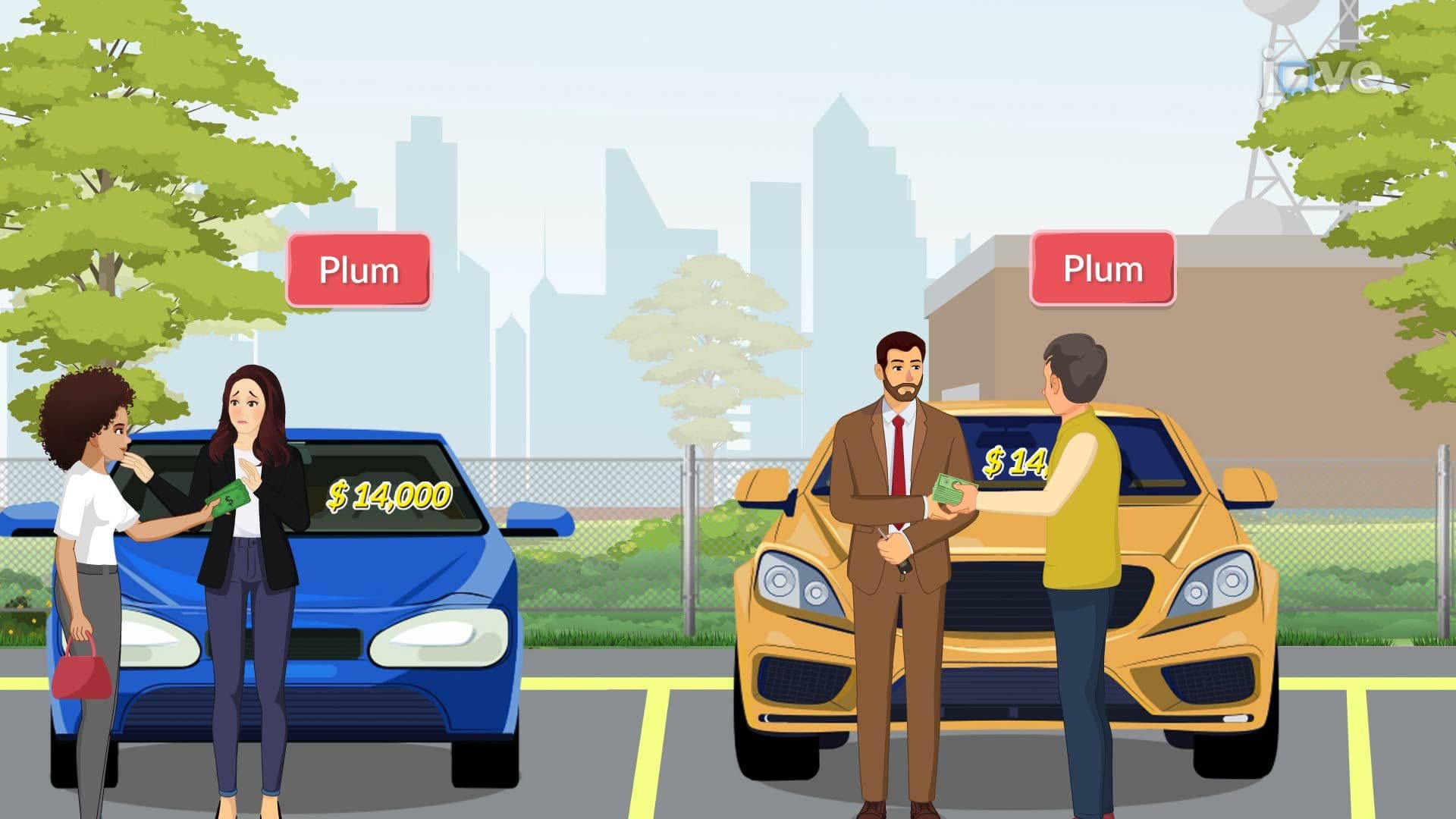
Examining how hidden information drives high-quality products out of markets, using the classic used car example where "lemons" (poor quality vehicles) dominate "plums" (high-quality vehicles). When buyers cannot distinguish quality, they offer prices based on average expected value, causing sellers of high-quality goods to exit the market. This creates a downward spiral where market quality continuously deteriorates. The same principle applies to online marketplaces, employment markets, and financial services, where information asymmetries can lead to market collapse and reduced consumer confidence in American commerce.
3. Adverse Selection in Insurance Markets
Analyzing how buyers with superior information about their own risk profiles can destabilize insurance pools. High-risk individuals like construction workers or extreme sports enthusiasts are more likely to purchase life insurance, while low-risk office workers may find premiums too expensive and opt out. This concentration of high-risk clients forces insurers to raise premiums, further driving away low-risk customers and creating unsustainable risk pools. Understanding this concept is crucial for healthcare policy discussions and insurance regulation in the United States, particularly regarding pre-existing conditions and mandatory coverage requirements.
4. Moral Hazard in Banking and Insurance
Exploring how behavior changes after transactions occur, when one party cannot observe the other's actions. In banking, borrowers may use loans for purposes other than stated, increasing default risk. In insurance, policyholders may become less careful about preventing losses, knowing they're covered. For example, homeowners might delay security system maintenance after purchasing property insurance, or drivers might engage in riskier behavior with comprehensive auto coverage. This concept explains why financial institutions require collateral and why insurance policies include deductibles and coverage limits in American markets.
5. Principal-Agent Problems in Corporate America
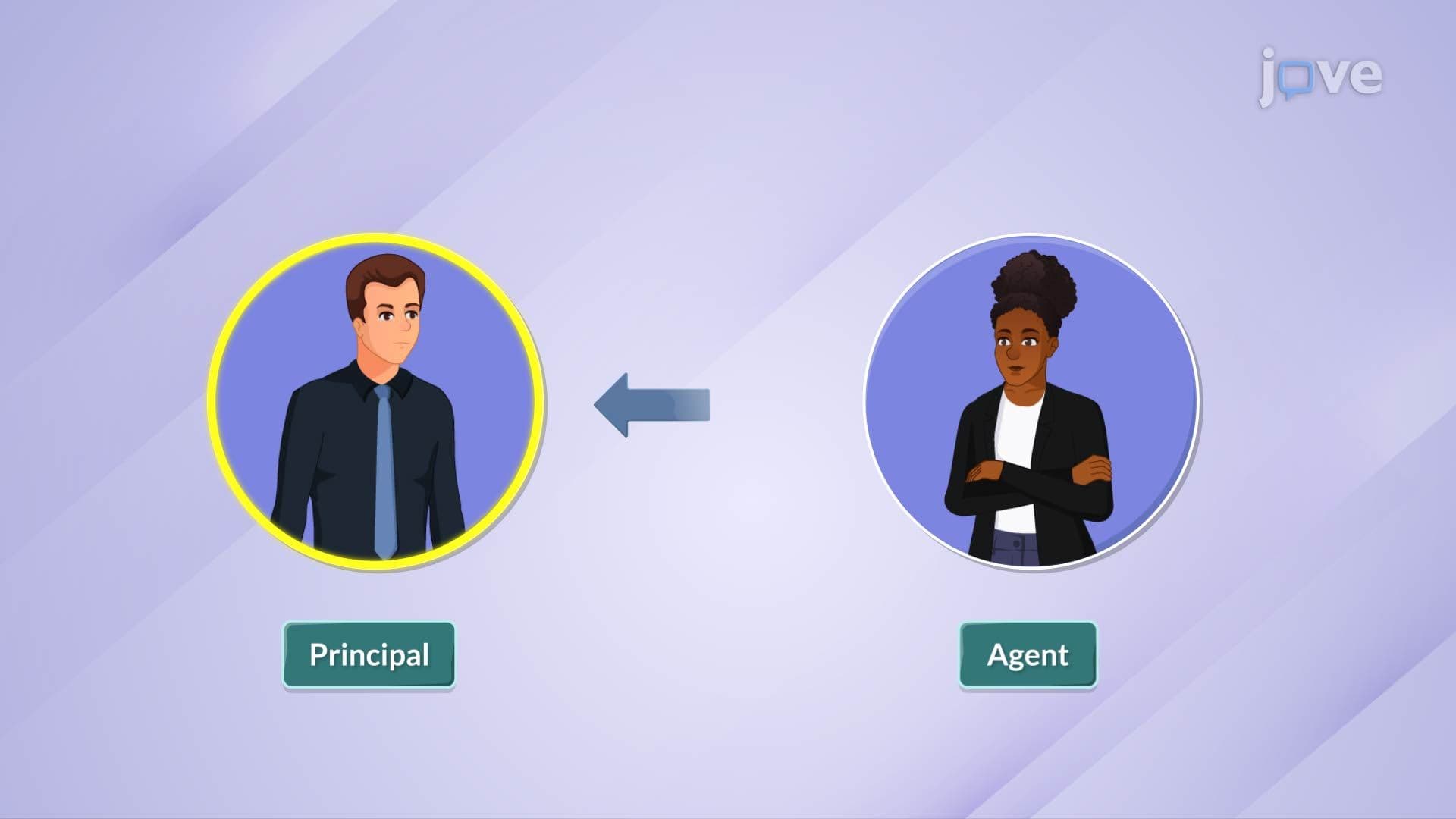
Investigating conflicts between company shareholders (principals) and managers (agents), where managers may pursue personal interests rather than maximizing shareholder value. A technology manager might push for expensive software projects that enhance their reputation rather than focusing on profitable core business activities. This misalignment of interests can lead to inefficient resource allocation, reduced profitability, and corporate governance failures. Understanding these relationships is essential for analyzing executive compensation packages, corporate scandals, and the role of boards of directors in American business, particularly relevant for business students and future corporate leaders.
6. Solutions and Mitigation Strategies
Examining practical approaches to reduce information asymmetries and align incentives across different markets. Screening mechanisms like credit checks and medical examinations help identify risk levels. Signaling through warranties, certifications, and reputation systems allows quality producers to distinguish themselves. Incentive alignment through performance-based compensation, security deposits, and monitoring systems helps resolve principal-agent conflicts. These solutions are implemented across American industries, from Carfax reports in automotive markets to performance bonuses in corporate compensation, demonstrating how markets adapt to overcome information challenges and restore efficiency.
Frequently Asked Questions
Asymmetric information specifically refers to situations where one party has significantly more relevant information than the other, creating an imbalance that affects market outcomes. Unlike general lack of information, asymmetric information involves one side knowing crucial details that directly impact transaction value, such as a used car seller knowing about accident history while the buyer doesn't, leading to systematic market distortions.
Yes, asymmetric information is a core topic in AP Microeconomics and appears frequently on college-level economics exams. You'll need to identify market failures caused by information gaps, analyze adverse selection and moral hazard scenarios, and evaluate policy solutions. These concepts are also essential for business school case studies involving insurance markets, corporate governance, and strategic decision-making.
These companies exist specifically to reduce information asymmetries by providing previously hidden information to market participants. Carfax helps car buyers access vehicle history that sellers already know, while credit bureaus give lenders insight into borrower risk profiles. Their business models demonstrate how reducing asymmetric information creates value and improves market efficiency.
The MCAT includes behavioral sciences sections that cover healthcare economics and decision-making. Understanding how information asymmetries affect patient-doctor relationships, insurance markets, and healthcare access is crucial for both exam success and future medical practice. You'll encounter questions about adverse selection in health insurance and moral hazard in treatment decisions.
While the concepts require analytical thinking, the theory builds logically from simple information gaps to complex market outcomes. Start with concrete examples like used car markets, then progress to abstract applications in finance and healthcare. Focus on identifying who has more information in each scenario and predicting the resulting market effects rather than memorizing complex mathematical models.
Create concept maps linking asymmetric information to its two main outcomes: adverse selection (before transactions) and moral hazard (after transactions). Use timeline thinking - adverse selection happens when choosing insurance or buying cars, while moral hazard occurs after getting coverage or hiring contractors. Practice with real-world scenarios from American markets to reinforce theoretical understanding.
Insurance underwriters, investment bankers, policy analysts, management consultants, and corporate executives regularly apply these principles. Healthcare administrators use adverse selection knowledge for insurance design, while financial regulators combat moral hazard in banking. Understanding these concepts provides analytical frameworks for any career involving risk assessment, contract design, or market analysis in the American economy.
The natural next step is Game Theory. From there, you can move to Behavioral Economics and Uncertainty. Once you finish those, the full Microeconomics curriculum of 20 microcourses on JoVE Coach opens up, taking you from foundational concepts to advanced systems.