Loading subject page…


1,928 views


Video Summary: Mitigating Lemons Problem I Reducing Explained
Ever wonder why used car prices seem suspiciously low, or why buyers hesitate to purchase pre-owned vehicles? Mitigating lemons problem I reducing explained reveals how information gaps between sellers and buyers create market inefficiencies that can be systematically addressed. When sellers know more about product quality than buyers-like a car dealer hiding engine problems-smart strategies such as professional inspections and service history verification help level the playing field. Watch the full video on JoVE Coach to master this concept with expert-led visuals and step-by-step explanations.
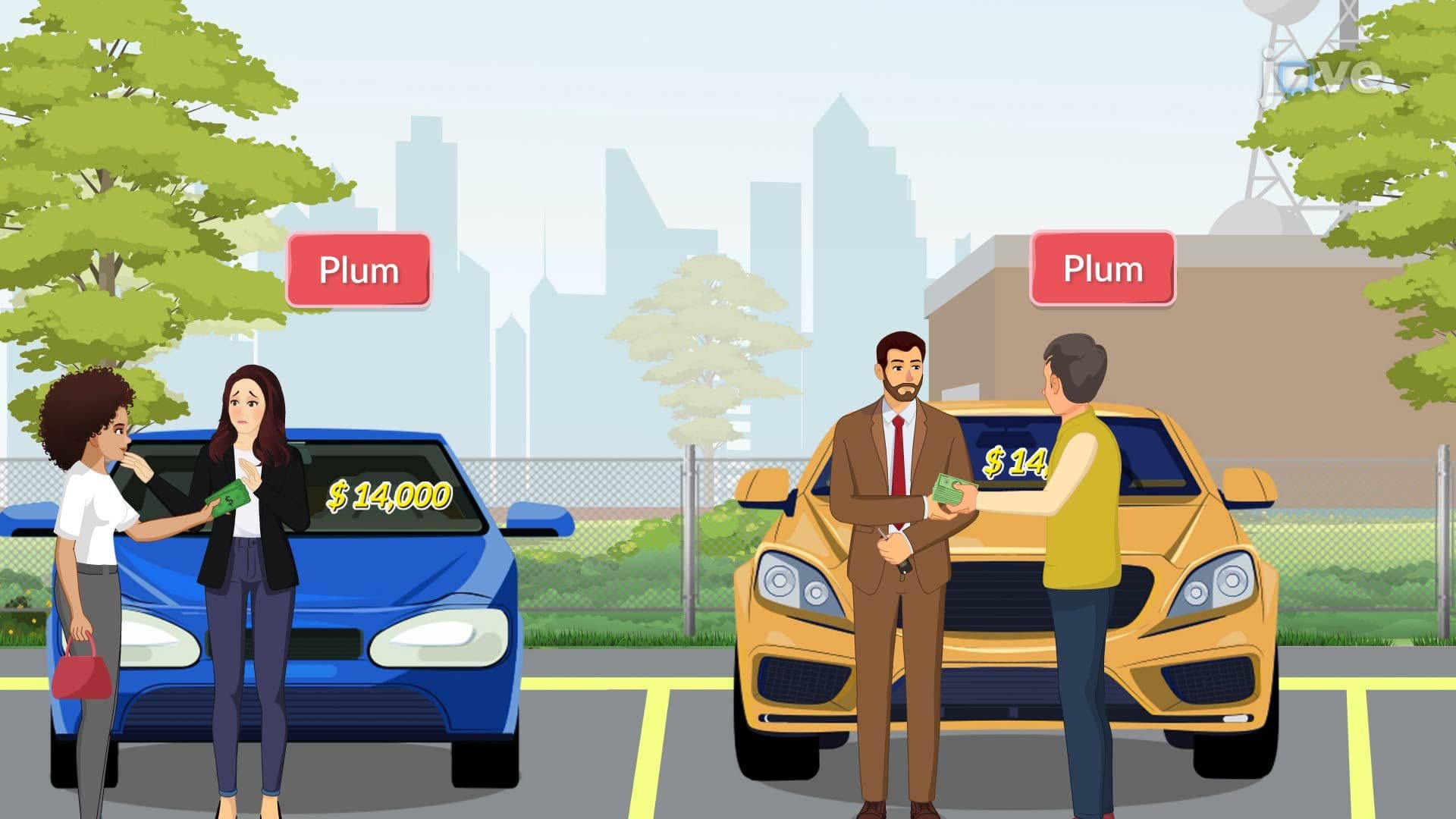
The lemons problem represents a fundamental challenge in economics where information asymmetry creates market failures. Named after economist George Akerlof's groundbreaking 1970 paper "The Market for Lemons," this concept explains why markets can deteriorate when sellers possess superior knowledge about product quality compared to buyers. Without effective mitigation strategies, high-quality products may disappear from markets entirely, leaving only inferior "lemons."
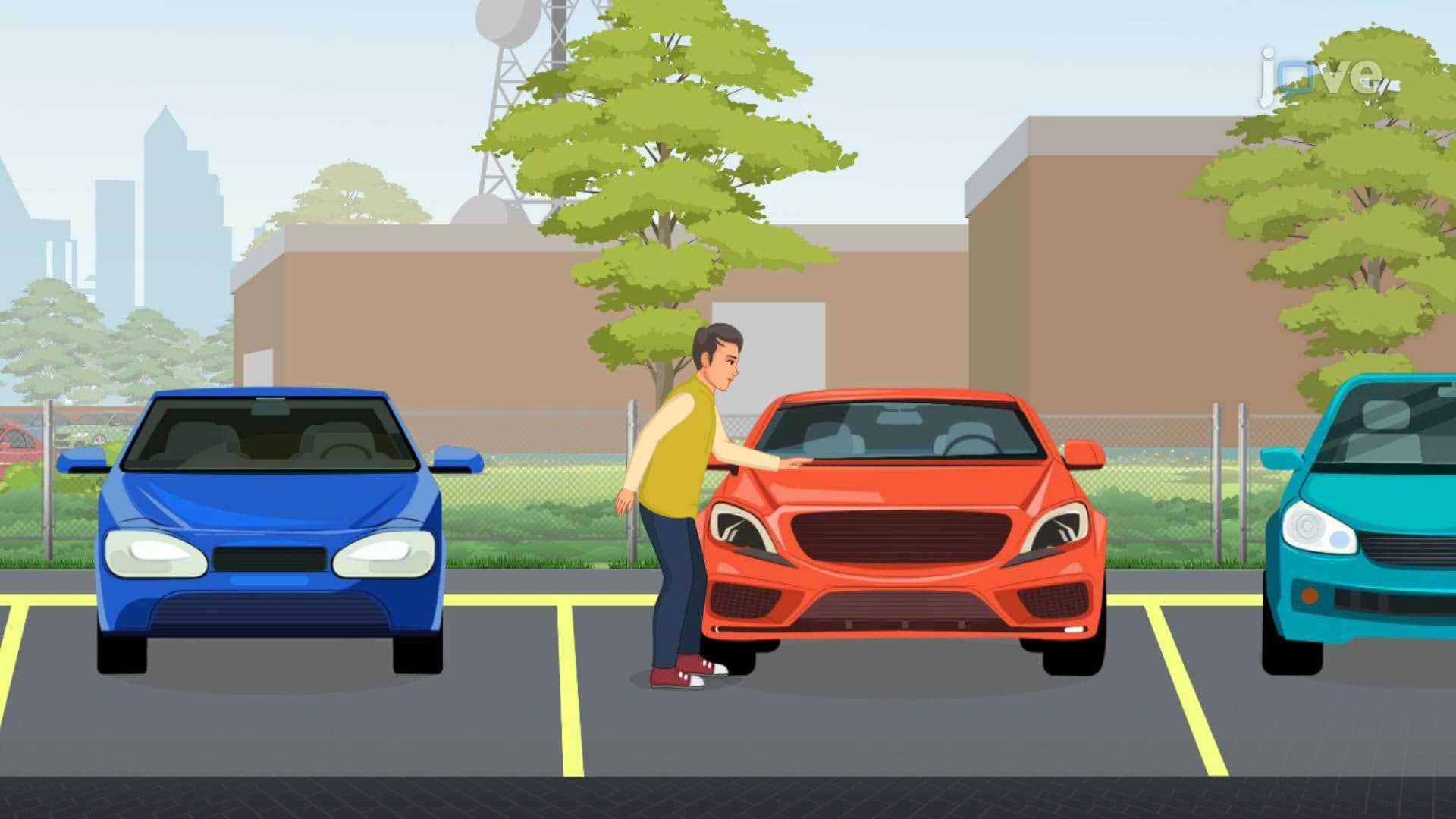
One of the most effective approaches to mitigating information asymmetry involves independent professional evaluation. In the used car market, hiring a certified mechanic from organizations like the National Institute for Automotive Service Excellence (ASE) provides buyers with expert assessment capabilities. These professionals can identify replaced components, evaluate engine performance through diagnostic testing, and assess tire wear patterns that reveal driving habits. This strategy extends beyond automotive purchases-home inspections by American Society of Home Inspectors (ASHI) certified professionals serve similar functions in real estate transactions.
Systematic documentation review forms another crucial pillar of lemons problem mitigation. Service records, including oil change receipts from chains like Jiffy Lube or Valvoline Instant Oil Change, provide chronological evidence of maintenance practices. Odometer verification through repair receipts helps detect fraud-a critical concern given that the National Highway Traffic Safety Administration estimates odometer fraud costs American consumers over $1 billion annually. Similarly, warranty documentation and manufacturer service bulletins offer insights into known quality issues and resolution attempts.
Companies like Carfax and AutoCheck revolutionized information accessibility by aggregating data from insurance companies, state DMVs, and service facilities. These platforms use Vehicle Identification Numbers (VINs) to compile comprehensive histories including accident reports, flood damage, and ownership transfers. The success of these services demonstrates how technology can systematically address information asymmetries across entire market segments.
Understanding lemons problem mitigation proves essential for AP Microeconomics students, particularly when analyzing market efficiency and consumer behavior. College-level microeconomics courses frequently feature this concept in discussions of asymmetric information theory. For business students preparing for GMAT or GRE exams, recognizing these principles supports analytical reasoning questions about market dynamics and strategic decision-making.
Related Micro-courses