Loading concepts…


10 Concepts
21 Concepts
12 Concepts
8 Concepts
22 Concepts
20 Concepts
14 Concepts
12 Concepts
11 Concepts
7 Concepts
14 Concepts
8 Concepts
11 Concepts
22 Concepts
21 Concepts
21 Concepts
15 Concepts
22 Concepts
9 Concepts
6 Concepts
 14 Concepts
 3.6K Views
 Popular topics










Oligopoly represents a market structure where a few large firms dominate an industry, creating unique competitive dynamics through oligopoly strategy interdependence. Understanding how firms in oligopoly markets interact is essential for analyzing real-world industries like telecommunications, airlines, and automotive manufacturing. JoVE Coach's comprehensive course explores various oligopoly models, from collusive cartels to competitive frameworks, providing crucial insights into market behavior and regulatory responses.
1. Market Structure Fundamentals Oligopoly markets feature few sellers with substantial market share, high barriers to entry, and significant interdependence among firms. Unlike perfect competition with many sellers or monopoly with one dominant firm, oligopolies create unique strategic interactions. The US airline industry exemplifies this structure, where major carriers like American, Delta, and United dominate routes and pricing decisions. Entry barriers include massive capital requirements, regulatory approval, and established customer loyalty. This concentration enables firms to influence market outcomes while remaining sensitive to competitors' actions, creating complex strategic relationships that distinguish oligopolies from other market structures.
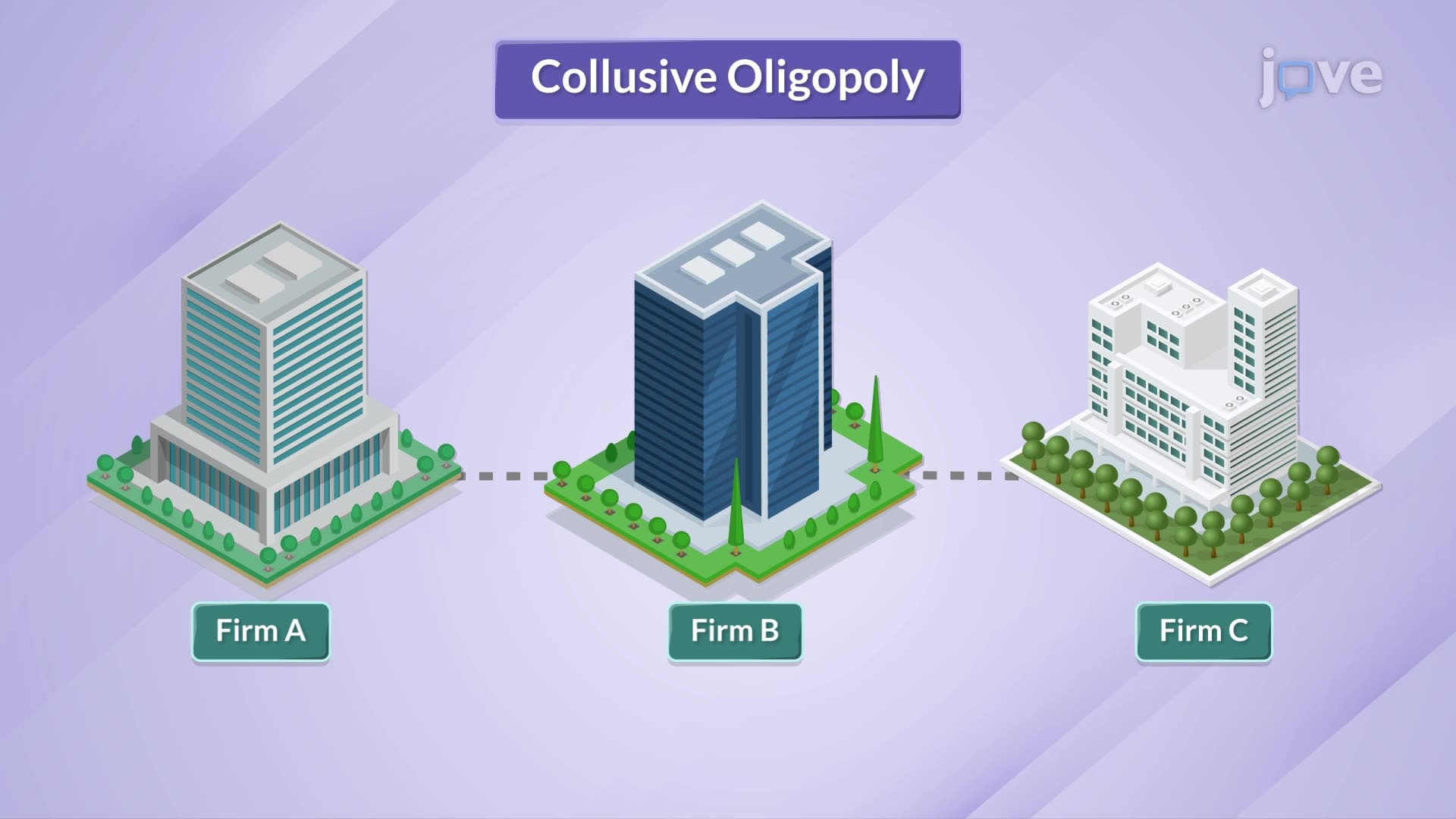
2. Collusive vs. Non-Collusive Behavior Oligopolies can operate through either cooperative or competitive strategies. Collusive oligopolies, exemplified by OPEC's oil price coordination, involve firms working together to set prices, divide markets, or restrict output to maximize joint profits. However, such arrangements often violate US antitrust laws. Non-collusive oligopolies, like the smartphone competition between Apple and Samsung, feature independent decision-making where firms compete through pricing, innovation, and product differentiation. While collusion can stabilize prices and profits, it typically leads to higher consumer prices and reduced innovation, explaining why US regulatory authorities actively monitor and prosecute anti-competitive practices.
3. Game Theory and Strategic Interaction Game theory provides essential tools for understanding oligopolistic decision-making, particularly through Nash equilibrium concepts. In oligopolistic markets, firms must consider competitors' likely responses when making strategic choices about pricing, output, or investment. The Nash equilibrium represents a stable outcome where no firm benefits from unilaterally changing its strategy. For example, in airline route competition, carriers must anticipate rivals' pricing responses when setting ticket prices. This interdependence creates strategic complexity absent in other market structures, where firms either face no competition (monopoly) or have negligible individual market impact (perfect competition).
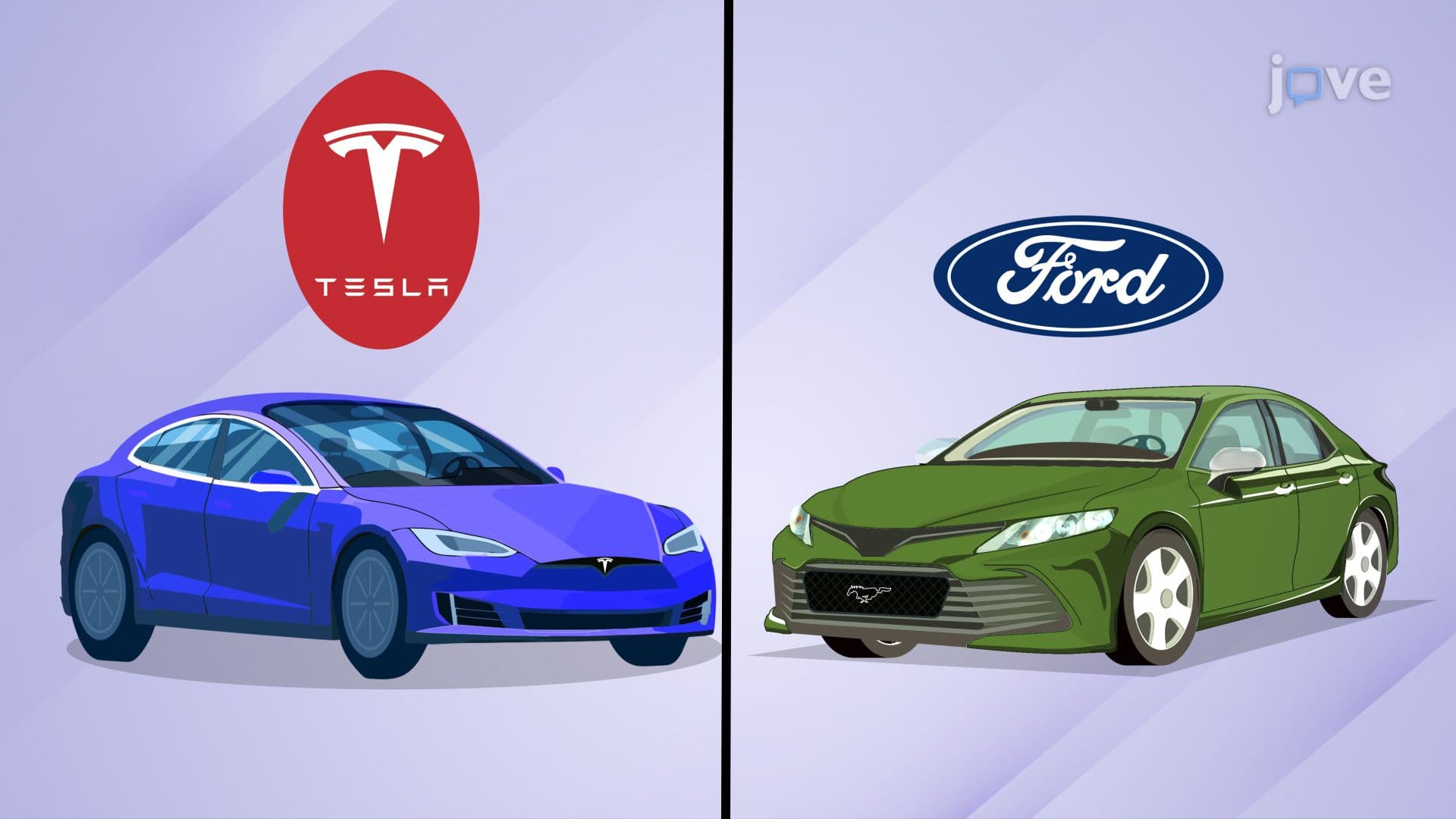
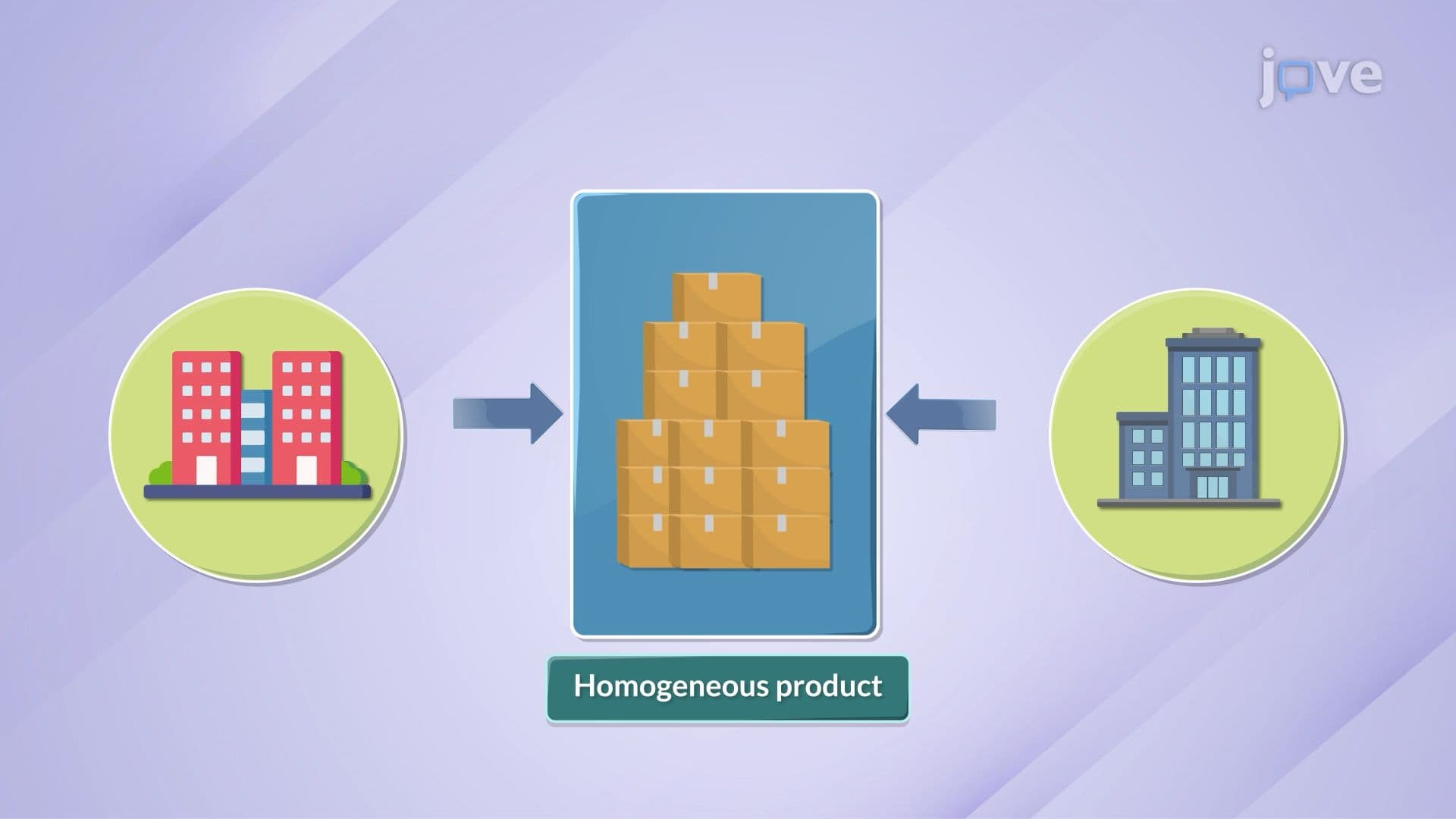
4. Bertrand Competition and Price Wars The Bertrand model explains how oligopolistic firms compete primarily on price when selling identical or similar products. In this framework, firms undercut each other's prices until reaching marginal cost, eliminating economic profits. US retail gasoline markets often demonstrate Bertrand-like competition, where nearby stations match or slightly undercut competitors' prices. However, when products are differentiated-like Tesla's premium electric vehicles versus Ford's mass-market offerings-firms gain pricing power and can maintain profit margins. The degree of product differentiation directly influences the intensity of price competition and firms' ability to sustain above-marginal-cost pricing.
5. Quantity Competition: Cournot Model The Cournot model examines oligopolistic competition based on output decisions rather than pricing. Firms simultaneously choose production quantities, assuming competitors' output remains fixed. This leads to a Nash equilibrium where each firm produces one-third of the competitive market output in a two-firm scenario. US steel production or aircraft manufacturing exemplify industries where capacity decisions precede pricing, making Cournot analysis relevant. The model demonstrates how oligopolistic output typically falls between monopolistic (lower output, higher prices) and competitive levels (higher output, lower prices), providing insights into market efficiency and consumer welfare implications.
6. Sequential Competition: Stackelberg Model The Stackelberg model analyzes markets where one firm moves first (leader) while others respond (followers), creating first-mover advantages. The leader anticipates followers' reactions and incorporates this knowledge into its initial decision, typically resulting in higher profits than followers achieve. Amazon's early dominance in e-commerce exemplifies first-mover advantages in oligopolistic markets. The leader's timing advantage stems from superior market position, technological innovation, or strategic resources. This model helps explain why established firms often maintain market leadership despite new entrants, highlighting the importance of timing and strategic commitment in oligopolistic competition.
7. Antitrust Policy and Market Regulation US antitrust laws, beginning with the Sherman Act of 1890, specifically target anti-competitive oligopolistic practices. These regulations prohibit price-fixing agreements, market division schemes, predatory pricing designed to eliminate competitors, and tying arrangements that force consumers to purchase unwanted products. The Microsoft Internet Explorer case and various airline route allocation investigations demonstrate active antitrust enforcement. Modern regulatory approaches balance preventing consumer harm against allowing legitimate competitive strategies and business efficiencies. Understanding these legal frameworks helps explain why some oligopolistic behaviors persist while others face prosecution, shaping how firms structure their competitive strategies.