Loading video…


 14 Concepts
 3.6K views

Video Summary: What Is Differentiated Goods Bertrand Competition
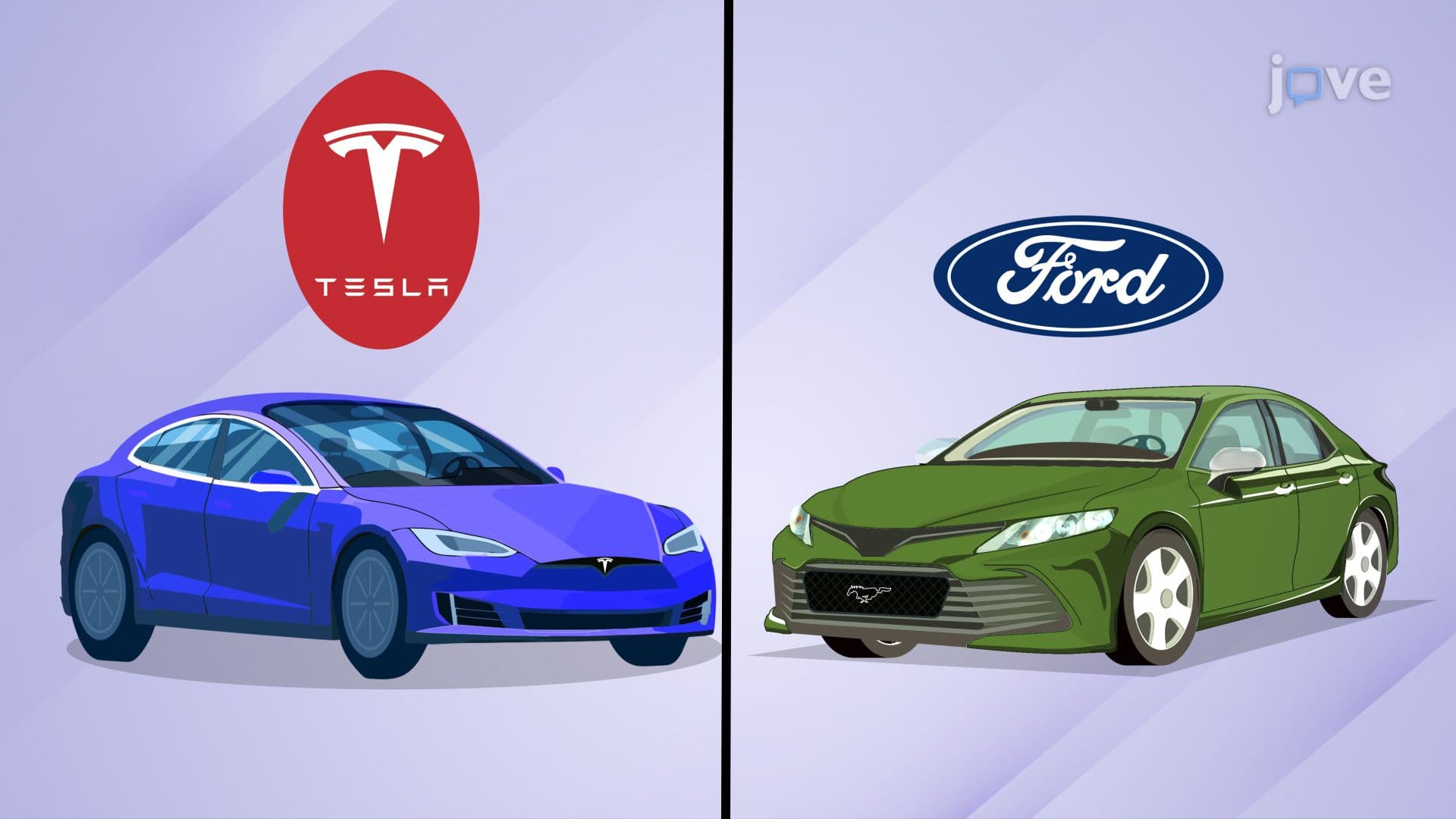
Why do Tesla electric vehicles command premium prices while Ford focuses on affordability in the same market? Differentiated goods Bertrand competition explains how companies like Tesla leverage brand identity and innovation to reduce price competition, while Ford targets cost-conscious consumers through efficiency. This economic model reveals how product differentiation-from quality to design-determines whether firms engage in intense price wars or maintain healthy profit margins. Watch the full video on JoVE Coach to master this concept with expert-led visuals and step-by-step explanations.
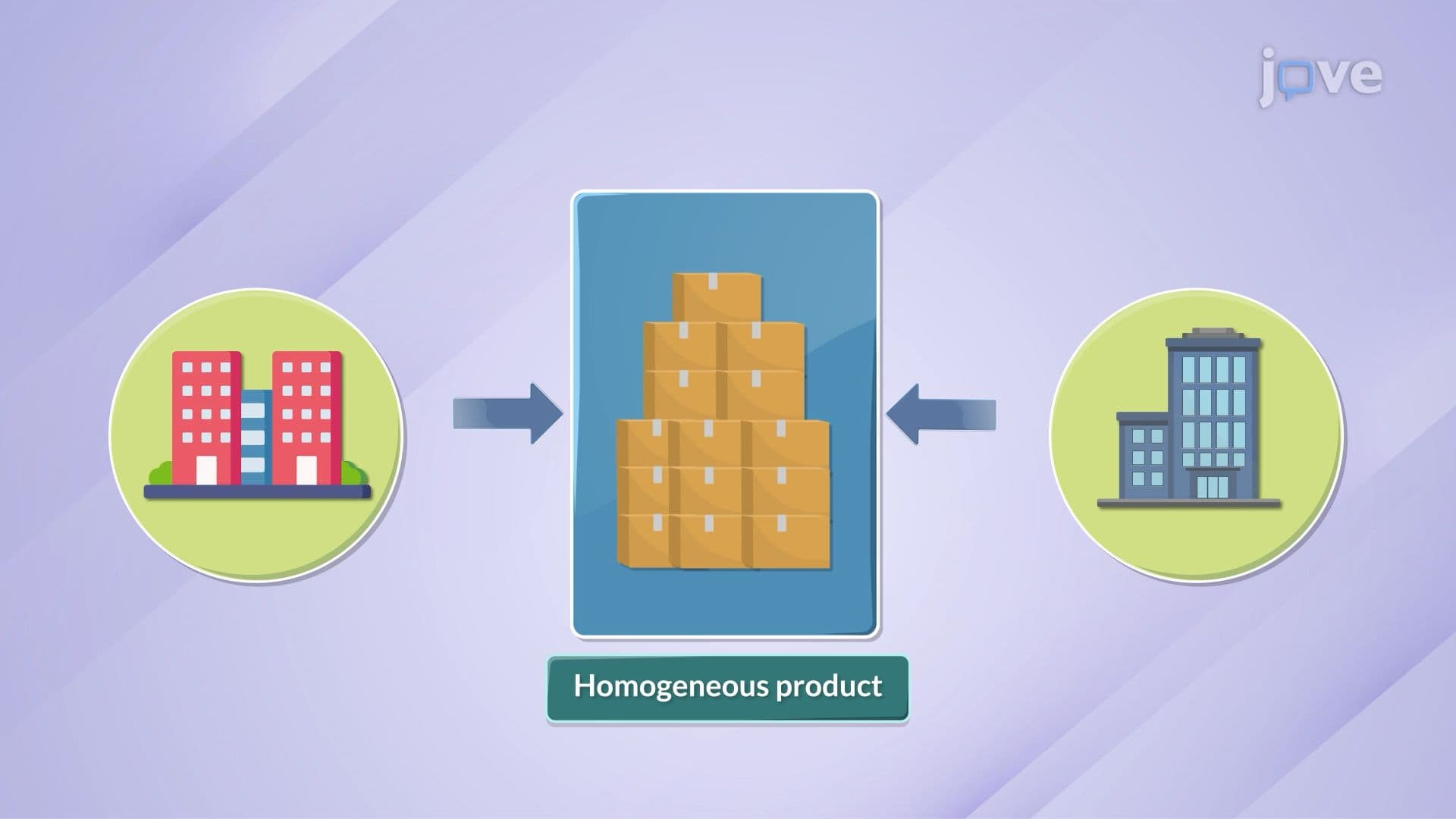
Differentiated goods Bertrand competition represents a sophisticated economic model that explains how firms compete when their products aren't identical. Unlike traditional Bertrand competition where identical products lead to fierce price wars driving profits to zero, product differentiation creates breathing room for companies to maintain profitable pricing strategies.
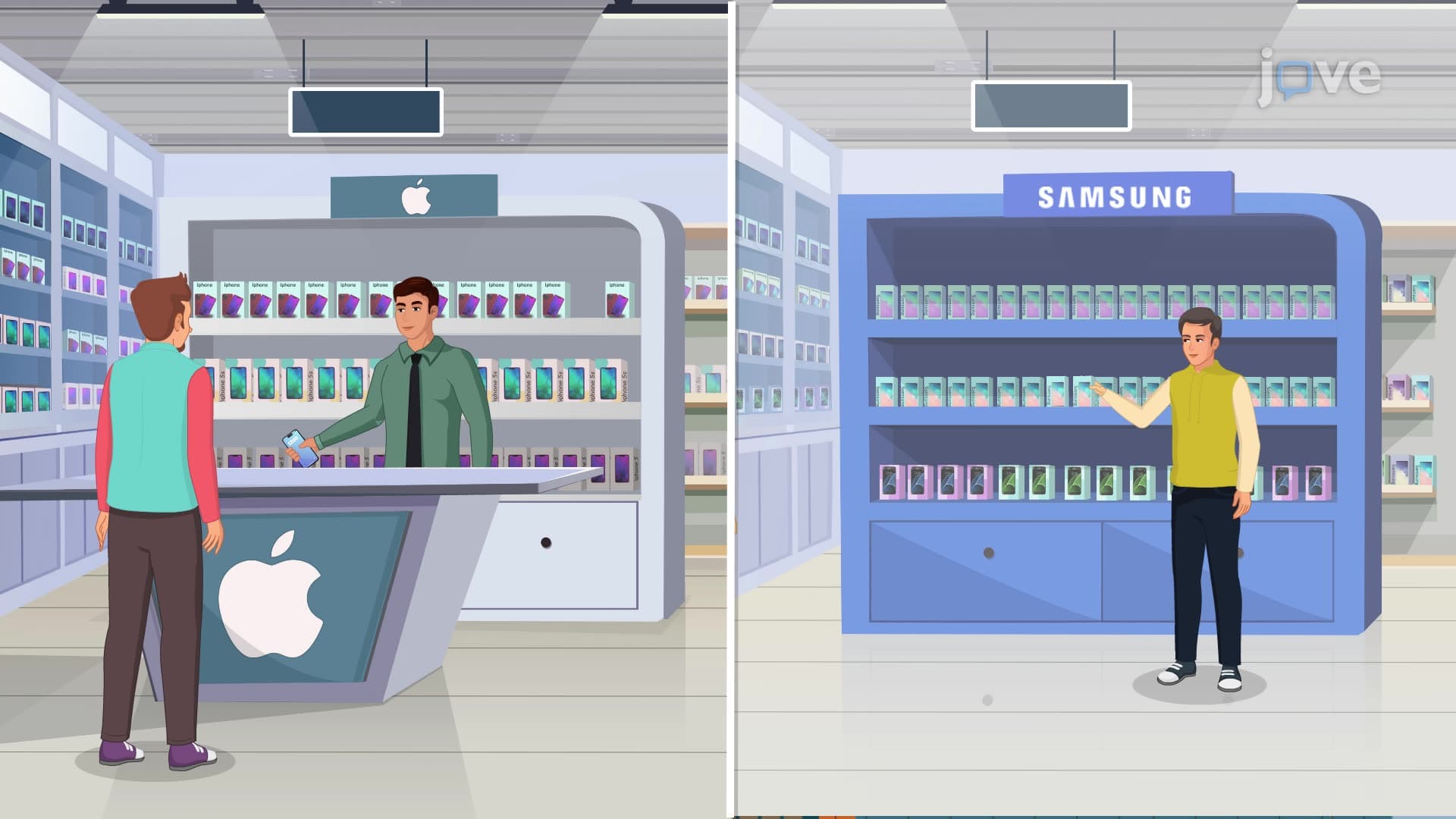
Product differentiation operates through several key dimensions. Brand identity creates emotional connections-think Apple's premium positioning versus Samsung's technology focus in smartphones. Quality variations allow firms to target different market segments, as seen with luxury automaker BMW versus mass-market Toyota. Design innovations and technological advantages provide competitive moats, enabling companies to justify higher prices.
The degree of differentiation fundamentally alters competitive dynamics. High differentiation reduces price sensitivity among consumers, allowing firms to maintain premium pricing without losing significant market share. Conversely, minimal differentiation intensifies price competition, pushing firms toward cost-based strategies.
Consider the US streaming industry, where Netflix, Disney+, and HBO Max compete through content differentiation rather than pure price competition. Netflix emphasizes original programming and global content, Disney+ leverages beloved franchises, while HBO Max focuses on premium productions. This differentiation allows each platform to maintain distinct pricing strategies and customer bases.
In the fast-food sector, McDonald's and Chipotle represent different differentiation strategies. McDonald's competes on convenience and value, while Chipotle differentiates through "fast-casual" positioning, fresh ingredients, and customization options, justifying higher prices.
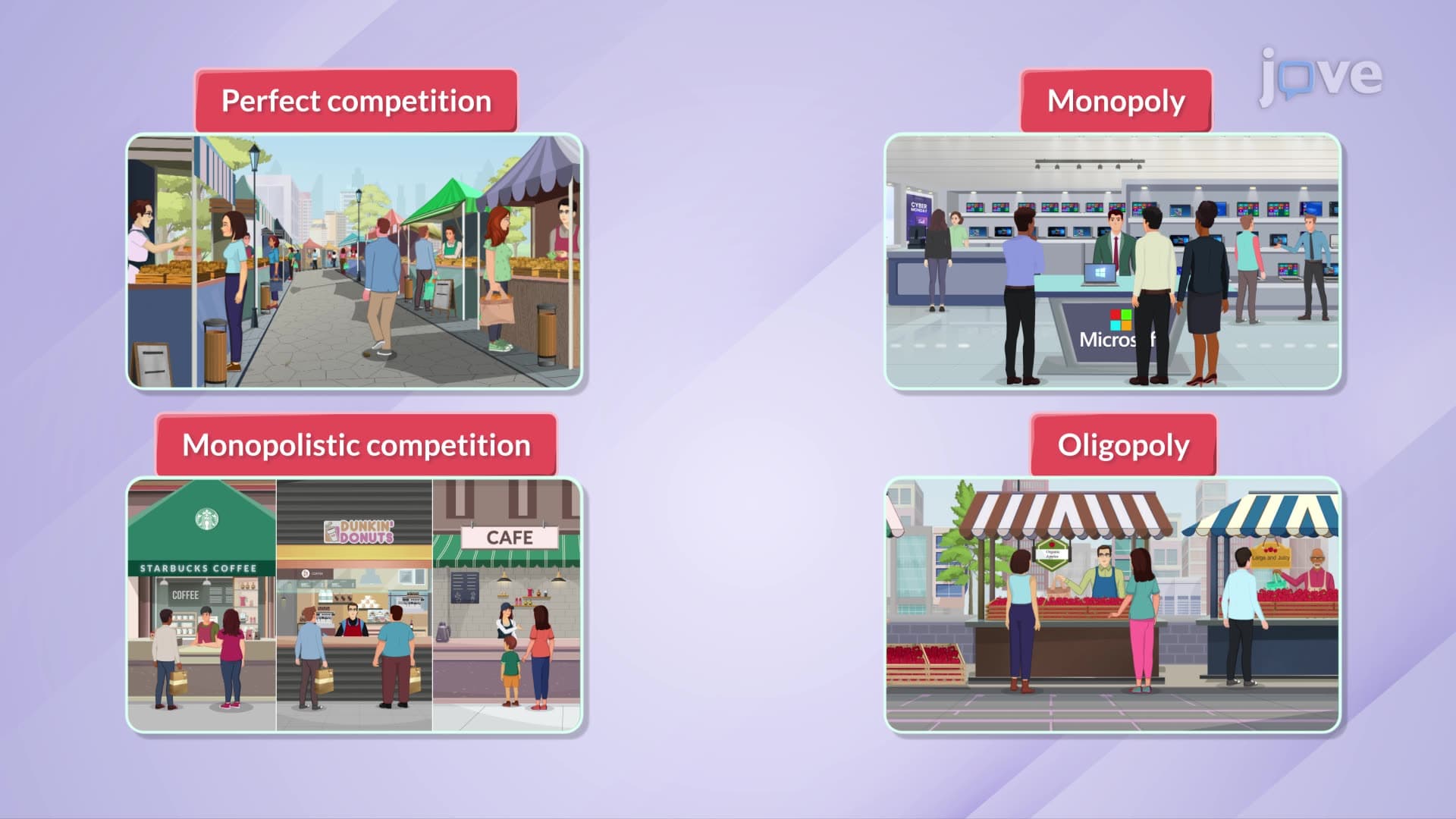
For AP Economics students, understanding differentiated goods Bertrand competition is crucial for analyzing market structures and firm behavior. College microeconomics courses extensively cover this model when examining oligopoly markets and strategic interactions. The concept frequently appears in multiple-choice questions asking students to predict pricing outcomes under various differentiation scenarios.
Business strategy courses at universities like Wharton and Stanford use this framework to analyze competitive positioning and market entry decisions. Students learn to identify when firms should invest in differentiation versus compete on price, making this concept valuable for both theoretical understanding and practical business applications.
Related Micro-courses