Loading video…


 14 Concepts
 3.6K views

Video Summary: Type of Oligopoly Non Collusive Explained
Why do Apple and Samsung constantly battle for smartphone supremacy instead of simply agreeing to share the market? The type oligopoly non collusive structure drives this fierce competition, where major firms operate independently without coordinating prices or strategies. Unlike collusive arrangements, these companies pursue aggressive pricing, product differentiation, and technological innovation to capture market share. This competitive dynamic shapes entire industries across the United States, from smartphones to automotive manufacturing. Watch the full video on JoVE Coach to master this concept with expert-led visuals and step-by-step explanations.
A type oligopoly non collusive represents a market structure where a small number of large firms dominate an industry but operate completely independently. Unlike collusive oligopolies where companies coordinate pricing and output decisions, non-collusive oligopolies feature fierce competition as each firm pursues its own profit-maximizing strategy. This independence creates a dynamic, often unpredictable market environment where companies must constantly adapt to rivals' actions.
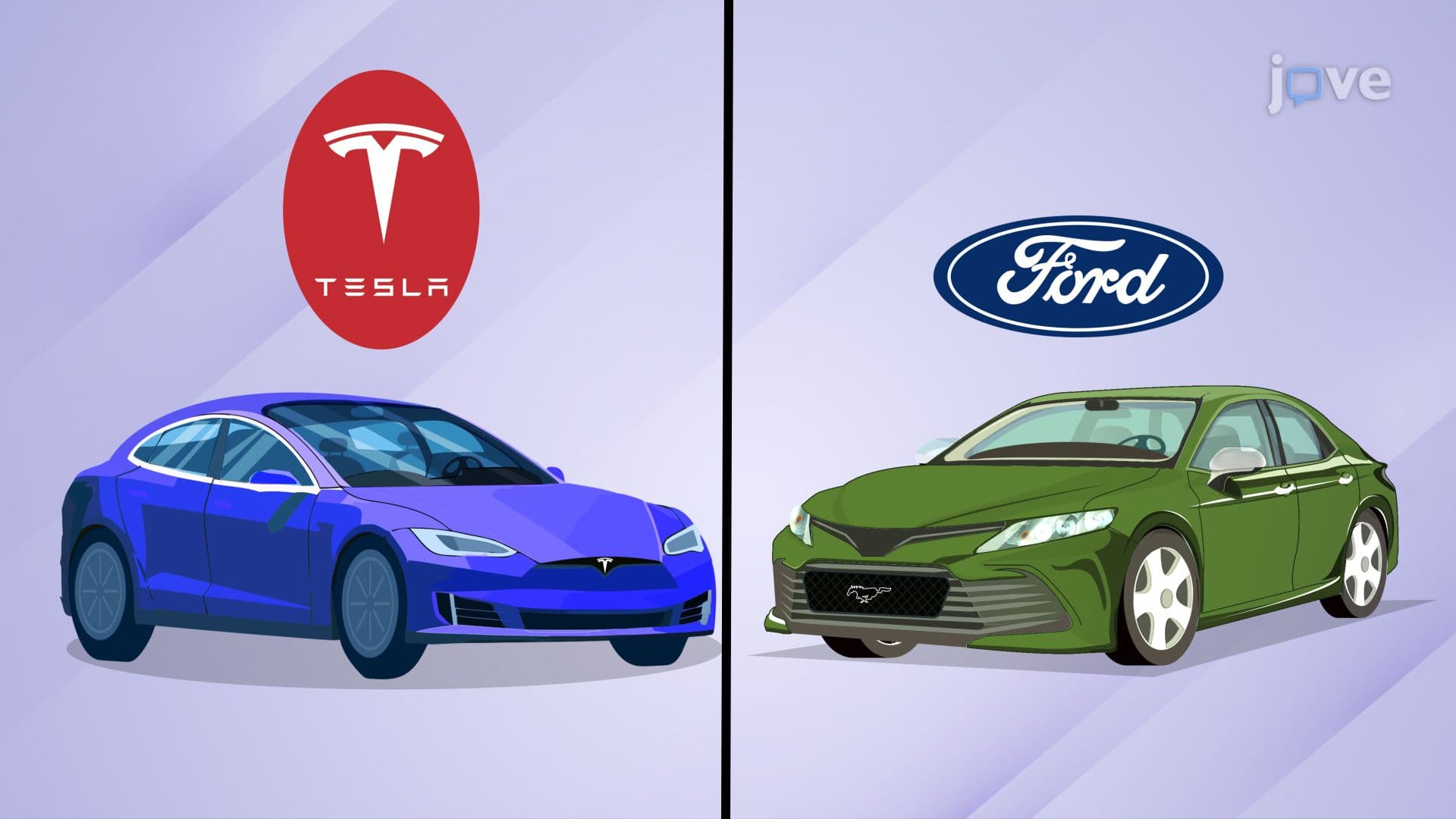
Firms in non-collusive oligopolies employ several distinct competitive strategies. Product differentiation becomes crucial as companies seek unique selling propositions to distinguish themselves from competitors. Consider the US automotive industry, where General Motors, Ford, and Chrysler each develop distinct brand identities, design philosophies, and technological features. These manufacturers invest billions in research and development, creating hybrid technologies, advanced safety systems, and luxury amenities to capture consumer loyalty.
Aggressive pricing strategies also characterize these markets. When one firm reduces prices to gain market share, competitors often respond with their own price cuts, potentially triggering destructive price wars. The airline industry exemplifies this behavior, where carriers like American Airlines, Delta, and United frequently adjust fares in response to competitors' pricing moves.
The type of oligopoly non collusive structure generates mixed economic outcomes. Consumer benefits include increased innovation, product variety, and competitive pricing. However, market instability often results from constant competitive pressure and reactive decision-making. Firms must maintain substantial resources for competitive responses, potentially reducing long-term investment efficiency.
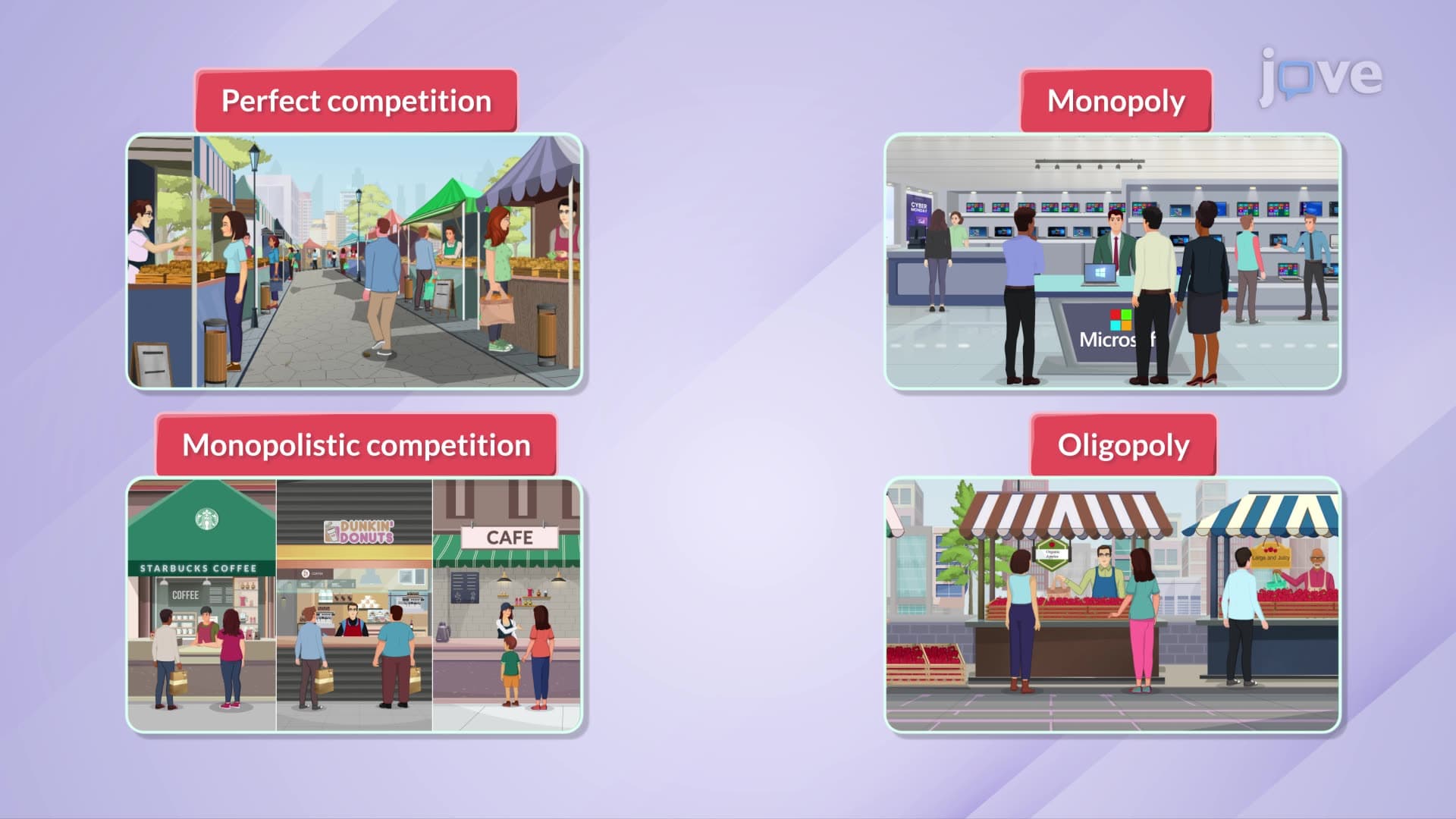
This market structure frequently appears in AP Economics examinations and college microeconomics courses, where students analyze firm behavior using game theory models like the Prisoner's Dilemma. Understanding these dynamics helps students predict market outcomes and evaluate policy implications for antitrust regulation.
The US technology sector provides excellent examples of non-collusive oligopolistic competition. Apple, Google, Microsoft, and Amazon compete intensively across multiple markets-smartphones, cloud computing, digital advertising, and streaming services. Each company pursues independent strategies, leading to rapid innovation cycles and diverse consumer offerings. This competition has produced breakthrough technologies like smartphones, tablets, and cloud computing platforms that revolutionized modern life.
Related Micro-courses