Loading subject page…


3,604 views

Video Summary: Equilibrium in a Cournot Oligopoly Explained
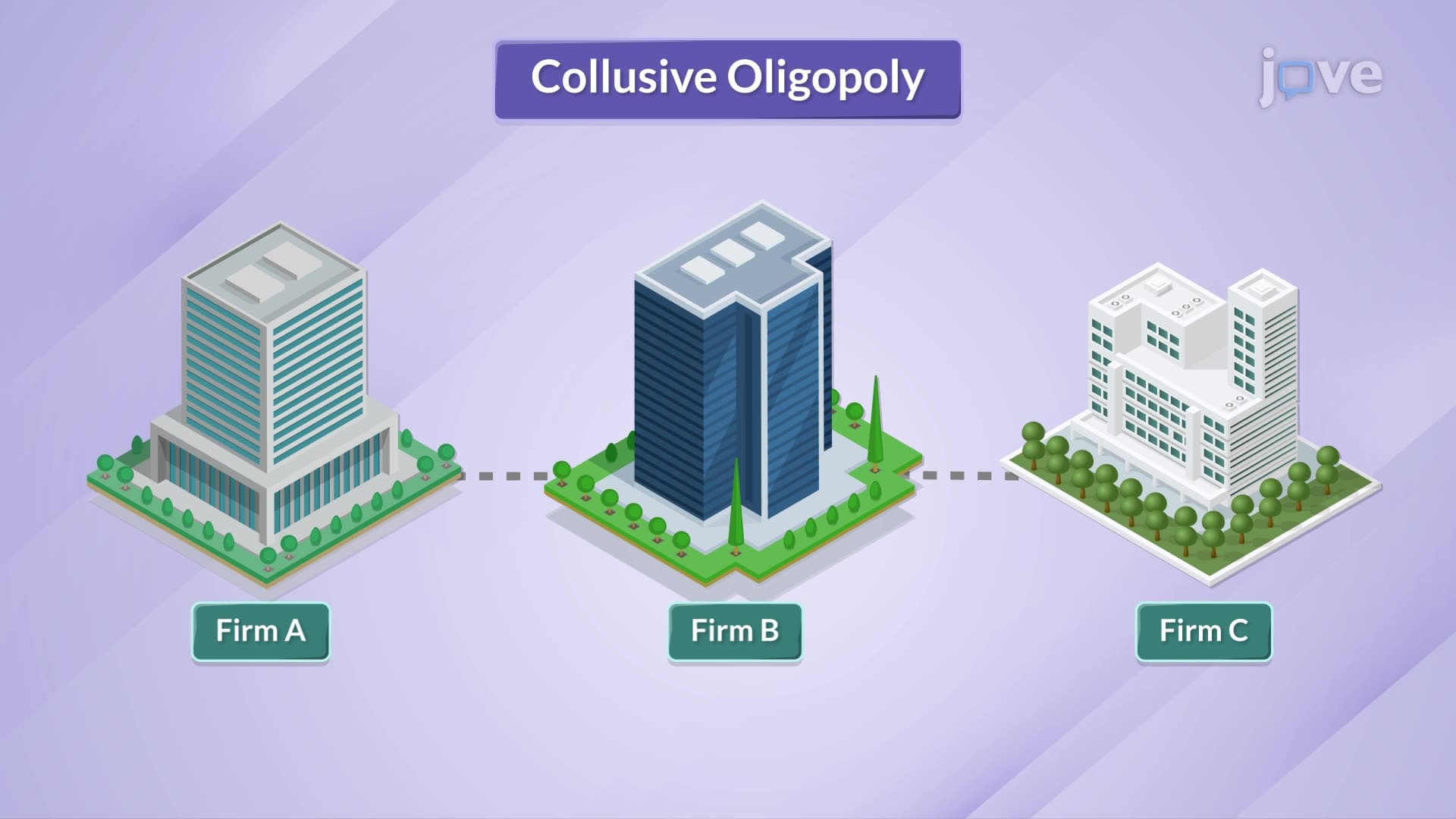
Why do gas stations on opposite corners often charge nearly identical prices despite competing directly? The answer lies in equilibrium cournot oligopoly dynamics, where firms reach a stable balance through strategic quantity decisions. Consider how Boeing and Airbus compete in the aircraft manufacturing market-each firm anticipates the other's production levels when determining their own output. This strategic interaction demonstrates Equilibrium in A Cournot Oligopoly Explained through real market behavior. Watch the full video on JoVE Coach to master this concept with expert-led visuals and step-by-step explanations.
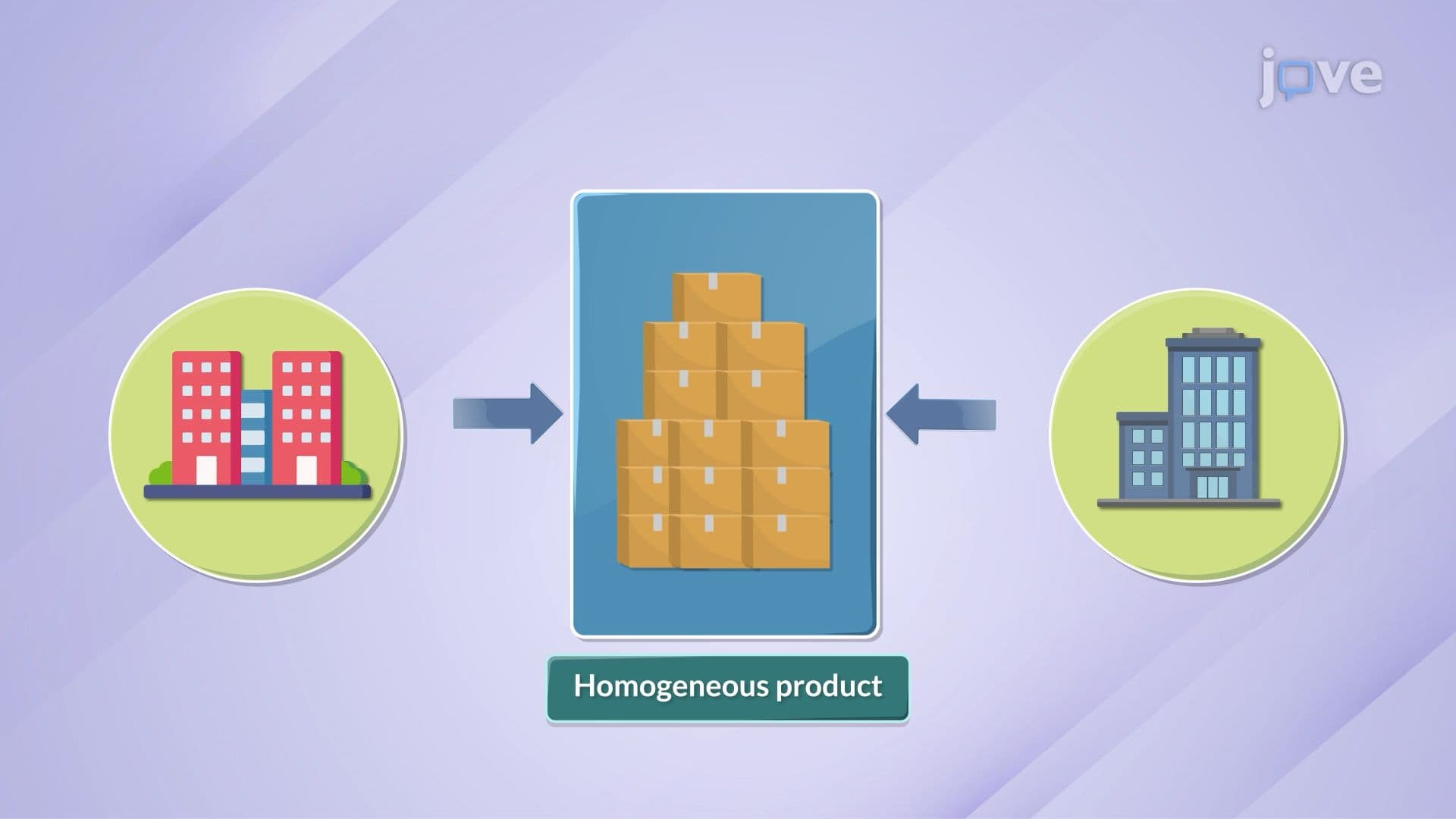
The Cournot oligopoly model explains how firms compete when they produce identical products and make quantity decisions simultaneously. Unlike perfect competition where firms are price-takers, or monopoly where one firm controls the market, equilibrium cournot oligopoly represents a middle ground where a few firms strategically interact.
In this model, each firm assumes competitors will maintain their current production levels when deciding its own output. This assumption drives the iterative adjustment process that eventually reaches equilibrium. The beauty of Cournot competition lies in its predictability-despite firms making independent decisions, they converge to a stable outcome.
The path to equilibrium in a cournot oligopoly economics explained involves repeated adjustments. Initially, the first firm might act like a monopolist, producing at the profit-maximizing level. However, when the second firm enters, it observes this quantity and produces half of the remaining market demand. This triggers a chain reaction of adjustments.
Each firm continuously recalculates its optimal quantity based on what it believes the competitor will produce. This process mirrors real-world scenarios in industries like wireless telecommunications, where Verizon and AT&T must anticipate each other's capacity investments when planning network expansion.
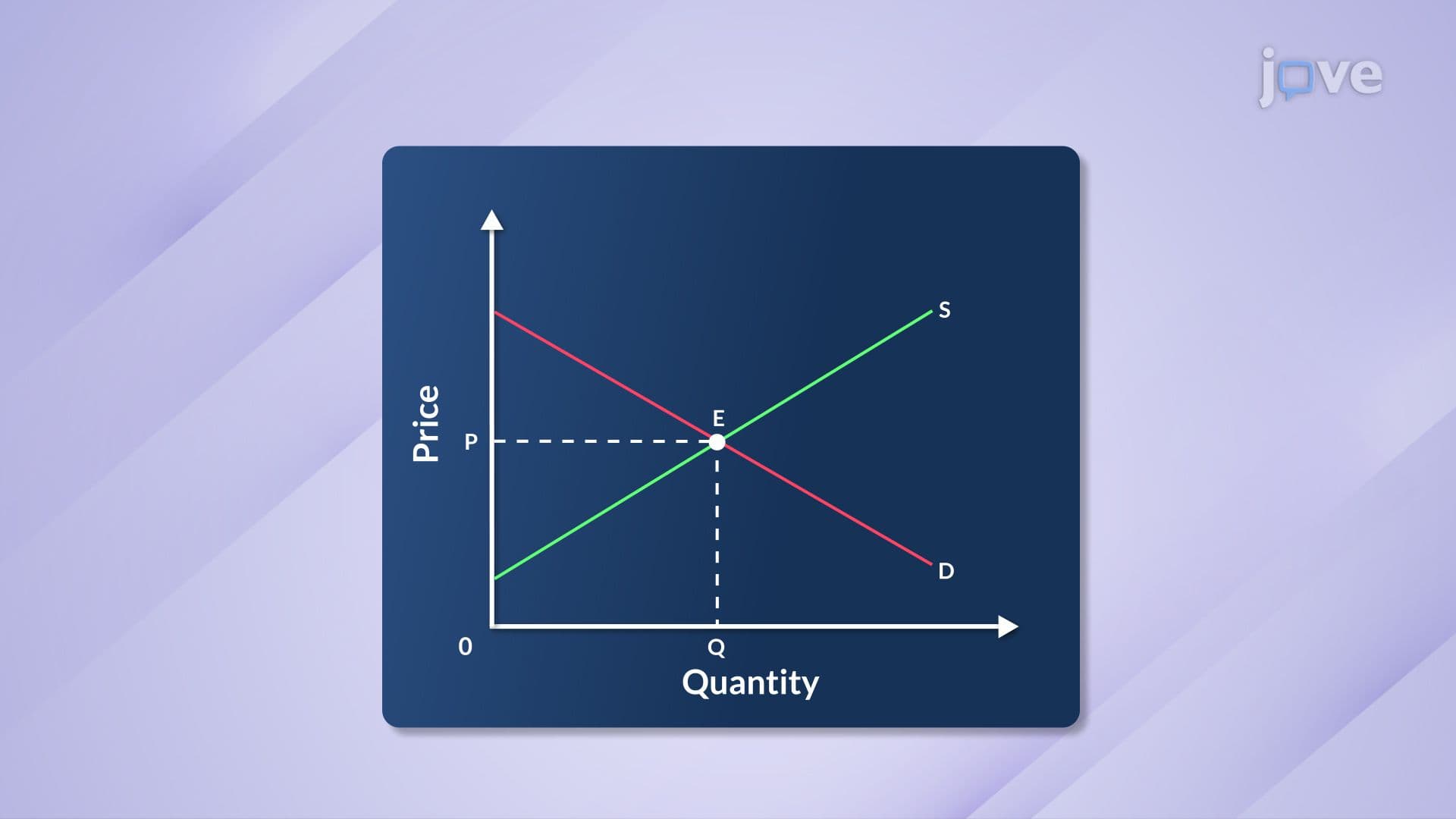
The equilibrium cournot overview relies on reaction functions-mathematical relationships showing each firm's optimal quantity given the competitor's quantity. When graphed, these reaction curves slope downward, reflecting the strategic substitutability between firms' outputs.
The intersection of these curves represents the Cournot-Nash equilibrium, where neither firm wants to unilaterally change its production level. This equilibrium typically results in higher total output than monopoly but lower than perfect competition, making it particularly relevant for analyzing real oligopolistic markets.
Students encounter equilibrium in a cournot oligopoly study guide material in AP Economics, college microeconomics courses, and business strategy classes. The concept appears frequently on AP Microeconomics exams, where students must calculate equilibrium quantities and analyze welfare effects.
Professional applications include antitrust analysis, where regulators use Cournot models to predict merger outcomes in concentrated industries. For example, when analyzing proposed airline mergers, economists apply these principles to forecast changes in route capacity and pricing strategies.
Related Micro-courses