Loading subject page…


3,604 views


Video Summary: Stackelberg and First Mover Advantage Explained
Why do companies like Amazon and Netflix consistently outperform competitors who enter markets later? The Stackelberg first mover advantage explains how leader firms secure higher profits by making strategic decisions before their rivals can respond. In the U.S. solar panel industry, first-mover companies can capture larger market shares by anticipating competitor reactions and optimizing their production accordingly. This Stackelberg And First Mover Advantage Explained concept reveals the mathematical foundation behind strategic business timing. Watch the full video on JoVE Coach to master this concept with expert-led visuals and step-by-step explanations.
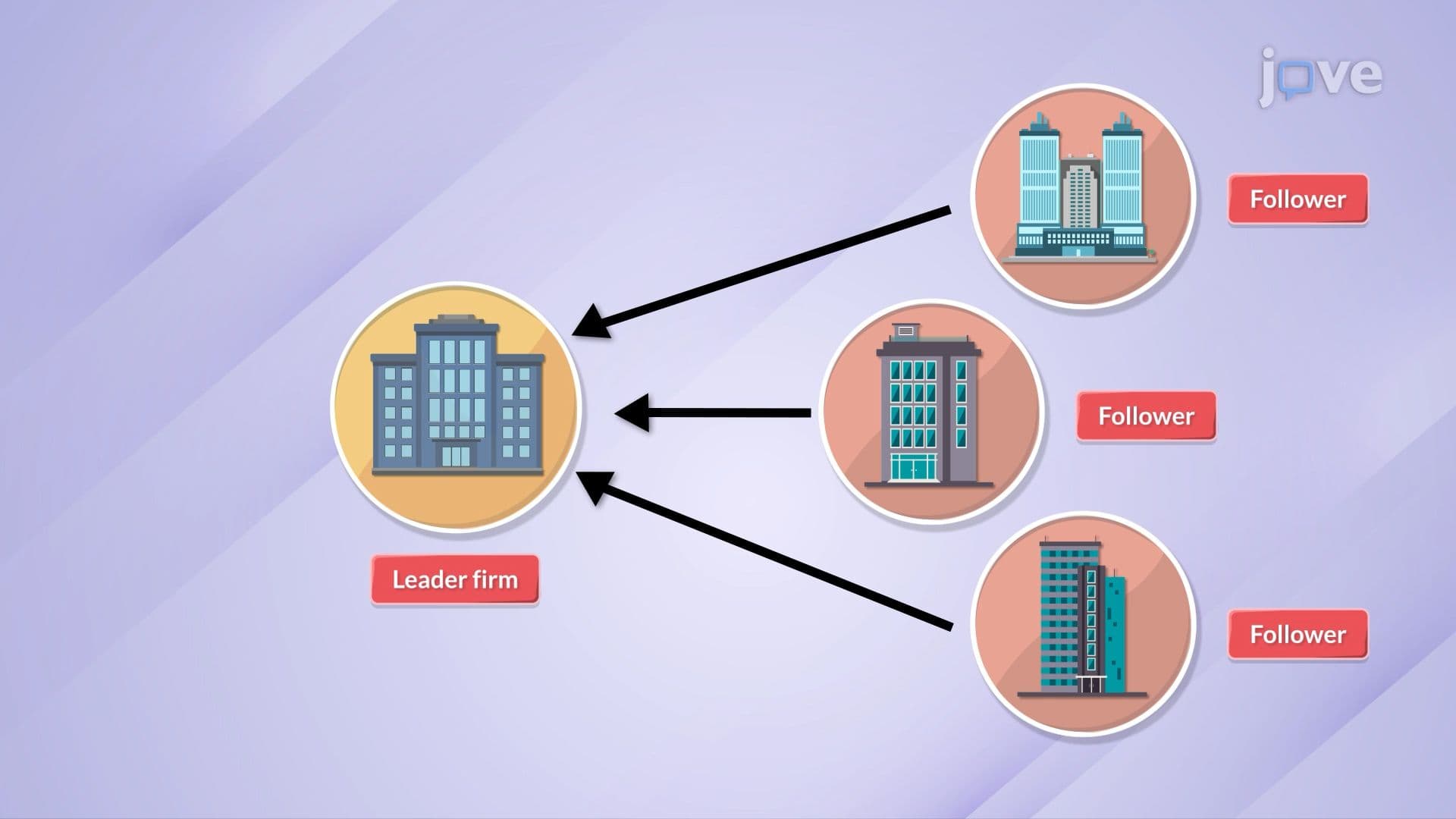
The Stackelberg model revolutionizes how economists understand competitive strategy by introducing the crucial element of timing. Unlike simultaneous competition models, this framework recognizes that real-world markets often involve sequential decision-making where one firm acts as a strategic leader. The first-mover advantage emerges because the leader firm can anticipate and incorporate the follower's rational response into its own profit-maximization strategy.
The mathematical foundation centers on reaction functions, which map each firm's optimal response to competitors' production levels. The leader firm essentially solves a two-stage optimization problem: first predicting the follower's reaction function, then choosing its own production level to maximize profit given that anticipated response. This creates a "backward induction" scenario where the leader thinks several steps ahead, similar to chess strategy.
For AP Economics students, this concept frequently appears in free-response questions requiring graphical analysis and mathematical calculations. The key insight is that the leader achieves higher profits than in Cournot (simultaneous) competition because it constrains the follower's strategic options.
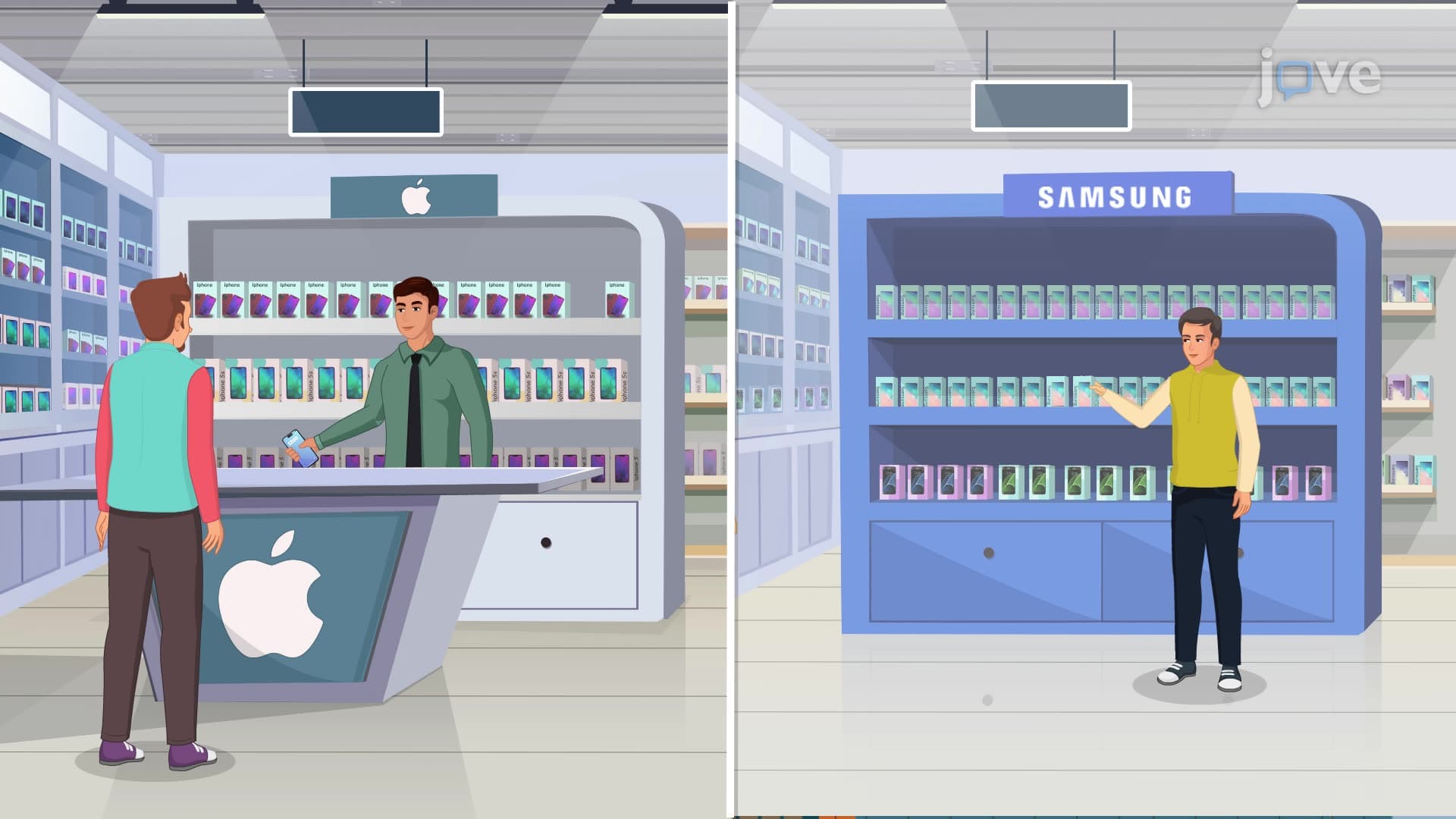
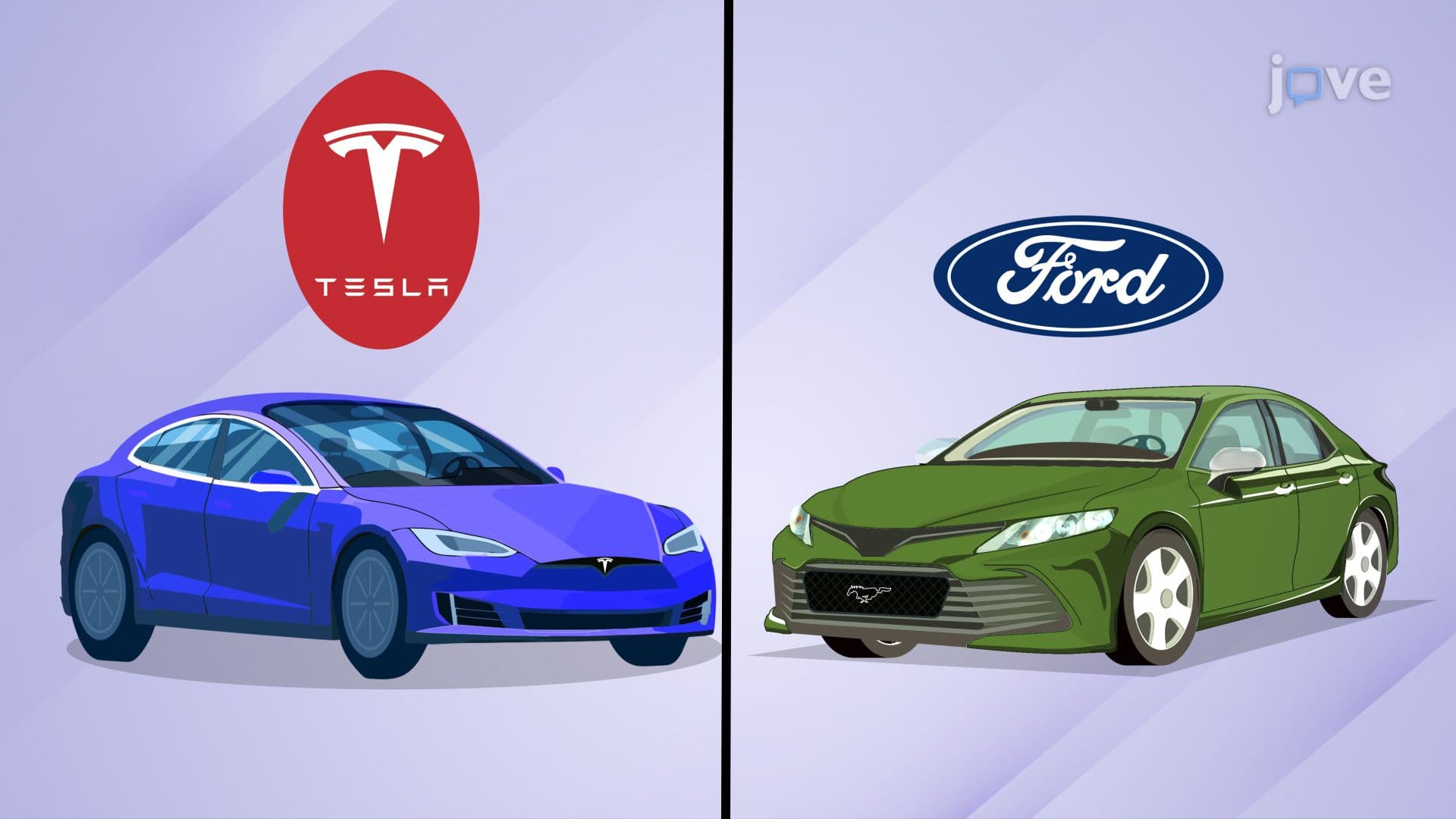
American technology giants exemplify Stackelberg dynamics perfectly. Apple's iPhone launch in 2007 established clear first-mover advantage in smartphones, forcing competitors like Samsung and Google to react within Apple's established ecosystem framework. Similarly, Tesla's early dominance in electric vehicles positioned them as the Stackelberg leader, with traditional automakers like Ford and GM acting as followers who must respond to Tesla's pricing and innovation strategies.
The pharmaceutical industry provides another compelling example. When companies like Pfizer or Moderna achieve first-to-market status with breakthrough treatments, they capture premium pricing power while competitors develop alternative formulations. This dynamic directly mirrors the solar panel example, where production timing determines market share allocation.
Understanding Stackelberg competition helps explain why companies invest heavily in research and development, regulatory approval processes, and speed-to-market capabilities. However, the model assumes perfect information and rational actors-assumptions that don't always hold in practice. Market disruptions, regulatory changes, or technological breakthroughs can quickly erode first-mover advantages, as seen when streaming services challenged traditional television networks.
Related Micro-courses