Loading concepts…


10 Concepts
21 Concepts
12 Concepts
8 Concepts
22 Concepts
20 Concepts
14 Concepts
12 Concepts
11 Concepts
7 Concepts
14 Concepts
8 Concepts
11 Concepts
22 Concepts
21 Concepts
21 Concepts
15 Concepts
22 Concepts
9 Concepts
6 Concepts
 12 Concepts
 5.3K Views
 Popular topics




Perfect competition represents an idealized market structure where numerous buyers and sellers interact with identical products, complete information, and unrestricted market entry. This fundamental economic model serves as a benchmark for analyzing market efficiency and helps students understand how supply and demand forces determine prices in competitive environments. Through JoVE Coach's comprehensive video series, you'll explore how firms operate as price takers, maximize profits, and reach long-run equilibrium in perfectly competitive markets like agriculture.
1. Market Structure and Characteristics: Perfect competition requires four essential conditions: numerous buyers and sellers, identical products, perfect information, and free market entry and exit. No single participant can influence market prices, making all firms price takers. The agricultural sector exemplifies this structure, where thousands of farmers sell homogeneous products like corn or wheat. Understanding these characteristics helps explain why competitive markets efficiently allocate resources and benefit consumers through lower prices.
2. Demand Curves and Price-Taking Behavior: In perfectly competitive markets, individual firms face perfectly elastic demand curves represented as horizontal lines at the market price. A wheat farmer cannot charge above market price without losing all customers, nor does reducing prices make economic sense since it would increase average costs while decreasing revenue per unit. This creates the fundamental price-taking behavior that defines competitive firms.
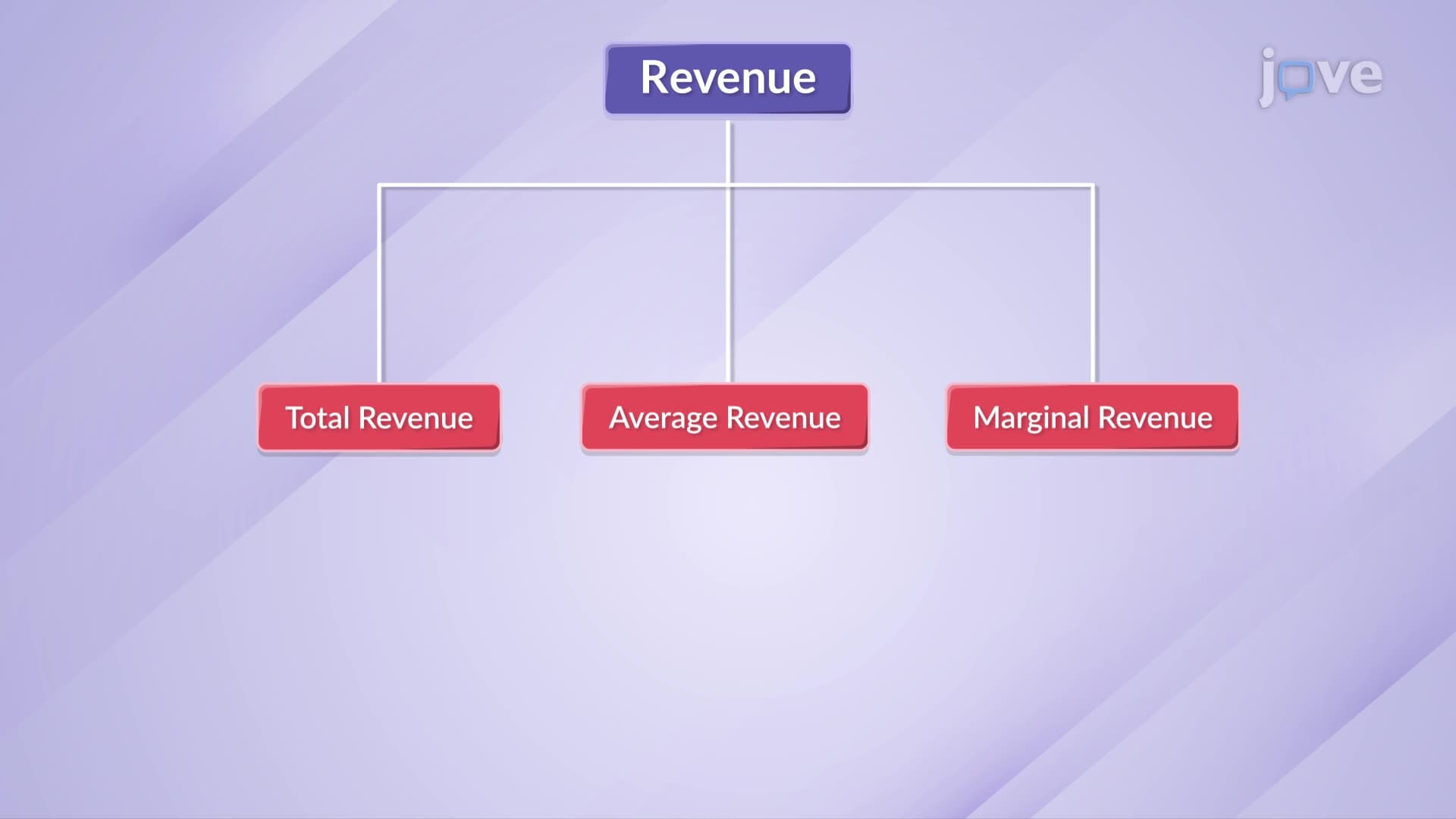
3. Revenue Analysis and Profit Calculations: Firms must understand three revenue types: total revenue (price × quantity), average revenue (total revenue ÷ quantity), and marginal revenue (additional revenue from one more unit sold). In perfect competition, average revenue, marginal revenue, and market price are identical. This equality simplifies profit calculations and helps firms determine optimal production levels for maximizing earnings.
4. Short-Run Profit Maximization Strategy: The profit maximization rule states that firms should produce where marginal cost equals marginal revenue. When marginal revenue exceeds marginal cost, increasing production adds profit. When marginal cost exceeds marginal revenue, reducing output prevents losses. This principle applies to any competitive business, from chair manufacturers to service providers determining optimal client loads for maximum profitability.
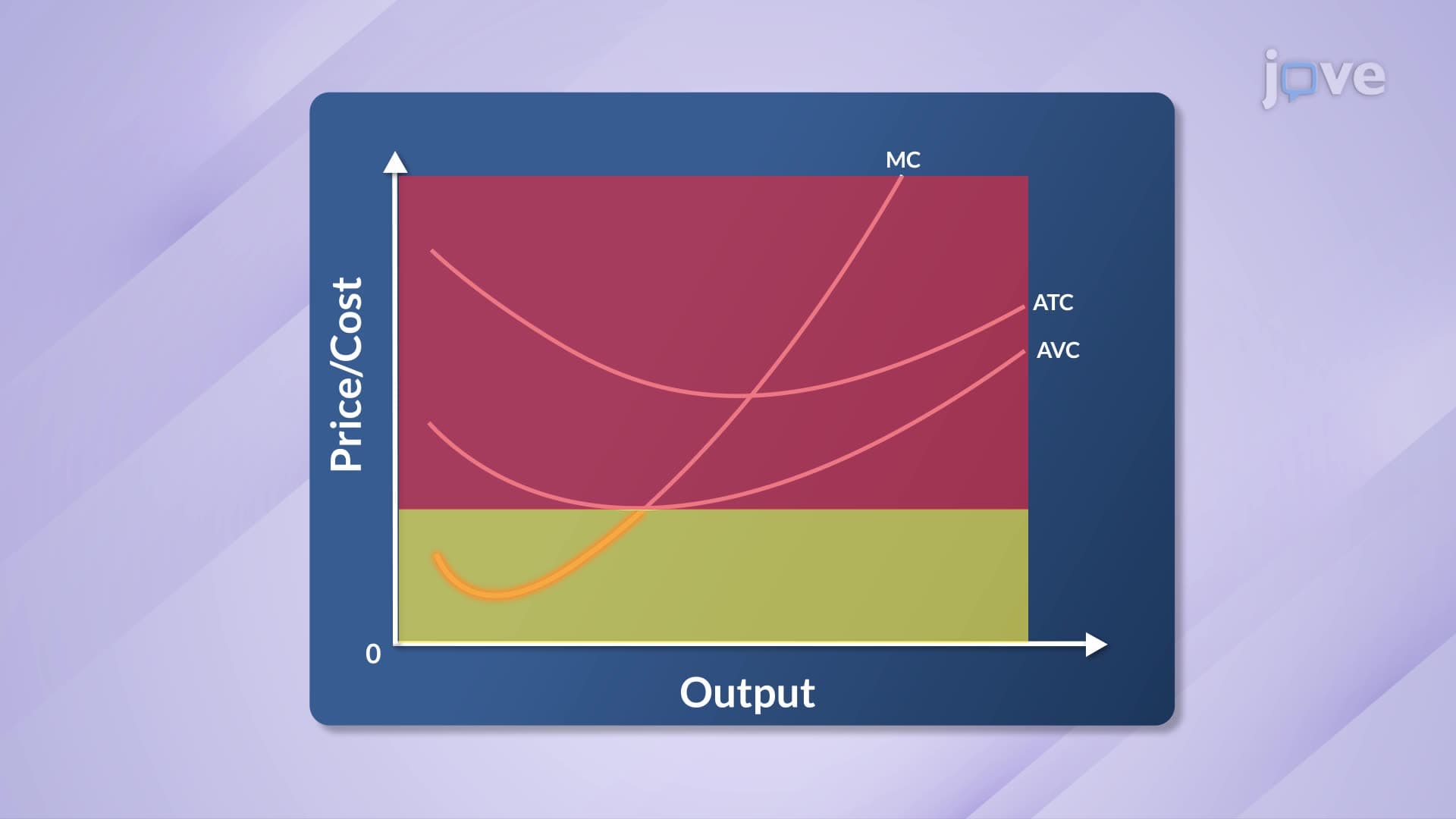
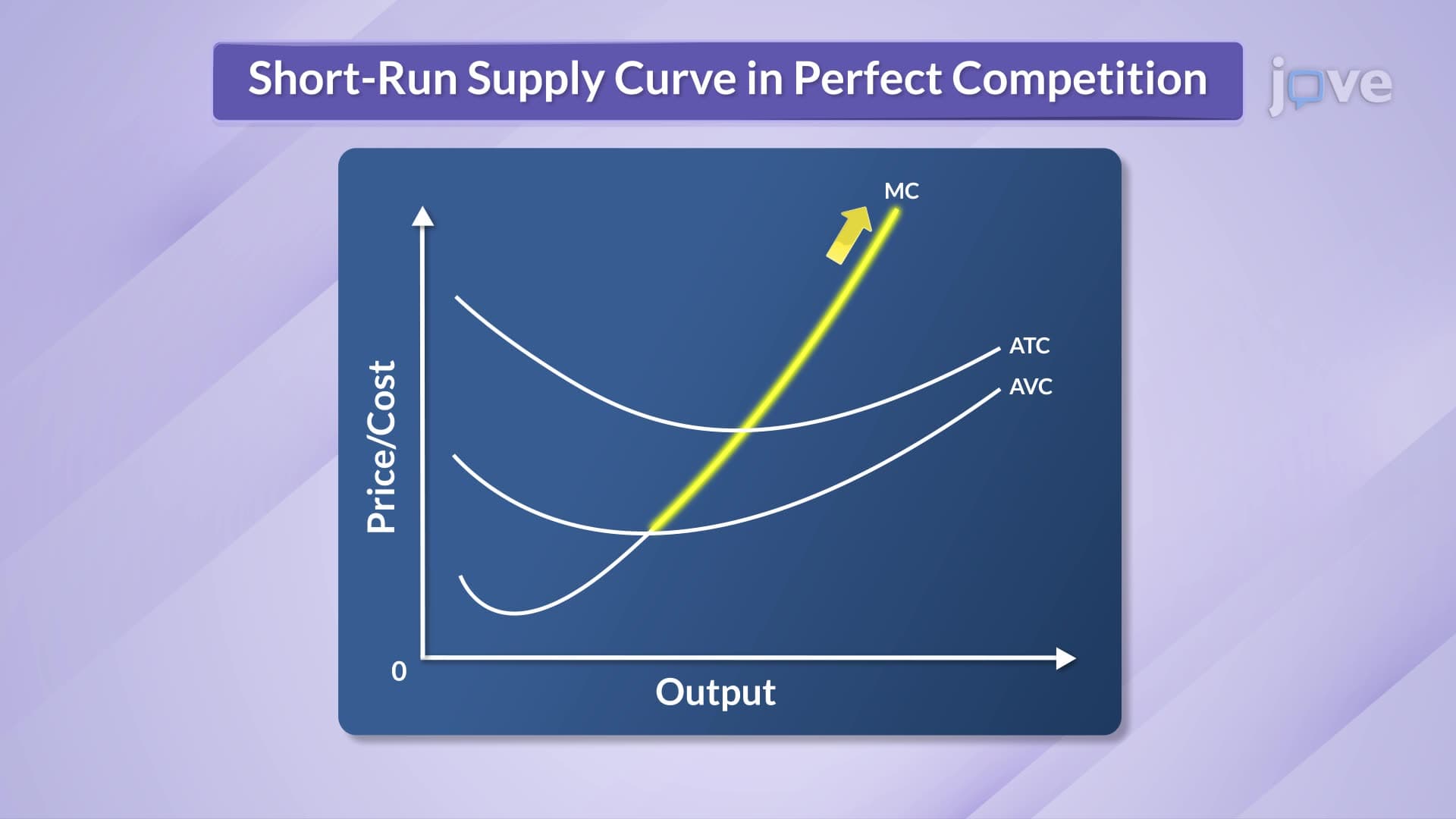
5. Shutdown Decision and Loss Minimization: Even profit-maximizing firms may face losses when average total cost exceeds price. The shutdown rule determines whether to continue operations: if price covers average variable cost, continue producing to offset some fixed costs; if price falls below average variable cost, cease production to minimize losses. This critical decision affects short-run survival strategies for struggling businesses.
6. Supply Curve Construction and Input Effects: A firm's supply curve corresponds to the marginal cost curve above the minimum average variable cost point. Below this shutdown point, quantity supplied equals zero. Input price changes shift the entire supply curve: rising costs (like increased wheat prices for bakeries) reduce profitable output levels, while falling input costs increase optimal production quantities.
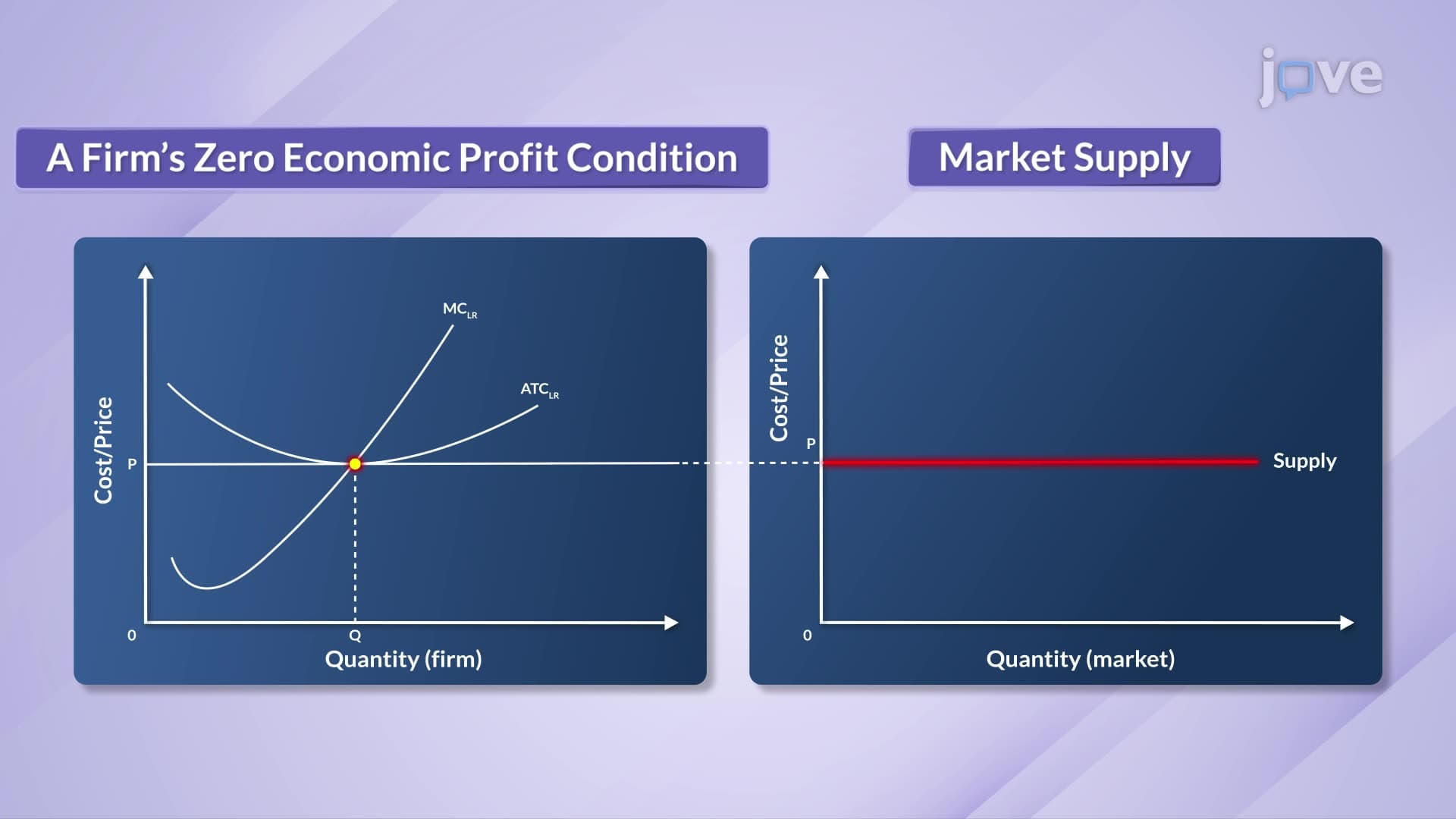
7. Economic vs. Accounting Profit Understanding: Zero economic profit represents normal returns, not business failure. While accounting profit considers only explicit costs (wages, materials, rent), economic profit includes implicit costs like forgone opportunities. An entrepreneur earning $80,000 accounting profit but sacrificing an $80,000 salary achieves zero economic profit, indicating normal business performance sufficient for continued operation.
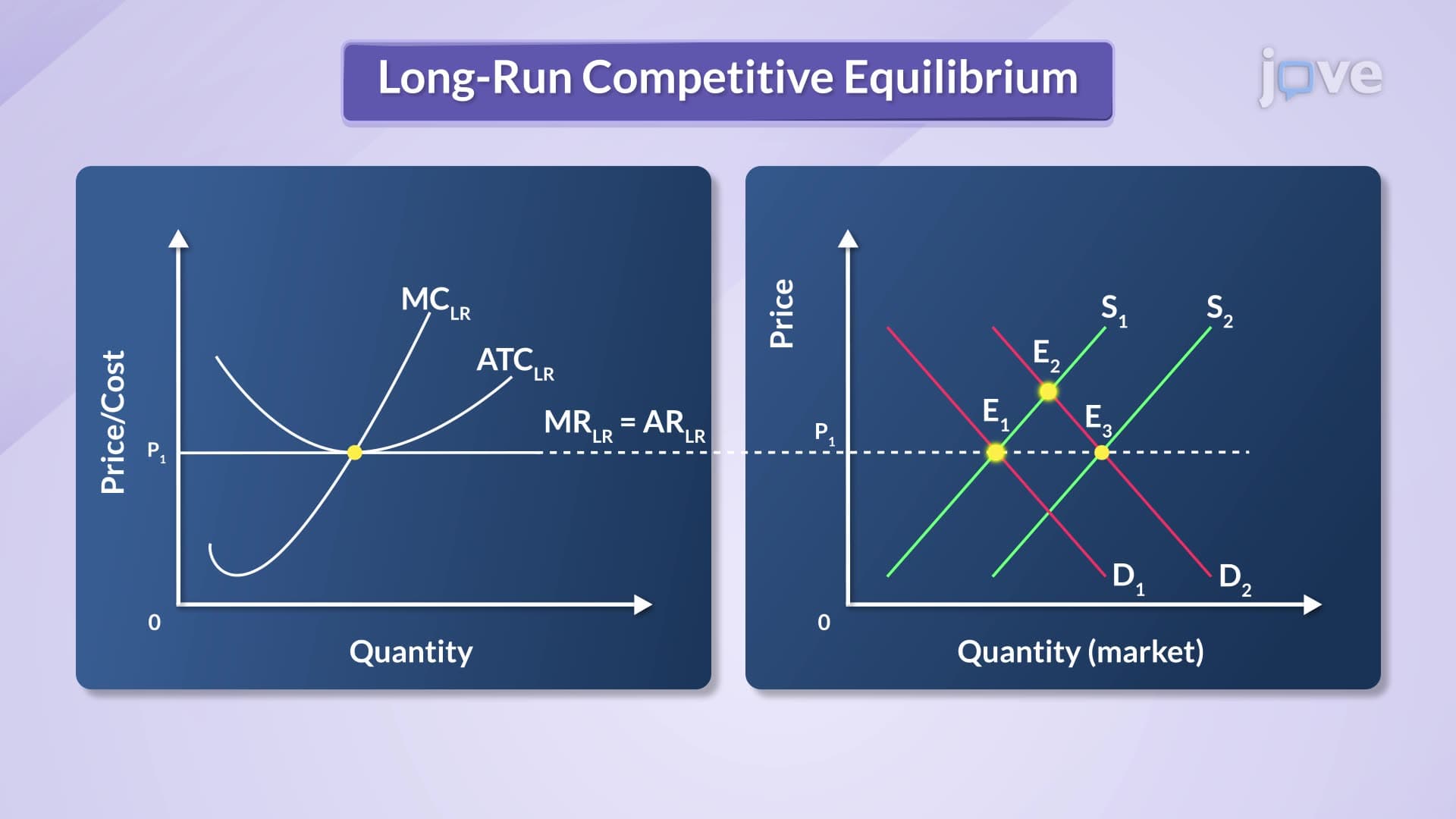
8. Long-Run Equilibrium and Market Efficiency: Long-run competitive equilibrium occurs when price equals minimum average total cost, resulting in zero economic profit for all firms. This eliminates incentives for market entry or exit while ensuring maximum efficiency. Firms operate at optimal scale, consumers pay minimum possible prices, and resources achieve their most productive allocation, maximizing overall social welfare.