Loading video…


 12 Concepts
 5.3K views

Video Summary: Long Run Competitive Equilibrium Ii Explained
Ever wondered why gas stations on the same highway charge nearly identical prices, even though they're competing businesses? This phenomenon illustrates long run competitive equilibrium in action-a market state where firms operate at maximum efficiency while earning zero economic profit. Consider how McDonald's franchises across the US maintain consistent pricing and service levels despite intense competition. Long Run Competitive Equilibrium II Explained demonstrates how markets naturally reach this balanced state through three essential conditions that benefit both businesses and consumers. Watch the full video on JoVE Coach to master this concept with expert-led visuals and step-by-step explanations.
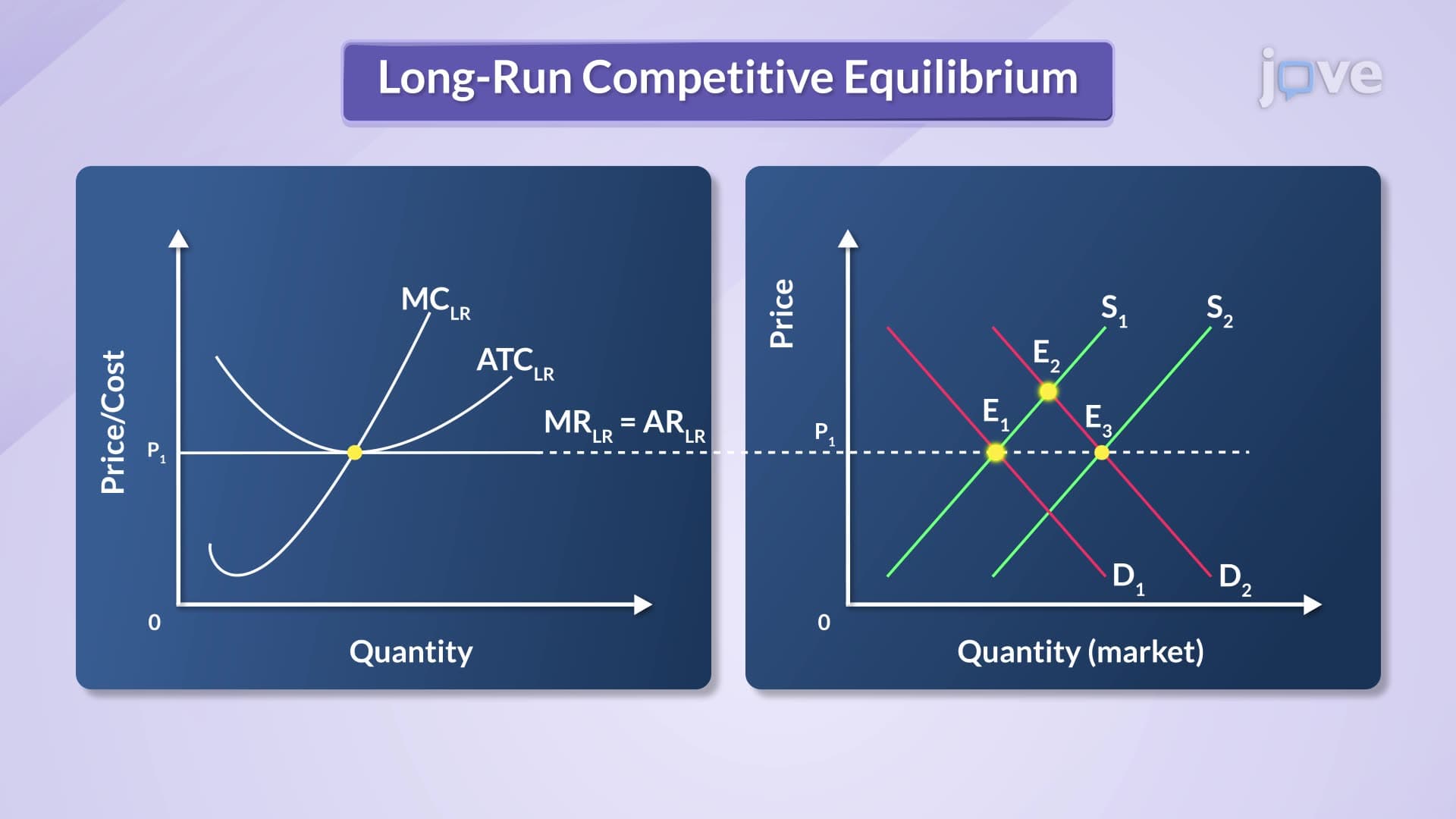
Long run competitive equilibrium represents the market's natural resting point where economic forces achieve perfect balance. Unlike short-run scenarios where firms might earn supernormal profits or incur losses, the long run allows complete factor mobility and unlimited time for market adjustments. This equilibrium state emerges when three critical conditions align simultaneously, creating a self-reinforcing cycle of efficiency and stability.
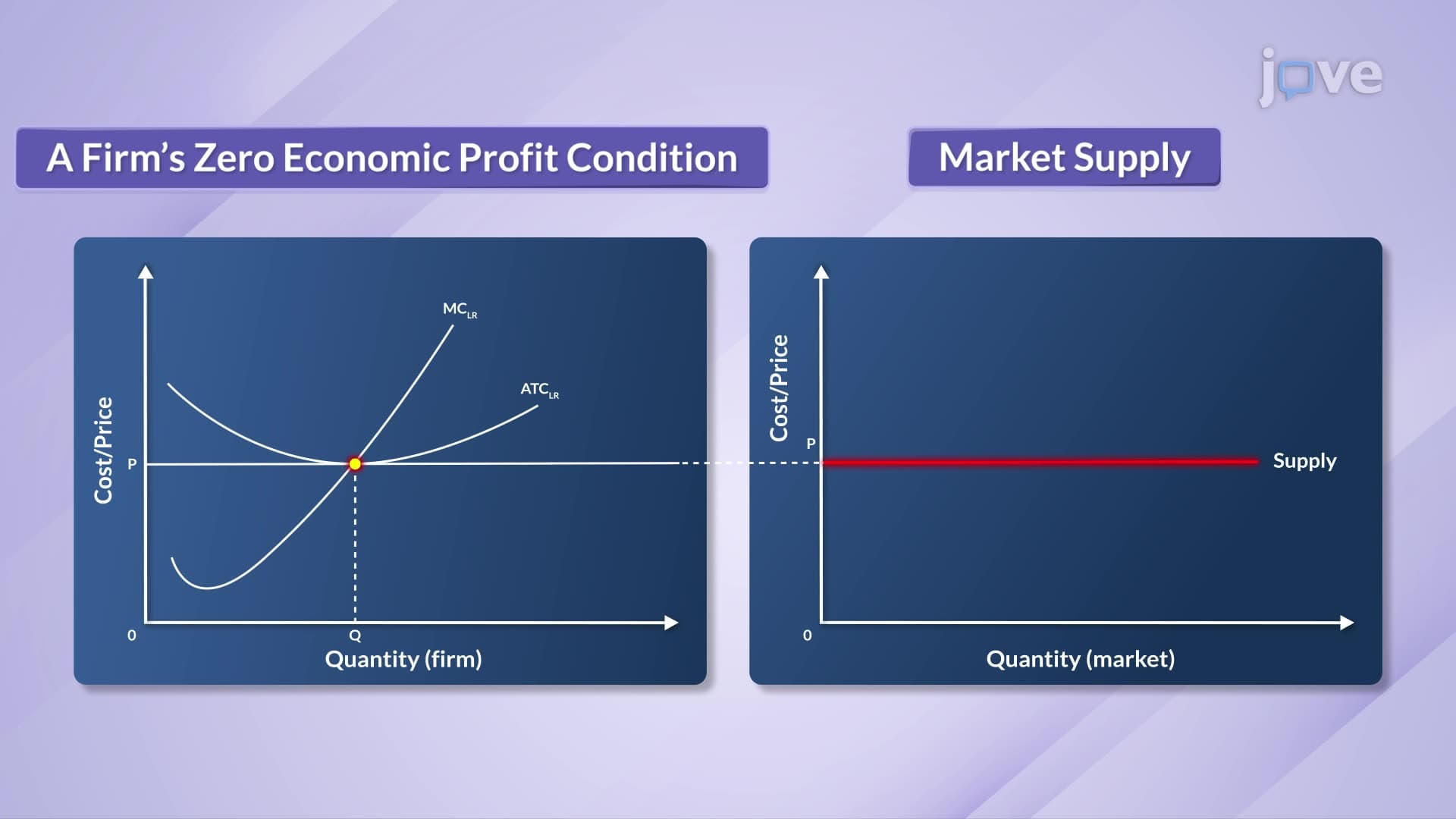
In long-run competitive equilibrium, every firm operates at the lowest point of its average total cost (ATC) curve. This efficiency requirement stems from competitive pressure-firms that fail to minimize costs cannot survive against more efficient competitors. Consider the US airline industry: successful carriers like Southwest Airlines have thrived by maintaining low operational costs per passenger mile, while inefficient airlines have either adapted or exited the market. This condition ensures that society's resources are used most productively, maximizing output per dollar of input.
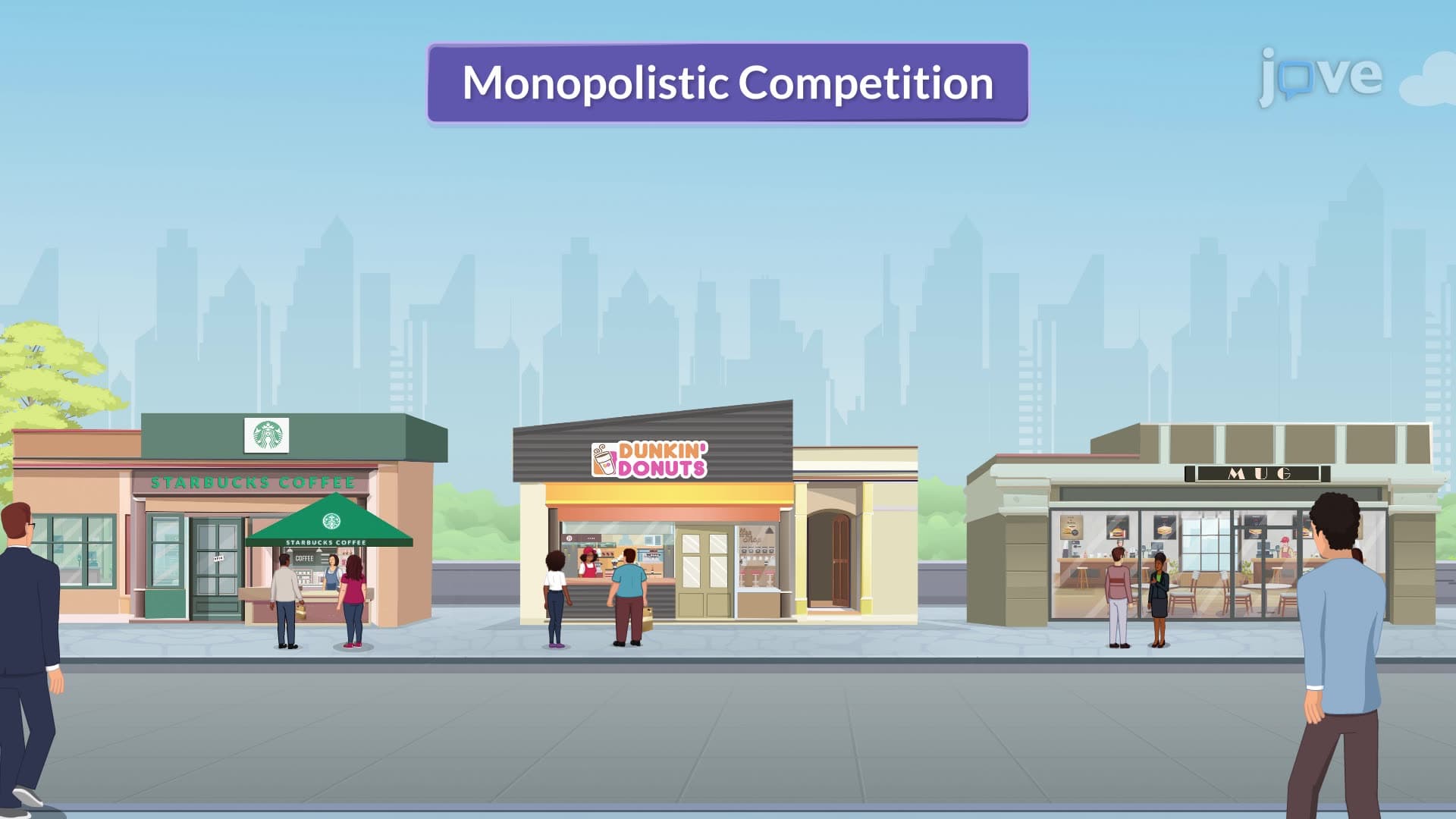
The second condition-zero economic profit-often confuses students because firms appear to earn "nothing." However, zero economic profit means firms earn exactly their opportunity cost, covering all explicit costs plus the implicit costs of capital and entrepreneurship. Think of independent coffee shops competing with Starbucks: successful independent owners earn enough to justify not working elsewhere (their opportunity cost) but don't earn excess profits that would attract new competitors. This condition prevents both market entry and exit, creating stability.
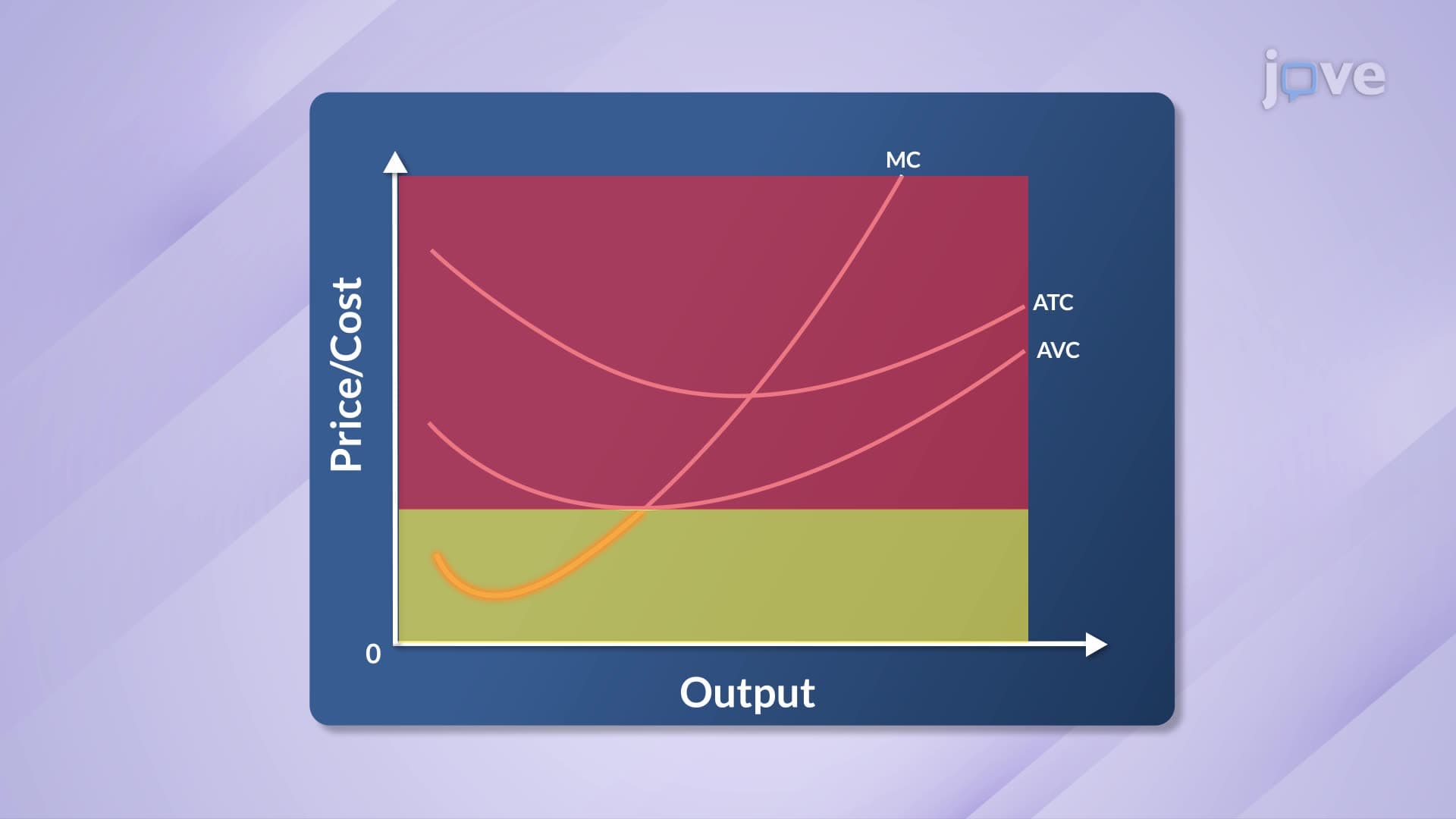
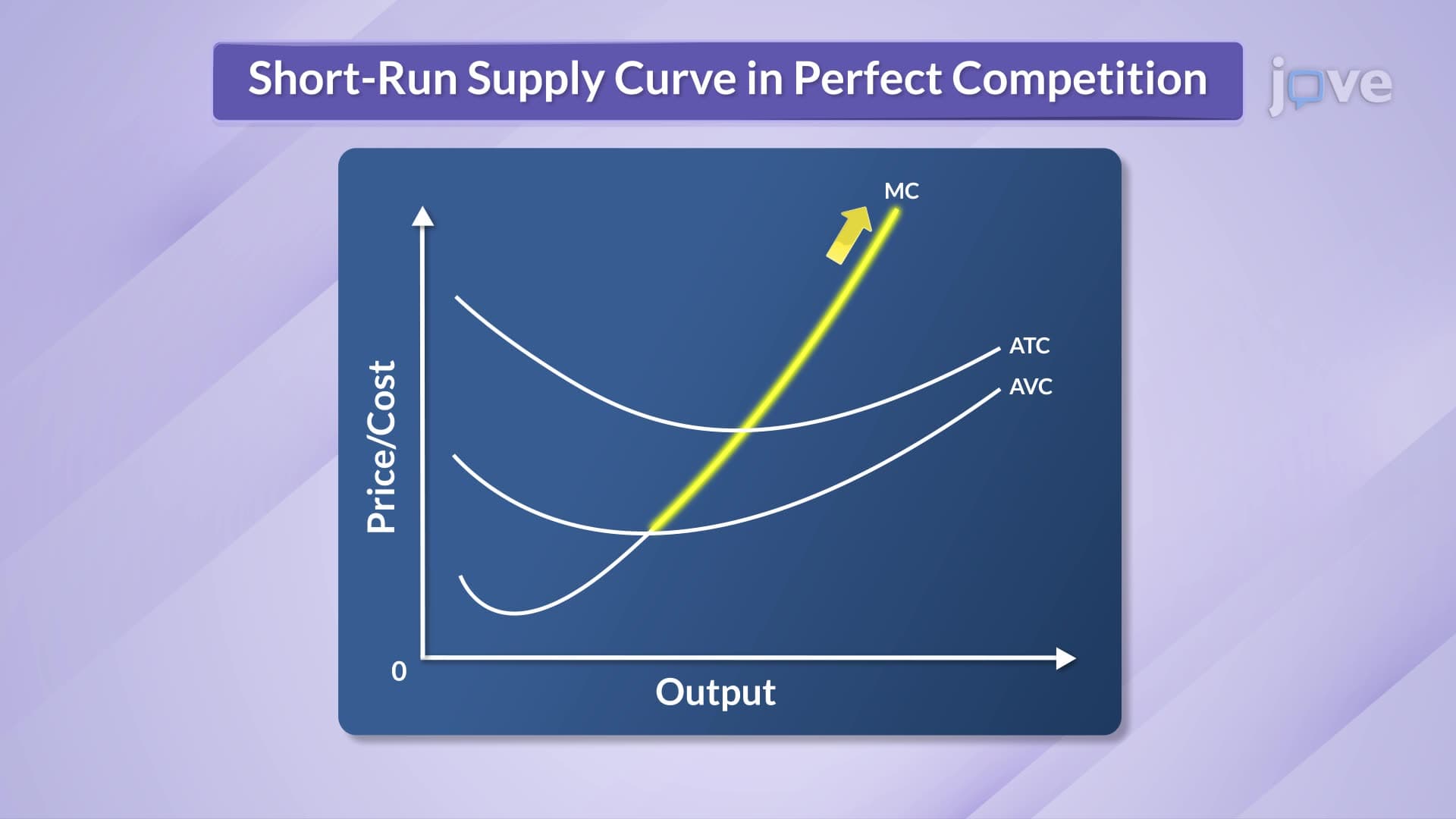
The final condition requires that market-determined prices clear the market-quantity supplied equals quantity demanded. This price represents the intersection of industry supply (sum of all firms' marginal cost curves above average variable cost) and market demand. In the US housing market, for example, regions with long-run equilibrium see stable prices where the quantity of homes supplied by builders exactly meets buyer demand, with no persistent shortages or surpluses.
Understanding long-run competitive equilibrium is crucial for AP Microeconomics students and college economics courses. Exam questions frequently test your ability to identify market conditions, draw cost curves, and explain why firms earn zero economic profit long-term. This concept also appears in business strategy discussions, helping explain why some industries have low profit margins despite healthy revenues.
Related Micro-courses