Loading video…


 12 Concepts
 5.3K views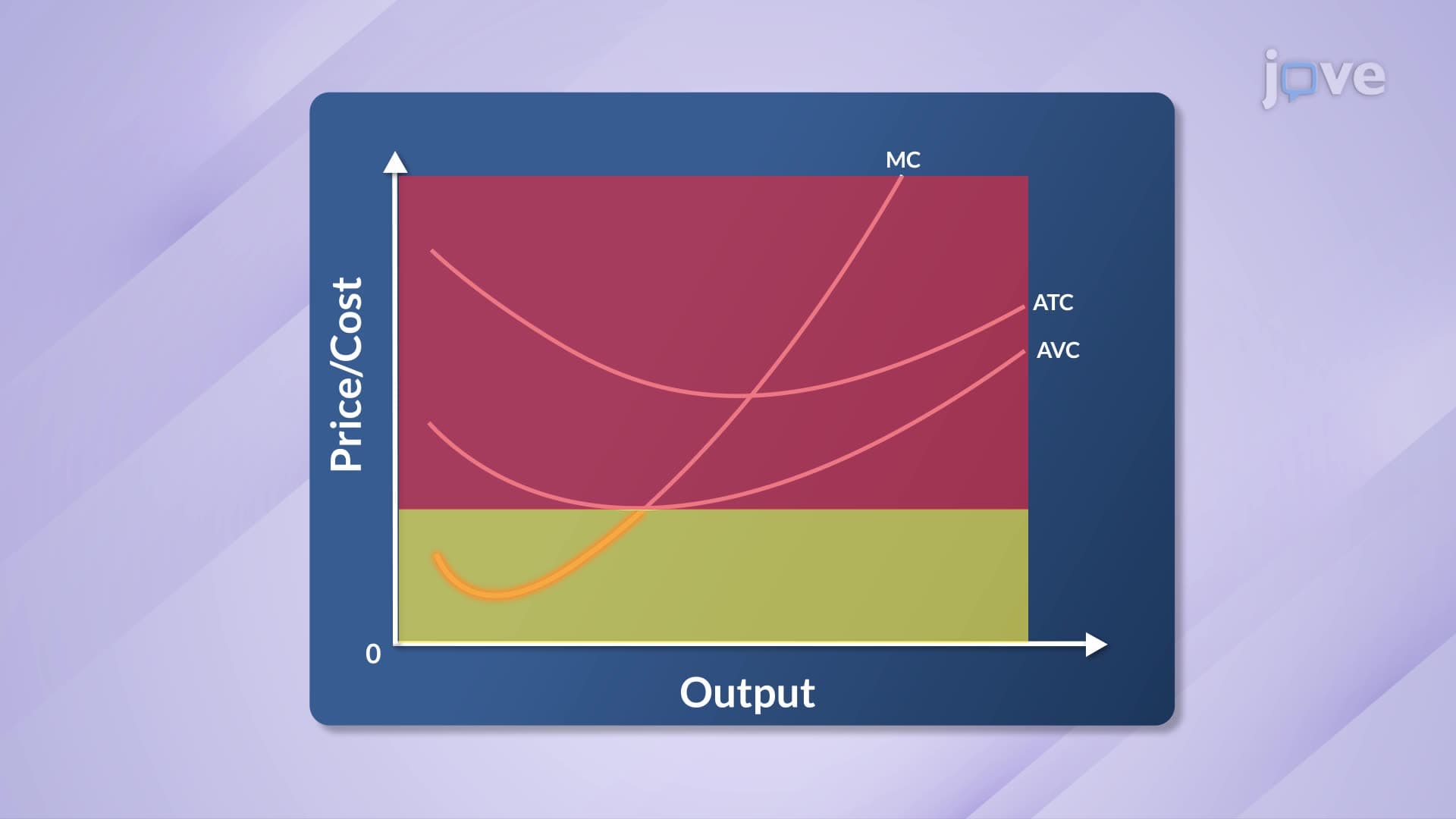

Video Summary: What Is Shut Down Point
Why would McDonald's keep a restaurant open even when losing money? The shut down point determines when businesses should temporarily cease operations versus continuing to operate at a loss. This critical economic principle helps companies like struggling retail chains decide whether to keep underperforming stores open during economic downturns, as continuing operations might still cover variable costs and contribute to fixed expenses. Watch the full video on JoVE Coach to master this concept with expert-led visuals and step-by-step explanations.
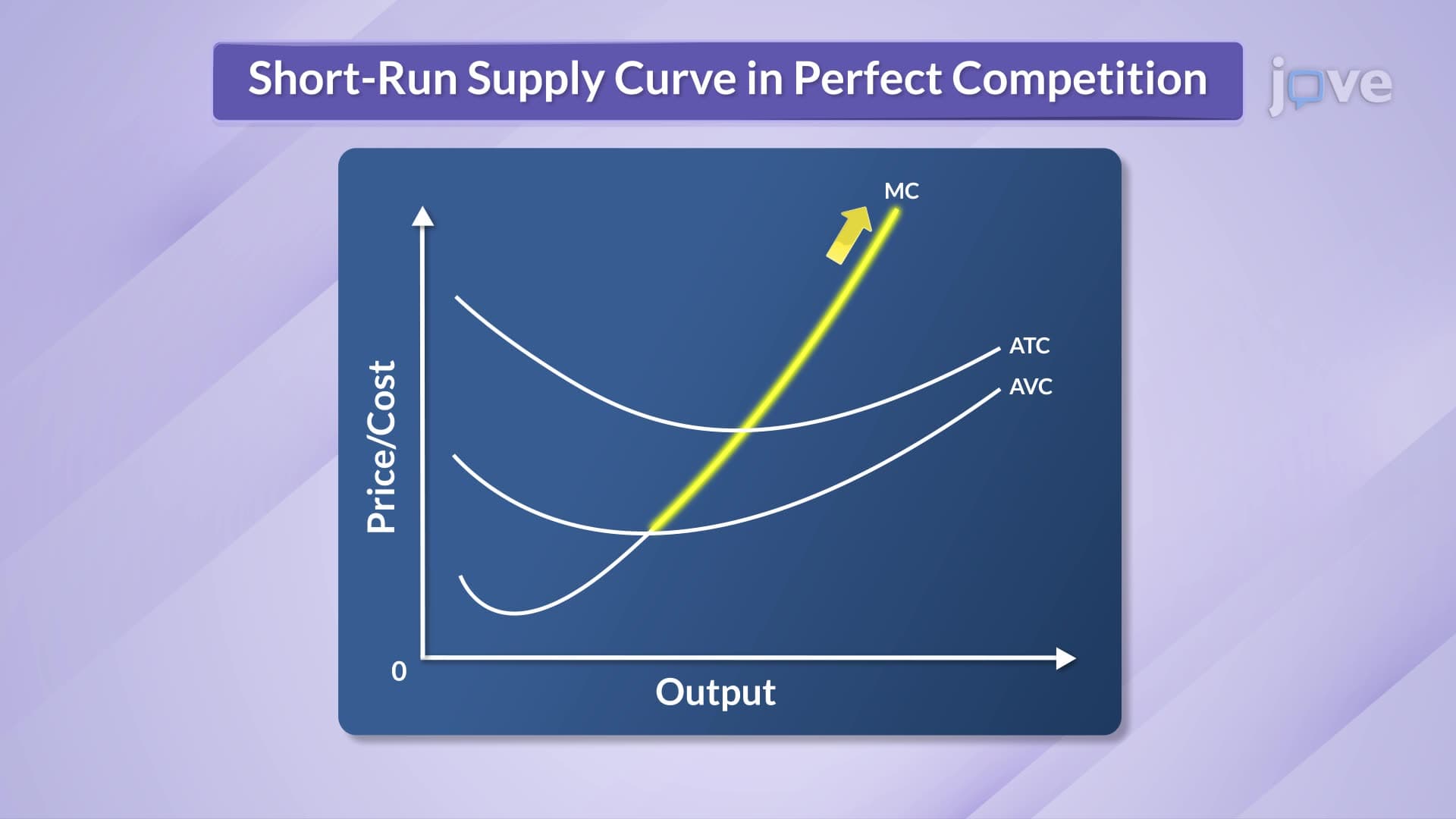
The shut down point represents a critical threshold in microeconomics where a firm must decide whether continuing production minimizes losses better than temporarily halting operations. This decision point occurs when a company's revenue can no longer cover its variable costs, making continued production economically irrational. Unlike permanent closure, shutdown represents a temporary cessation that allows firms to avoid variable costs while still bearing unavoidable fixed costs.
When firms operate below the shutdown point, they face a fundamental choice: continue losing money on each unit produced or temporarily halt production. The key insight lies in understanding that fixed costs-such as rent, insurance, and loan payments-persist regardless of production levels. Smart firms recognize that as long as price exceeds average variable cost, continuing operations contributes toward covering these fixed expenses, even when total costs exceed revenue.
Consider AMC Theaters during the 2020 pandemic. Many locations operated at reduced capacity not because they were profitable, but because ticket revenue still exceeded variable costs like employee wages and utilities, helping offset fixed costs such as property leases and equipment financing.
The shutdown rule hinges on distinguishing between variable and fixed costs. Variable costs-including raw materials, hourly labor, and utilities directly tied to production-can be eliminated by ceasing operations. Fixed costs-such as equipment leases, insurance premiums, and salaried positions-continue regardless of production decisions.
Airlines exemplify this principle during off-peak seasons. United Airlines might operate flights with low passenger loads because ticket revenue still covers fuel, crew wages, and airport fees (variable costs), contributing toward aircraft leases and maintenance contracts (fixed costs). Only when revenue falls below variable costs does flight cancellation become economically justified.
Students encounter shutdown point analysis in AP Microeconomics, introductory economics courses, and business strategy classes. Exam questions typically present scenarios where students must calculate average variable costs, compare them to market prices, and recommend shutdown decisions. Understanding this concept proves essential for case studies involving seasonal businesses, commodity producers, and service industries facing demand fluctuations.
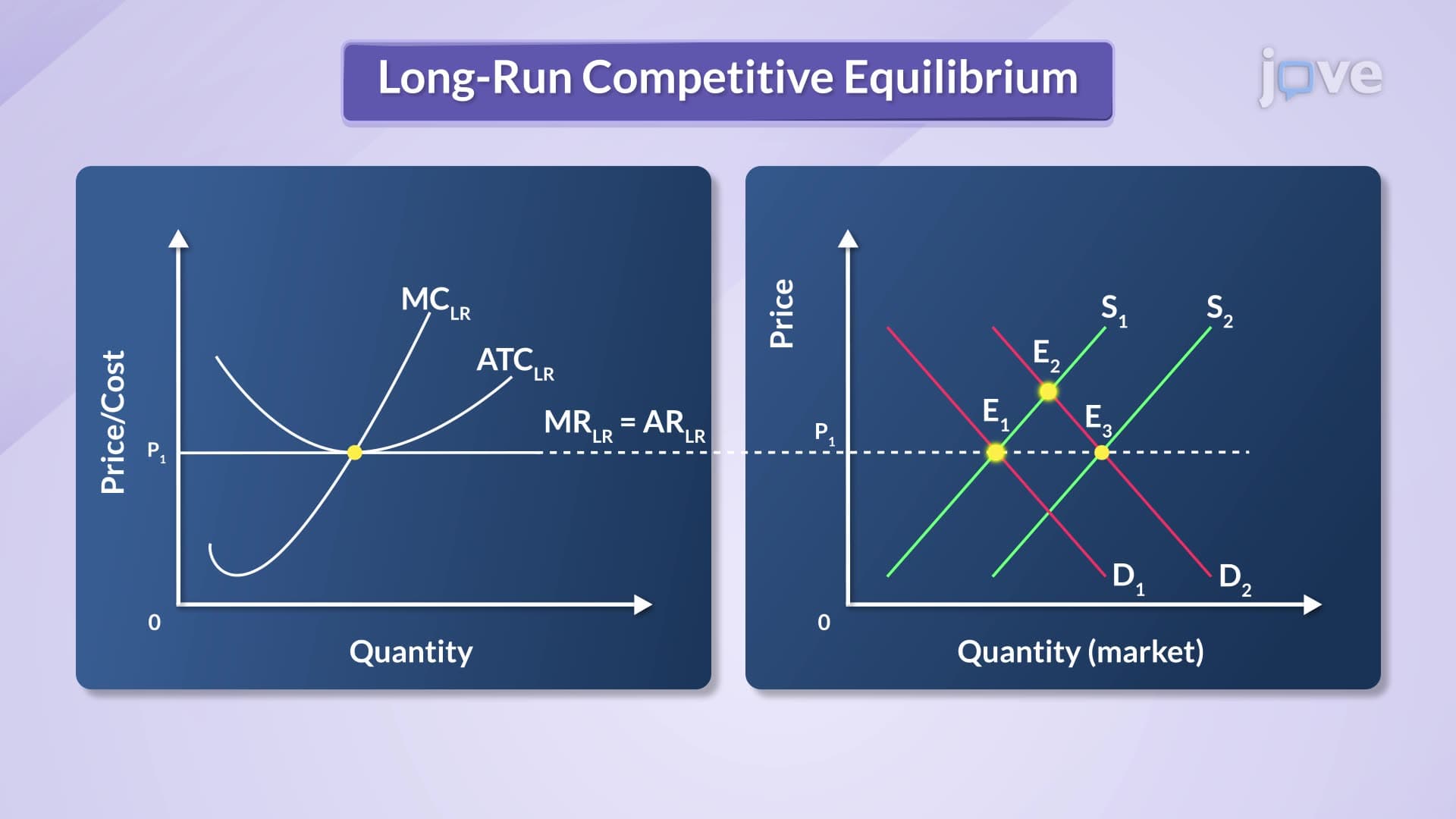
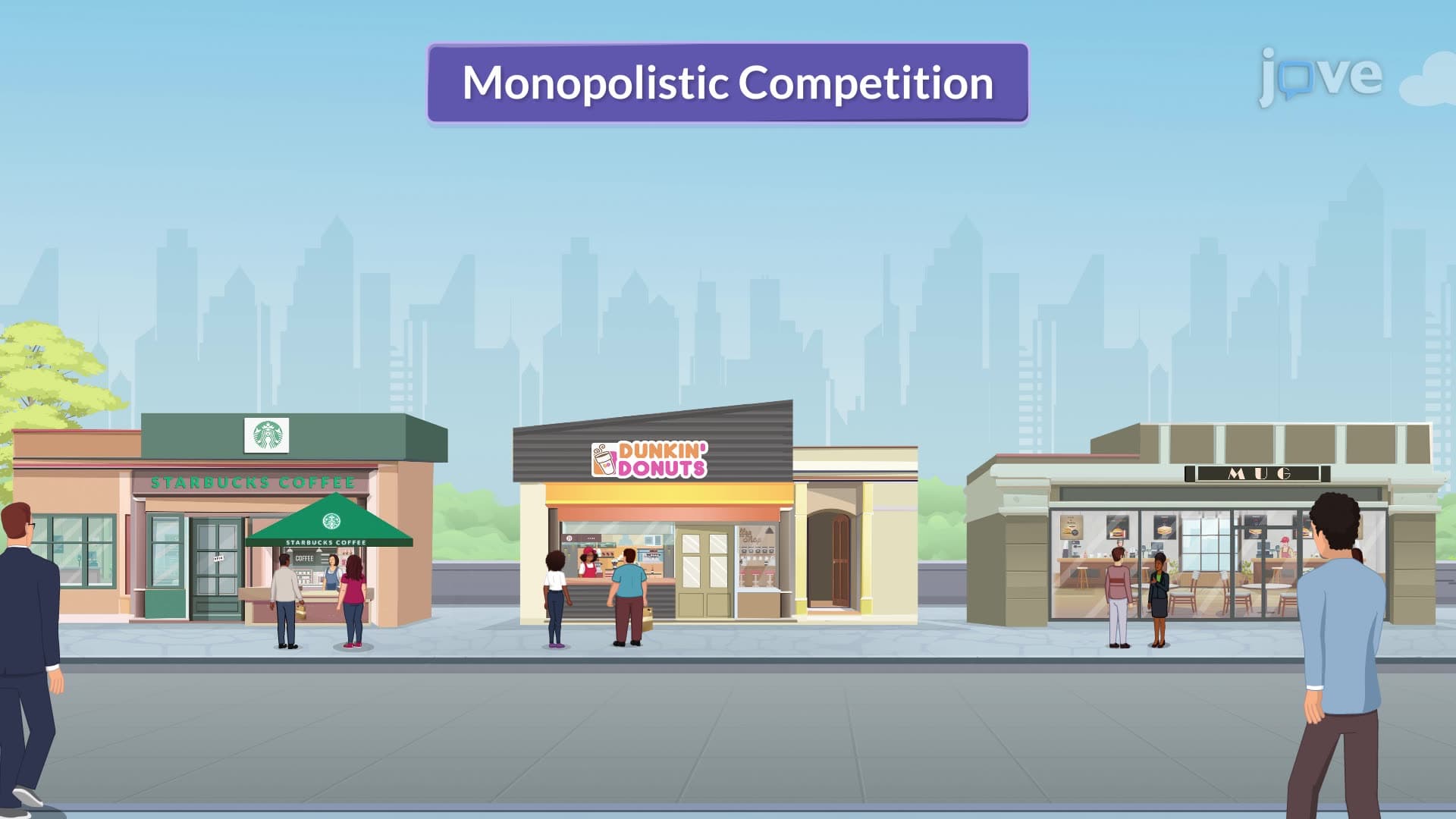
The shutdown point also appears in more advanced coursework examining market structures, particularly perfect competition and monopolistic competition, where firms lack pricing power and must accept market-determined prices while optimizing production decisions.
Related Micro-courses