Loading video…


 7 Concepts
 5.5K views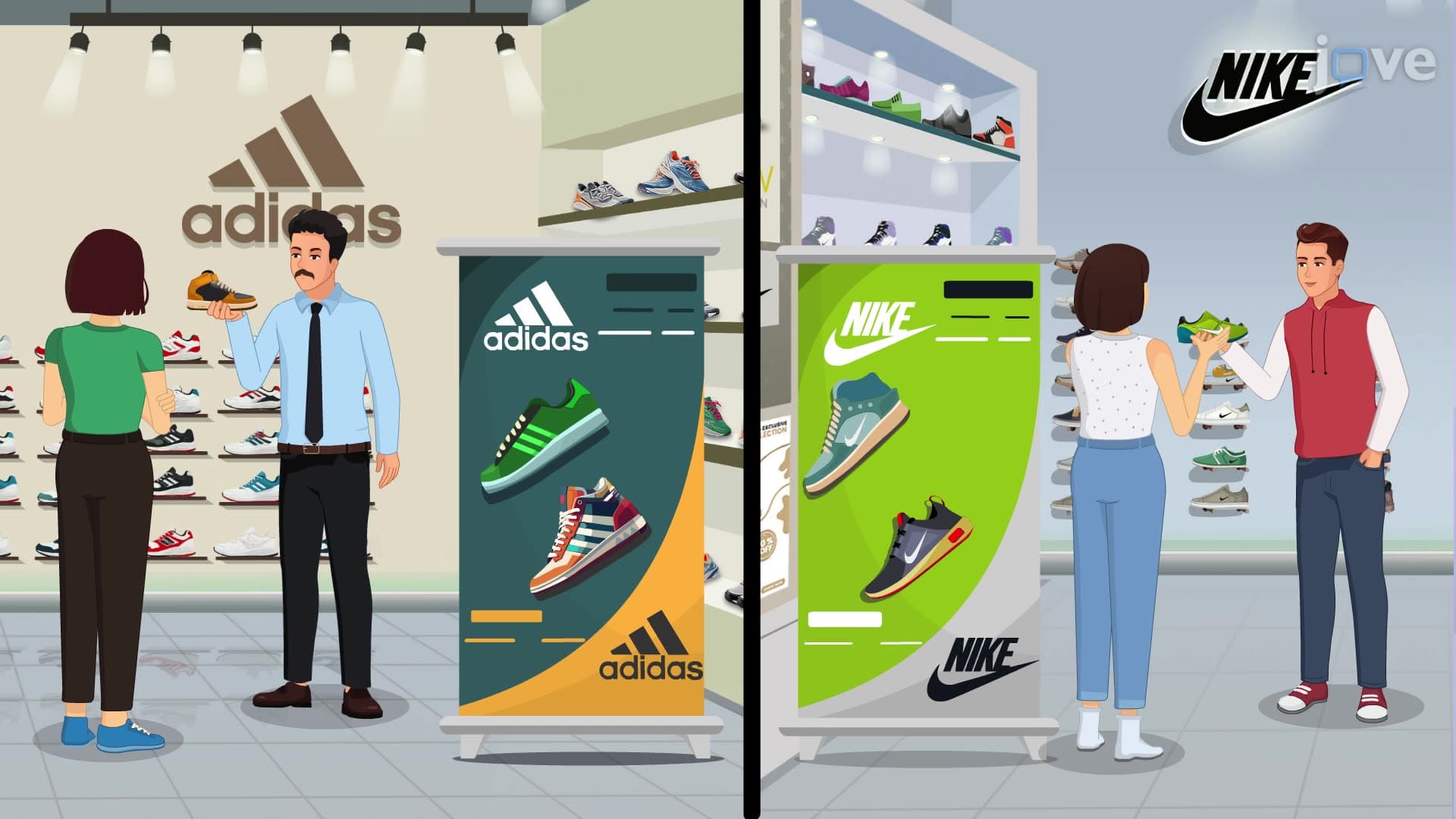

Video Summary: What Is Advertisement Under Monopolistic Competition
Why do Nike customers willingly pay $200 for sneakers while similar shoes cost $50? Advertisement under monopolistic competition explains this phenomenon by showing how companies differentiate identical products through strategic marketing. In the US athletic footwear market, brands like Nike and Adidas use advertising to create brand loyalty and justify premium pricing, making consumers less sensitive to price changes. This marketing strategy shifts demand curves and builds inelastic customer relationships that drive profitability. Watch the full video on JoVE Coach to master this concept with expert-led visuals and step-by-step explanations.
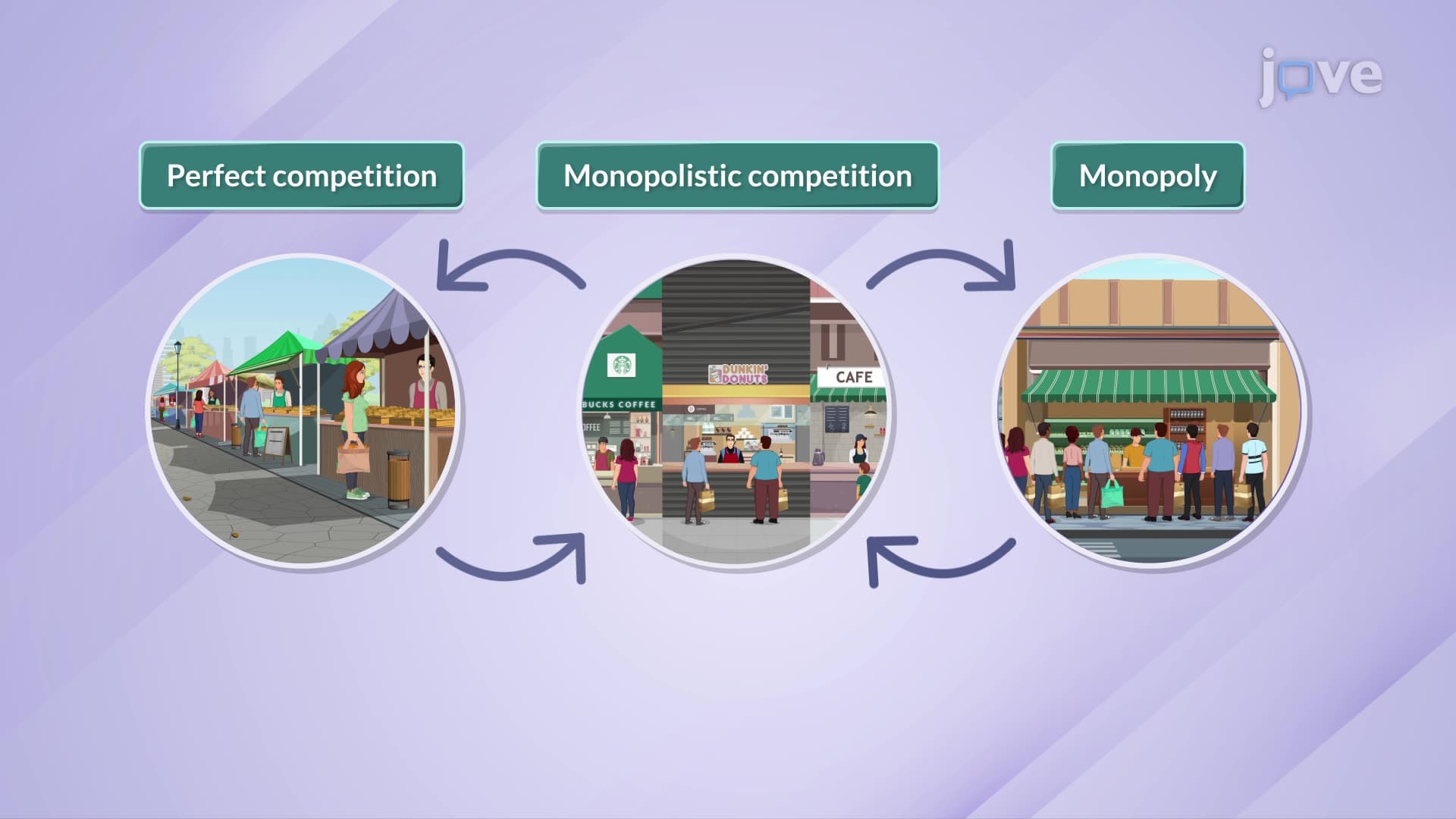
Advertisement under monopolistic competition represents a crucial economic strategy where firms operating in markets with many competitors use marketing to distinguish their products from seemingly identical alternatives. Unlike perfect competition where products are truly homogeneous, monopolistic competition allows companies to create perceived differences through advertising, enabling them to charge premium prices and build customer loyalty.
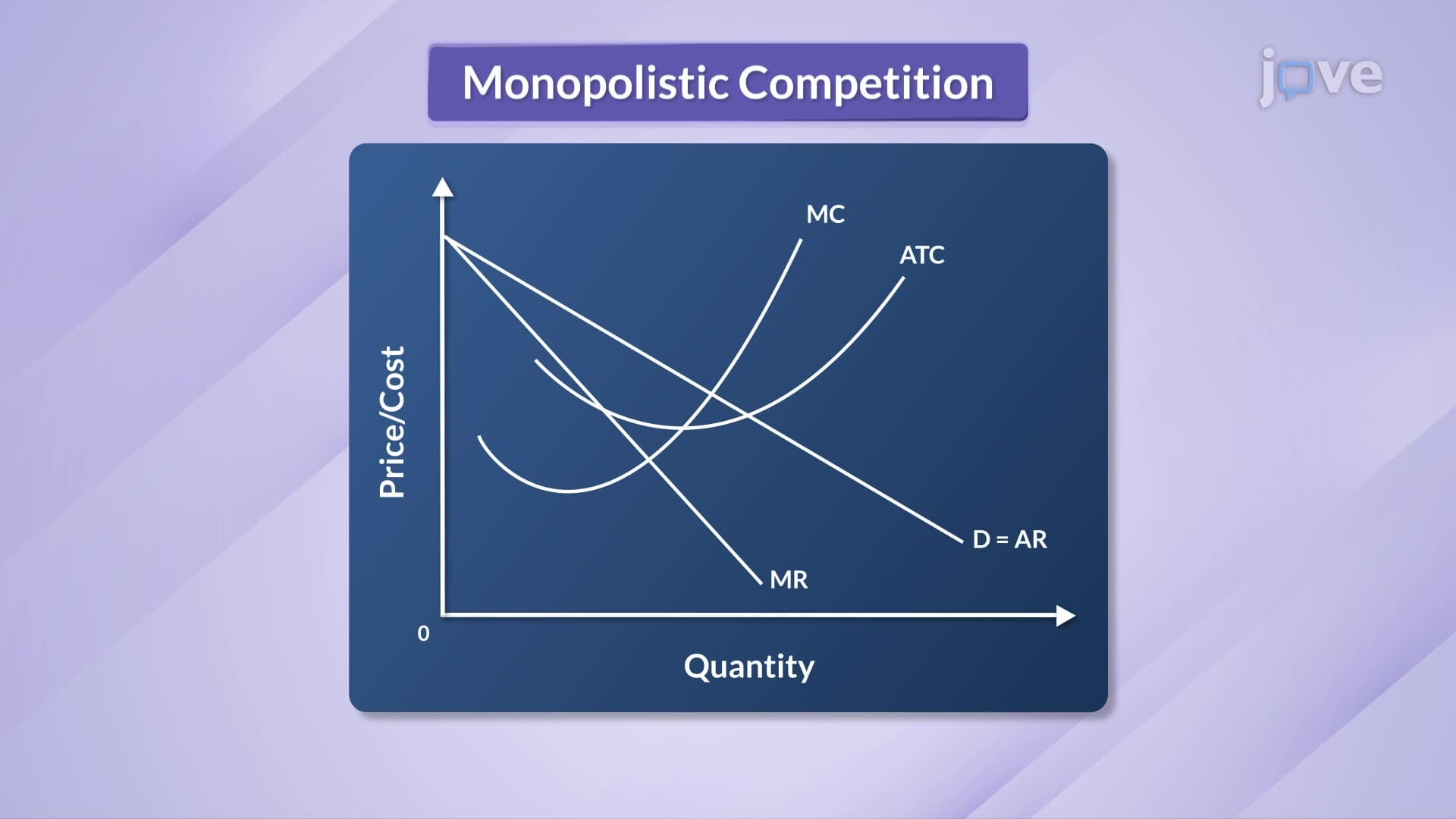
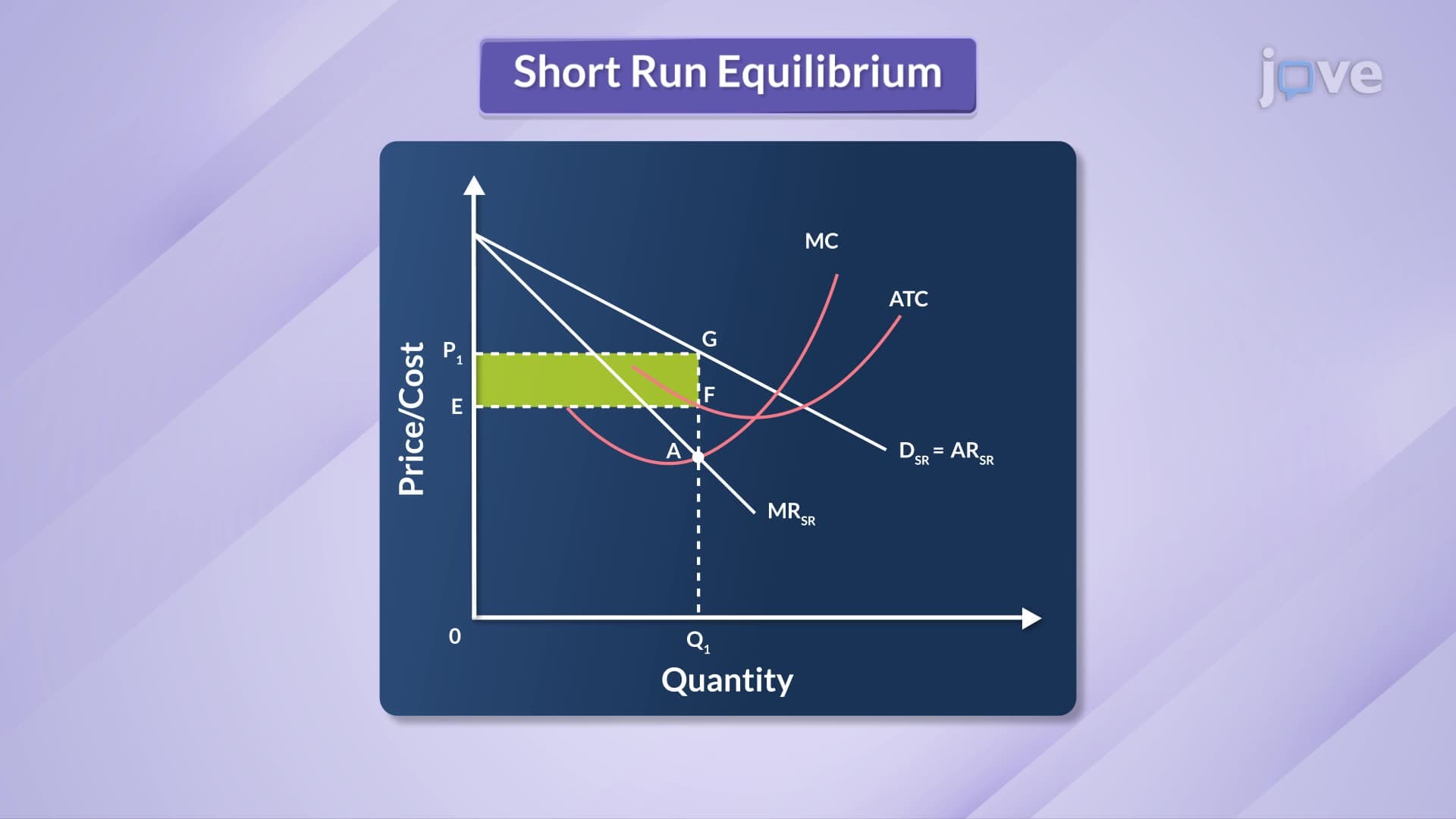
Advertising in monopolistic competition serves two primary economic functions that directly affect demand curves. First, it makes demand more inelastic, meaning loyal customers become less responsive to price increases. For example, Starbucks customers often pay $5 for coffee that costs $1 at gas stations because advertising has created strong brand association with quality and experience. Second, effective advertising shifts the entire demand curve rightward, increasing overall market demand for the product category.
This concept frequently appears on AP Economics exams, where students must graph demand curve shifts and calculate elasticity changes. College microeconomics courses emphasize how advertising costs factor into profit maximization decisions, requiring students to balance marketing expenditures against expected revenue increases.
The US smartphone market perfectly illustrates advertisement under monopolistic competition. Apple's iPhone and Samsung's Galaxy phones have similar technical capabilities, yet Apple commands premium pricing through advertising that emphasizes design, ecosystem integration, and brand prestige. Apple's "Think Different" campaign created such strong brand loyalty that many consumers automatically upgrade to new iPhone models regardless of price increases.
Similarly, the US fast-food industry demonstrates this concept through McDonald's versus Burger King competition. Both serve hamburgers and fries, but advertising creates distinct brand identities-McDonald's focuses on family-friendly experiences while Burger King emphasizes flame-grilled taste. These advertising strategies allow both companies to maintain market share and pricing power despite selling essentially similar products.
Companies must carefully analyze advertising return on investment in monopolistic competition. Successful campaigns like Nike's "Just Do It" generate decades of brand equity, but failed advertising represents pure cost without revenue benefits. Firms typically allocate 2-15% of revenue to advertising, depending on industry competition levels and product lifecycle stages.
Students preparing for business school admissions tests like the GMAT encounter these concepts in quantitative reasoning sections, where they must calculate optimal advertising spending levels and predict market share changes based on competitor advertising responses.
Related Micro-courses