Loading video…


 11 Concepts
 6.5K views

Video Summary: What Is Price Discrimination Under Monopoly
Ever wondered why movie tickets cost less for students or why airlines charge wildly different prices for the same seat? Price discrimination under monopoly allows companies to maximize profits by charging different customers varying prices for identical goods or services. Netflix exemplifies this strategy by offering different subscription tiers at various price points to capture consumer surplus across market segments. This pricing strategy involves three distinct degrees, each targeting different aspects of consumer behavior and market segmentation. Watch the full video on JoVE Coach to master this concept with expert-led visuals and step-by-step explanations.
Price discrimination under monopoly represents a sophisticated pricing strategy where firms with market power charge different prices to different customers for essentially the same product or service. This practice goes beyond simple cost differences-it's about strategically extracting maximum value from diverse consumer segments with varying willingness to pay.
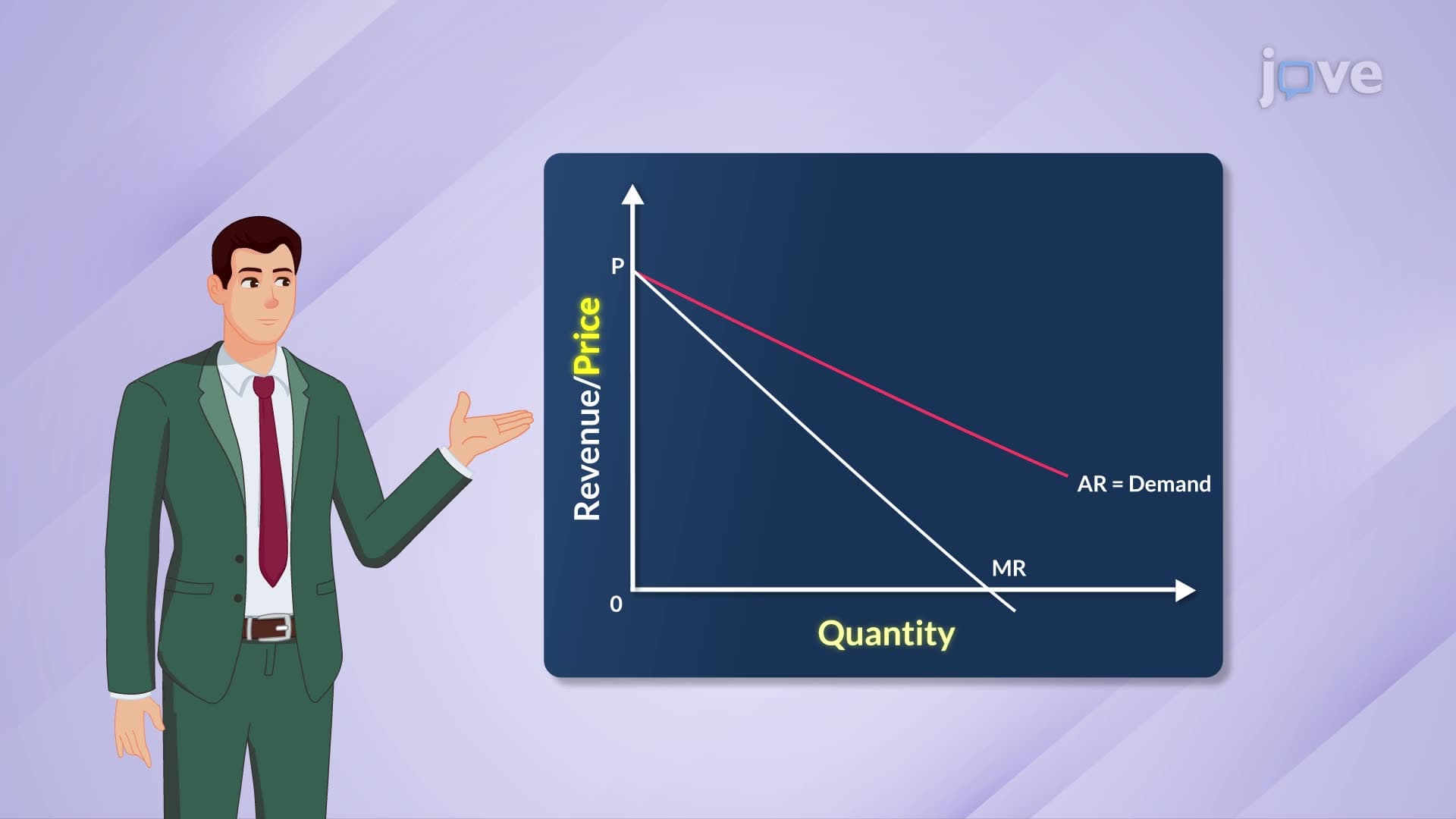
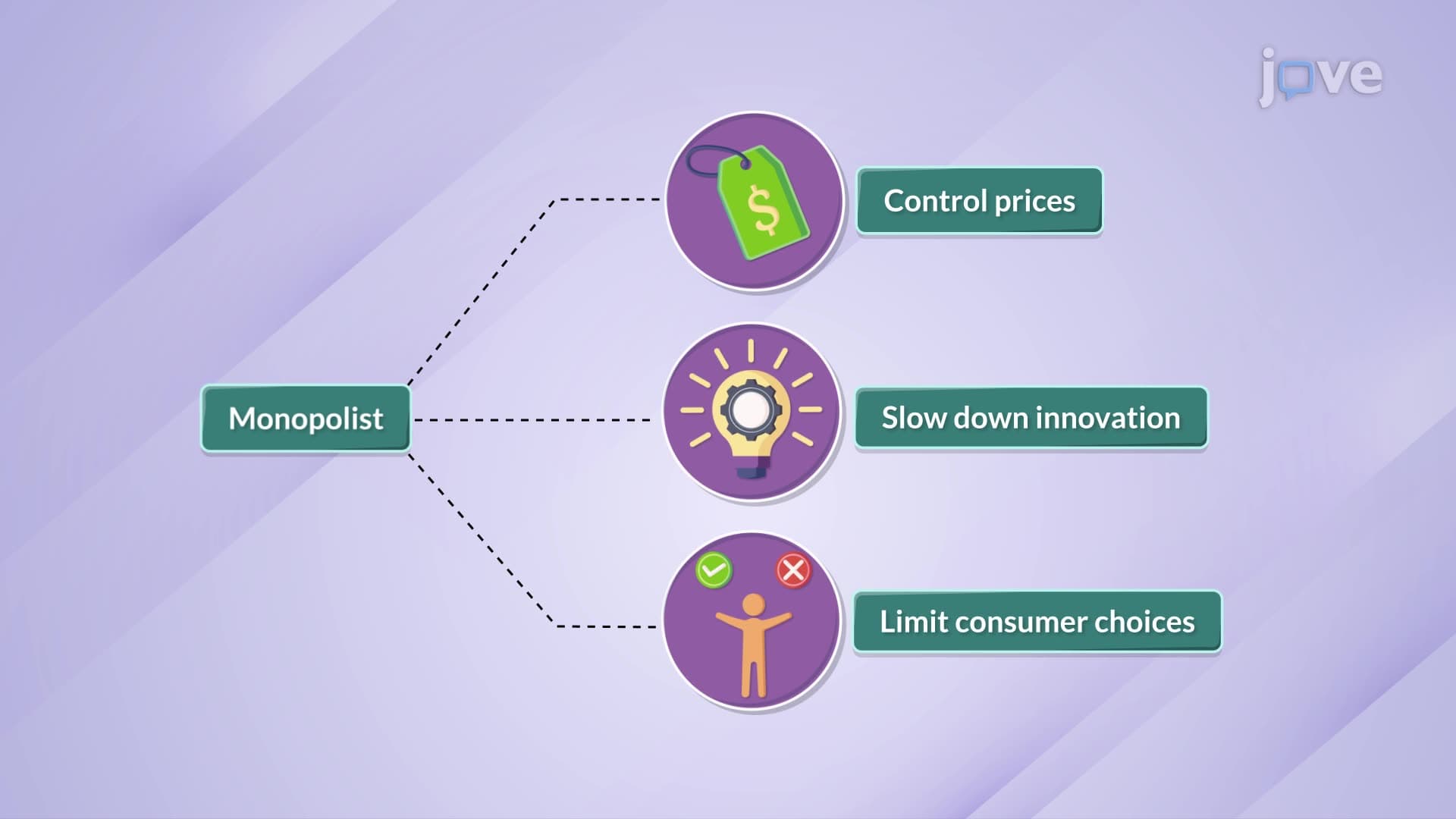
Monopolists employ this strategy because they possess sufficient market power to influence prices without losing all customers to competitors. Unlike perfectly competitive markets where firms are price-takers, monopolies can segment their customer base and implement differential pricing schemes that maximize total revenue and profit.
First-degree price discrimination, also known as perfect price discrimination, occurs when monopolists charge each individual consumer their exact maximum willingness to pay. While theoretically ideal for profit maximization, this form is rare in practice due to information constraints.
However, US auction houses like Sotheby's and Christie's approximate this model. When bidding on artwork or collectibles, each participant reveals their maximum valuation through their bidding behavior, allowing auctioneers to capture nearly all consumer surplus. Similarly, personalized pricing algorithms used by some e-commerce platforms attempt to achieve first-degree discrimination through data analytics and dynamic pricing.
Second-degree price discrimination involves charging different per-unit prices based on the quantity purchased, typically through bulk discounts or tiered pricing structures. This strategy exploits the fact that different consumers have varying demand levels and price sensitivities.
Major US telecommunications companies like Verizon and AT&T exemplify this approach through their data plan structures. Light users might pay $35 for 2GB of data, while heavy users pay $70 for unlimited data-the per-gigabyte cost decreases with higher consumption levels. Warehouse retailers like Costco also employ this strategy, offering lower per-unit prices for bulk purchases.
Third-degree price discrimination involves dividing the market into distinct segments based on observable characteristics like age, location, profession, or income level. Each segment faces different prices based on their collective price elasticity of demand.
The US entertainment industry provides numerous examples. AMC Theatres offers student discounts, recognizing that students typically have lower disposable income and higher price sensitivity. Airlines like Delta and American Airlines segment markets geographically and temporally, charging different prices for identical flights based on departure location, booking timing, and customer loyalty status.
This concept frequently appears on AP Economics exams, where students must analyze monopolist profit maximization strategies and calculate optimal pricing for different market segments. Understanding these principles proves essential for college-level microeconomics courses and business strategy applications.
Related Micro-courses