Loading video…


 22 Concepts
 4.3K views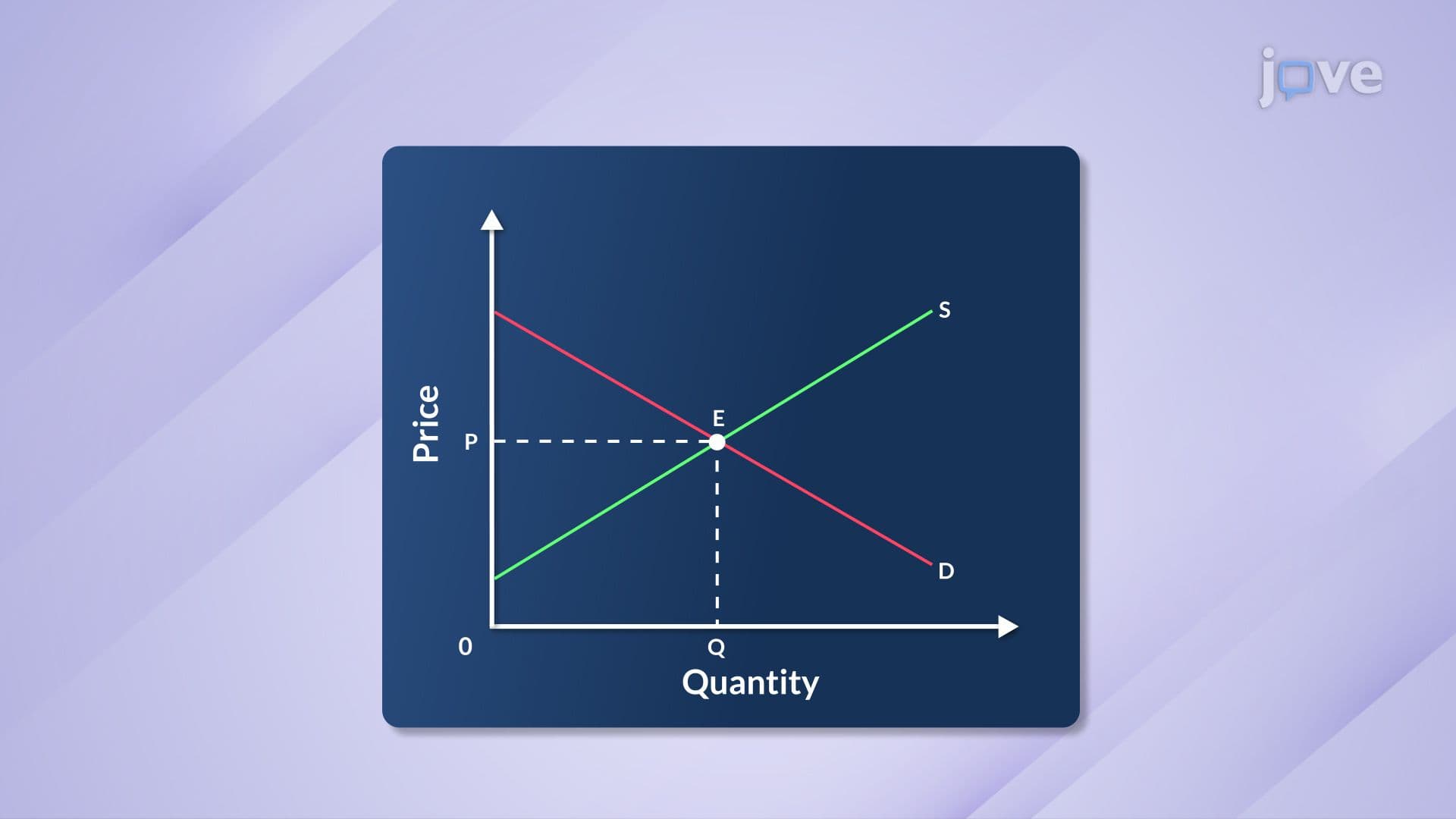

Video Summary: What Is Partial Equilibrium Analysis
Ever wonder why gas prices spike after a hurricane but your coffee remains the same price? Partial equilibrium analysis helps economists isolate and study price changes in individual markets like gasoline without getting overwhelmed by complex market interactions. This analytical approach, pioneered by Alfred Marshall, assumes other markets stay constant while examining one specific market's supply and demand dynamics. For instance, when analyzing how a federal gas tax affects fuel prices, partial equilibrium analysis focuses solely on the gasoline market's response. Watch the full video on JoVE Coach to master this concept with expert-led visuals and step-by-step explanations.
Partial equilibrium analysis represents one of the most fundamental tools in microeconomic theory, allowing economists to study individual markets in isolation. This approach deliberately simplifies complex economic systems by focusing on a single market while assuming all other economic variables remain unchanged. The methodology proves particularly valuable for students preparing for AP Economics exams and college-level microeconomics courses, where understanding market-specific dynamics is essential.
The theoretical foundation rests on Alfred Marshall's pioneering work in "Principles of Economics" (1890), which established the mathematical and graphical frameworks still used today. Marshall's approach recognizes that while real economies involve countless interconnected markets, analyzing one market at a time provides crucial insights into price determination and resource allocation mechanisms.
Consider the US housing market during the 2008 financial crisis. Partial equilibrium analysis allowed economists to examine how subprime mortgage defaults directly affected housing prices and quantities sold, without initially considering complex spillover effects to labor markets or international trade. This focused approach helped policymakers understand the immediate housing market dynamics before addressing broader economic implications.
Similarly, when Amazon raises its Prime membership fees, partial equilibrium analysis examines how this price change affects Prime subscription demand specifically. The analysis assumes other factors-like Netflix pricing or general consumer income-remain constant, enabling clear cause-and-effect identification within the subscription service market.
Partial equilibrium analysis excels in situations where market interdependencies are relatively weak. For college students studying microeconomics, this approach provides clear, manageable frameworks for understanding supply and demand interactions. The methodology particularly benefits exam preparation, as standardized tests like the AP Economics exam frequently present isolated market scenarios requiring partial equilibrium reasoning.
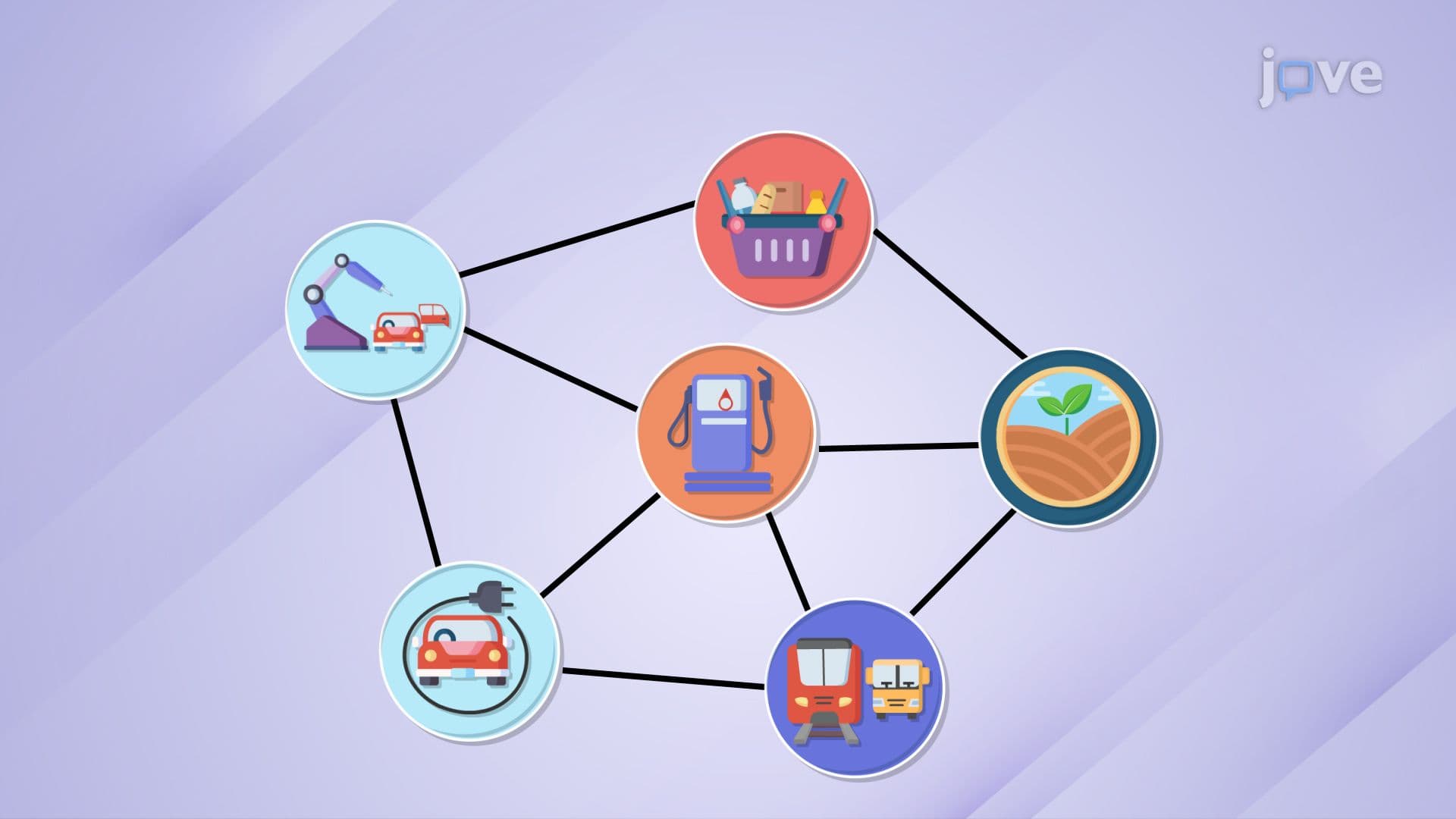
However, the approach's limitations become apparent in highly interconnected markets. When analyzing energy markets, for example, gasoline price changes significantly impact automobile demand, public transportation usage, and even residential location decisions. These spillover effects can invalidate partial equilibrium assumptions, potentially leading to incomplete or misleading policy recommendations.
In academic settings, partial equilibrium analysis serves as a stepping stone toward more complex economic modeling. Students typically encounter this concept in introductory microeconomics courses before progressing to general equilibrium theory and advanced econometrics. The approach's mathematical simplicity makes it accessible to high school students while providing sufficient depth for undergraduate-level analysis.
Professional economists frequently employ partial equilibrium models for sector-specific policy analysis. The Congressional Budget Office, for instance, uses partial equilibrium frameworks when evaluating proposed tax changes on specific industries, providing legislators with focused impact assessments that inform policy decisions.
Related Micro-courses