Loading subject page…


4,004 views

Video Summary: What are Externalities
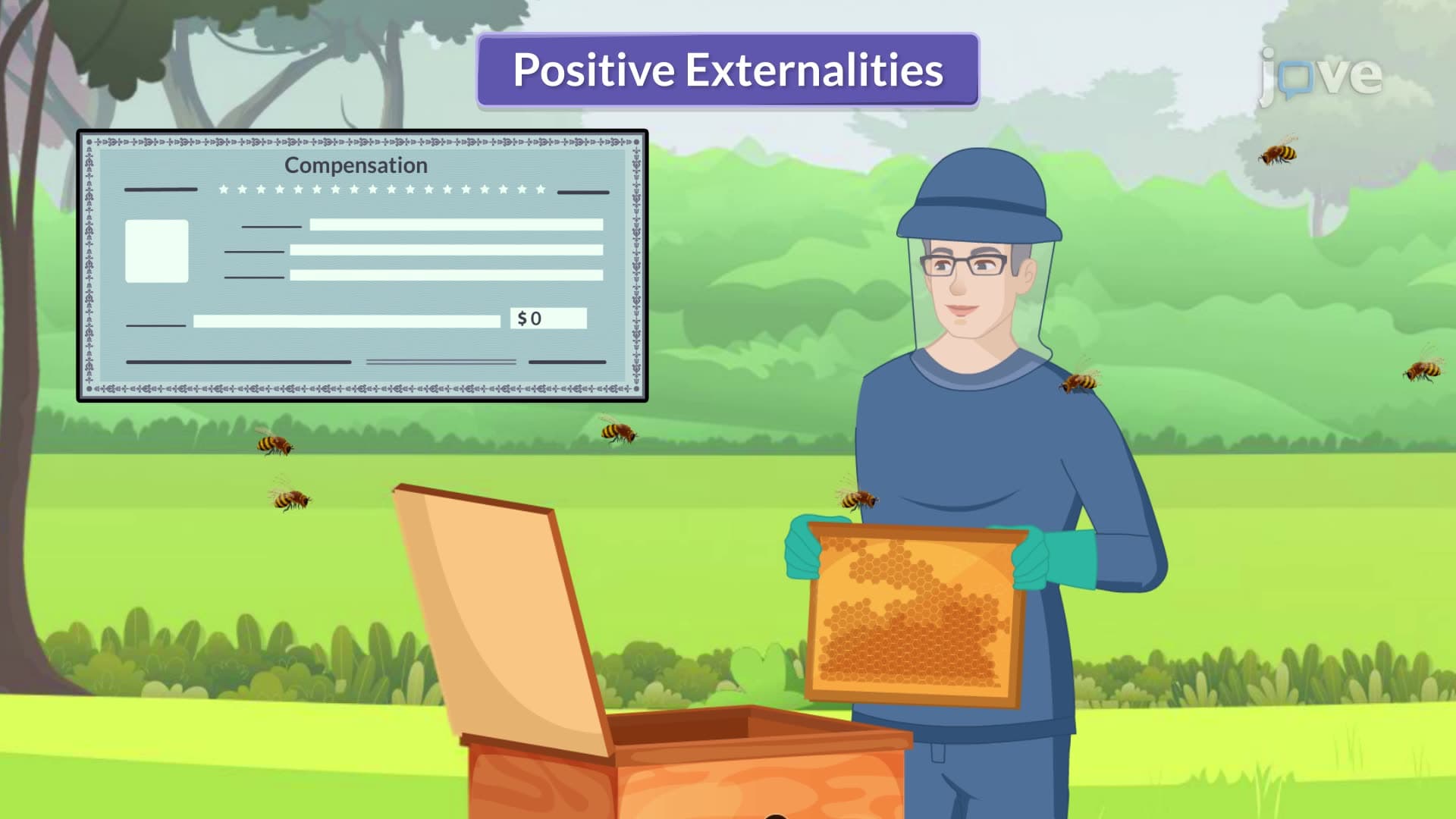
Ever wonder why your neighbor's beautiful garden makes your property more valuable, or why a nearby factory's smoke affects your health costs? Externalities are the hidden economic ripple effects that touch third parties who never signed up for the consequences. When beekeepers in California's Central Valley boost nearby almond farmers' yields through natural pollination-without getting paid for it-that's a positive externality in action. These unintended economic spillovers shape everything from housing prices to healthcare costs across America. Watch the full video on JoVE Coach to master this concept with expert-led visuals and step-by-step explanations.
Externalities represent one of microeconomics' most practically relevant concepts, describing situations where economic activities create uncompensated impacts on uninvolved third parties. Unlike typical market transactions where buyers and sellers negotiate mutually beneficial exchanges, externalities occur when the full costs or benefits of an activity spill over to affect others who have no voice in the original decision.
This concept proves essential for AP Economics students and college microeconomics courses because it explains why free markets sometimes fail to achieve optimal outcomes. When externalities exist, market prices don't reflect the true social costs or benefits of production and consumption decisions.
Positive externalities create benefits for third parties without compensation. Beyond the classic beekeeping example, consider how homeowners investing in solar panels reduce strain on the electrical grid, benefiting all utility customers through more stable energy prices. Similarly, when parents invest in their children's education, society gains from having a more skilled workforce, higher tax revenues, and reduced crime rates-benefits that extend far beyond the individual family's investment.
Research and development spending by tech companies like Apple or Google creates knowledge spillovers that benefit entire industries. When these firms develop new technologies, competitors and suppliers often incorporate similar innovations, accelerating overall technological progress without compensating the original innovators for these broader benefits.
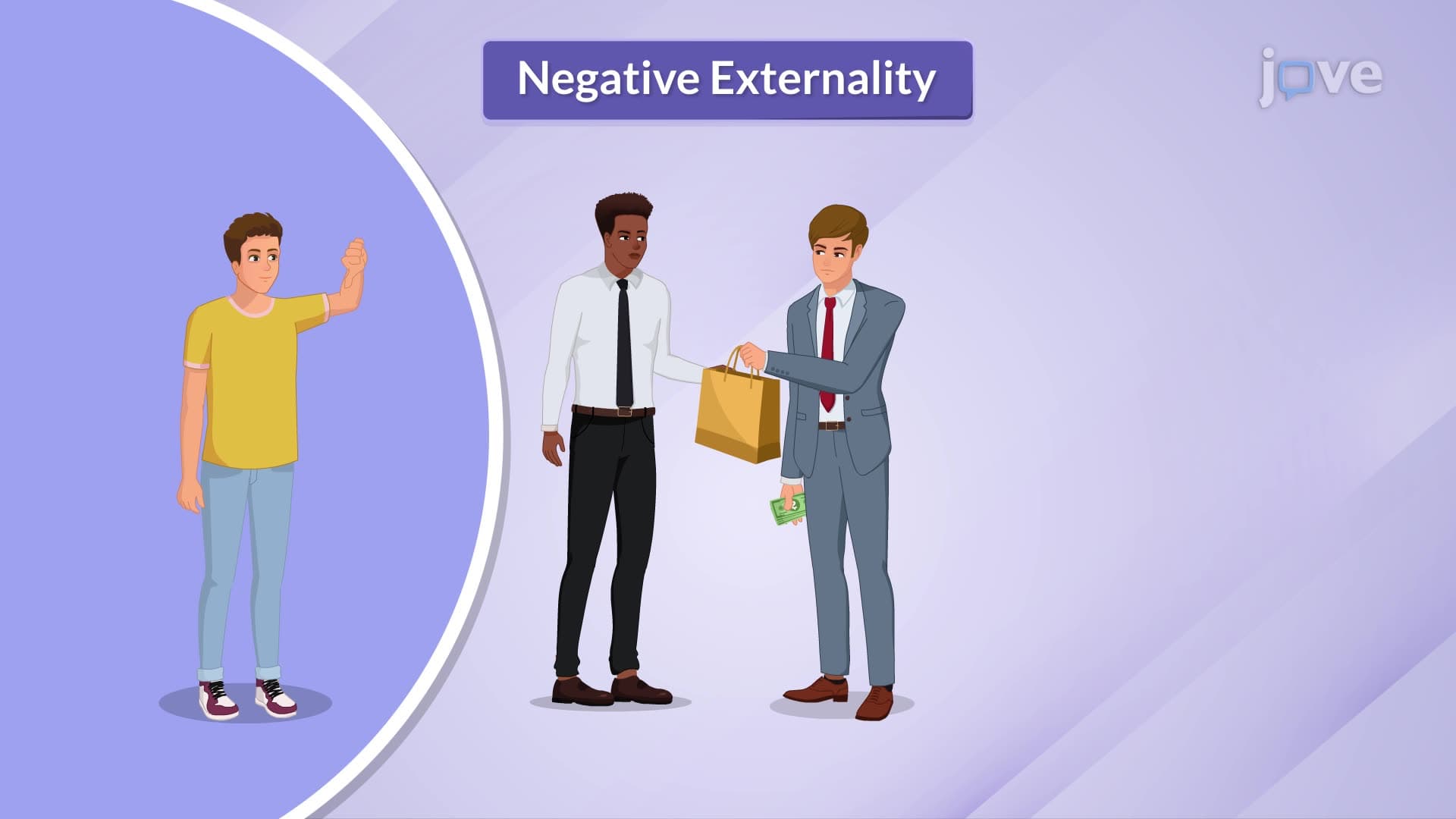
Negative externalities impose unwanted costs on third parties. Factory pollution represents the textbook example, but modern examples include noise pollution from airports affecting nearby property values, or social media platforms creating addiction-related mental health costs borne by users and healthcare systems.
Traffic congestion illustrates how individual decisions create collective problems. When drivers choose to commute during rush hour, each additional vehicle slows down everyone else's journey, creating time costs that individual drivers don't consider when making their travel decisions.
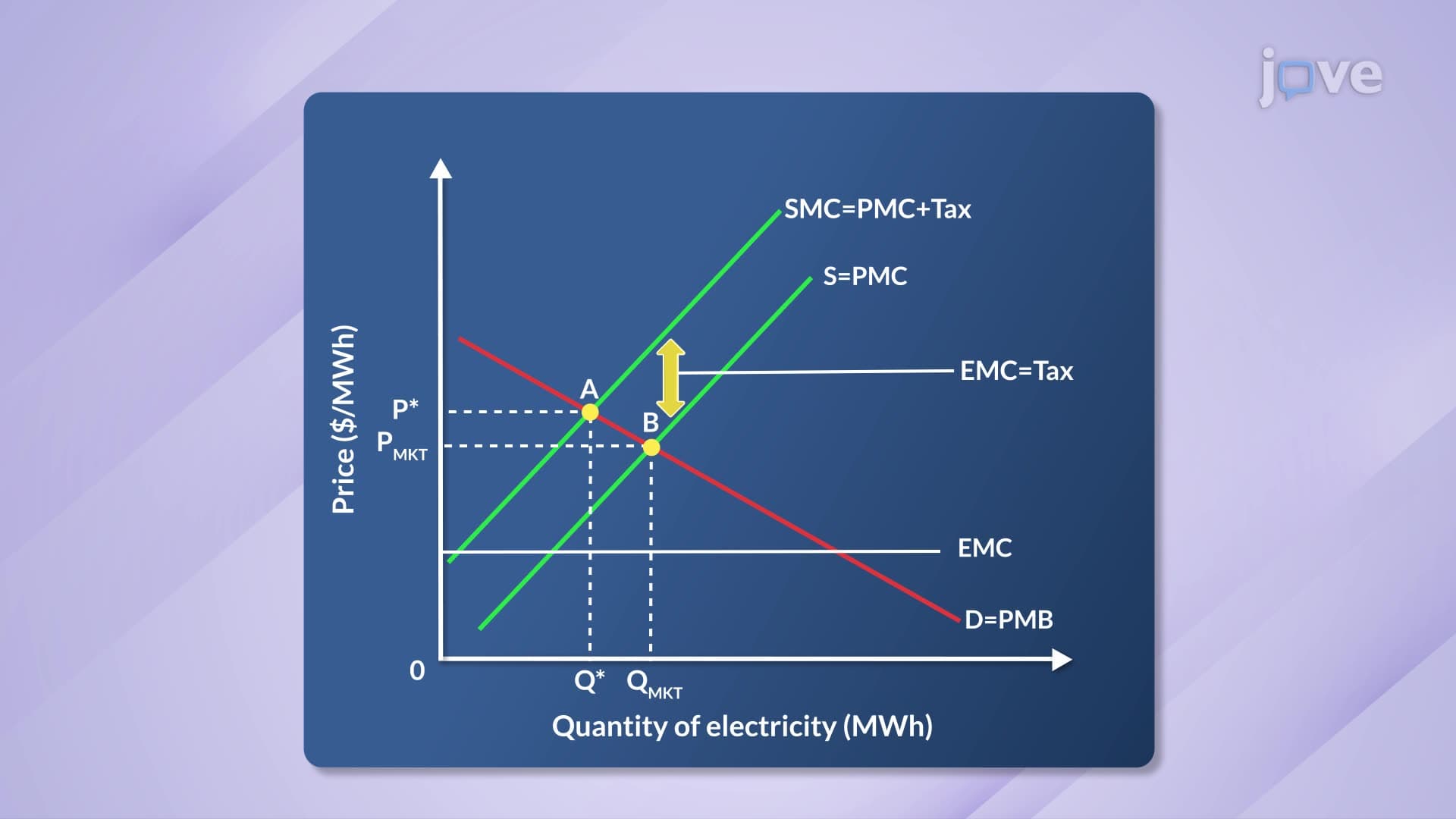
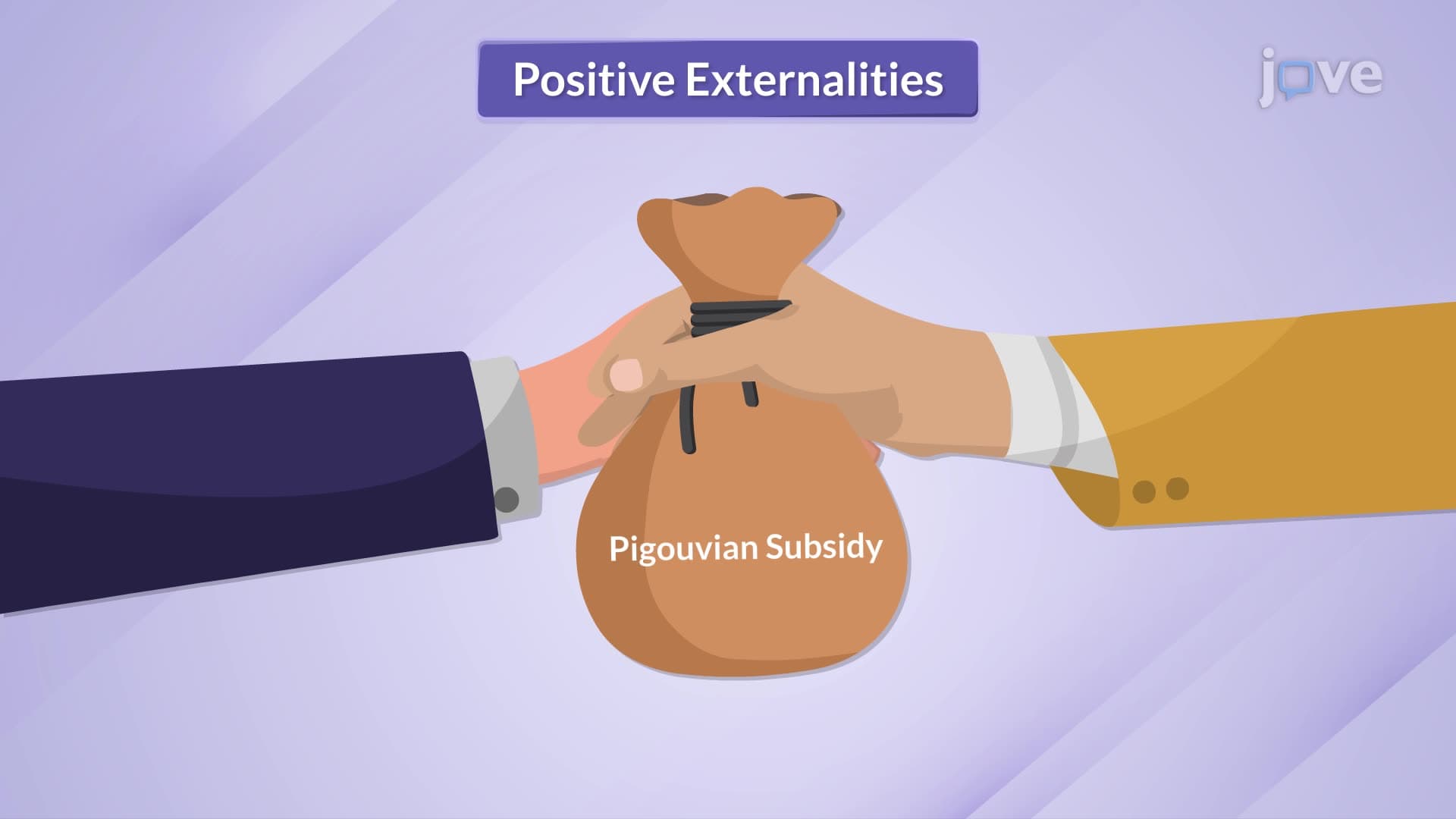
Understanding externalities helps explain numerous government interventions in markets. Carbon taxes attempt to make polluters pay for environmental damage, while education subsidies recognize the social benefits of an educated population. These concepts frequently appear on standardized tests, particularly AP Microeconomics exams and college economics midterms, often through questions asking students to identify externalities and propose policy solutions.
For students preparing for economics exams, mastering externalities provides the foundation for understanding market failures, government regulation, and environmental economics-topics that connect to current policy debates about climate change, healthcare reform, and urban planning.
Related Micro-courses