Loading video…


 21 Concepts
 4K views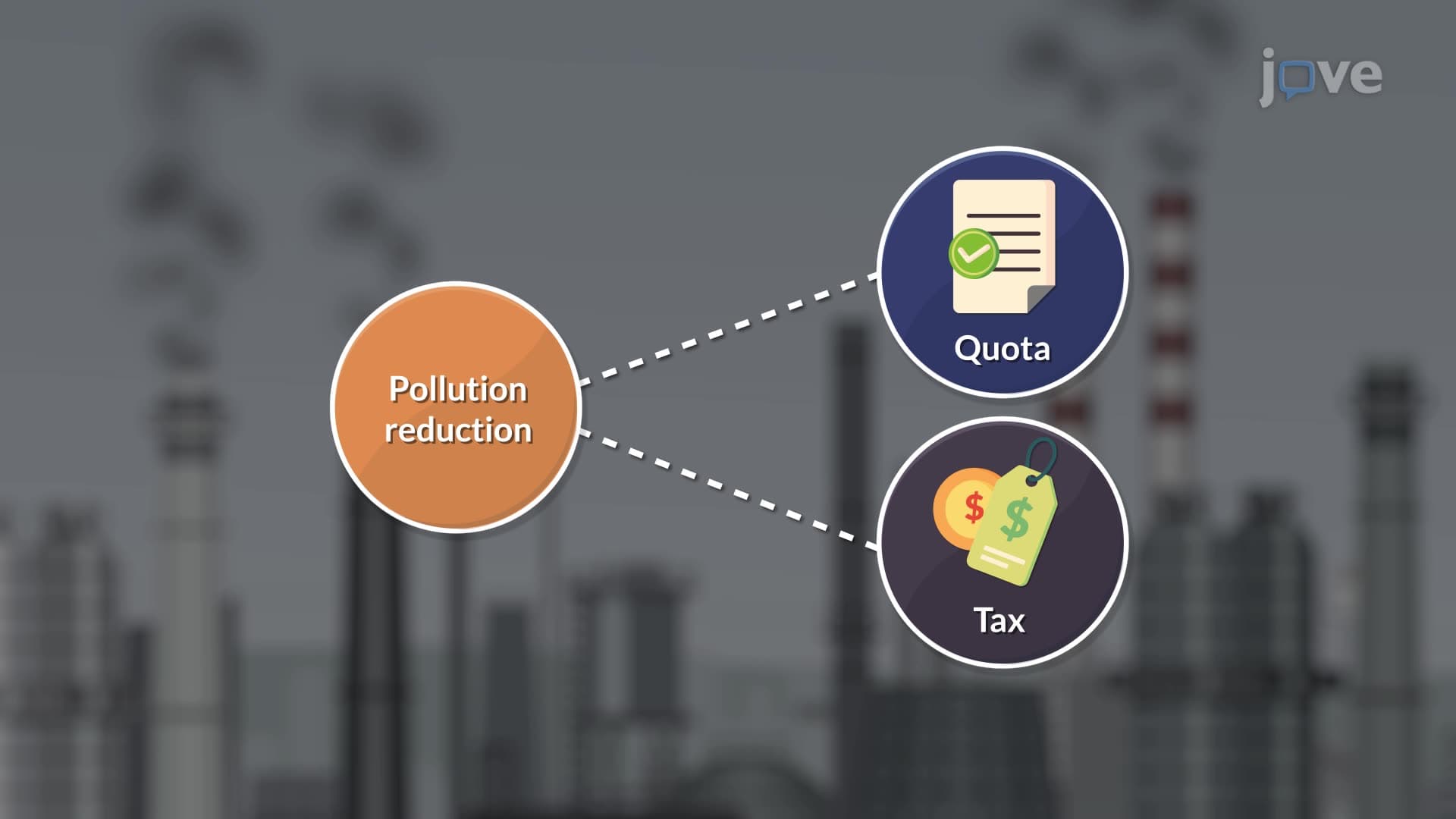

Video Summary: Price Vs Quantity Based Interventions Explained
Did you know that the U.S. Environmental Protection Agency uses both emission caps and carbon taxes to fight pollution, but with dramatically different results? Price vs quantity based interventions represent two fundamentally different approaches to controlling environmental damage and market behavior. While emission quotas set strict pollution limits for industries like steel manufacturing, pollution taxes create financial incentives for companies to reduce their environmental impact. The EPA's Clean Air Act demonstrates how quantity-based controls can achieve immediate results, whereas carbon pricing systems allow businesses flexibility in meeting environmental goals. Watch the full video on JoVE Coach to master this concept with expert-led visuals and step-by-step explanations.
Price vs quantity based interventions represent two fundamental approaches governments use to address market failures, particularly environmental externalities. These policy tools differ dramatically in their mechanisms, flexibility, and outcomes, making the choice between them crucial for effective governance.
Quantity-based interventions establish specific limits or quotas that market participants must meet. The U.S. Clean Air Act's sulfur dioxide cap-and-trade program exemplifies this approach, setting absolute emission limits for power plants. Companies must comply regardless of cost, ensuring predictable environmental outcomes. This certainty makes quantity-based tools particularly valuable when addressing critical thresholds-like preventing acid rain or protecting endangered species habitats.
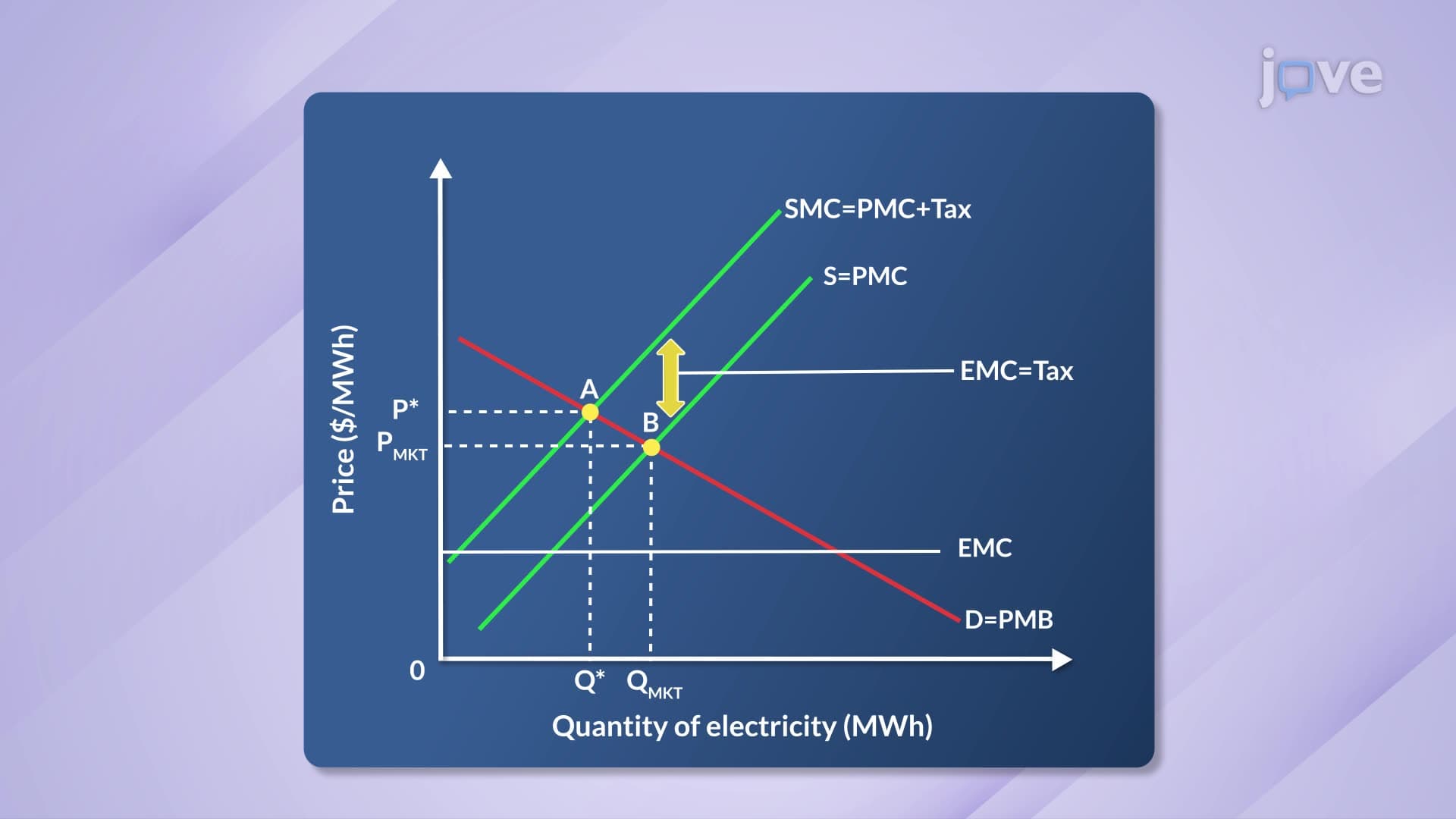
Price-based interventions, conversely, use financial incentives to influence behavior. Carbon taxes, like those implemented in California and Washington state, charge companies for each ton of greenhouse gas emissions. This approach harnesses market forces, allowing businesses to choose the most cost-effective compliance methods. Companies might invest in cleaner technology, purchase renewable energy, or optimize operations-whatever delivers the best return on environmental investment.
The flexibility inherent in price-based systems often drives innovation. When faced with ongoing costs for pollution, companies have continuous incentives to develop cleaner technologies. The U.S. gasoline tax, for instance, has influenced decades of automotive innovation toward fuel efficiency.
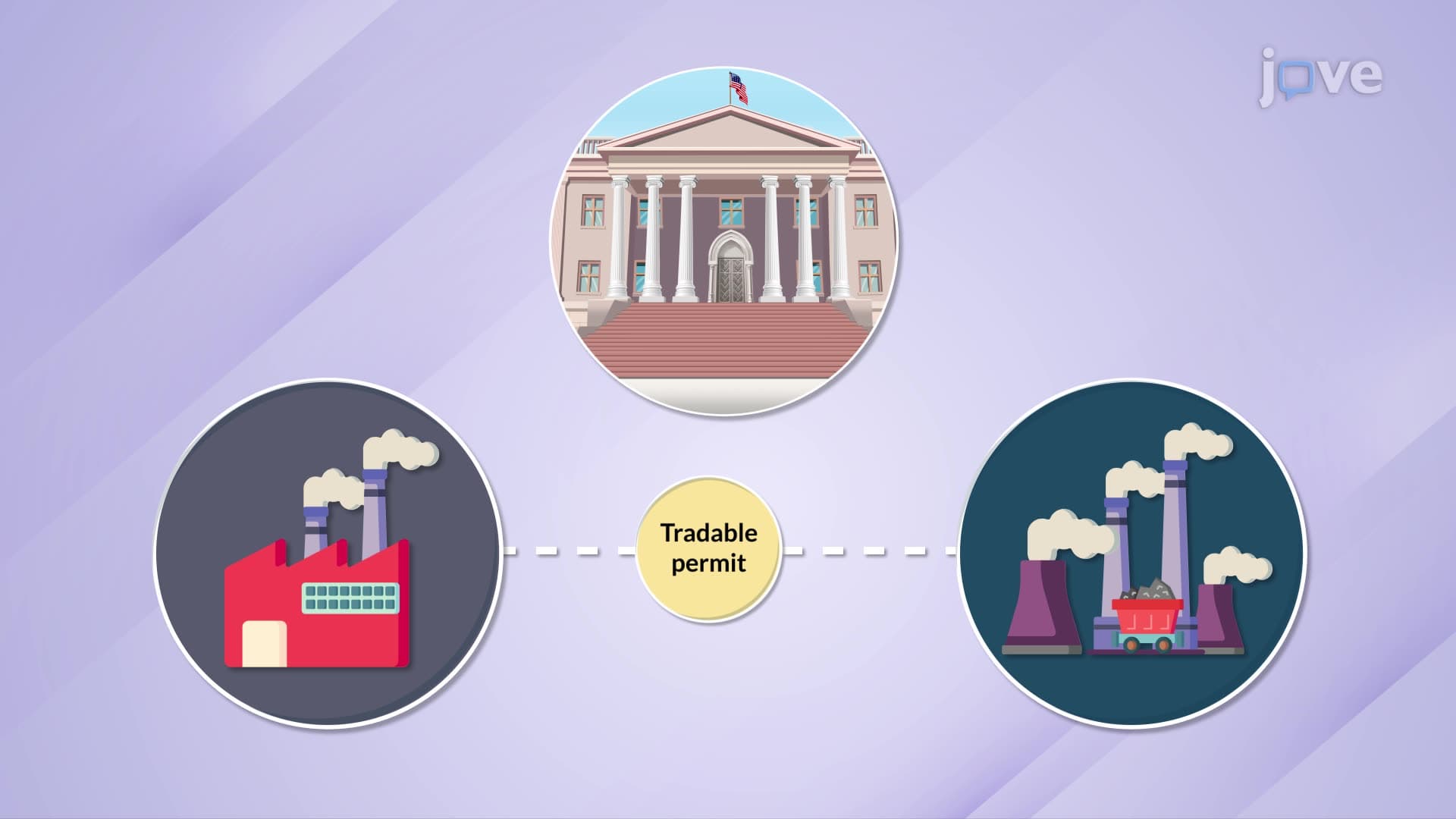
Consider the northeast Regional Greenhouse Gas Initiative (RGGI), which combines both approaches. States set emission caps (quantity control) but allow trading of allowances (price mechanism). This hybrid demonstrates how price quantity based interventions can work together.
However, each approach presents distinct challenges. Quotas can create economic rigidity-if steel production must meet strict emission limits, companies might reduce output rather than invest in expensive clean technology, potentially causing supply shortages and price spikes. Meanwhile, if carbon taxes are set too low, companies might simply pay the fee rather than reduce emissions, undermining environmental goals.
For AP Environmental Science and college economics courses, understanding these interventions is crucial. Test questions often present scenarios requiring students to predict policy outcomes or recommend appropriate tools. The 2023 AP Environmental Science exam featured questions about cap-and-trade systems, while college microeconomics courses frequently analyze the efficiency implications of different regulatory approaches. Students should practice identifying when strict limits are preferable to market-based incentives and vice versa.
Related Micro-courses