Loading video…


 21 Concepts
 4K views

Video Summary: What are Positive Externalities
Did you know that when your neighbor gets vaccinated against the flu, you benefit even without getting the shot yourself? Positive externalities occur when third parties gain advantages from economic transactions they're not directly involved in. The COVID-19 vaccination campaigns across the United States demonstrated this perfectly-each person vaccinated helped protect their entire community through reduced transmission rates. However, markets typically underproduce goods with positive externalities because they don't account for these broader social benefits. Watch the full video on JoVE Coach to master this concept with expert-led visuals and step-by-step explanations.
Positive externalities represent one of the most important market failure concepts in economics. When individuals or businesses make economic decisions, they typically consider only their private costs and benefits. However, many economic activities create additional benefits that spill over to third parties who aren't directly involved in the transaction. These spillover benefits are positive externalities, and they play a crucial role in explaining why markets sometimes fail to produce optimal outcomes for society.
The key insight is that decision-makers don't account for these external benefits when making choices, leading to underproduction of socially beneficial goods and services. This concept appears frequently on AP Economics exams and college microeconomics courses, where students must demonstrate understanding of market failures and potential government solutions.
The economic analysis of positive externalities centers on the distinction between private and social benefits. Private marginal benefit reflects only the direct benefit received by the consumer purchasing the good or service. However, social marginal benefit includes both the private benefit and the external benefit received by third parties.
In a typical market graph, the demand curve represents private marginal benefit, while the supply curve shows private marginal cost. Market equilibrium occurs where these curves intersect, determining the quantity and price. But when positive externalities exist, this market outcome is suboptimal because it ignores external benefits. The social demand curve lies above the private demand curve by the amount of the external benefit, indicating that society values the good more highly than individual consumers do.
Education provides an excellent example of positive externalities in practice. When students attend school or university, they gain private benefits like higher earning potential and personal development. However, society also benefits through a more skilled workforce, reduced crime rates, greater civic participation, and technological innovation. Studies by the Bureau of Labor Statistics show that each additional year of education increases not only individual wages but also community economic growth.
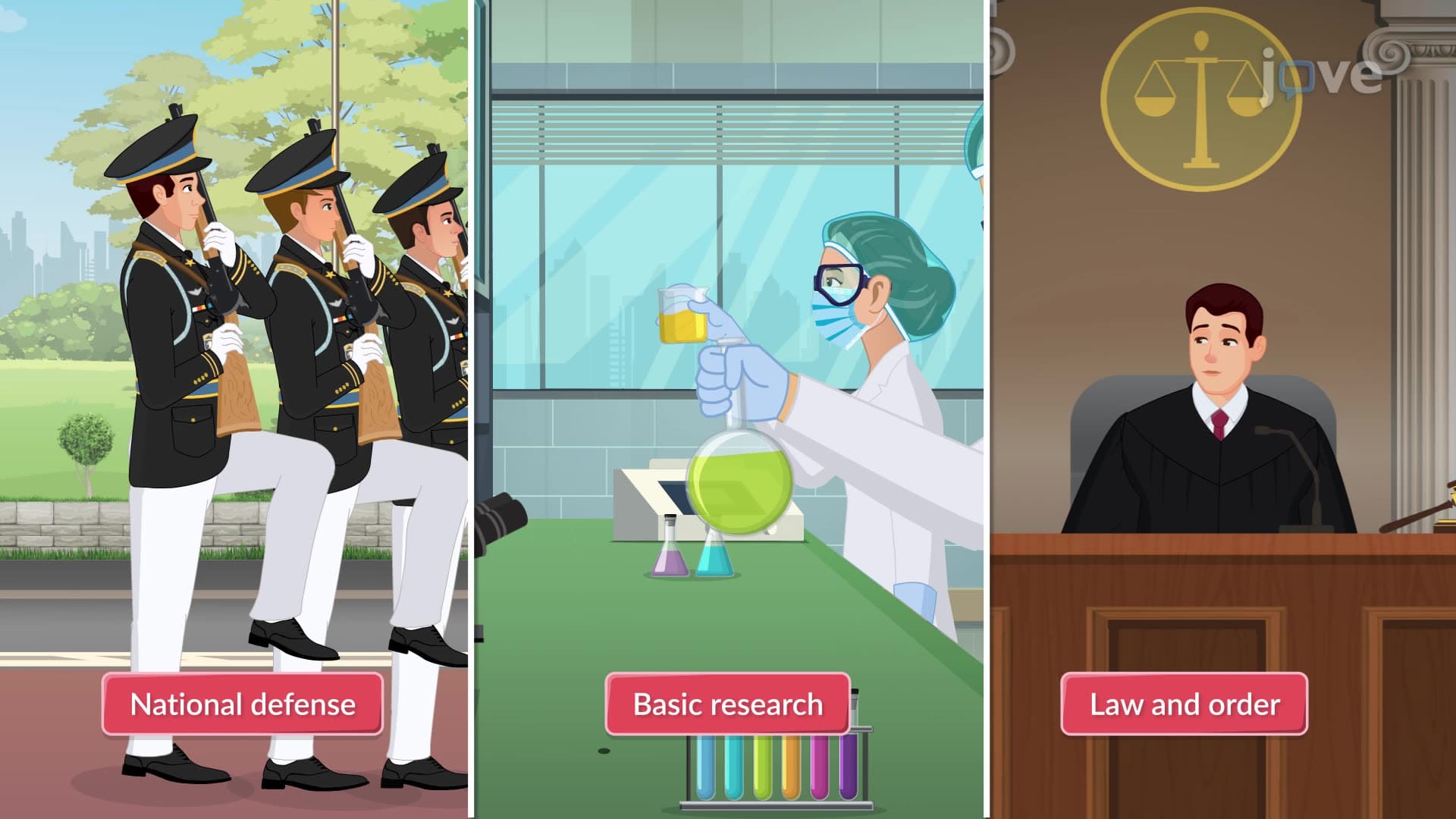
Healthcare vaccination programs demonstrate another clear case. The CDC's childhood vaccination schedule protects individual children while creating herd immunity that protects entire communities, including those who cannot be vaccinated due to medical conditions. Similarly, basic research conducted by universities and companies generates patents and knowledge that benefit society far beyond the immediate returns to the researchers.
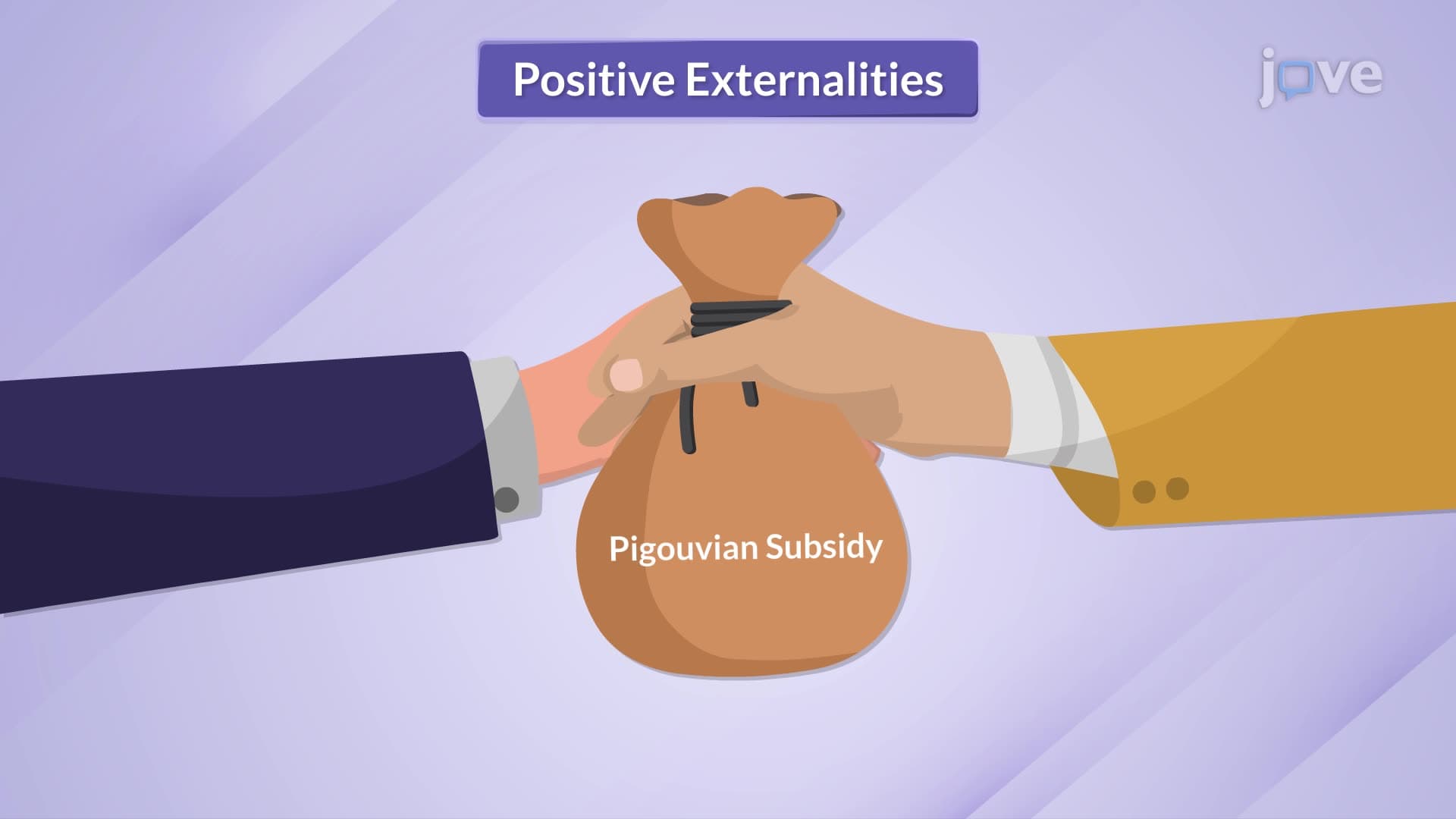
Governments can address positive externality market failures through various interventions. Subsidies represent the most direct approach, reducing the price consumers pay and increasing the quantity produced toward the socially optimal level. The federal government's student loan programs and Pell Grants exemplify this approach in education, while research grants from the National Science Foundation support basic research with broad social benefits.
Tax incentives offer another tool, such as research and development tax credits that encourage innovation. Direct government provision also works in some cases, like public education systems and national defense. Understanding these solutions is essential for success on standardized tests like the AP Economics exam, where students must analyze policy options and their effects on market outcomes.
Related Micro-courses