Loading subject page…


10 Concepts
26 Concepts
24 Concepts
22 Concepts
16 Concepts
20 Concepts
17 Concepts
 26 Concepts
 1.4K Views
 Popular topics









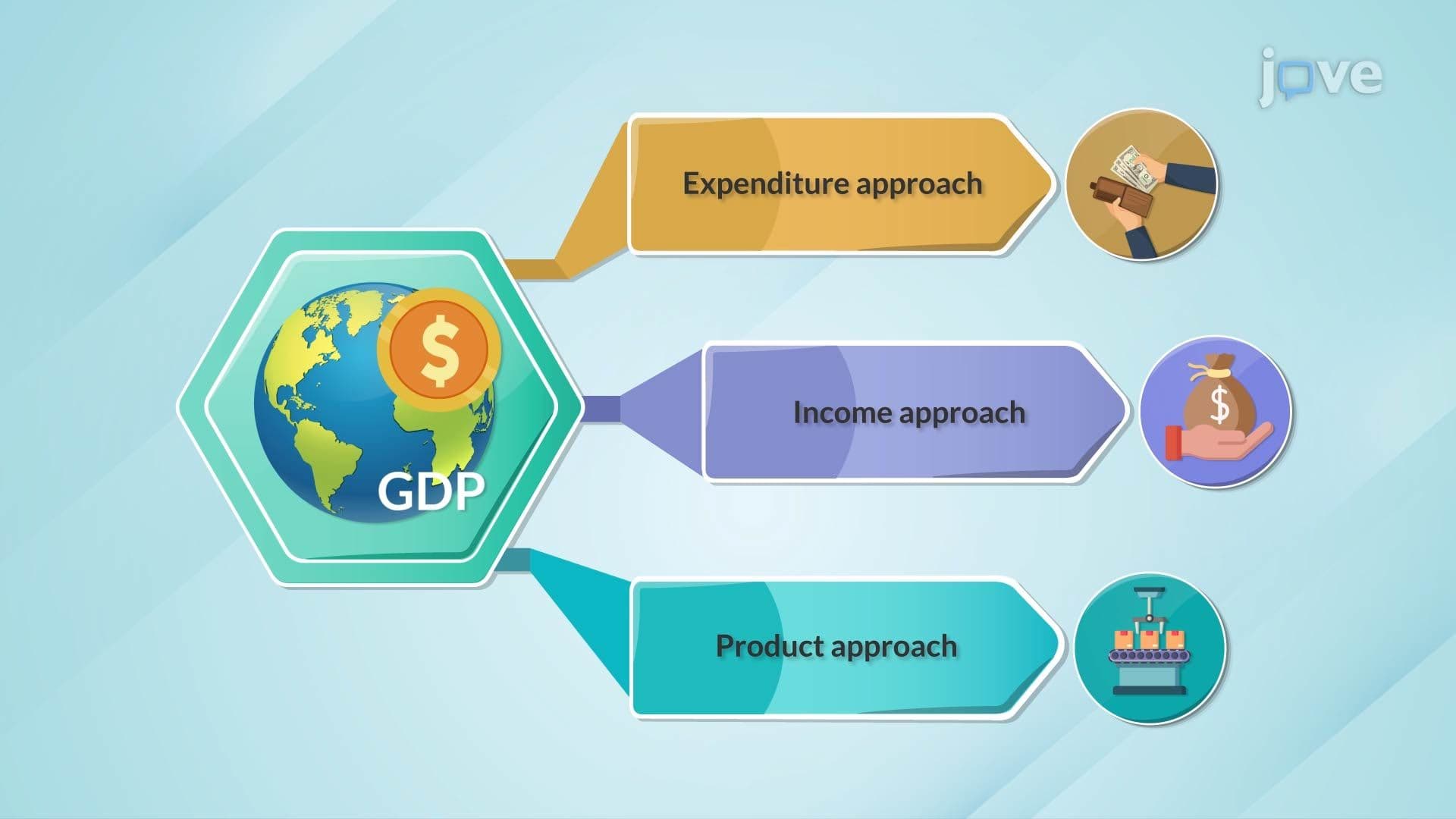









Measuring national output and national income is fundamental to understanding how economists track a country's economic performance through comprehensive accounting systems. This JoVE Coach micro-course explores GDP calculation methods and how national output and income are measured using circular flow models, three distinct approaches (expenditure, income, and product), and key adjustments that distinguish nominal from real economic growth in the United States economy.
1. Circular Flow Models and Market Interactions The circular flow diagram provides the foundation for understanding how money and goods move through an economy. Starting with the basic two-sector model featuring households and firms, the concept expands to include government (three-sector) and international trade (four-sector). In the US economy, households earn income by providing labor to companies like Amazon or Google, then spend that income on goods and services. The government collects taxes from both households and businesses while providing public goods like national defense and education. International trade adds complexity through exports of US agricultural products and imports of foreign-manufactured goods, creating a complete picture of economic interdependence.
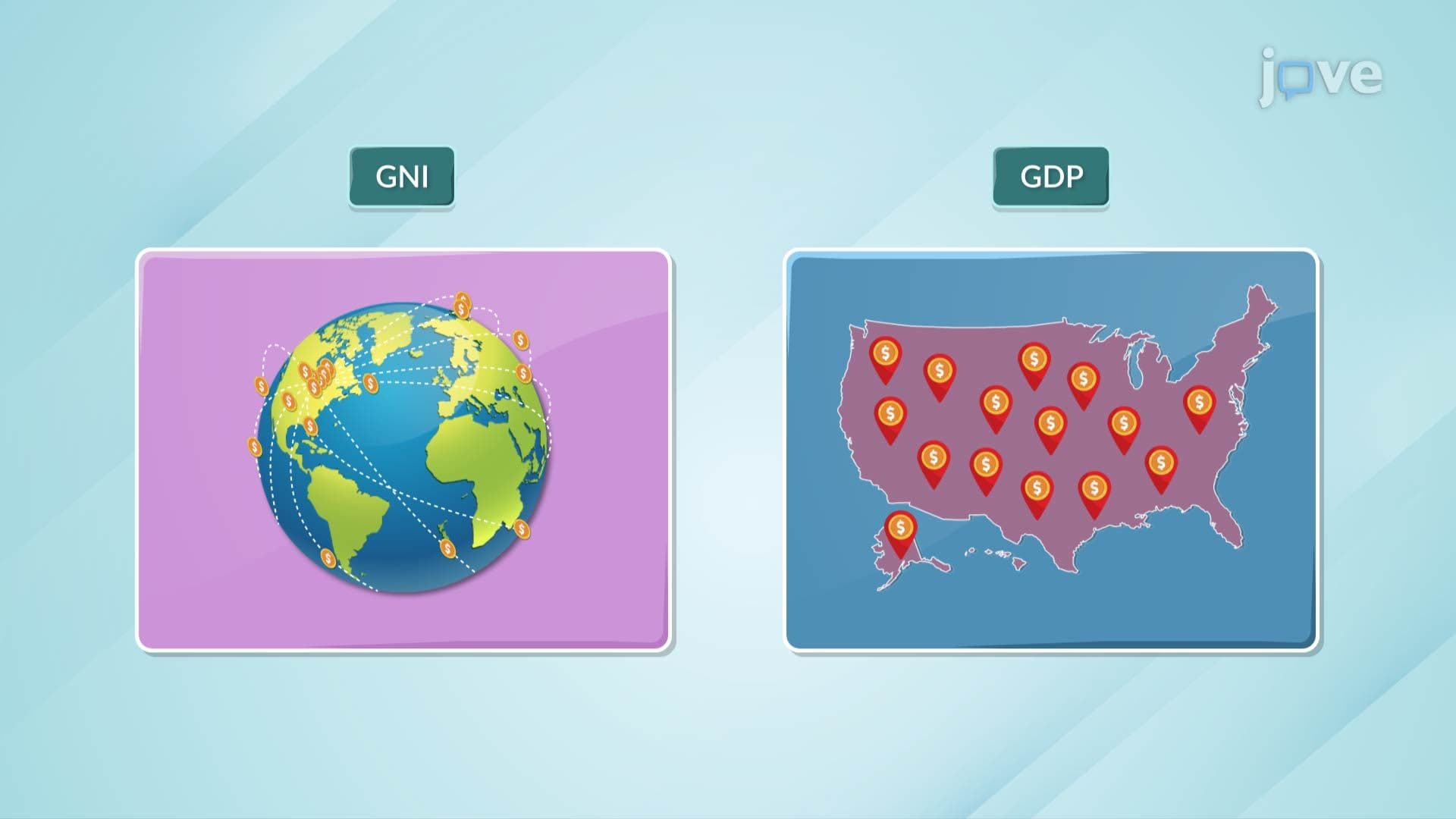
2. Fundamental GDP Definition and Scope Gross Domestic Product represents the total market value of all final goods and services produced within the United States during a specific time period. This definition contains several critical elements that determine what counts toward GDP. Market value means only transactions with monetary exchange are included-if a family bakes bread at home, it doesn't count, but purchasing bread from a bakery does. "Final" goods exclude intermediate products; when Ford buys steel to manufacture cars, only the final car sale counts toward GDP, not the steel purchase. Geographic boundaries matter too-production by US companies abroad doesn't count, but foreign companies producing within US borders do contribute to American GDP.
3. GDP Exclusions and Underground Economy Understanding what GDP excludes is crucial for recognizing its limitations as an economic measure. Non-market household production, such as parents caring for their own children or individuals maintaining their homes, creates real value but remains invisible in GDP calculations. Volunteer work, despite its significant contribution to American communities through organizations like the Red Cross or local food banks, also goes uncounted. The underground economy presents another major exclusion-cash transactions that aren't reported to tax authorities, from small-scale services to illegal activities, escape GDP measurement. Additionally, transfer payments like Social Security or unemployment insurance don't count because they represent redistribution rather than new production.
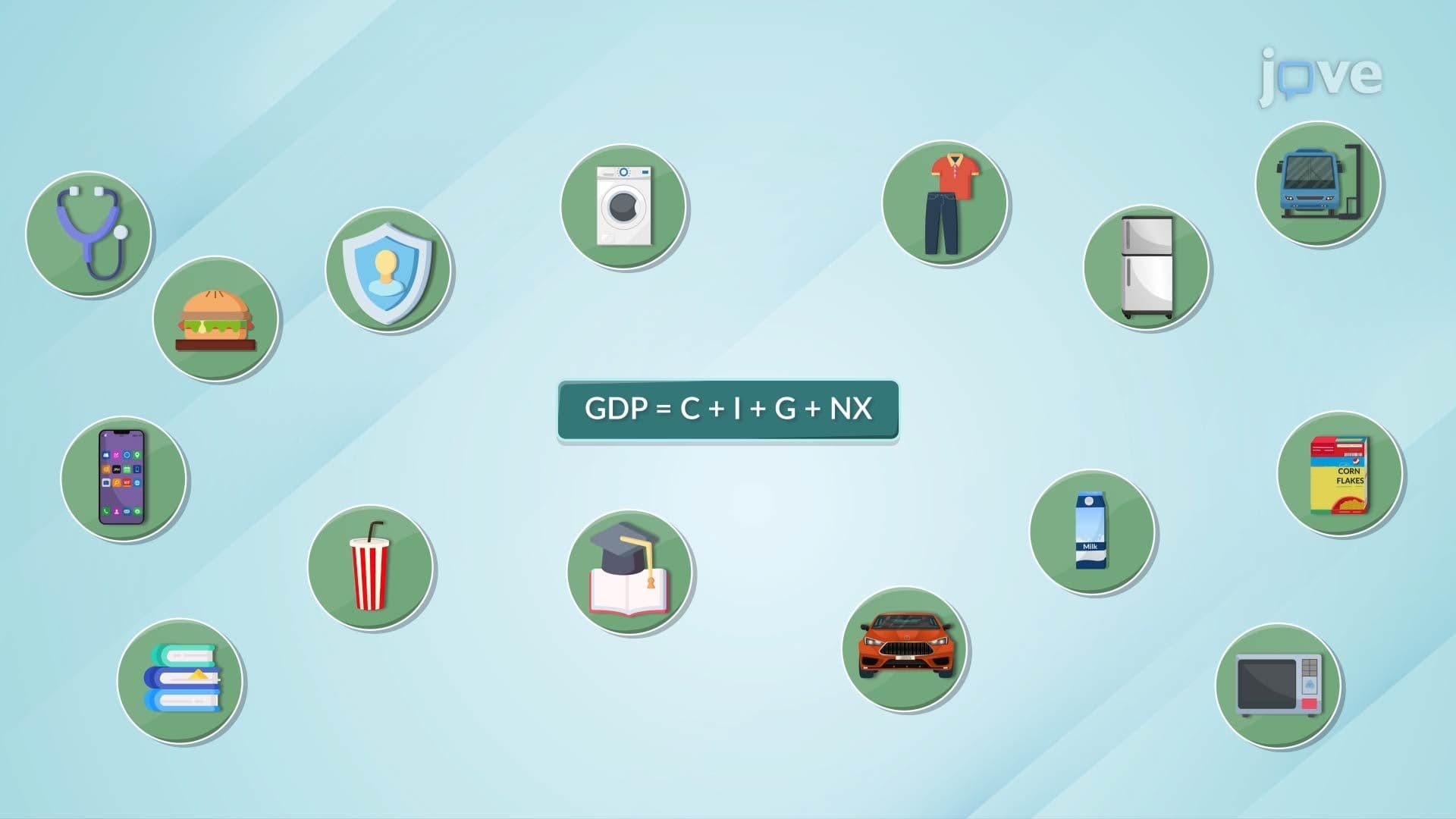
4. The Expenditure Approach Components The expenditure approach calculates GDP by summing spending from four key sectors: C + I + G + NX. Personal consumption expenditures (C) represent the largest component in the US, including durable goods like automobiles and appliances, nondurable goods such as food and clothing, and services from healthcare to entertainment. Gross private domestic investment (I) encompasses business purchases of equipment and structures, plus residential construction and inventory changes. Government purchases (G) include federal spending on defense, state expenditures on education, and local infrastructure projects-but exclude transfer payments. Net exports (NX) subtract imports from exports, and since the US typically imports more than it exports, this component has been negative since 1975.
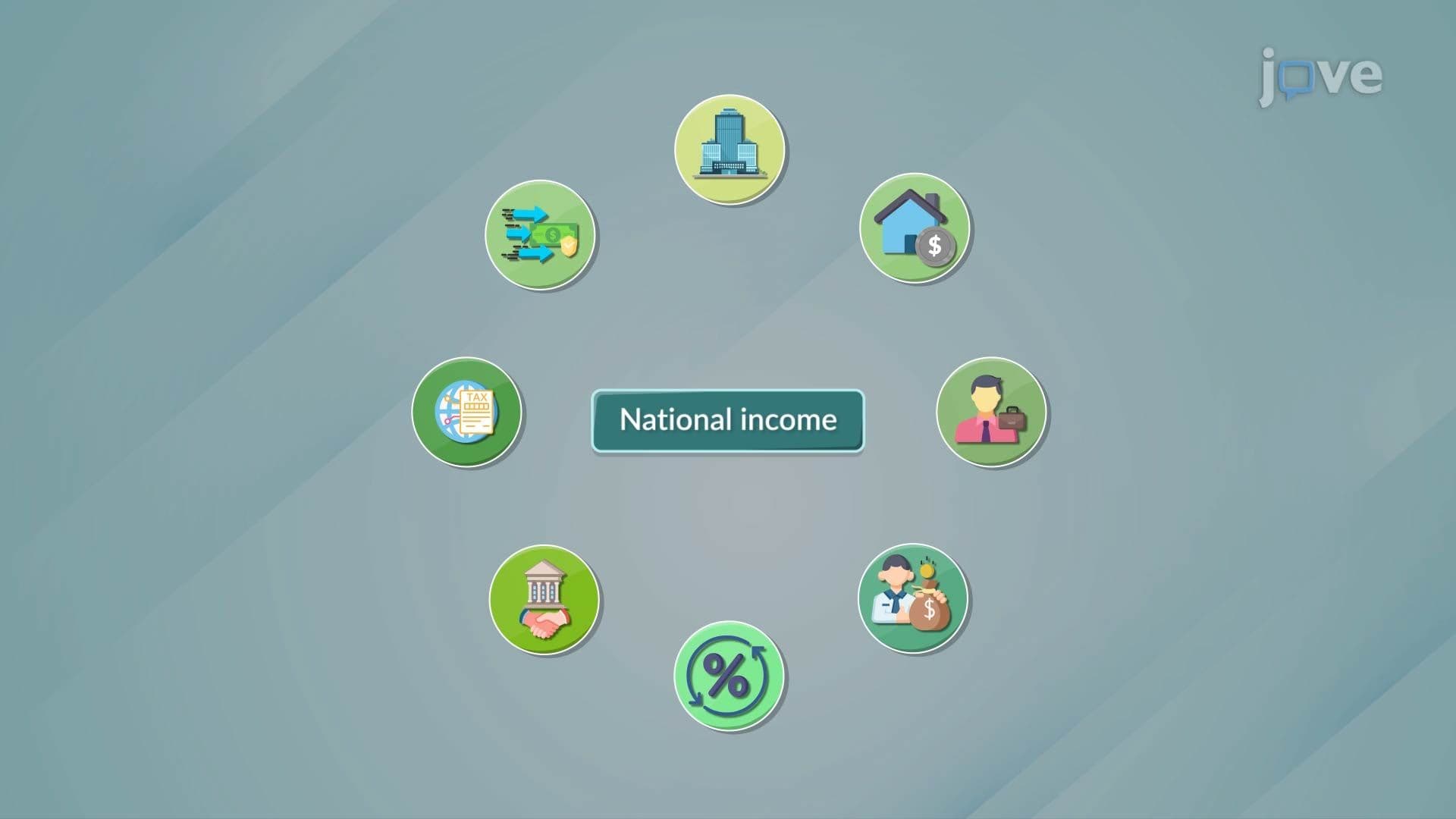
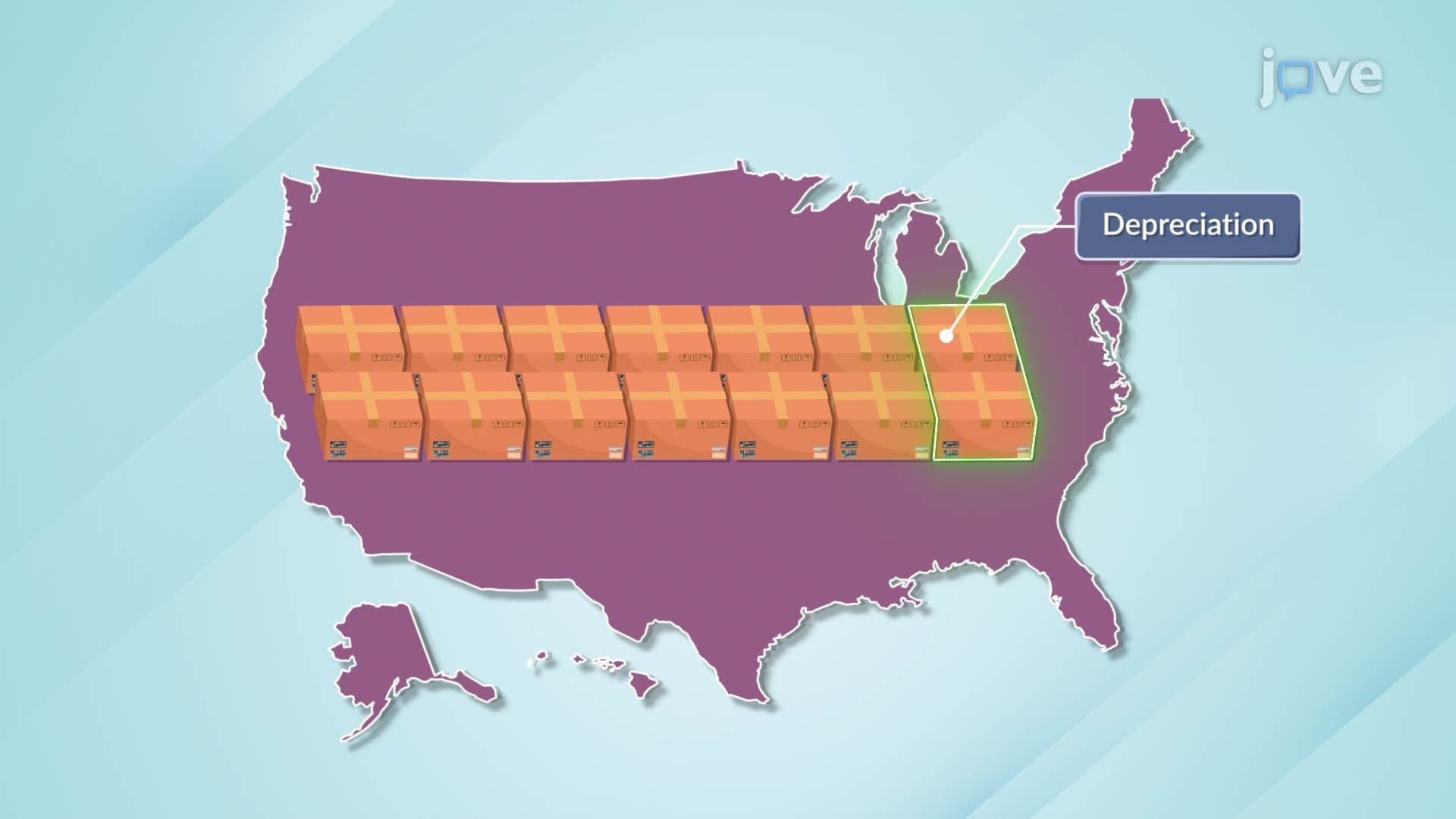
5. The Income Approach and Factor Payments The income approach recognizes that all expenditures ultimately become someone's income, measuring GDP through earnings generated in production. Compensation of employees forms the largest component, including wages, salaries, and benefits paid by employers from tech companies in Silicon Valley to manufacturers in the Midwest. Proprietors' income captures earnings of unincorporated businesses, from independent contractors to small family-owned restaurants. Corporate profits, rental income, and net interest represent returns to capital ownership. This approach also includes indirect business taxes collected by governments and adjustments for depreciation of capital equipment, providing insight into how national output translates into purchasing power across different segments of the American economy.
6. Factor Cost vs. Market Price Adjustments Converting between factor cost and market price measurements requires understanding how government policies affect final prices paid by consumers. At factor cost, GDP reflects the actual production expenses-wages, rent, materials, and profits-incurred by businesses. However, consumers pay market prices that include indirect taxes like sales taxes, excise taxes on gasoline and tobacco, and property taxes, while subtracting government subsidies for products like agricultural goods or renewable energy equipment. These adjustments are crucial for accurate economic analysis because they separate the productive value created by businesses from the policy-driven price modifications imposed by government. Understanding this distinction helps economists assess the true cost of production versus consumer burden.
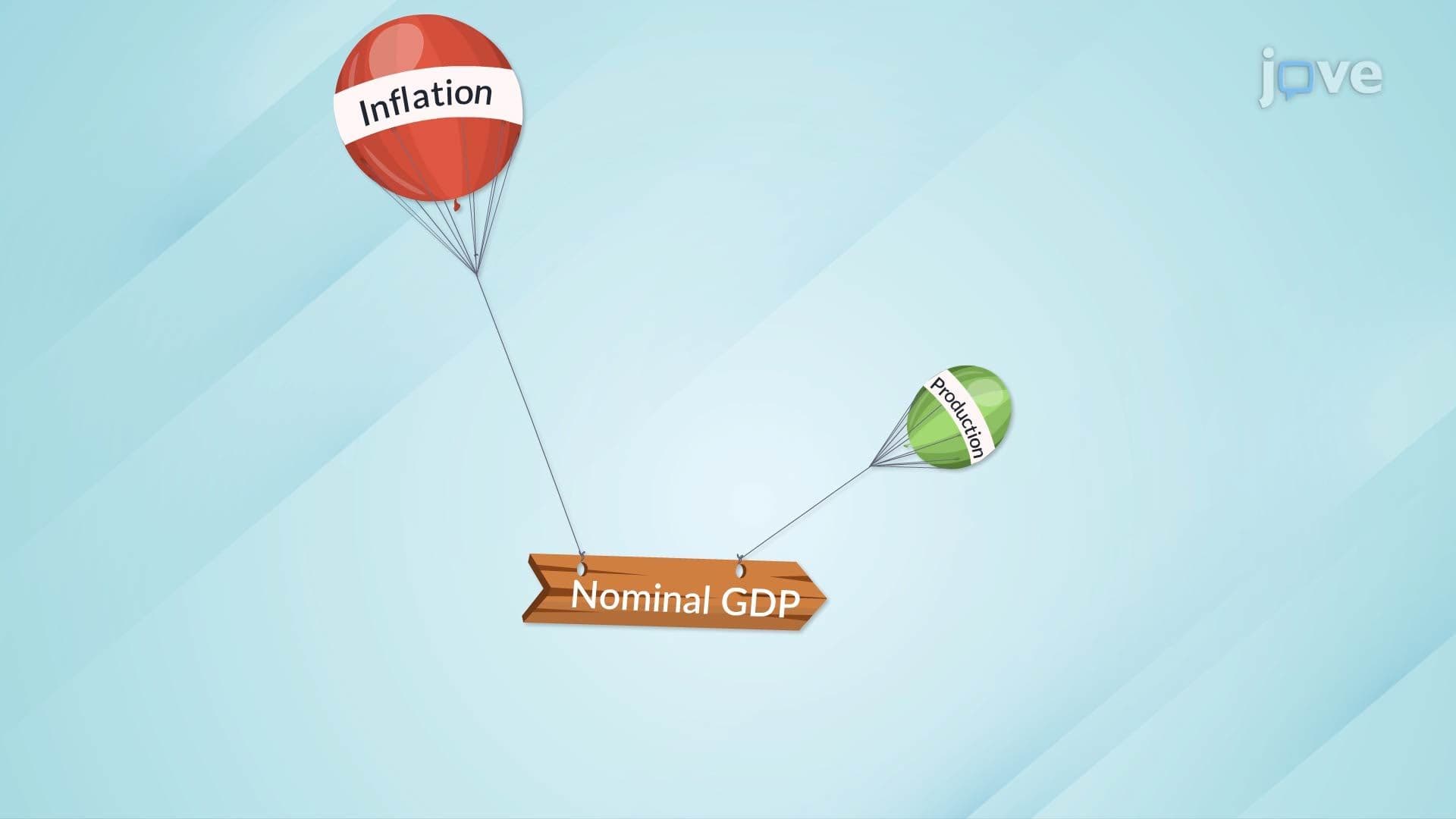
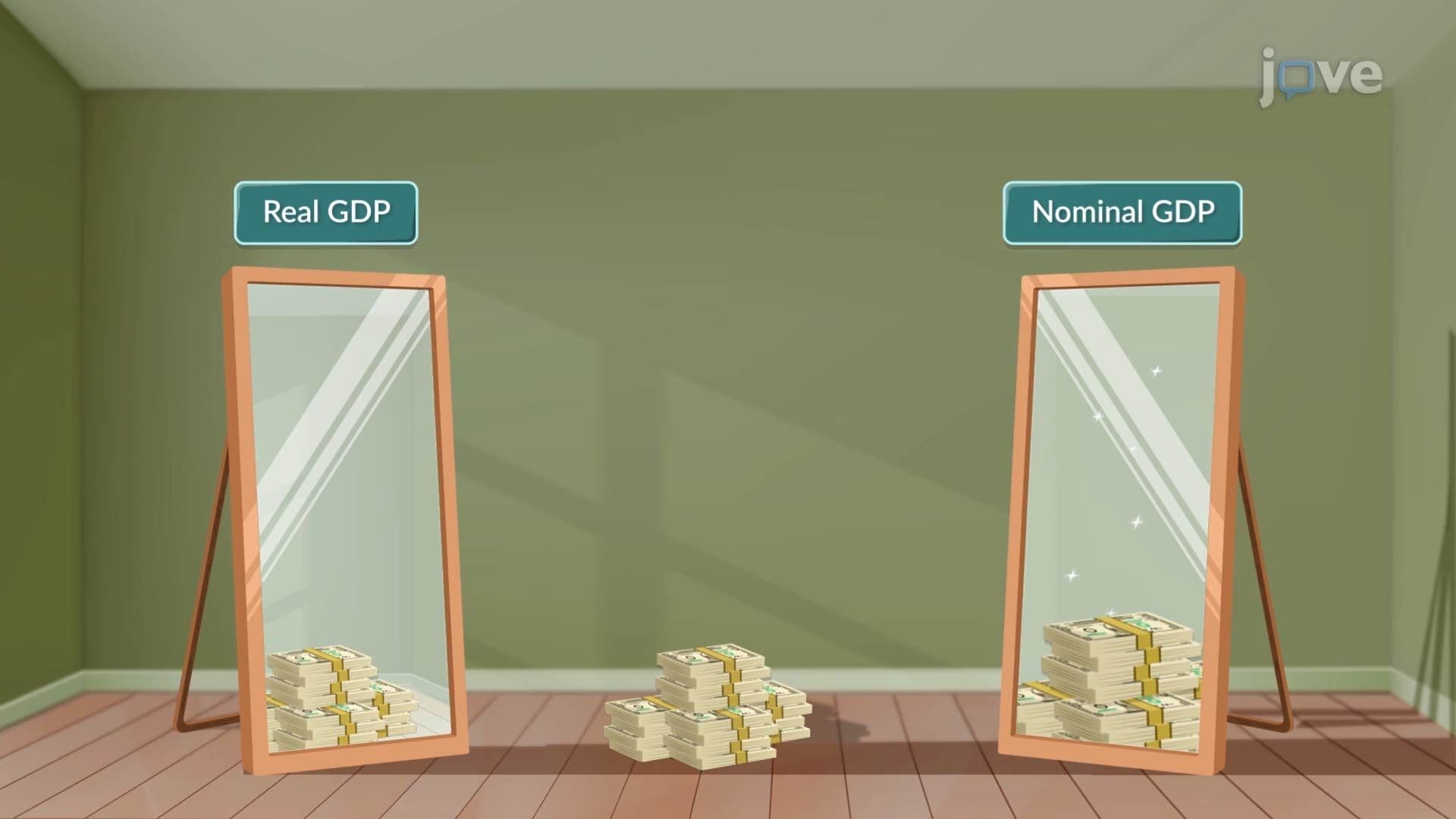
7. Nominal vs. Real GDP and Price Level Changes Distinguishing between nominal and real GDP is essential for understanding actual economic growth versus the illusion created by inflation. Nominal GDP measures output at current market prices, so it increases when either production rises or prices inflate. For example, US nominal GDP grew from approximately $543 billion in 1960 to over $29 trillion in 2024, but much of this increase reflects higher prices rather than proportional output growth. Real GDP adjusts for price changes by using constant prices from a base year, revealing genuine increases in production quantity. The GDP deflator, calculated as the ratio of nominal to real GDP times 100, measures overall price level changes and helps economists separate real economic expansion from monetary inflation effects.
8. Alternative Measures and GDP Limitations While GDP serves as the primary measure of economic activity, related indicators provide additional perspectives on national economic performance. Gross National Product (GNP) includes income earned by US citizens abroad while excluding foreign nationals' domestic earnings, offering insight into American economic well-being regardless of location. Net National Product (NNP) subtracts depreciation from GNP, measuring the economy's capacity for sustainable growth. Per capita calculations divide these totals by population, enabling international comparisons and tracking individual prosperity over time. However, GDP has significant limitations: it ignores income distribution, environmental costs, quality of life improvements, and non-market valuable activities, making it an incomplete measure of societal well-being despite its usefulness for tracking market-based economic activity.