Loading video…


 26 Concepts
 1.4K views

Video Summary: Circular Flow Three and Four Sector Explained
Ever wondered how the U.S. government's $6.3 trillion budget connects to your summer job earnings? The circular flow three four sector model reveals these surprising economic connections by showing how households, firms, government, and foreign countries continuously exchange money and resources. For instance, when the federal government pays Boeing for military aircraft, that payment becomes employee wages, which households spend on imported smartphones from South Korea. Understanding the Circular Flow Three And Four Sector Explained framework helps decode how every dollar flows through our interconnected economy. Watch the full video on JoVE Coach to master this concept with expert-led visuals and step-by-step explanations.
The circular flow three four sector model represents advanced economic thinking that captures the full complexity of modern economies. Unlike simplified two-sector models focusing only on households and firms, these expanded frameworks incorporate the critical roles of government intervention and global economic integration that define contemporary American economic reality.
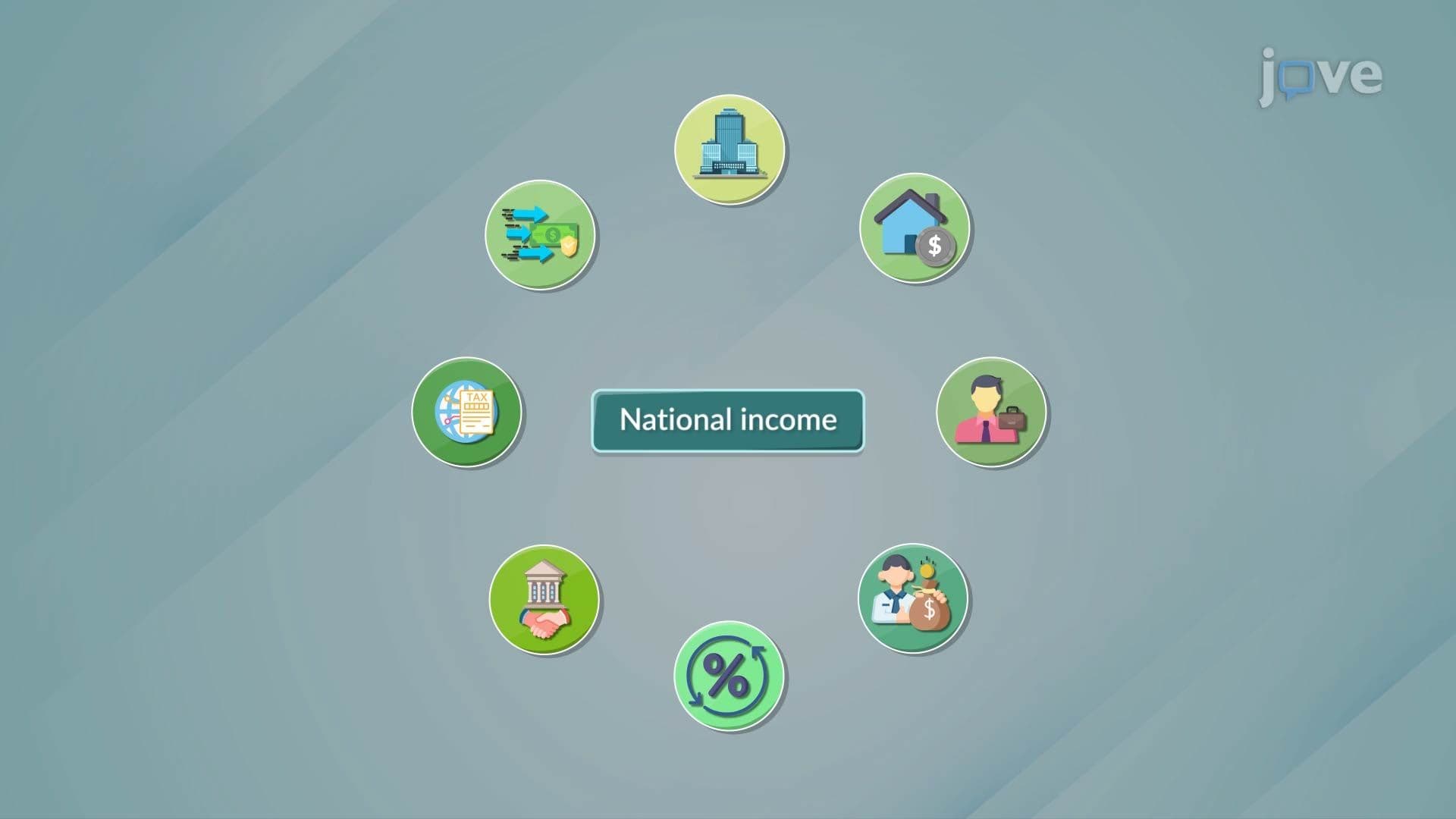
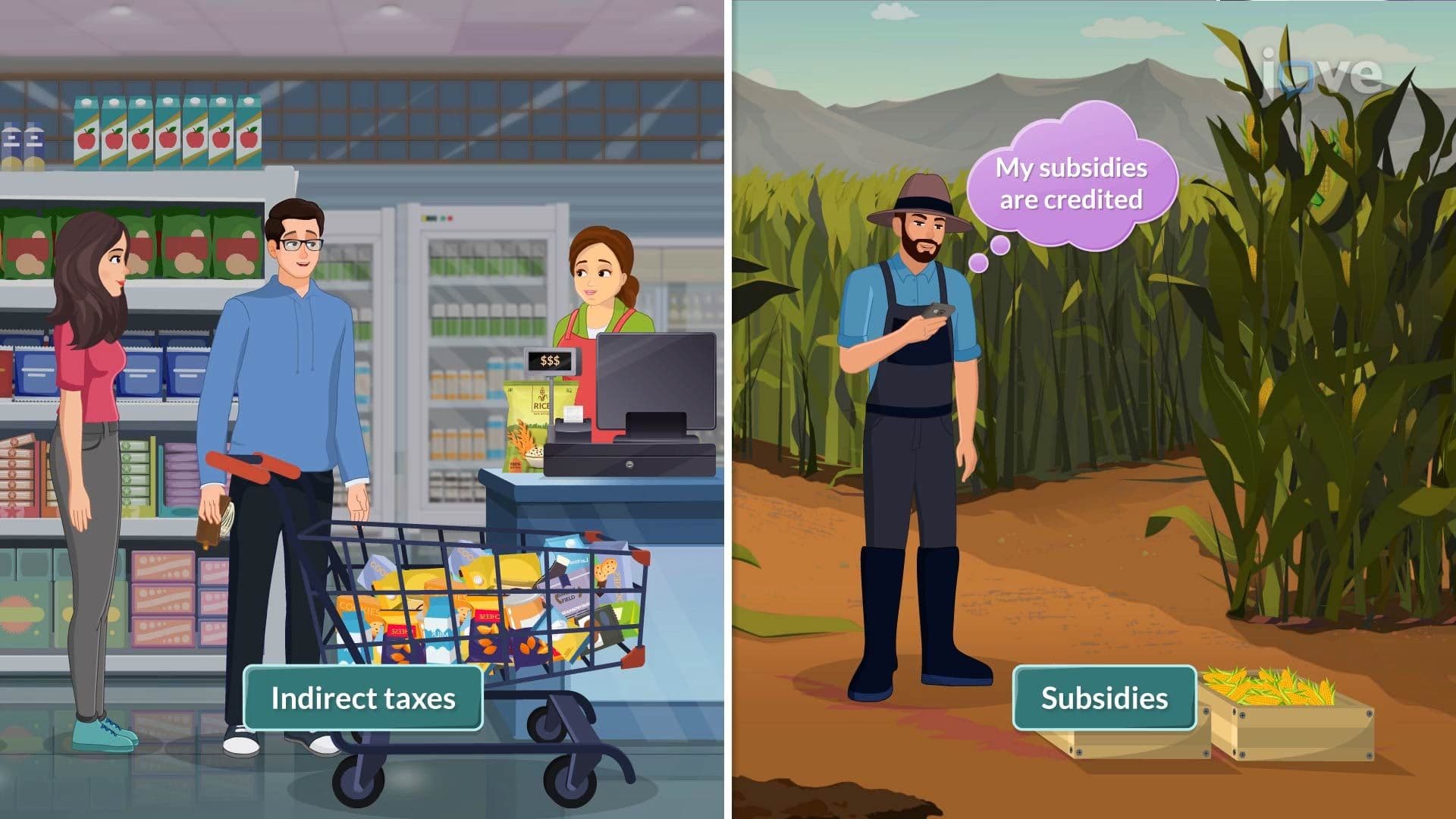
The three-sector circular flow introduces government as an active economic participant, not merely a regulator. Government interactions create multiple new flow channels: tax collection from households (personal income tax, payroll taxes) and businesses (corporate taxes, excise taxes), government purchases from firms (defense contracts, infrastructure projects), and transfer payments to households (Social Security, unemployment benefits, Medicaid).
Consider how the American Recovery and Reinvestment Act of 2009 demonstrates three-sector flows. The federal government collected taxes, borrowed funds, then spent $831 billion on infrastructure, education, and healthcare. This spending flowed to construction companies, teachers' salaries, and medical equipment manufacturers, ultimately returning to households as wages and to firms as profits.
Government subsidies create additional complexity. When the U.S. provides agricultural subsidies to corn farmers, this represents a government-to-firm flow that reduces production costs, potentially lowering consumer prices and affecting household purchasing power.
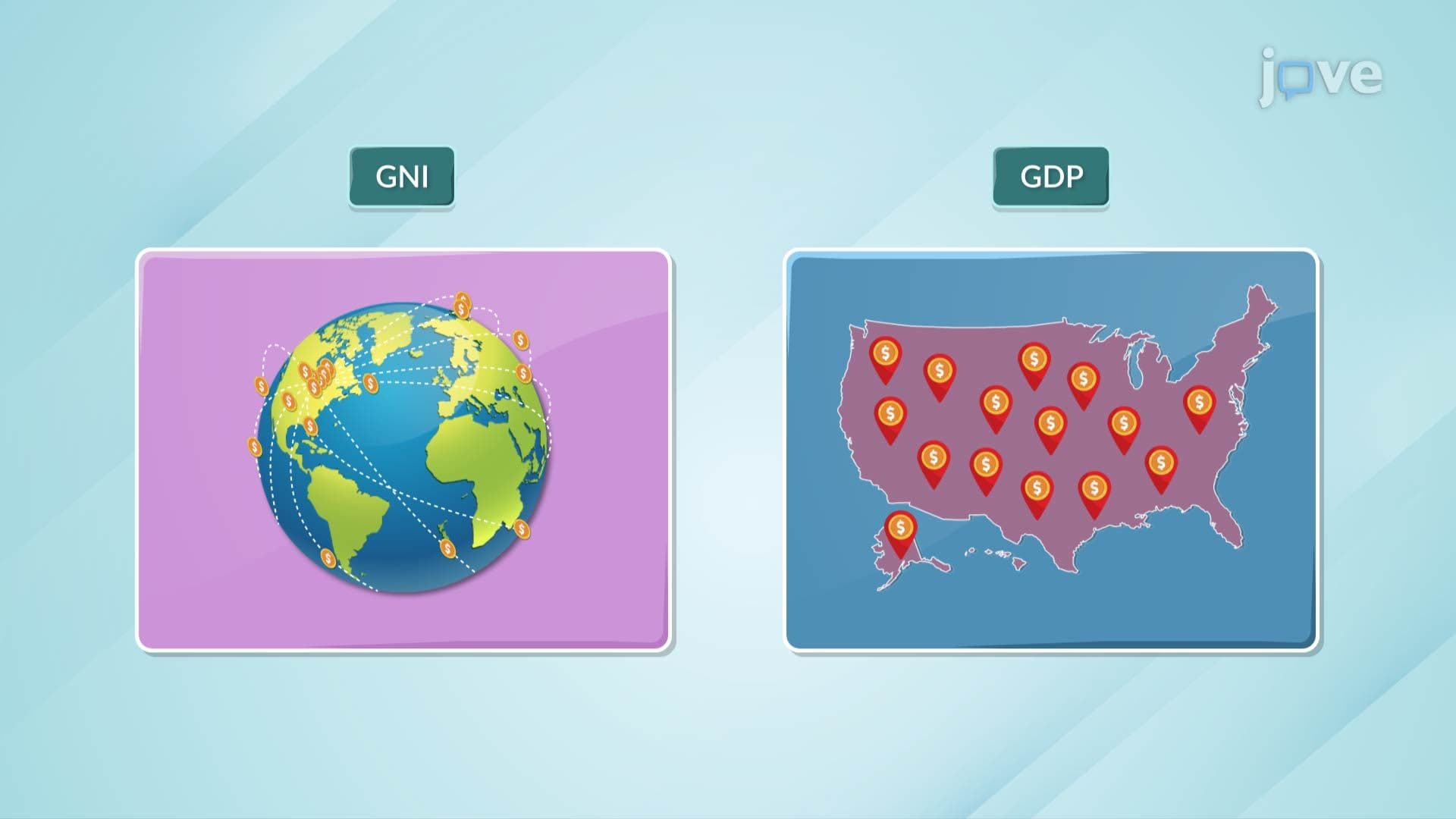
The four-sector model adds the foreign sector, recognizing that modern economies are globally interconnected. International flows include exports (domestic production sold abroad), imports (foreign goods purchased domestically), foreign direct investment, and remittances from international workers.
Apple's iPhone production exemplifies four-sector complexity: design occurs in California, manufacturing in China, sales worldwide, with profits flowing back to U.S. shareholders. When Americans purchase iPhones, money flows to China (imports), but Apple's intellectual property payments flow back to the U.S. (service exports).
Understanding these models proves essential for AP Economics, college macroeconomics courses, and business program studies. Exam questions frequently test students' ability to trace money flows through different sectors, analyze policy impacts, and predict economic consequences.
The fundamental principle-that one person's expenditure becomes another's income-appears across standardized tests. Students must recognize how government spending multiplies through the economy, how trade deficits affect domestic income, and how international investment flows impact national economic health.
Related Micro-courses