Loading concepts…


18 Concepts
14 Concepts
21 Concepts
28 Concepts
12 Concepts
17 Concepts
21 Concepts
10 Concepts
36 Concepts
16 Concepts
7 Concepts
9 Concepts
11 Concepts
11 Concepts
12 Concepts
26 Concepts
20 Concepts
 18 Concepts
 25.9K Views
 Popular topics
















This introduction to business finance provides working professionals with essential corporate finance fundamentals and key concepts in business finance needed for strategic decision-making. From Apple's R&D investments to Tesla's long-term wealth maximization strategy, you'll explore how companies like Walmart and Nike structure capital decisions, manage financial resources, and optimize business performance. JoVE Coach delivers practical financial management insights that translate directly to workplace applications.
1. Financial Management Framework and Strategic Decision-Making Understanding how companies like Apple allocate resources across R&D, acquisitions, and market expansion demonstrates the core principles of financial management. This foundation covers budgeting, forecasting, and performance analysis that enable businesses to achieve strategic objectives. Working professionals learn to evaluate financial health through key metrics and reporting tools, ensuring decisions align with organizational goals while managing risk and maximizing shareholder value.
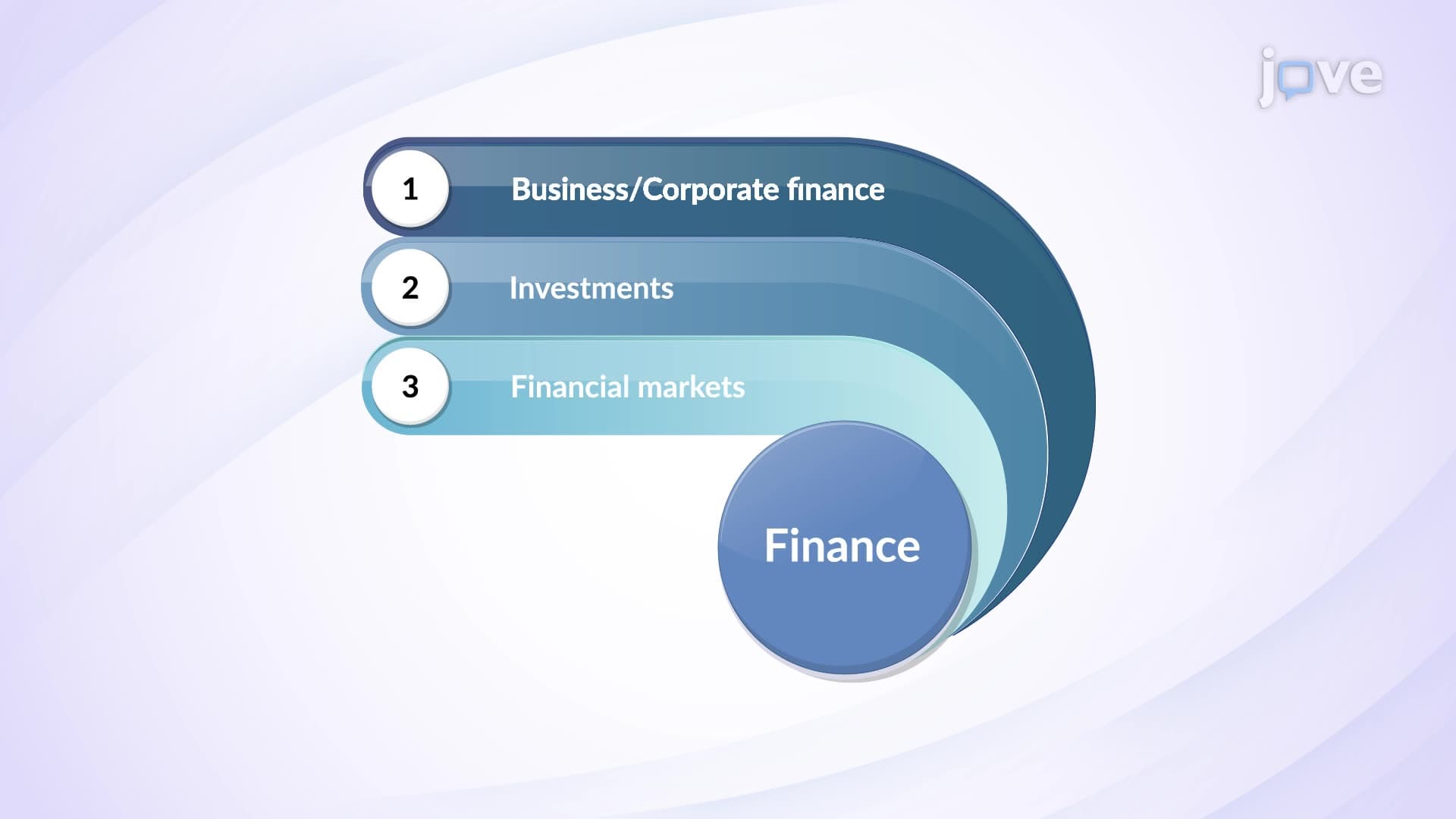
2. Corporate Finance Areas and Market Integration Business finance intersects with investments and financial markets, as seen when companies like Nike raise capital through stock offerings or when managers invest corporate cash in securities. Understanding these interconnected domains helps professionals navigate funding decisions, evaluate investment opportunities, and comprehend how market conditions affect corporate finance strategies. This knowledge proves essential for strategic planning and capital allocation decisions.
3. Capital Structure and Financing Alternatives Companies choose between debt, equity, and hybrid financing based on factors like cost of capital, control considerations, and tax implications. Tesla's approach to funding innovation through strategic capital raises contrasts with traditional manufacturers' debt-heavy structures. Professionals learn to evaluate financing options, understand how capital structure affects business risk and returns, and make recommendations aligned with organizational strategy and market conditions.
4. Business Organizational Structures and Financial Implications From sole proprietorships to corporations like Nike, each business structure carries distinct financial, tax, and liability considerations. Understanding Limited Liability Companies, S-Corporations, and traditional corporate structures helps professionals advise on optimal organizational design, evaluate acquisition targets, and understand regulatory requirements. This knowledge supports strategic decisions about business expansion, partnerships, and operational efficiency while managing legal and financial risks.
5. Working Capital Management and Operational Finance Day-to-day financial management encompasses cash flow optimization, inventory control, and accounts receivable management. Walmart's sophisticated working capital strategies demonstrate how effective management of short-term assets and liabilities drives operational efficiency and profitability. Professionals learn to implement policies that balance liquidity needs with growth objectives, ensuring businesses maintain operational flexibility while maximizing returns on working capital investments.