Loading concepts…


18 Concepts
14 Concepts
21 Concepts
28 Concepts
12 Concepts
17 Concepts
21 Concepts
10 Concepts
36 Concepts
16 Concepts
7 Concepts
9 Concepts
11 Concepts
11 Concepts
12 Concepts
26 Concepts
20 Concepts
 12 Concepts
 3.4K Views
 Popular topics


Financial ethics forms the cornerstone of sustainable business practices in American financial markets, directly impacting corporate governance, client relationships, and long-term profitability. This JoVE Coach micro-course examines how ethical decision-making frameworks prevent financial fraud, ensure fiduciary duty compliance, and build competitive advantages through trust-based client relationships. Working professionals learn to navigate complex ethical dilemmas while maintaining regulatory compliance and maximizing business outcomes.
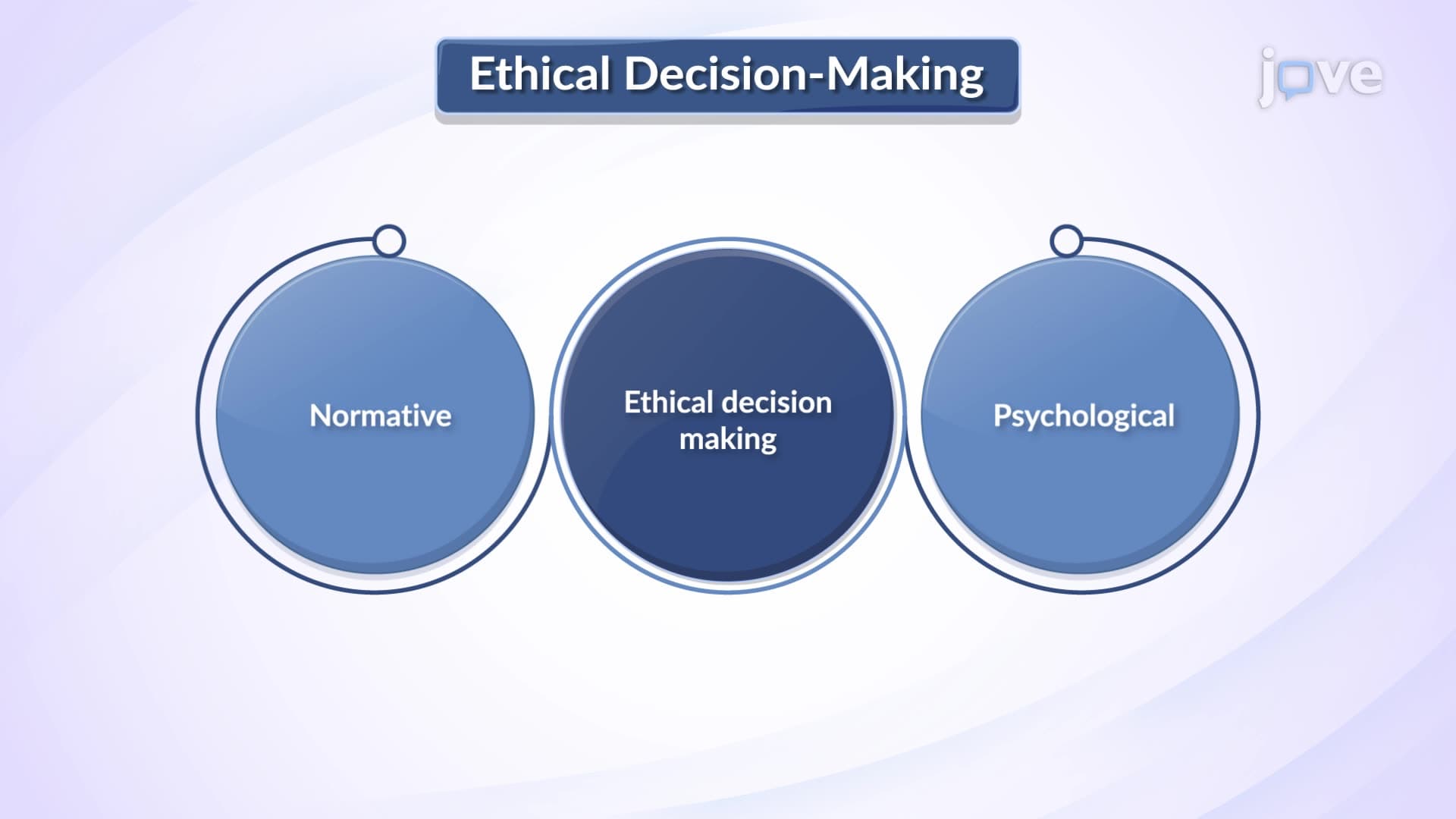
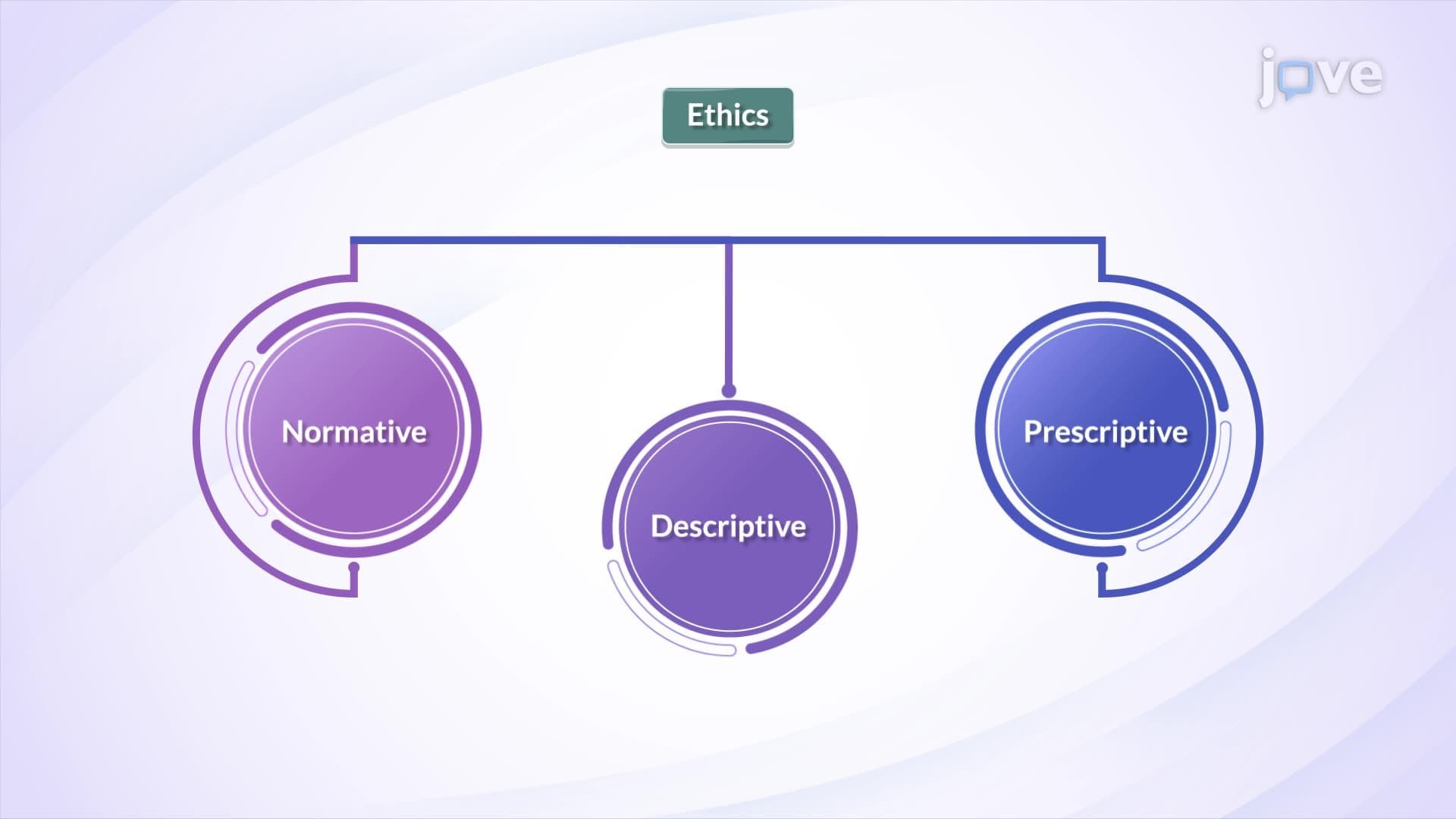
1. Foundations of Financial Industry Ethics Understanding how business ethics finance principles create competitive advantages through client trust and regulatory compliance. Professionals learn to differentiate between legal compliance and ethical conduct, examining real-world scenarios where tax avoidance strategies may be legal but ethically questionable. This foundation covers normative, descriptive, and prescriptive approaches to ethical considerations in financial decision making, providing frameworks that major firms like Berkshire Hathaway use to maintain market leadership through ethical practices.
2. Psychological Frameworks for Ethical Decision Making Exploring how cognitive processes influence financial professionals' choices between profit maximization and client welfare. This section examines real workplace scenarios where investment bankers face conflicts between career advancement and corporate responsibility. Professionals learn to recognize when personal motivations and inherent biases affect their recommendations, developing strategies to balance idealistic ethical principles with practical business pressures that exist in competitive financial markets.
3. Individual Moral Development in Financial Careers Analyzing professional growth stages from self-interest focus to principled ethical leadership using Kohlberg's developmental framework. This progression shows how junior advisors initially prioritizing commission-based decisions can evolve into senior professionals who place client welfare above personal gain. The content demonstrates how ethical maturity directly correlates with long-term career success, client retention, and reputation building in competitive financial services environments.
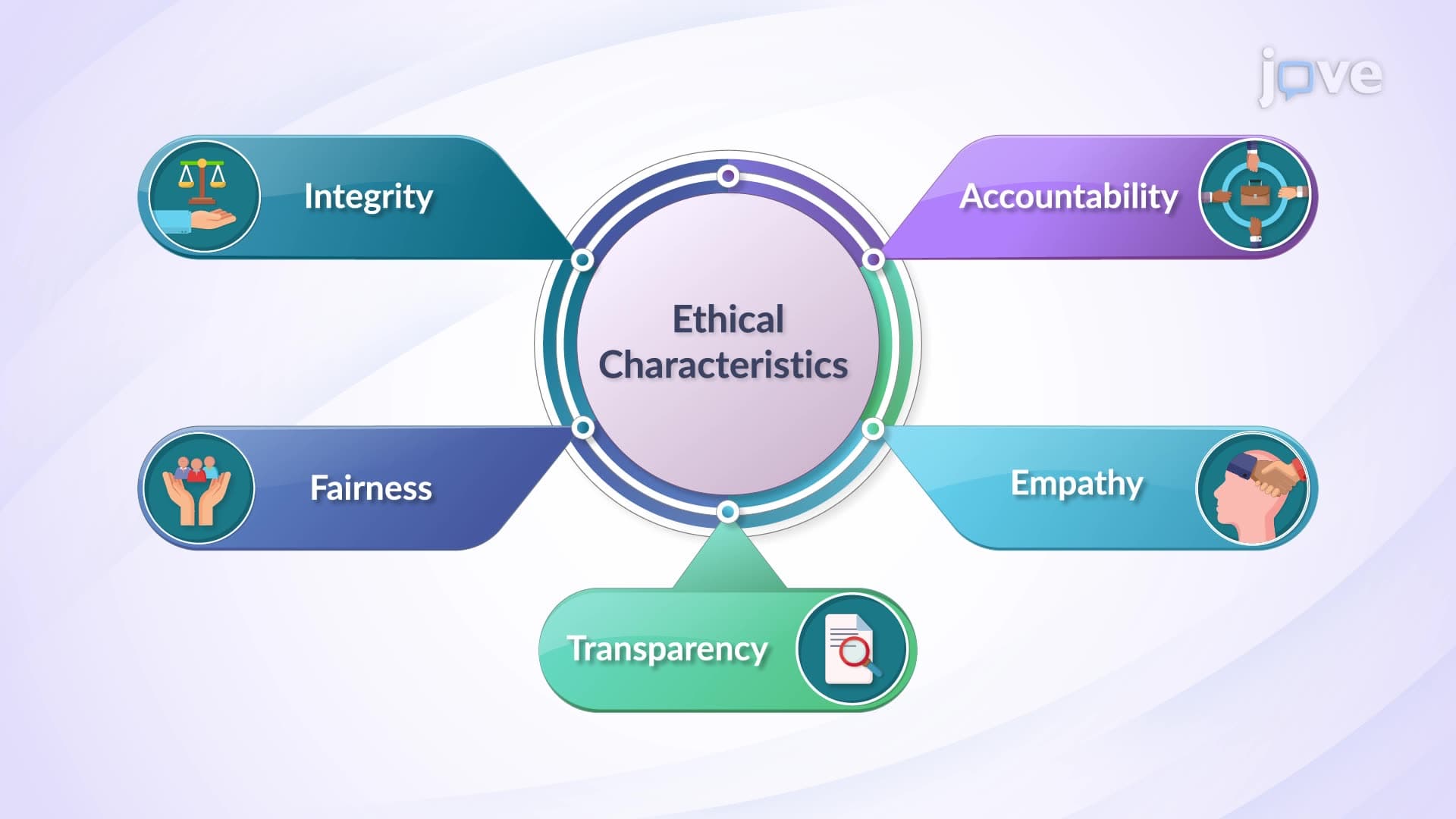
4. Personal Ethics Characteristics and Workplace Impact Examining how integrity, accountability, fairness, empathy, and transparency drive positive organizational change and risk management. Professionals learn through scenarios involving data privacy violations and whistleblowing decisions that require courage despite potential career risks. This section shows how individual ethical characteristics influence team dynamics, client relationships, and organizational culture, ultimately affecting bottom-line business outcomes and regulatory compliance.
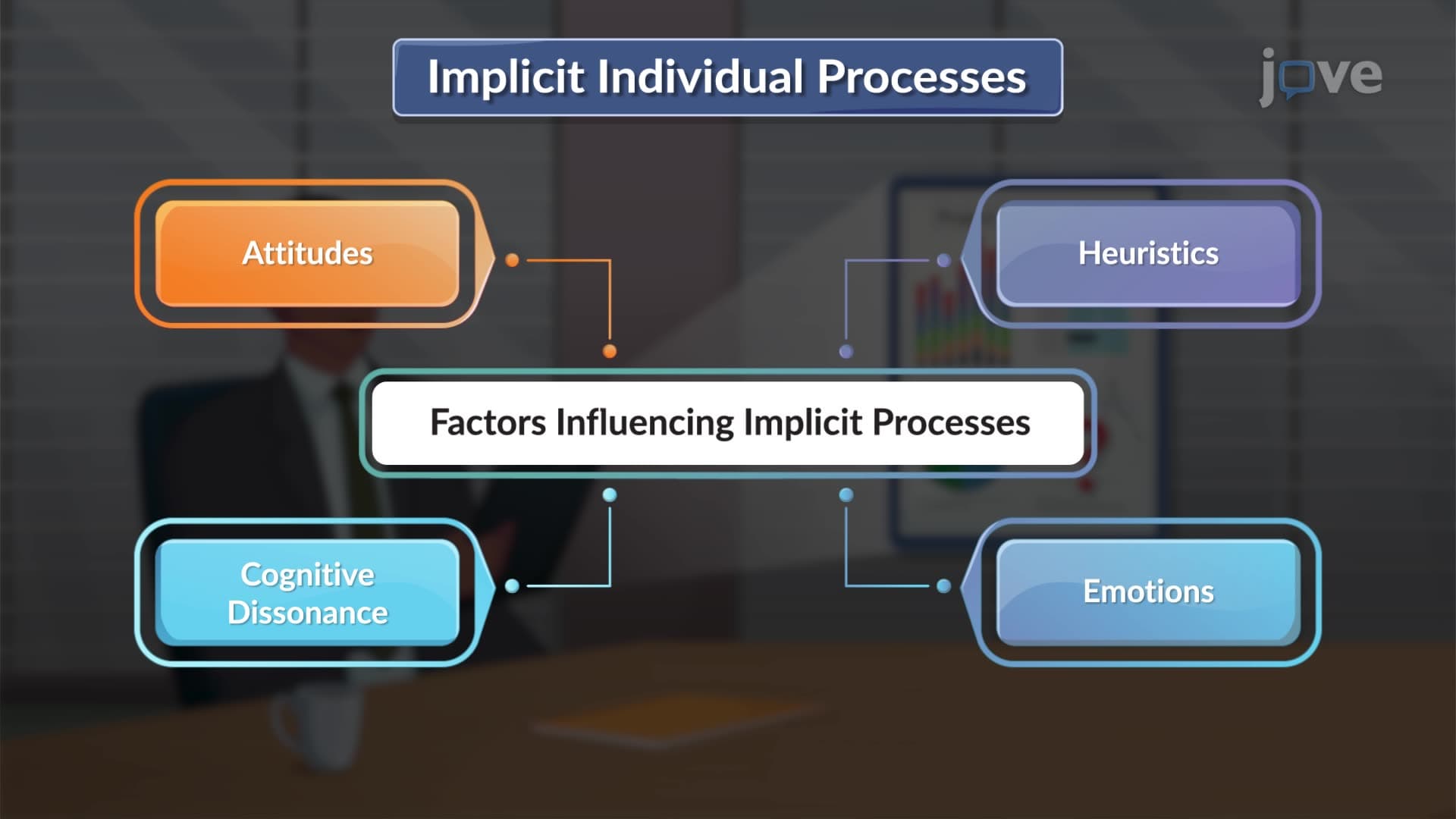
5. Cognitive Biases and Implicit Decision Processes Understanding how subconscious mental activities affect investment decisions and client recommendations in high-pressure financial environments. This covers attitude-based biases, heuristic shortcuts, cognitive dissonance reduction, and emotional decision-making that can compromise fiduciary duty. Professionals learn to identify when familiarity bias leads to suboptimal portfolio management or when past performance assumptions create blind spots in investment analysis and client advisory services.
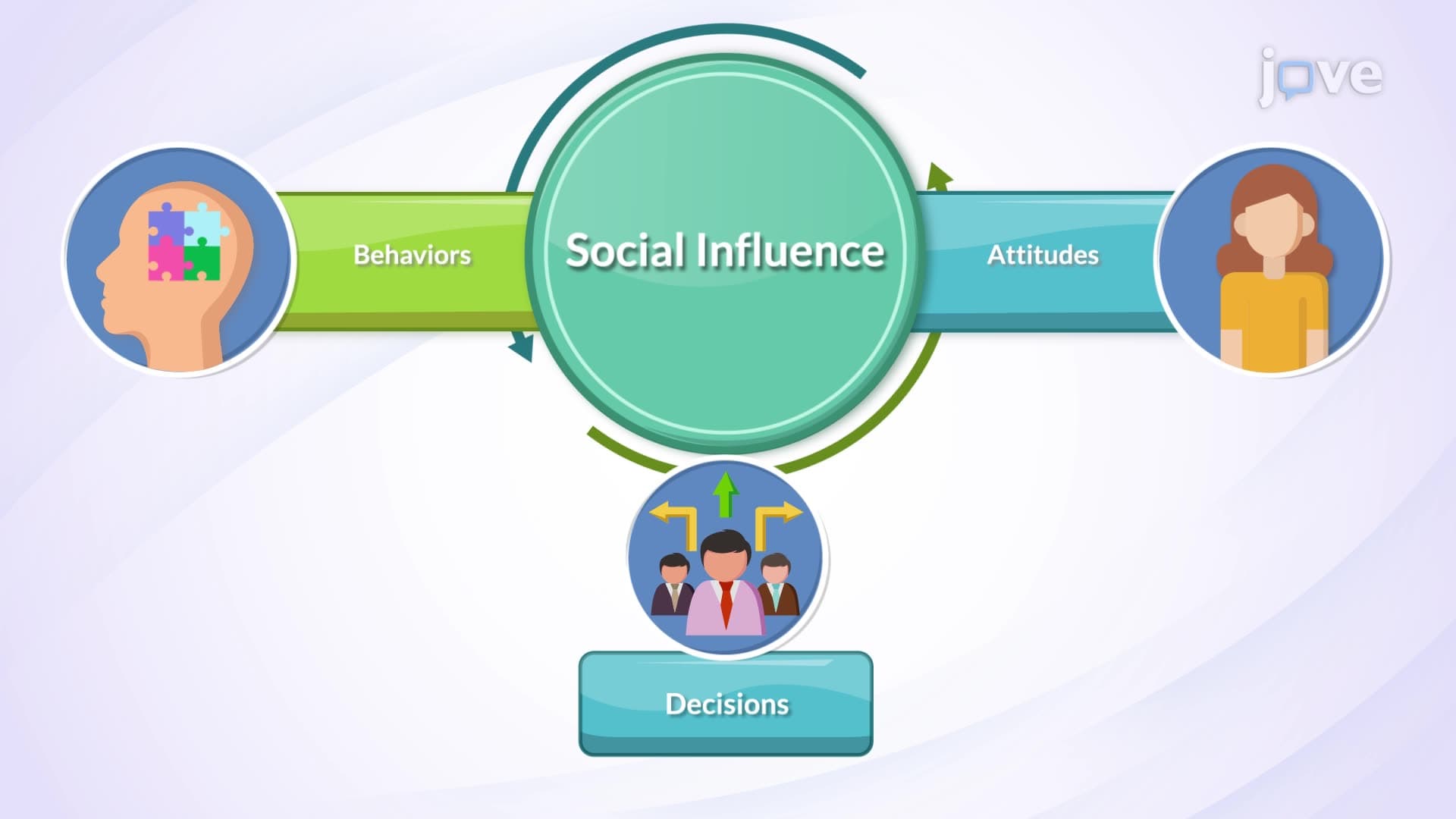
6. Social Influence and Workplace Dynamics Analyzing ethical applications of coercion, manipulation, persuasion, and facilitation in professional financial settings. This section distinguishes between acceptable influence techniques like reasoned persuasion for securing project funding versus unethical manipulation that withholds critical information from clients. Professionals learn to recognize when workplace pressures compromise ethical standards and develop strategies to maintain integrity while achieving business objectives.
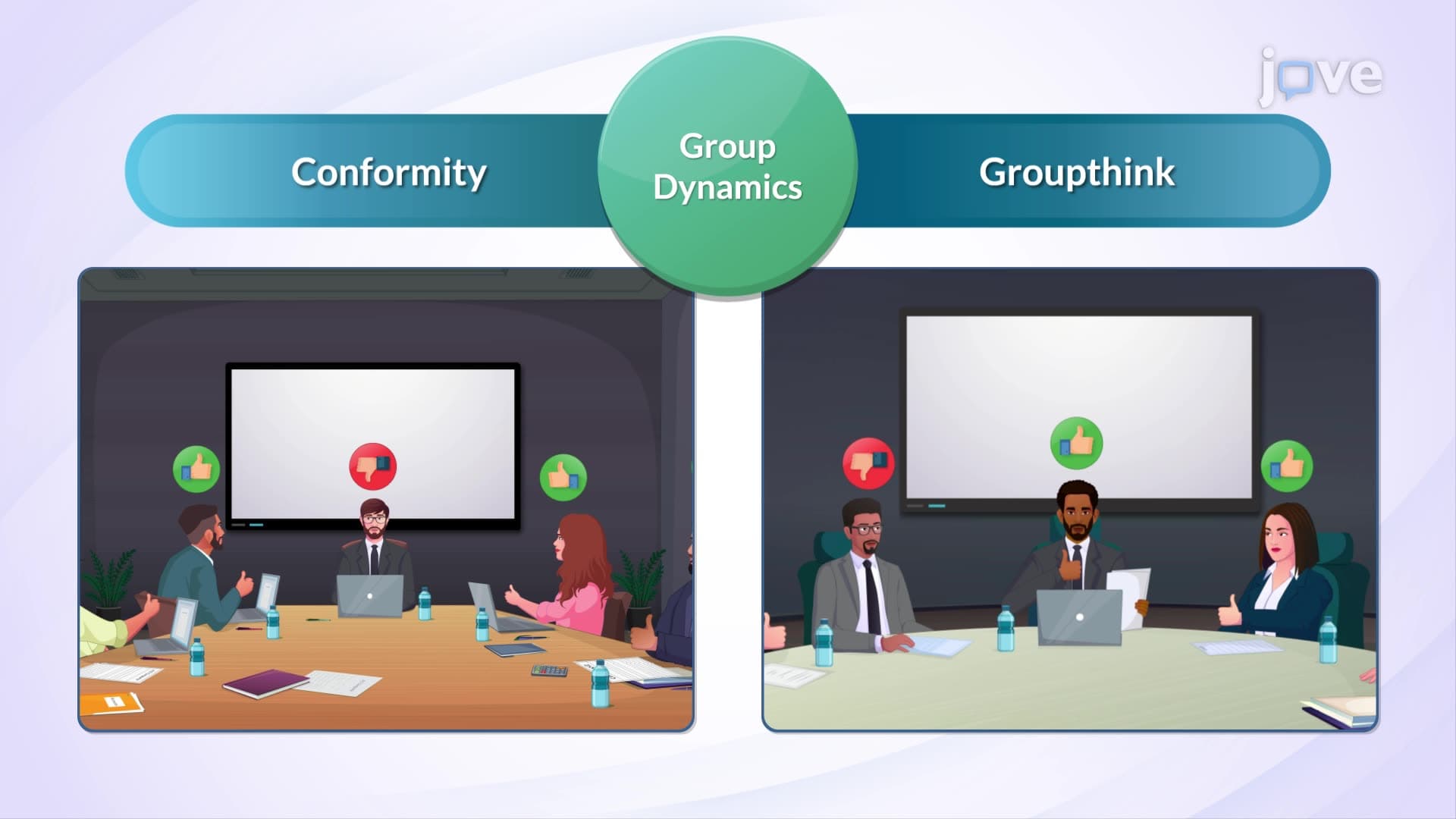
7. Group Decision Making and Preventing Groupthink Addressing how conformity pressures and groupthink affect financial teams' ethical decisions and risk assessment capabilities. This section examines scenarios where investment committees dismiss alternative viewpoints to maintain group harmony, potentially leading to significant financial losses. Professionals learn leadership techniques to promote open dialogue, critical thinking, and diverse perspectives that improve both ethical outcomes and business performance in financial organizations.
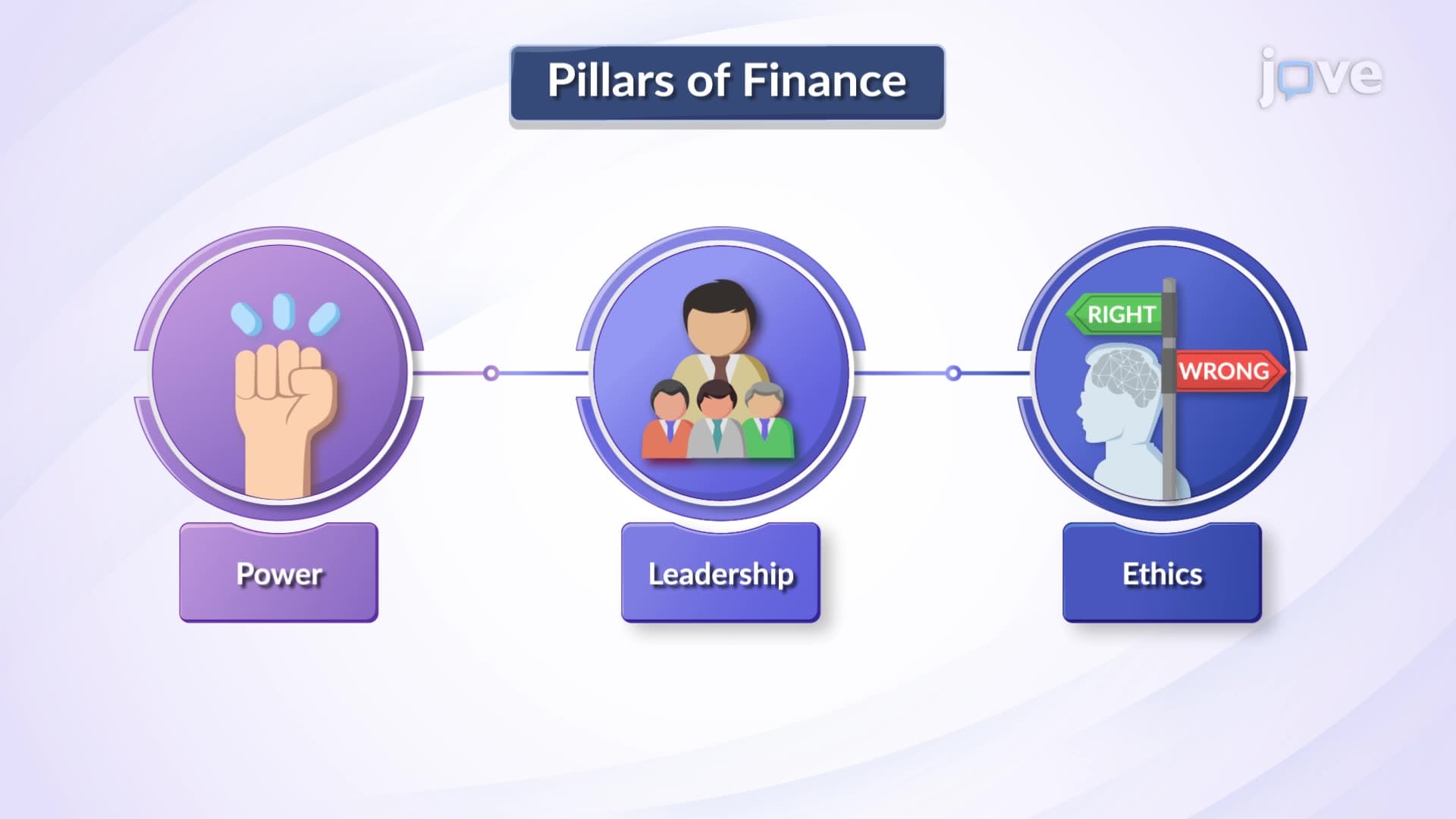
8. Power, Leadership, and Ethical Influence Exploring how legitimate, expert, and referent power types affect organizational culture and ethical standards in financial firms. Using Warren Buffett's leadership at Berkshire Hathaway as a model, professionals learn to leverage authority responsibly while maintaining accountability and transparency. This section covers how ethical leadership creates sustainable competitive advantages through employee trust, client loyalty, and regulatory relationship management.
9. Building Ethical Organizational Culture Implementing systematic approaches to balance profit maximization with ethical conduct through policies, training, and reward systems. Professionals learn to assess current practices, identify ethical concerns, and create accountability structures that prevent issues like mis-selling or conflicts of interest. This section provides practical frameworks for establishing ethics committees, rotating job roles, and creating incentive structures that align employee behavior with both financial goals and ethical standards.
10. Compensation Design and Ethical Incentives Designing reward systems that motivate performance while preventing unethical behaviors like promoting unsuitable high-risk products for commission gains. This section examines how brokerage firms can structure compensation to balance individual achievement with client welfare and regulatory compliance. Professionals learn to create incentive programs that reward ethical behavior, customer loyalty building, and long-term relationship development alongside traditional financial metrics.
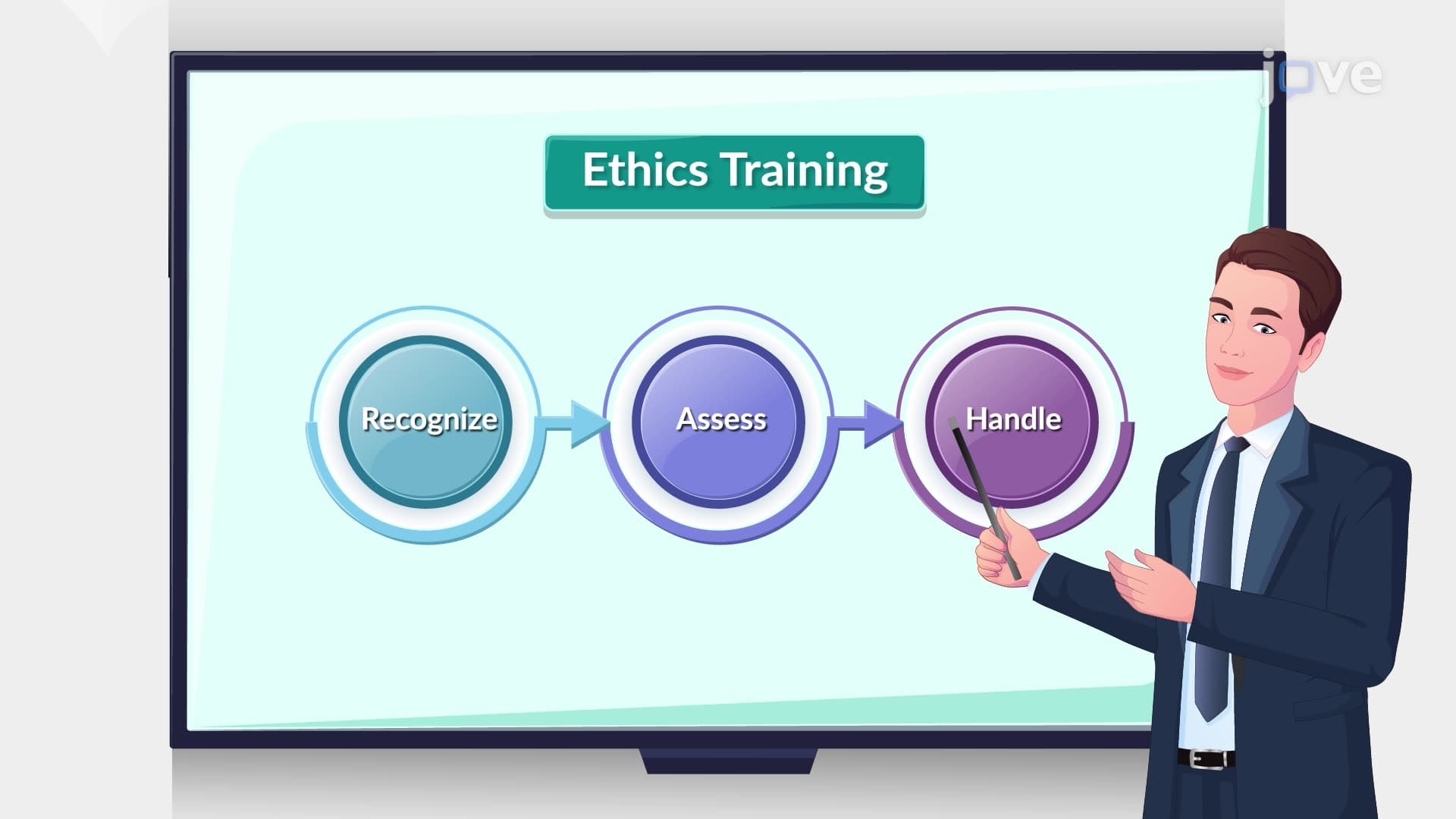
11. Comprehensive Ethics Training Implementation Developing ongoing education programs that address insider trading, regulatory compliance, and ethical dilemma resolution in financial services environments. This section covers interactive training design using real-world scenarios, continuous reinforcement strategies, and measurement techniques for program effectiveness. Professionals learn to create training that builds confidence in ethical decision-making while addressing specific industry challenges like confidential information handling and fiduciary responsibility fulfillment.