Behavioral finance examines how investor psychology finance drives market decisions, revealing why smart professionals make irrational financial choices. This JoVE Coach micro-course explores cognitive biases, emotional triggers, and psychological factors that influence investment behavior. Learn how companies like Apple and Tesla benefit from understanding investor sentiment, while managers at Goldman Sachs and BlackRock apply behavioral insights to optimize portfolio strategies and corporate decision-making.
Apply prospect theory and loss aversion principles to evaluate investment opportunities and risk management strategies
Analyze cognitive biases affecting your team's financial decisions and implement debiasing techniques for better outcomes
Assess how overconfidence and anchoring biases impact corporate financing decisions and merger evaluations
Leverage familiarity bias insights to optimize portfolio diversification and asset allocation strategies
Implement behavioral finance frameworks to predict market inefficiencies and identify arbitrage opportunities
Evaluate investor sentiment indicators to time market entries and optimize capital raising activities
Apply heuristics analysis to improve enterprise decision-making and reduce systematic judgment errors
Analyze unconscious emotions driving financial choices to enhance client advisory and wealth management services
1. Traditional vs. Behavioral Finance Frameworks
Traditional finance assumes rational decision-makers who maximize expected utility, while behavioral finance recognizes how psychology affects financial decisions. Understanding this distinction helps professionals identify when classical models fail. For example, during the 2008 financial crisis, many Wall Street firms using traditional risk models suffered massive losses because they didn't account for panic selling and herd behavior. Modern portfolio managers at firms like Vanguard now integrate both approaches, using behavioral insights to design automatic enrollment features that improve retirement savings participation rates.
2. Cognitive Biases and Investment Decision-Making
Cognitive biases investing patterns significantly impact professional judgment. Overconfidence bias leads executives to overestimate their abilities, while anchoring causes investors to fixate on irrelevant reference points. The representativeness heuristic makes professionals assume past performance predicts future results. Amazon's early investors who ignored traditional valuation metrics and focused on growth potential demonstrate how cognitive biases investing can both help and hurt returns. Financial advisors at Edward Jones train extensively to recognize these patterns in client behavior.
3. Prospect Theory and Loss Aversion Applications
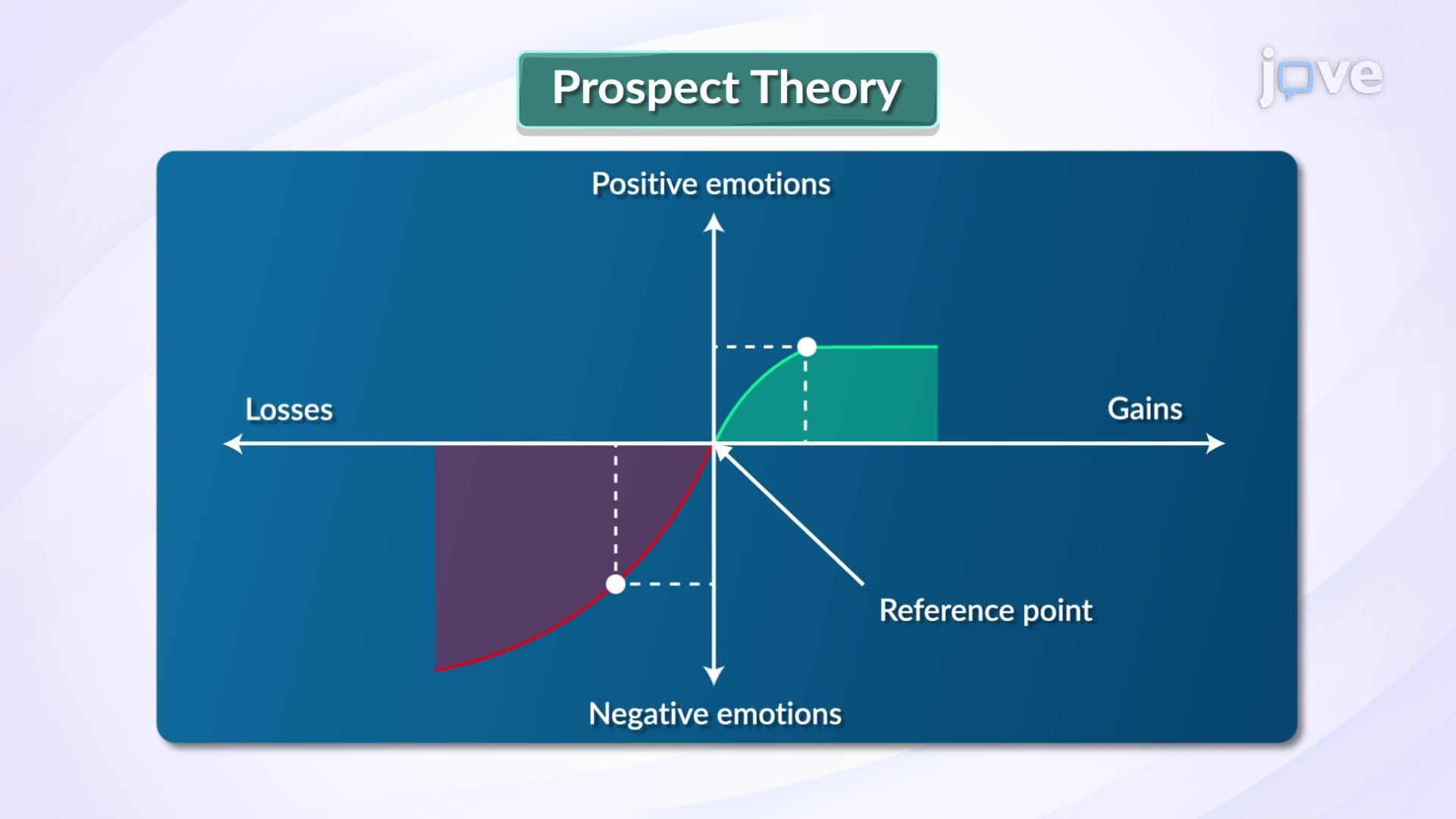
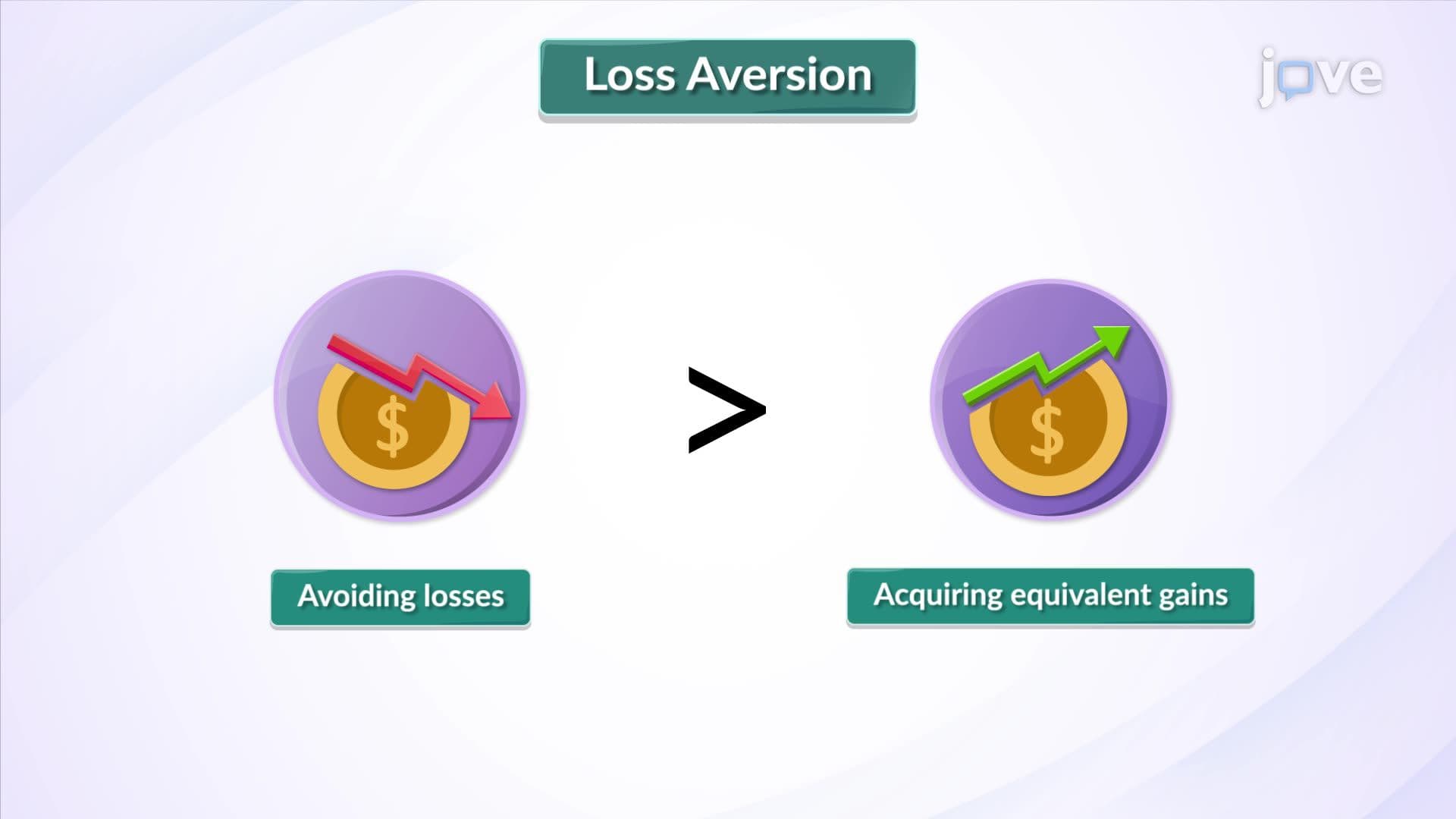
Prospect theory explains how professionals evaluate gains and losses relative to reference points rather than absolute outcomes. Loss aversion causes the pain of losing $100 to feel twice as intense as gaining $100. This psychological principle helps explain why Netflix maintained DVD services longer than economically rational-management feared cannibalizing existing revenue. Corporate finance teams at companies like Microsoft use prospect theory insights when structuring employee compensation packages, framing stock options as potential gains rather than emphasizing downside risks.
4. Market Inefficiencies and Behavioral Anomalies
Market anomalies occur when behavioral biases create pricing inefficiencies that skilled professionals can exploit. The dot-com bubble exemplified how irrational investor behavior drove tech stock valuations far beyond fundamental values. Hedge funds like Renaissance Technologies profit from identifying these behavioral patterns. Value investors like Warren Buffett at Berkshire Hathaway consistently outperform by capitalizing on market overreactions and underreactions. Understanding these inefficiencies helps portfolio managers develop contrarian strategies and identify mispriced securities.
5. Corporate Finance and Behavioral Enterprise Decisions
Behavioral corporate finance examines how psychological factors influence management decisions beyond shareholder value maximization. CEOs often exhibit overconfidence when evaluating merger opportunities, leading to value-destroying acquisitions. Political dynamics within organizations affect resource allocation decisions. Tesla's Elon Musk demonstrates how executive psychology impacts corporate strategy-his risk propensity and overconfidence have driven both revolutionary innovations and controversial decisions. Corporate boards increasingly recognize these behavioral factors when evaluating strategic initiatives and management performance.
6. Investor Psychology and Portfolio Management
Individual and institutional investor behavior patterns significantly impact portfolio construction and performance. Familiarity bias causes investors to overweight domestic stocks, missing international diversification benefits. Limited attention leads to delayed reactions to earnings announcements. Pension fund managers at CalPERS have implemented behavioral coaching programs to help participants overcome inertia and improve retirement outcomes. Wealth managers at firms like Morgan Stanley use behavioral finance principles to design client portfolios that account for emotional reactions during market volatility.
Frequently Asked Questions
Traditional finance assumes rational actors maximizing utility, while behavioral finance recognizes that emotions and cognitive biases drive real-world decisions. In practice, this means traditional models might predict efficient pricing, but behavioral insights explain why Tesla's stock price fluctuates wildly on Elon Musk's tweets, or why investors panic-sold during March 2020 despite strong fundamentals in many companies.
Yes, behavioral finance provides actionable insights for better decision-making. Portfolio managers who recognize their own overconfidence bias conduct more thorough due diligence. Corporate finance teams that understand loss aversion frame strategic initiatives more effectively to gain board approval. Wealth advisors who grasp client psychology design portfolios that clients actually stick with during market downturns.
Apple masterfully uses psychological principles in both product design and investor relations. Their product launches create anticipation and scarcity effects that drive demand. In corporate finance, Apple's massive cash hoard reflects management's loss aversion-they prefer holding excess liquidity rather than risk value-destroying acquisitions. Their stock buyback programs also demonstrate understanding of investor psychology and market signaling effects.
Key biases affecting professionals include anchoring (fixating on irrelevant reference points like a stock's 52-week high), confirmation bias (seeking information that confirms existing beliefs), and overconfidence (overestimating your predictive abilities). The familiarity bias leads to under-diversified portfolios, while loss aversion causes holding losing positions too long and selling winners too early.
Behavioral principles improve corporate decision-making in multiple ways. During budget reviews, recognize that managers exhibit escalation of commitment to failing projects. In merger evaluations, account for executive overconfidence inflating synergy estimates. When designing employee benefits, use automatic enrollment and default options to overcome inertia. During crisis management, understand that stakeholders will exhibit loss aversion and frame communications accordingly.
No, behavioral finance success depends more on psychological insight than mathematical sophistication. While institutional investors use complex behavioral models, most applications involve recognizing common patterns and implementing simple debiasing techniques. The key skills are self-awareness, pattern recognition, and understanding how emotions influence financial choices-capabilities that improve with practice rather than requiring advanced statistical training.
Behavioral finance expertise provides competitive advantages across financial roles. Portfolio managers who understand investor psychology build stronger client relationships and design more durable investment strategies. Corporate finance professionals who grasp management biases provide better strategic advice. Risk managers who incorporate behavioral factors develop more realistic stress scenarios. This knowledge differentiates you by explaining why markets behave irrationally and how to profit from those patterns.
This microcourse includes 26 concept videos that walk you through the building blocks of Finance. Each video is short, about 1 minute, so you can cover a full topic during a coffee break or between classes. The full sequence starts with An Overview of Behavioral Finance and ends with Institutional Investors.
The natural next step is Leasing. Once you finish those, the full Finance curriculum of 17 microcourses on JoVE Coach opens up, taking you from foundational concepts to advanced systems.