Loading concepts…


18 Concepts
14 Concepts
21 Concepts
28 Concepts
12 Concepts
17 Concepts
21 Concepts
10 Concepts
36 Concepts
16 Concepts
7 Concepts
9 Concepts
11 Concepts
11 Concepts
12 Concepts
26 Concepts
20 Concepts
 7 Concepts
 1.2K Views
 Popular topics


Dividend and payout policy represents one of the most critical strategic decisions facing corporate executives today. This comprehensive JoVE Coach program examines how companies like Apple, Microsoft, and Procter & Gamble structure their dividend policy decisions to maximize shareholder value while funding growth initiatives. You'll master the frameworks that drive how companies decide on dividend payout policies, from cash distributions to stock repurchases.
1. Cash Dividend Strategy and Implementation Master the fundamentals of cash dividend payments and their role in shareholder value creation. Examine how industry leaders like Coca-Cola and Johnson & Johnson maintain consistent quarterly distributions while balancing growth investments. Learn to evaluate the optimal timing, frequency, and amount of cash dividends based on cash flow patterns, profitability metrics, and market expectations. Understand the signaling effects of dividend announcements and how they influence investor perception and stock valuation in today's market environment.
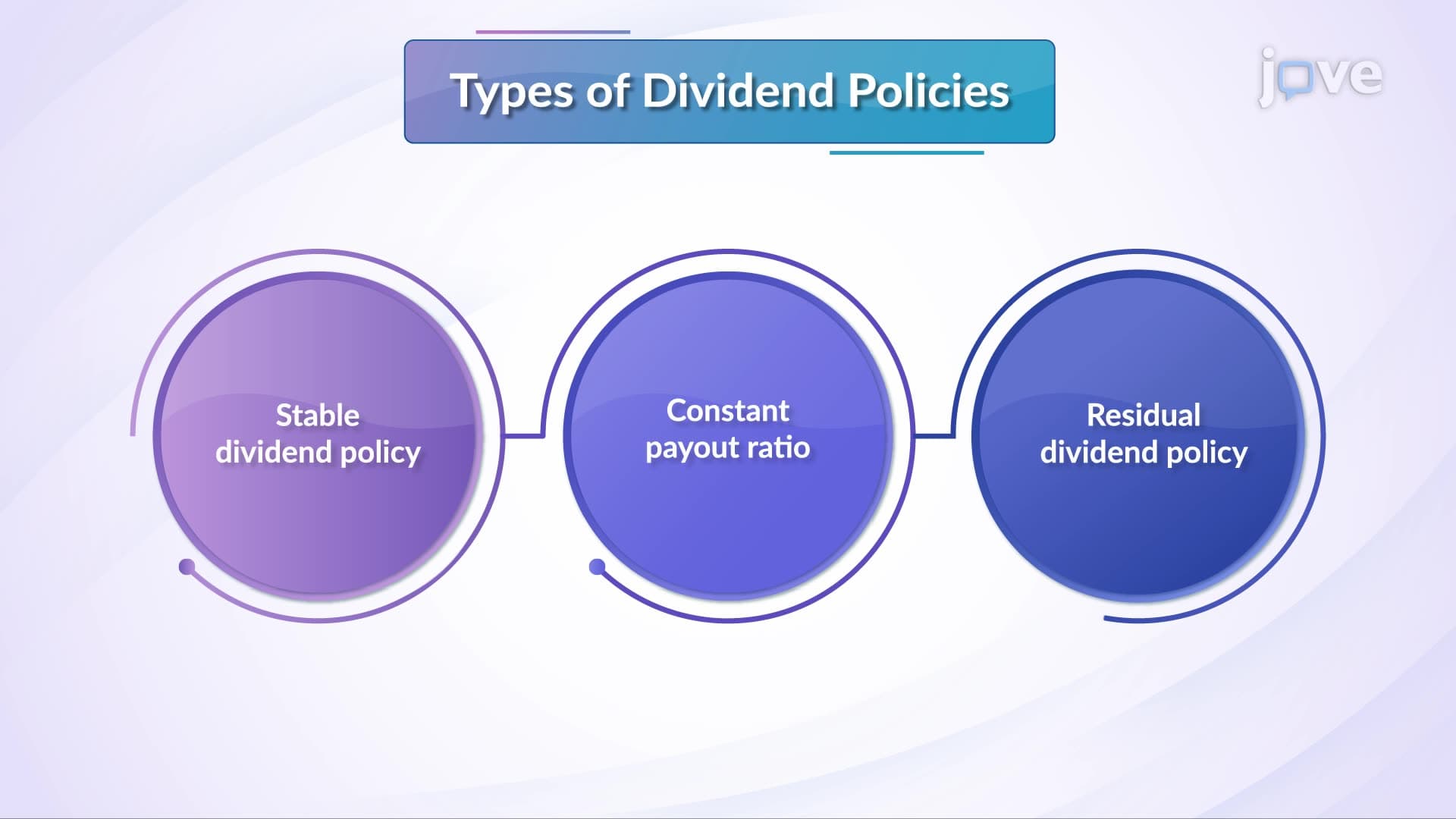
2. Dividend Policy Framework Development Analyze the three primary dividend policy approaches: stable dividend policy, constant payout ratio, and residual dividend policy. Explore how companies select the most appropriate framework based on their business model, growth trajectory, and industry dynamics. Study real-world applications from companies like Duke Energy's stable utility dividends versus technology firms' variable payout strategies. Learn to design policy frameworks that align with long-term strategic objectives while meeting short-term shareholder expectations.
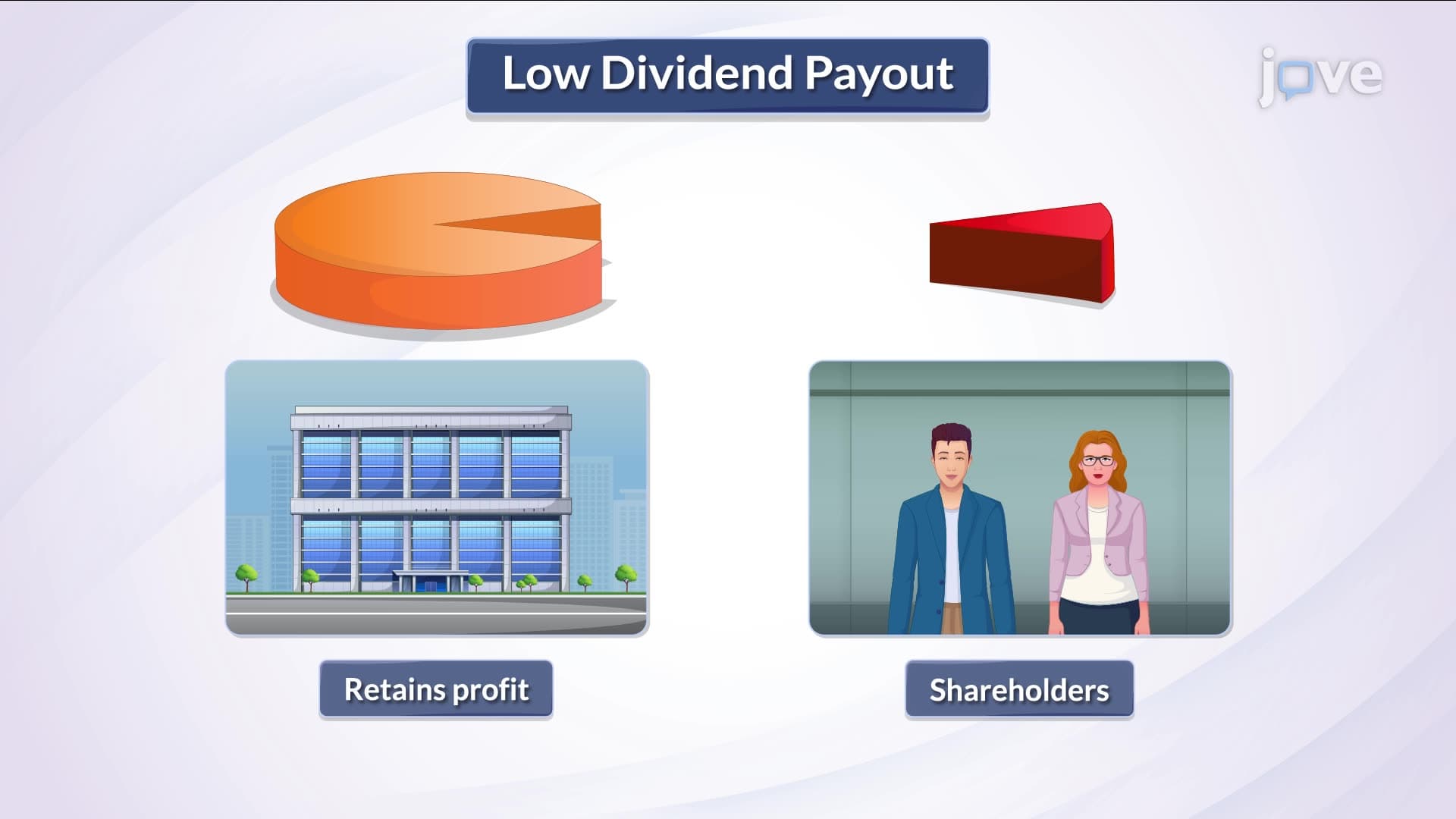
3. Low Dividend Payout Strategy for Growth Companies Examine the strategic rationale behind retaining earnings for reinvestment rather than distributing high dividends. Analyze how companies like Apple historically prioritized innovation funding over dividend payments during rapid growth phases. Understand the factors that support low payout strategies, including debt obligations, volatile earnings, and tax optimization considerations. Learn to communicate the value proposition of retained earnings to shareholders focused on long-term capital appreciation rather than immediate income.
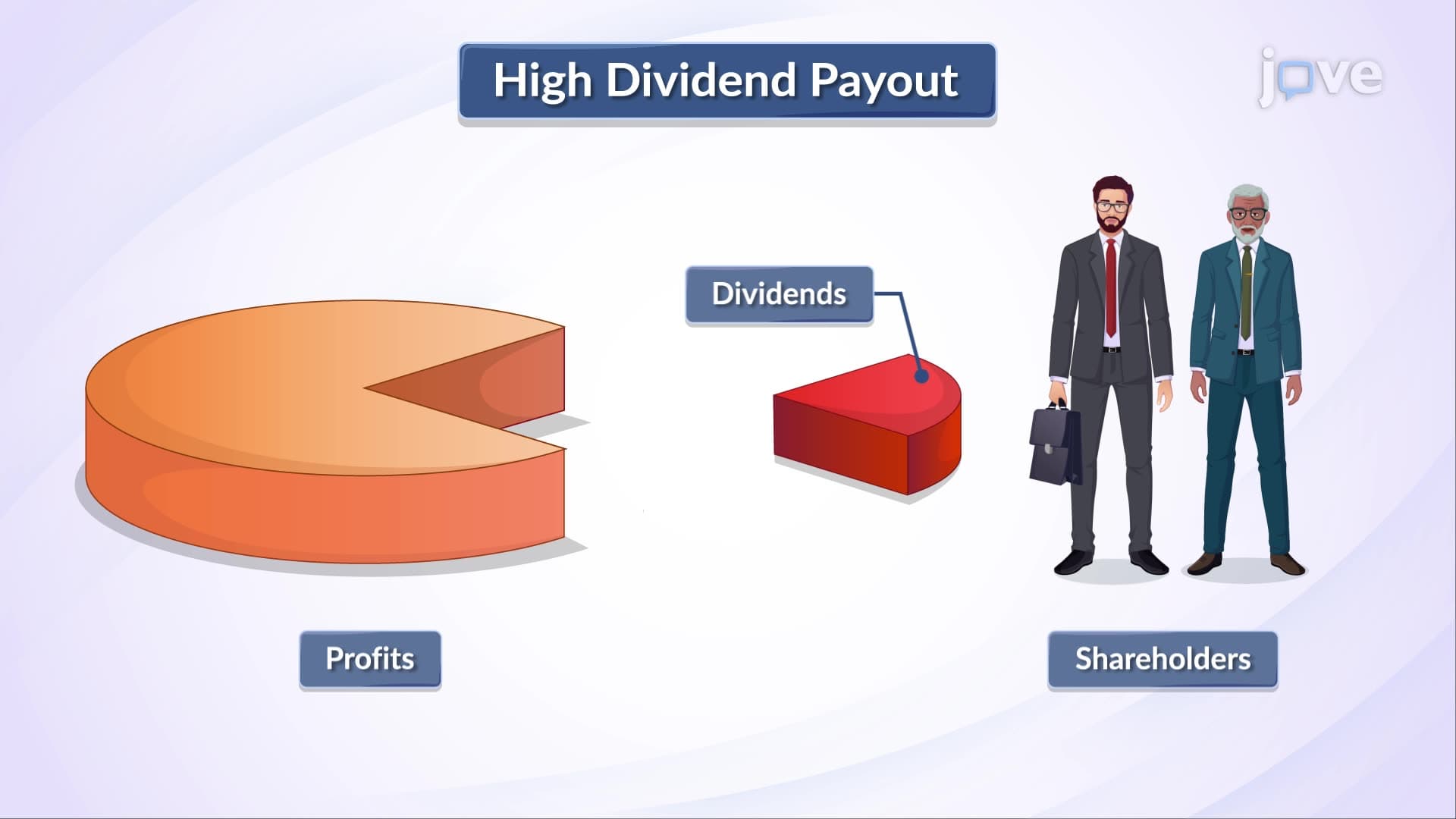
4. High Dividend Payout Policy for Mature Enterprises Explore how established companies with limited growth opportunities maximize shareholder value through substantial dividend distributions. Study examples from mature industries where companies like Procter & Gamble consistently return significant portions of earnings to shareholders. Analyze the characteristics of businesses that benefit from high payout policies, including stable cash flows, strong market positions, and excess capital generation capabilities that exceed profitable reinvestment opportunities.
5. Stock Repurchase Programs and Share Buybacks Understand how stock buybacks function as an alternative to cash dividends for returning capital to shareholders. Examine the mechanics of share repurchases and their impact on earnings per share, return on equity, and stock price performance. Study how companies signal confidence in their undervalued stock through strategic buyback programs. Learn to evaluate the optimal timing and structure of repurchase programs while considering market conditions, available cash, and alternative investment opportunities.
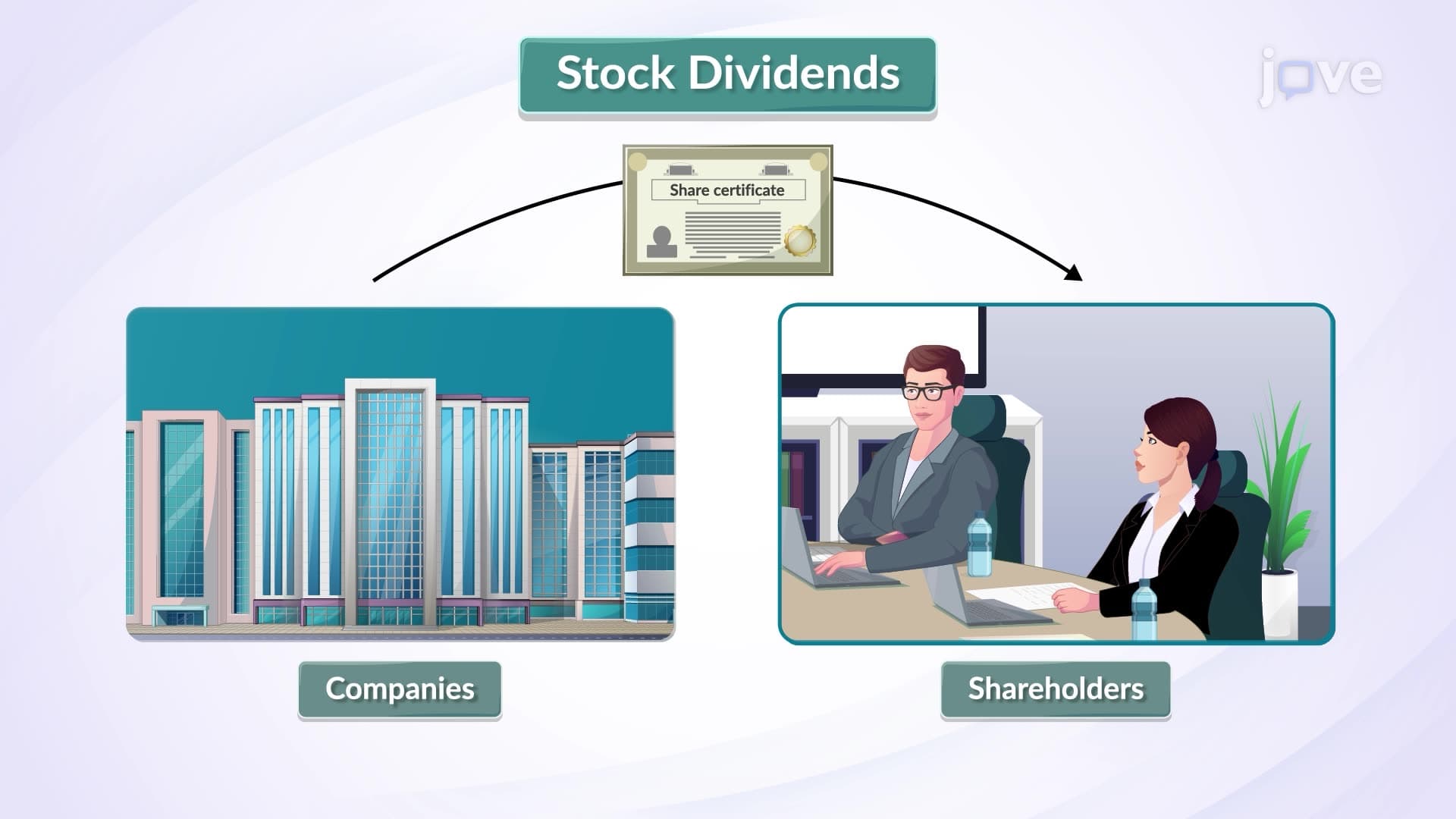
6. Stock Dividends and Stock Splits for Market Positioning Analyze non-cash distribution strategies that increase share count while maintaining proportional ownership. Examine how stock dividends allow companies to reward shareholders while preserving cash for operational needs and growth investments. Study stock split strategies used by high-performing companies to enhance trading liquidity and make shares more accessible to retail investors. Understand the market psychology and signaling effects associated with stock splits as indicators of management confidence and growth expectations.