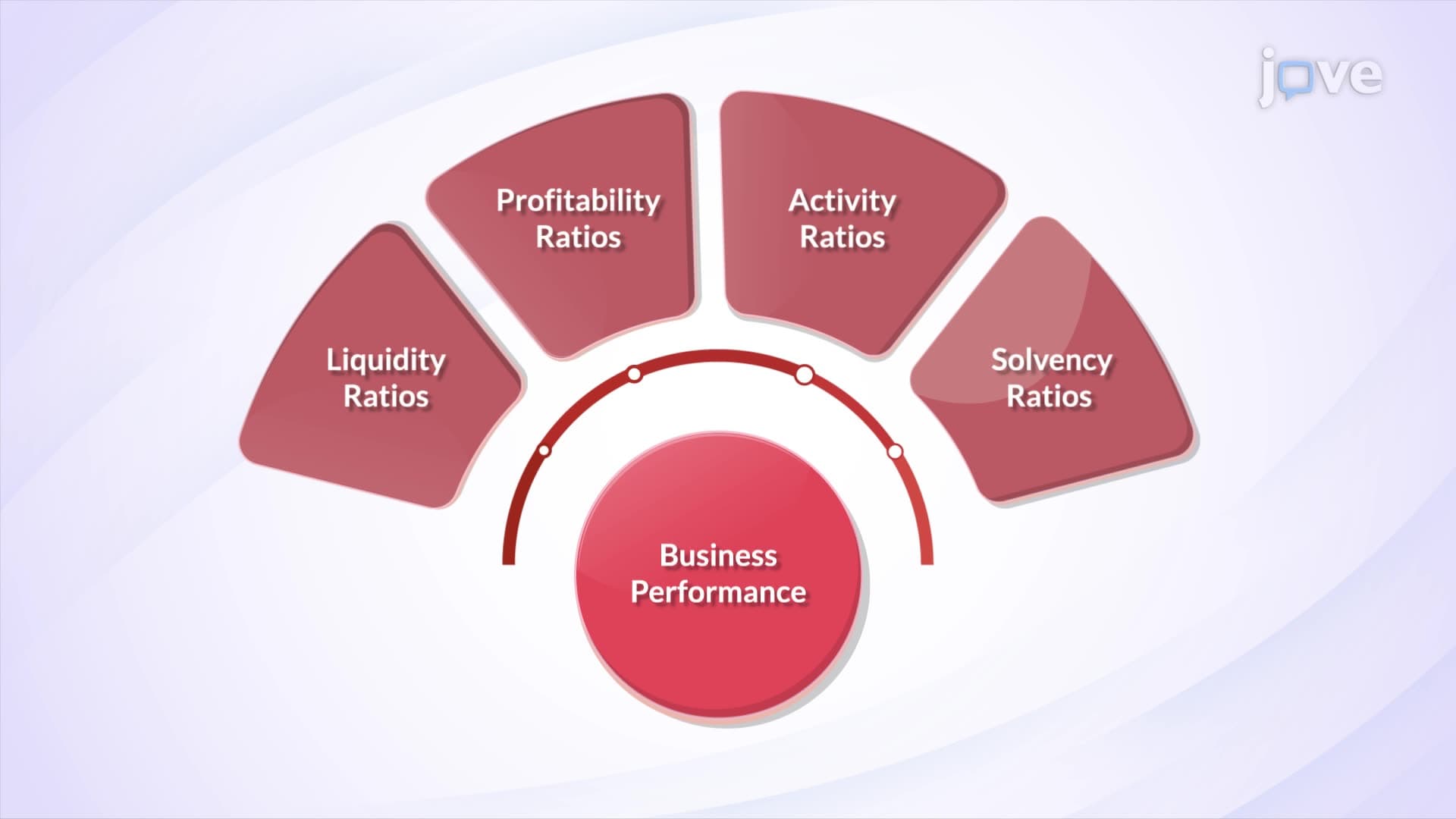
Financial ratio analysis provides working professionals with essential tools to evaluate business performance, assess financial health, and make data-driven decisions. This JoVE Coach micro-course covers liquidity, profitability, solvency, and activity ratios using real-world applications from companies like Apple, Amazon, and Tesla to help managers interpret financial statements and benchmark performance against industry standards.
Apply liquidity ratios to assess short-term financial stability and working capital management
Evaluate profitability metrics to measure operational efficiency and return on investment
Analyze solvency ratios to determine long-term debt capacity and financial leverage
Implement activity ratios to optimize asset utilization and operational performance
Leverage comparative analysis techniques to benchmark against industry competitors
Assess financial health using integrated ratio analysis for strategic decision-making
Apply ratio interpretation skills to vendor evaluation, investment decisions, and risk management
Analyze financial trends to forecast future performance and identify improvement opportunities
1. Understanding Financial Ratios and Their Business Applications
Learn the fundamental principles of financial ratios interpretation through practical examples from major US corporations. Master how companies like Microsoft and Walmart use ratio analysis to evaluate performance trends, compare against competitors, and make strategic decisions. Understand how ratios derived from income statements, balance sheets, and cash flow statements provide actionable insights for operational improvements, investment decisions, and risk assessment in corporate environments.
2. Liquidity Analysis for Short-Term Financial Health
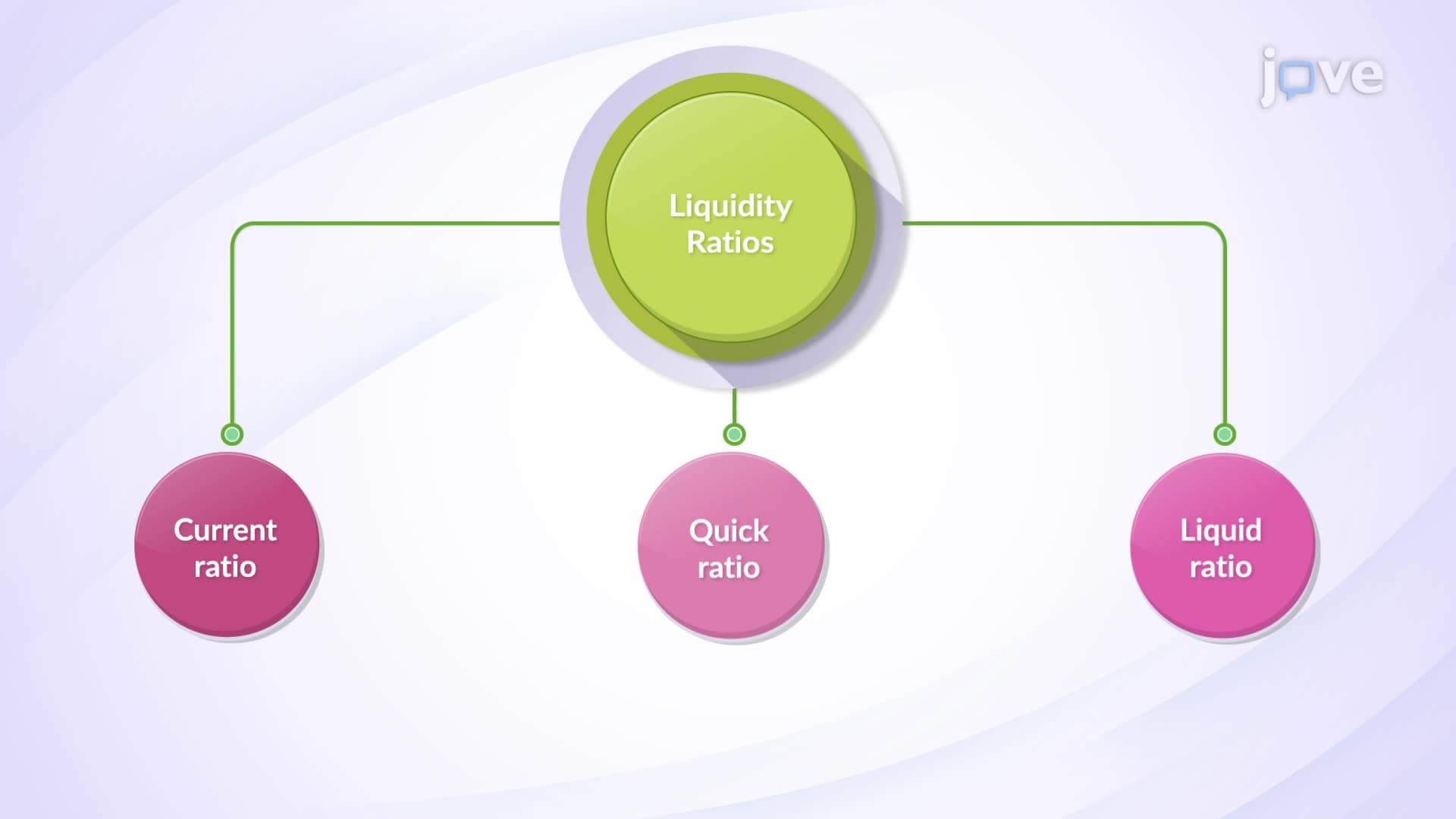
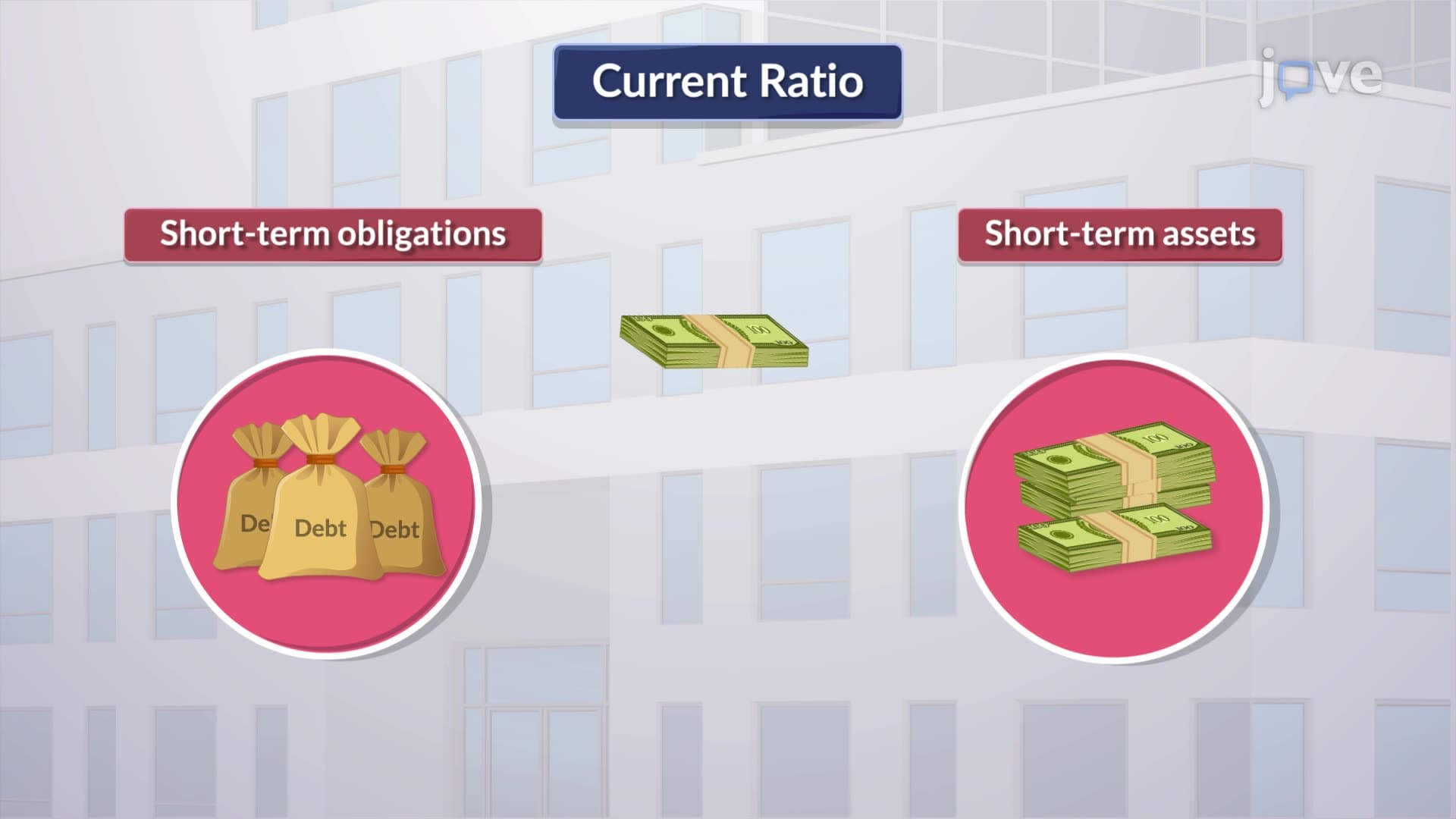
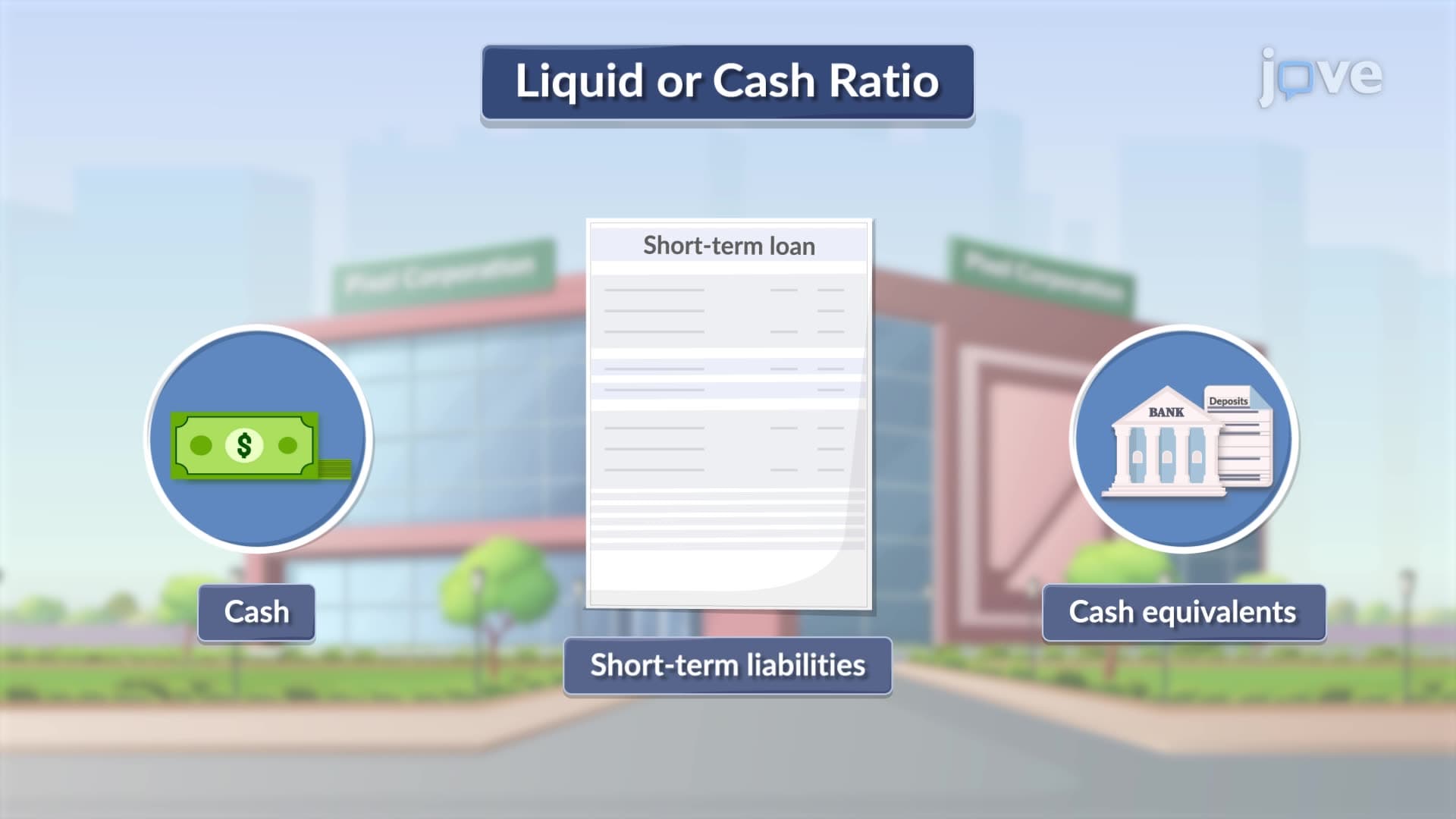
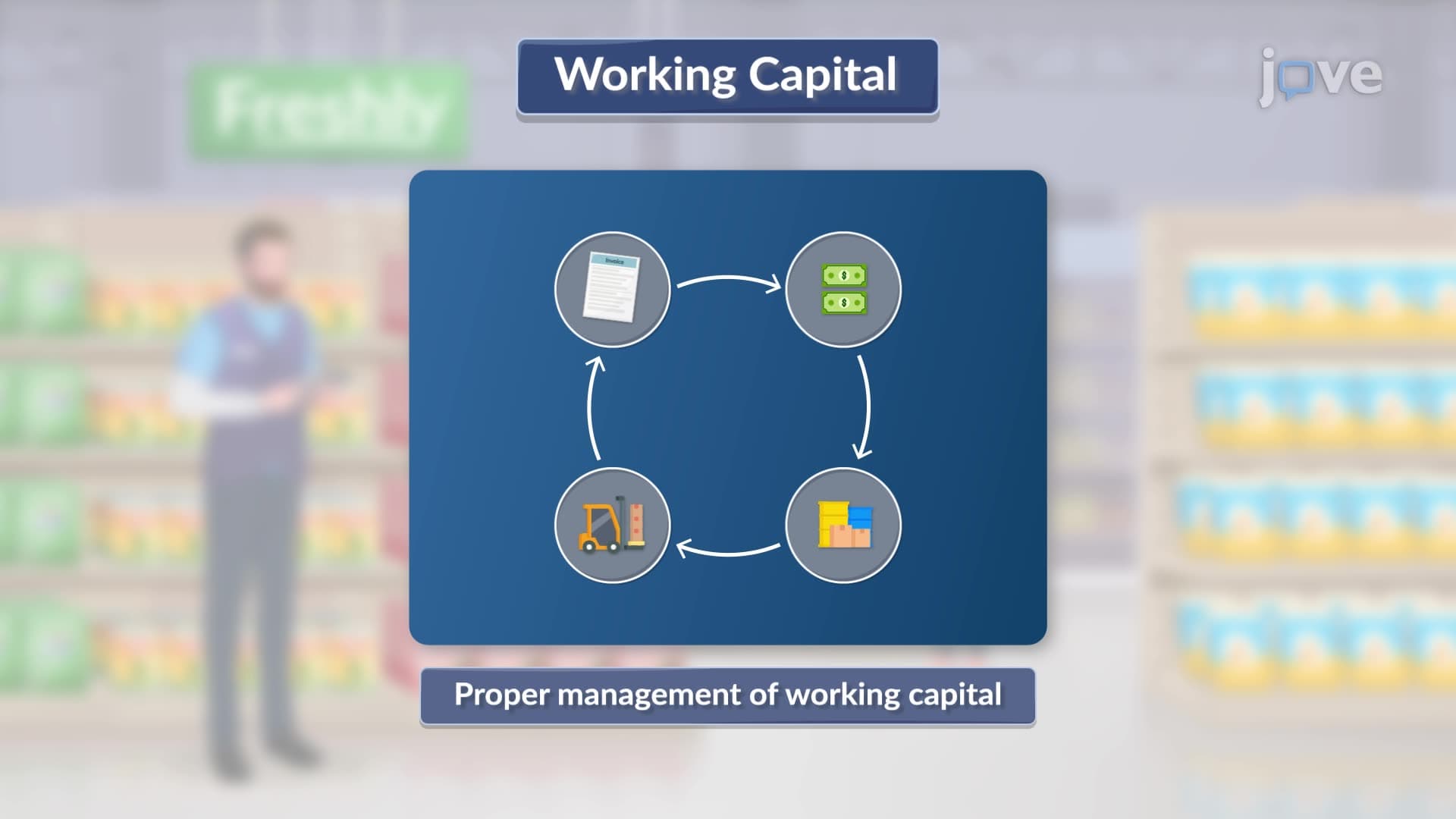
Explore current ratio, quick ratio, and cash ratio applications in real business scenarios. Discover how retailers like Target manage seasonal inventory fluctuations and how technology companies like Intel maintain adequate cash reserves. Learn to identify warning signs of liquidity problems and implement working capital optimization strategies that ensure smooth operations while maximizing efficiency in accounts receivable and inventory management.
3. Profitability Assessment and Performance Optimization
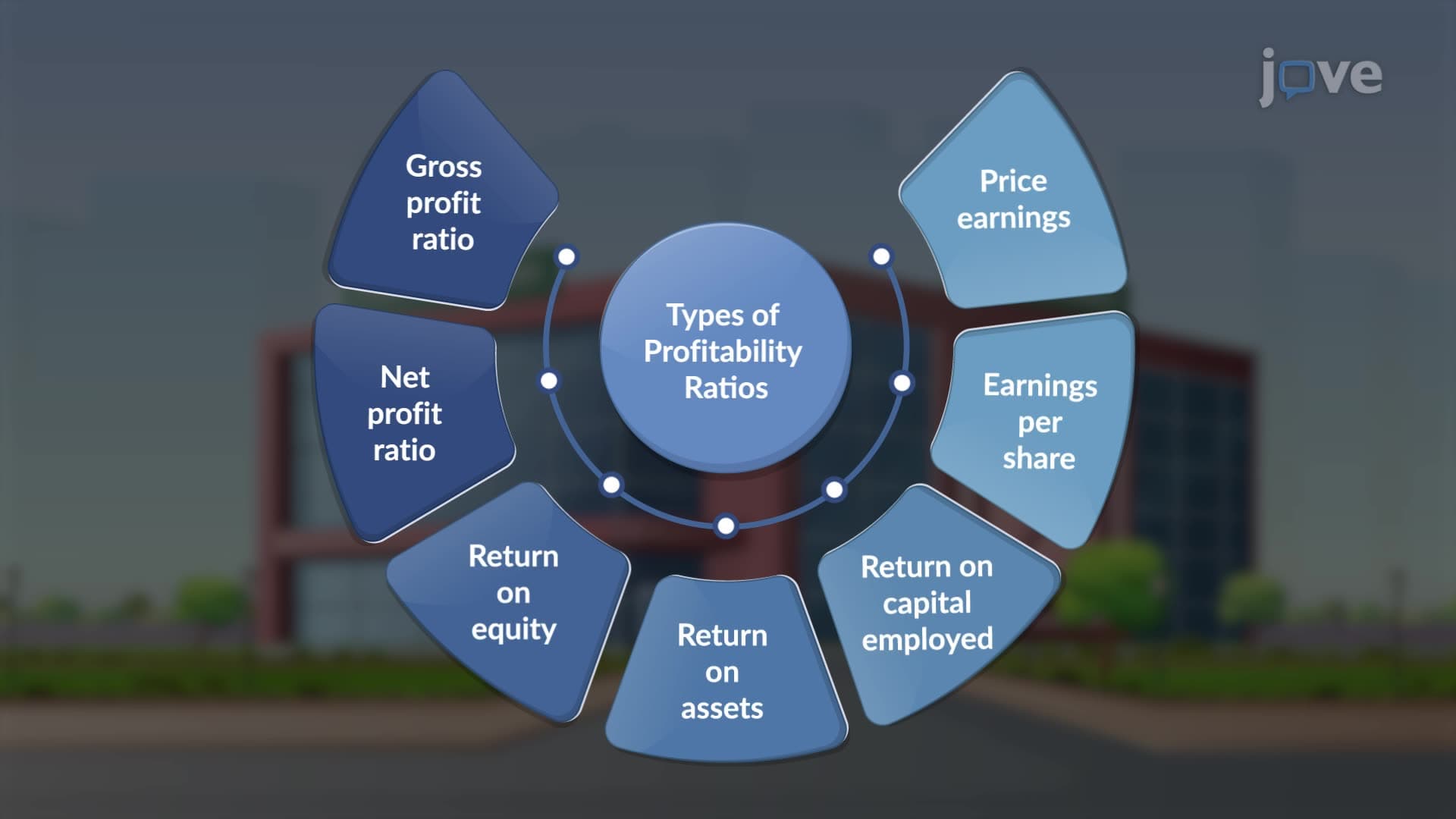
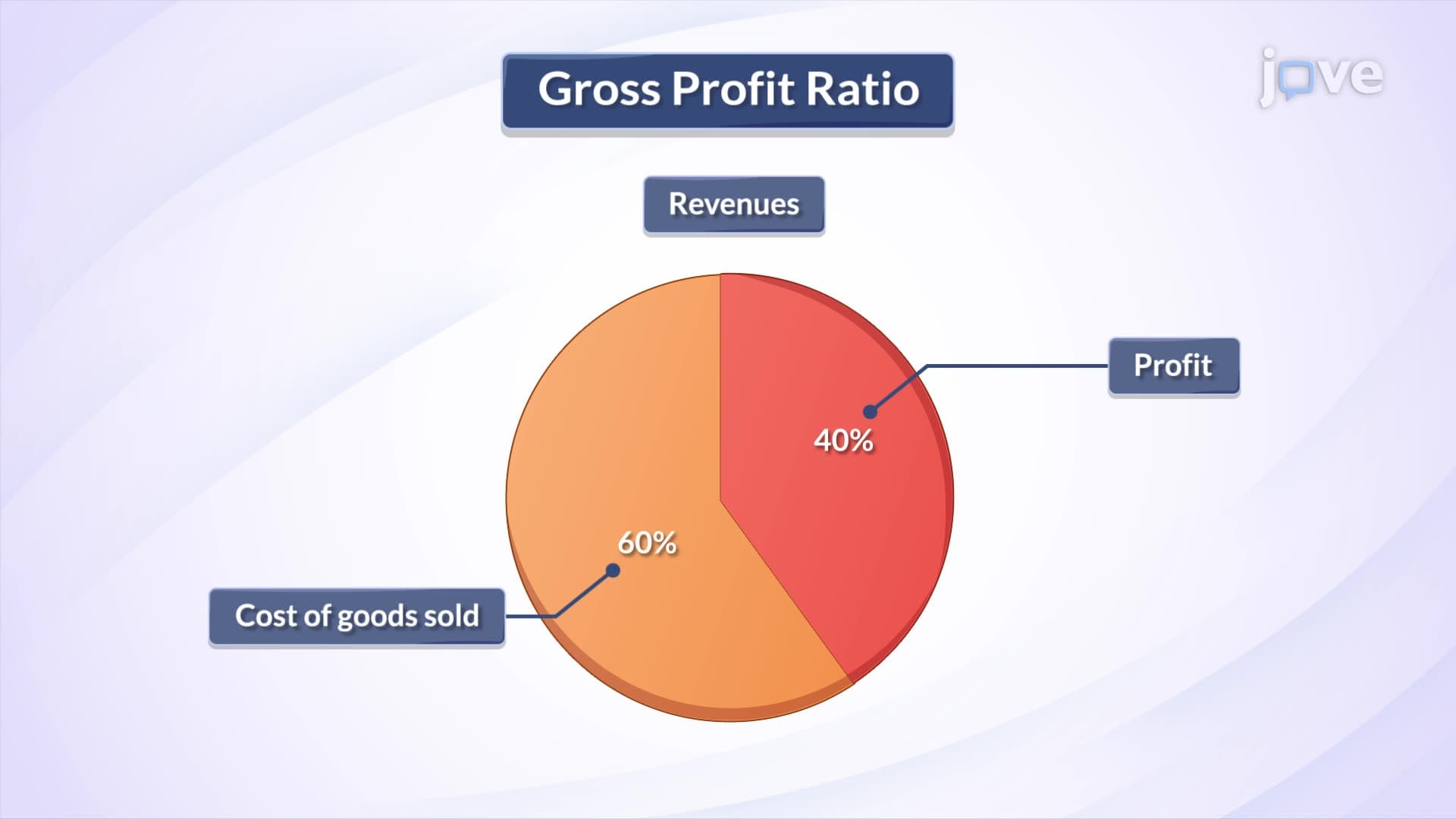
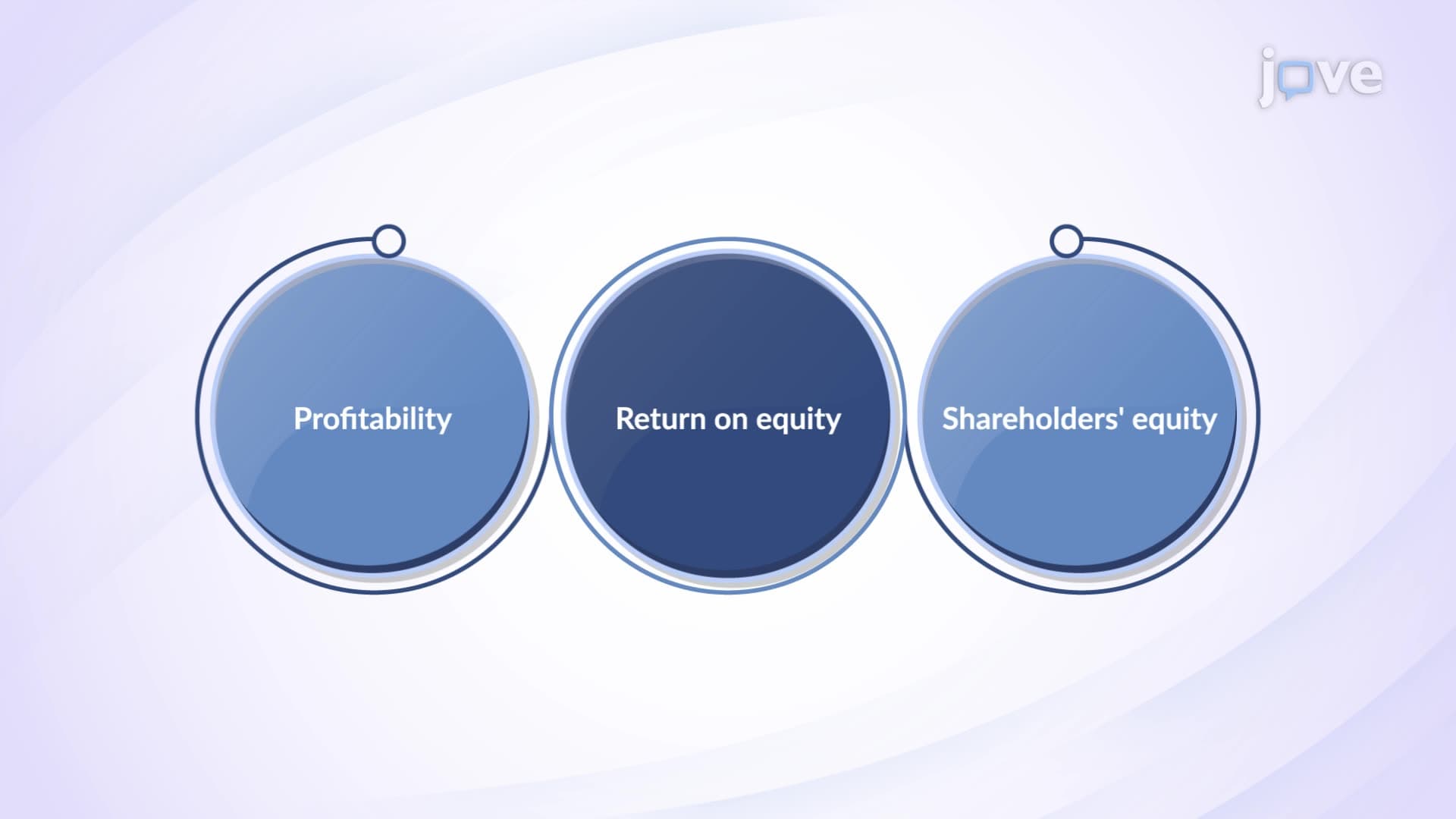
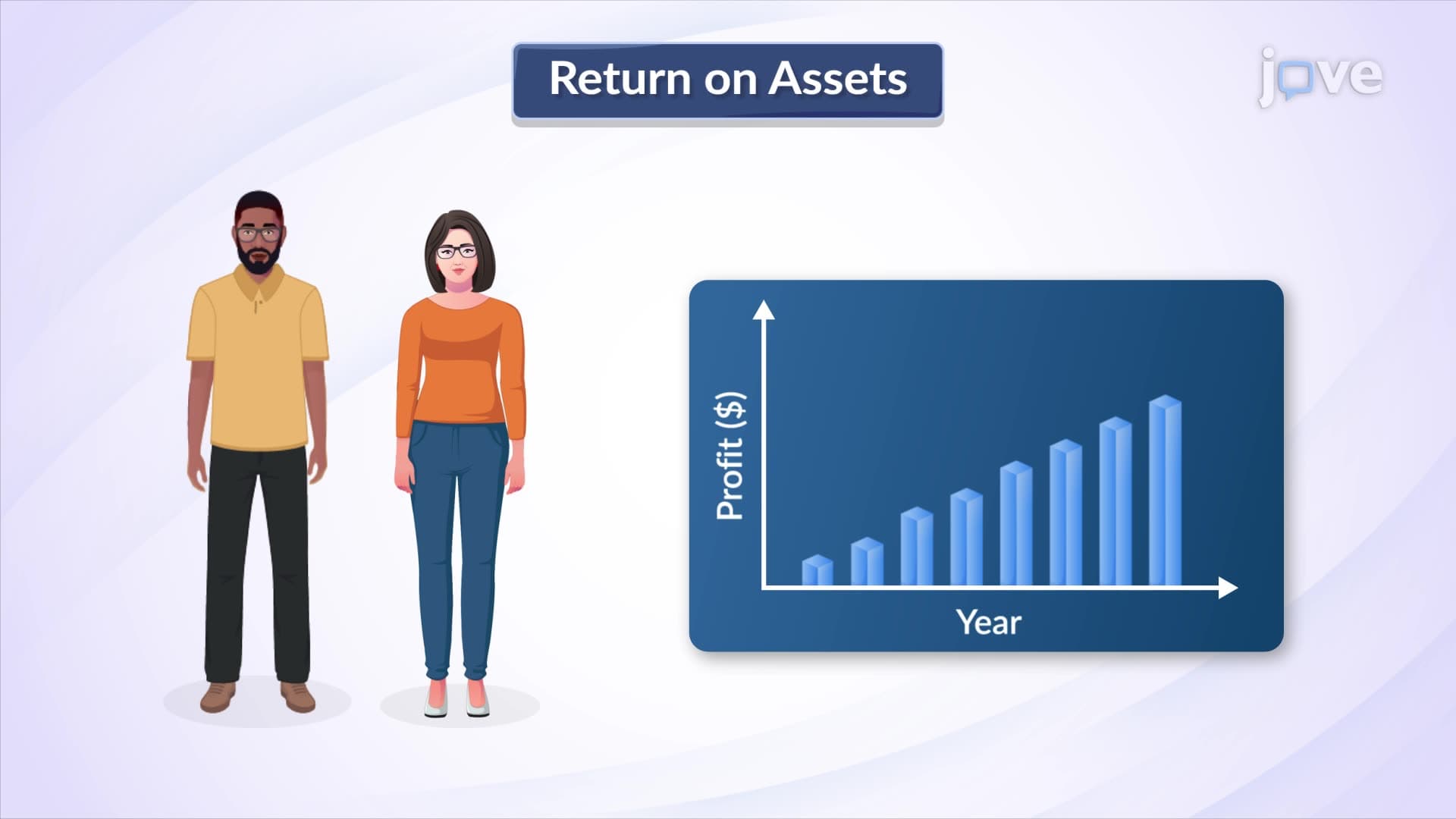
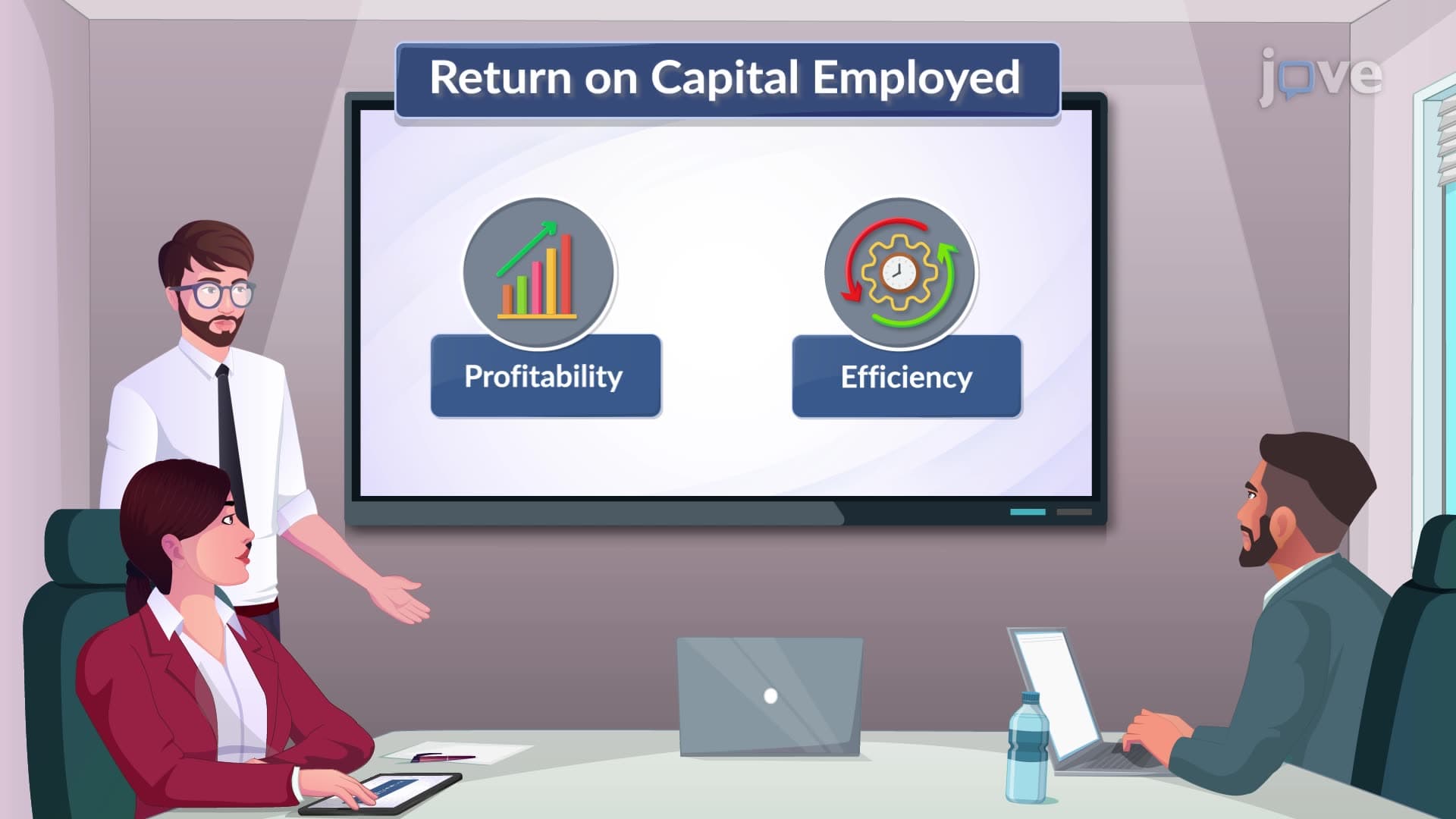
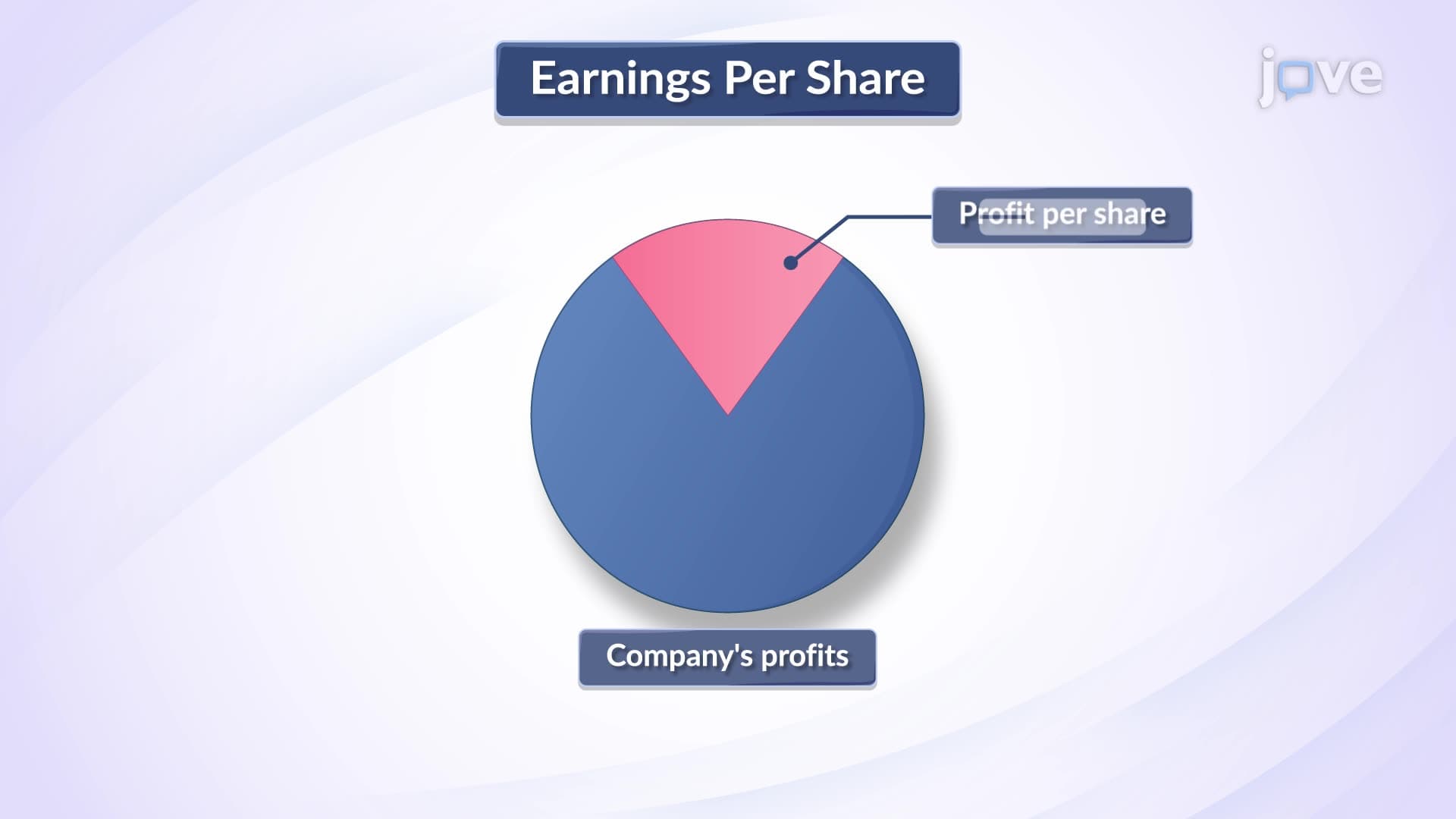
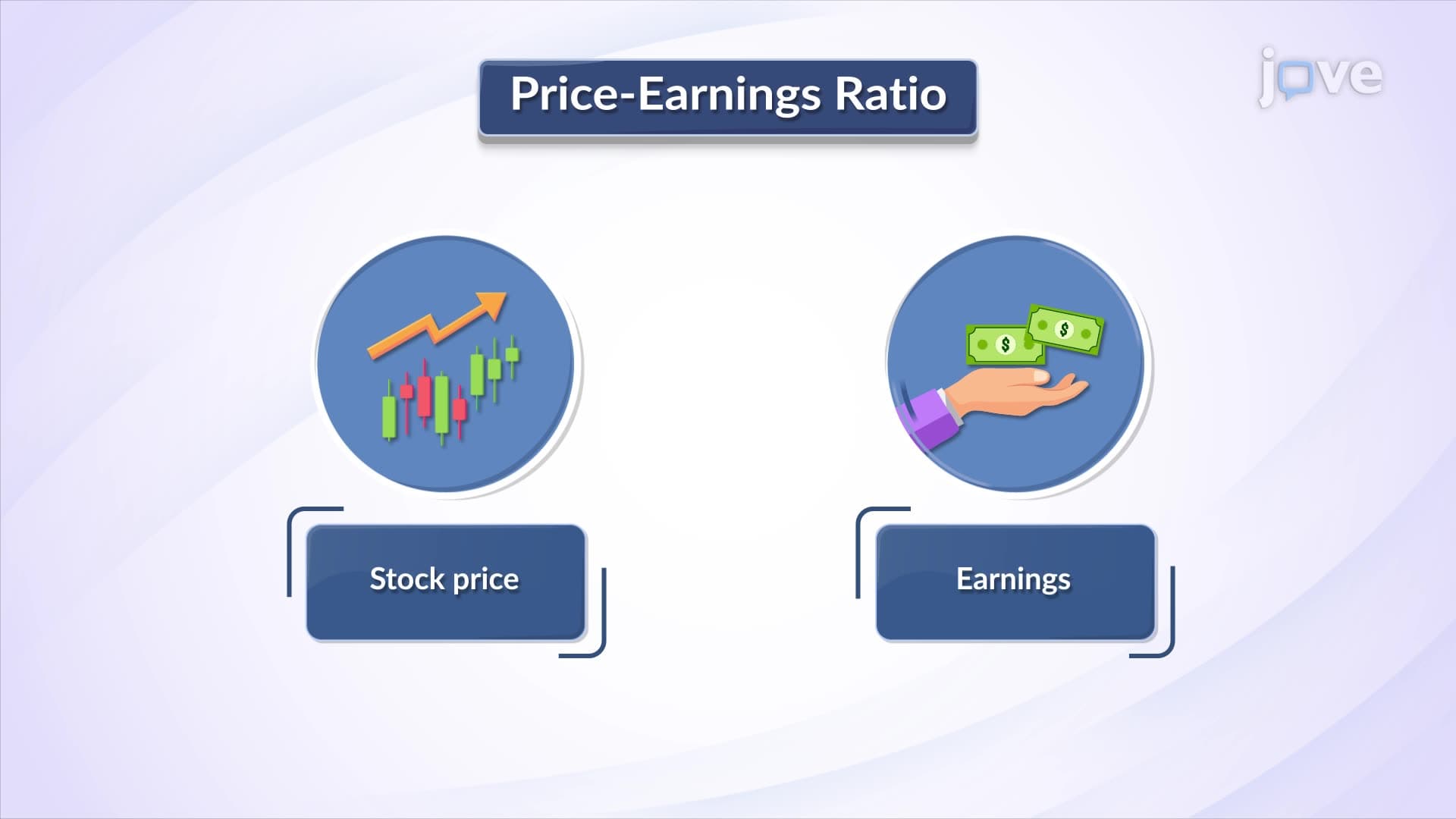
Master gross profit, net profit, return on equity, return on assets, and earnings per share calculations using examples from companies across industries. Analyze how Amazon's operational efficiency translates to profitability metrics and how Tesla's capital allocation affects return ratios. Understand price-earnings ratio implications for publicly traded companies and learn to identify opportunities for margin improvement and cost optimization.
4. Solvency Evaluation for Long-Term Financial Stability
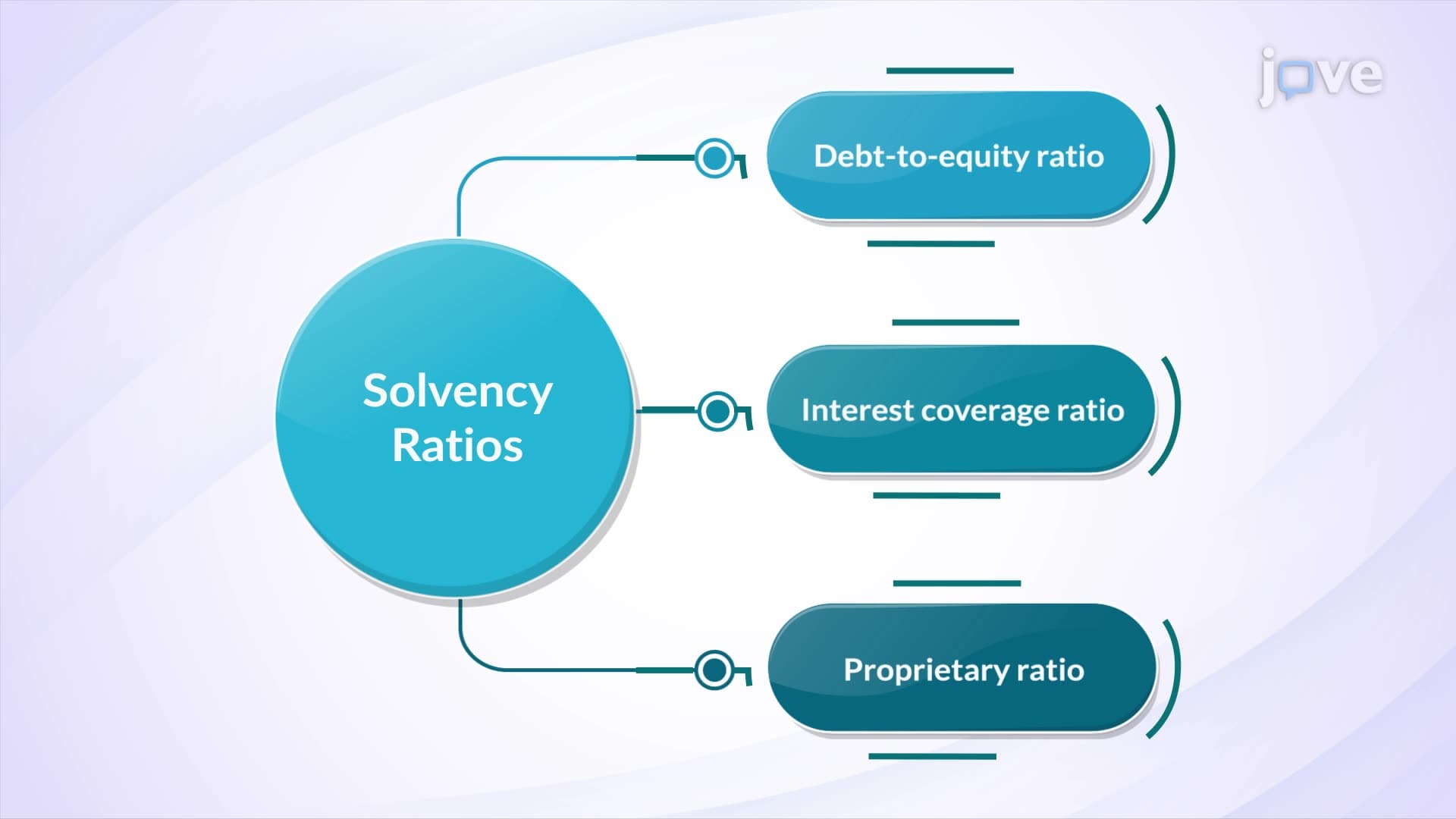
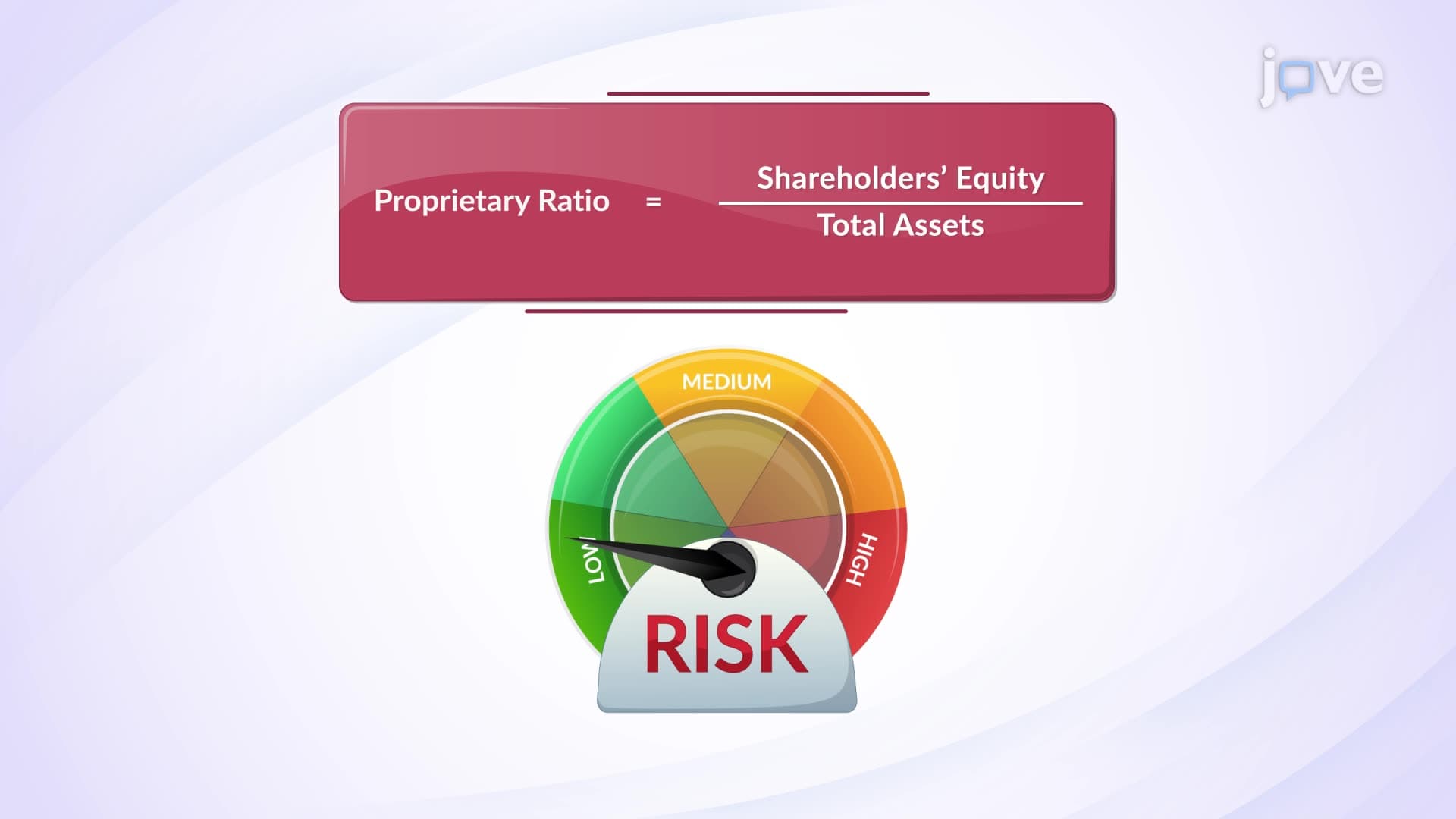
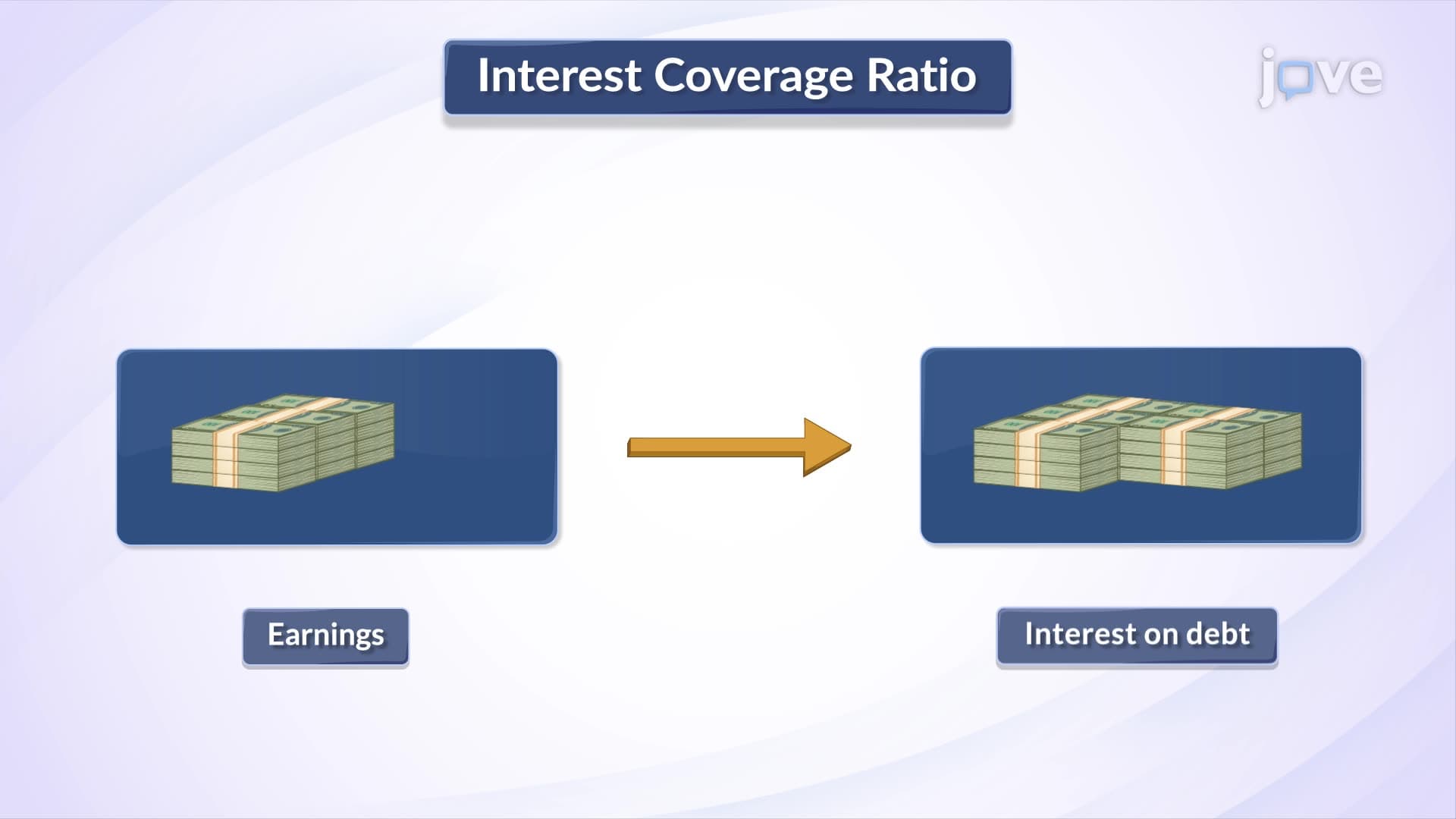
Examine debt-to-equity, proprietary ratio, and interest coverage ratios through case studies of established corporations. Learn how companies like General Electric manage capital structure decisions and how energy companies navigate debt obligations during market volatility. Master techniques for assessing creditworthiness, evaluating acquisition targets, and making informed financing decisions that support sustainable growth while maintaining financial flexibility.
5. Activity Ratios for Operational Efficiency Analysis
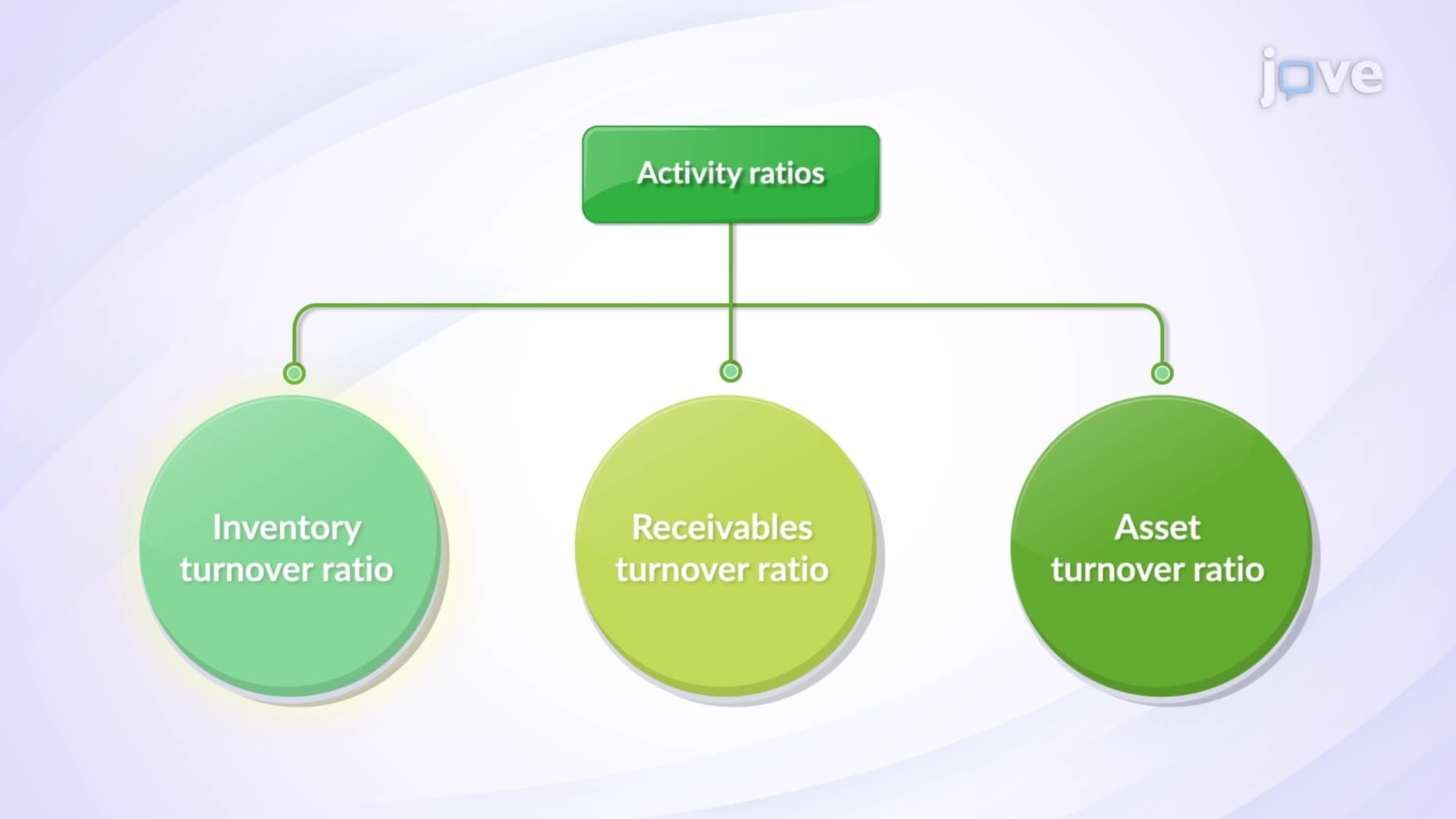
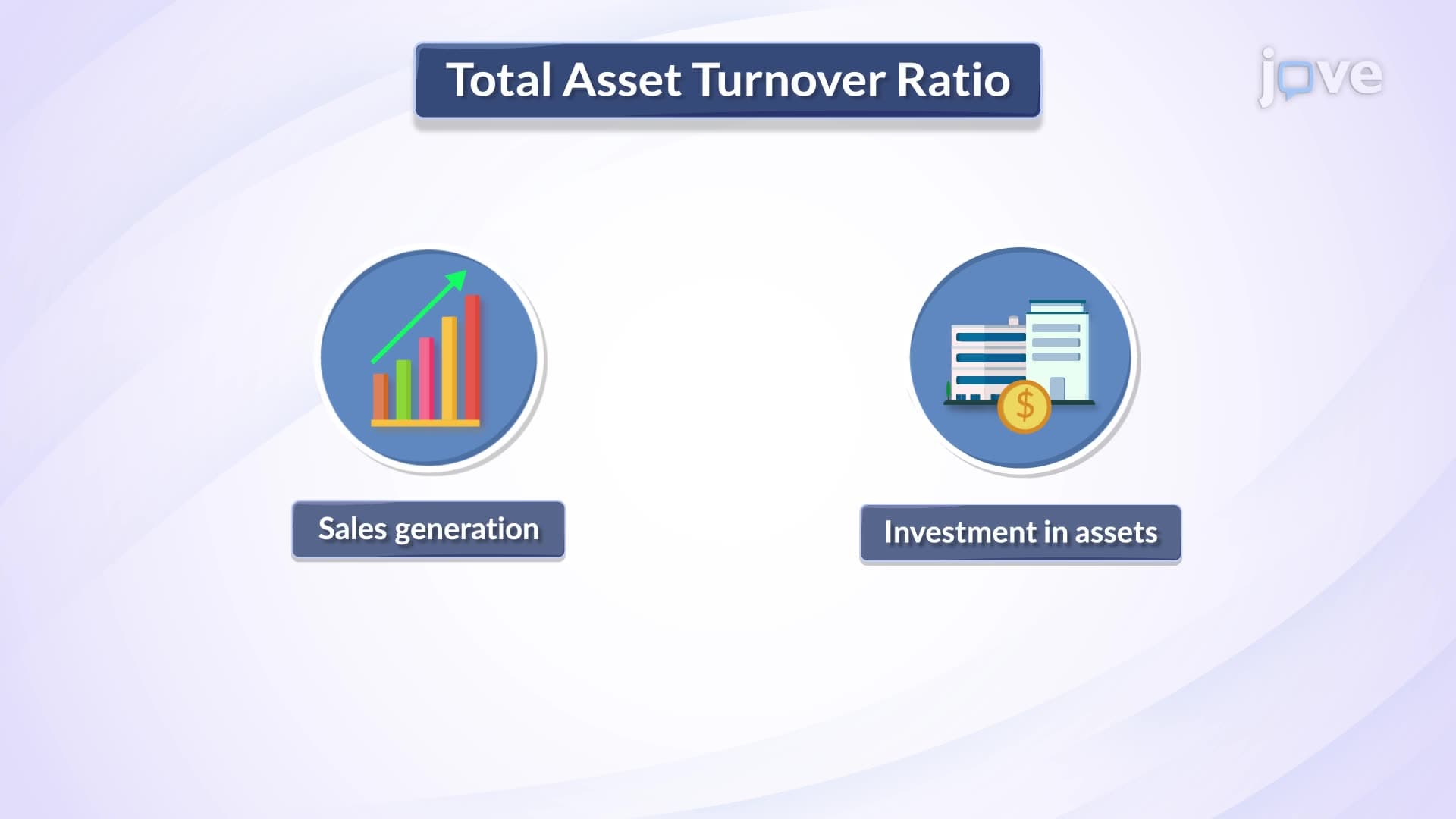
Analyze total asset turnover, fixed asset turnover, inventory turnover, and accounts receivable turnover using real-world business examples. Study how manufacturing companies like Ford optimize asset utilization and how service companies maximize revenue per asset dollar. Learn to identify operational bottlenecks, improve supply chain efficiency, and benchmark performance against industry leaders to drive continuous improvement initiatives.
Frequently Asked Questions
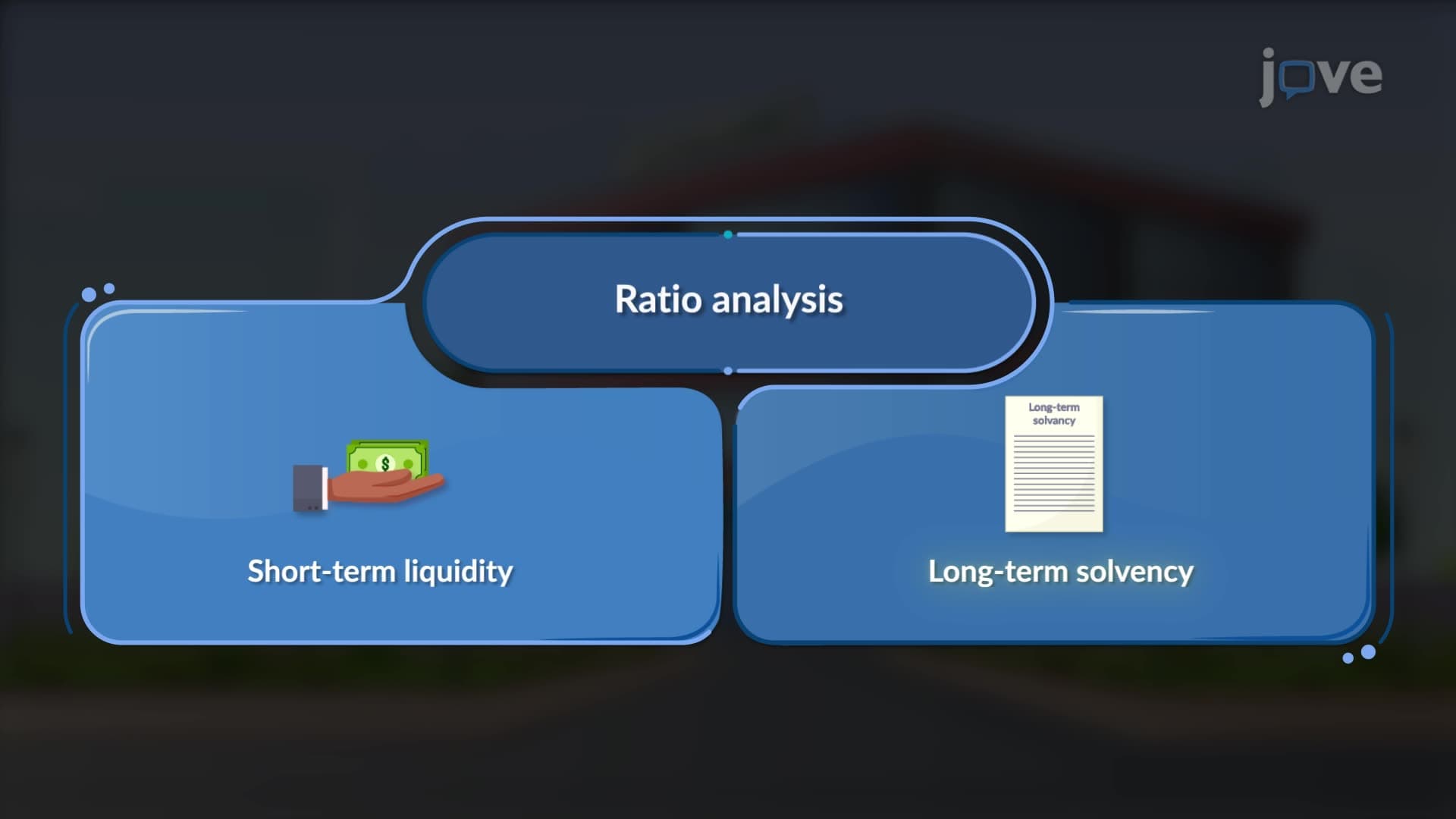
Liquidity ratios measure your company's ability to meet immediate obligations using current assets, while solvency ratios evaluate long-term debt capacity. For example, a retail company needs strong liquidity ratios during holiday seasons for inventory purchases, while solvency ratios matter more for major expansion financing decisions.
Focus on percentage-based ratios like net profit margin and return on assets rather than absolute dollar amounts. A small regional manufacturer with 15% net margins may outperform a large corporation with 8% margins, indicating better operational efficiency and management effectiveness regardless of company size.
Emphasize current ratio and quick ratio for short-term reliability, debt-to-equity ratio for financial stability, and interest coverage ratio for long-term viability. These ratios help assess whether partners can fulfill contractual obligations and maintain business continuity throughout your relationship.
Monitor inventory turnover to optimize stock levels, accounts receivable turnover to improve collection processes, and asset turnover to maximize revenue generation. Low ratios indicate inefficiencies-for instance, slow inventory turnover suggests overstocking or weak sales, requiring adjusted purchasing strategies or enhanced marketing efforts.
Benchmark against industry averages rather than universal standards. Technology companies typically maintain higher current ratios than manufacturing firms, while service businesses often show superior asset turnover ratios. Use industry publications and competitor analysis to establish relevant performance targets for your specific sector.
Perform monthly analysis for operational ratios like current ratio and inventory turnover, quarterly reviews for profitability metrics, and annual comprehensive analysis for solvency and strategic ratios. This frequency enables timely course corrections while supporting both tactical decisions and long-term strategic planning initiatives.
Absolutely. Proficiency in ratio analysis demonstrates analytical thinking, business acumen, and decision-making skills highly valued by employers. These competencies are essential for roles in finance, operations, consulting, and general management, providing a foundation for strategic leadership positions and cross-functional business responsibilities.
Ratios reflect historical performance and may not predict future results, especially during market disruptions. They don't capture qualitative factors like management quality, market position, or competitive advantages. Always combine ratio analysis with industry research, market trends, and strategic context for comprehensive business evaluation.
This microcourse includes 28 concept videos that walk you through the building blocks of Finance. Each video is short, about 1 minute, so you can cover a full topic during a coffee break or between classes. The full sequence starts with Meaning of Ratios and ends with Activity Ratios: Accounts Payable Turnover Ratio.