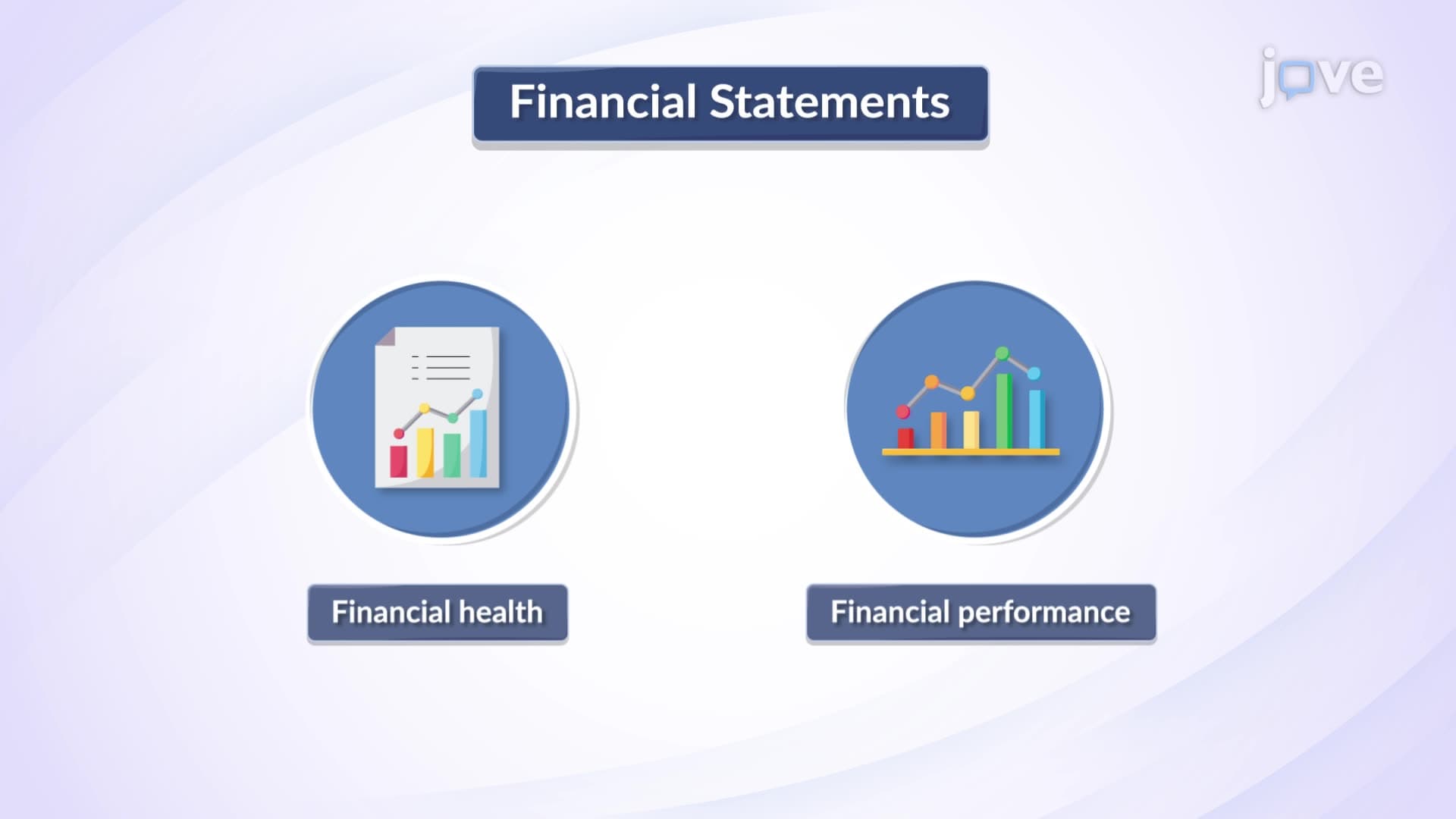
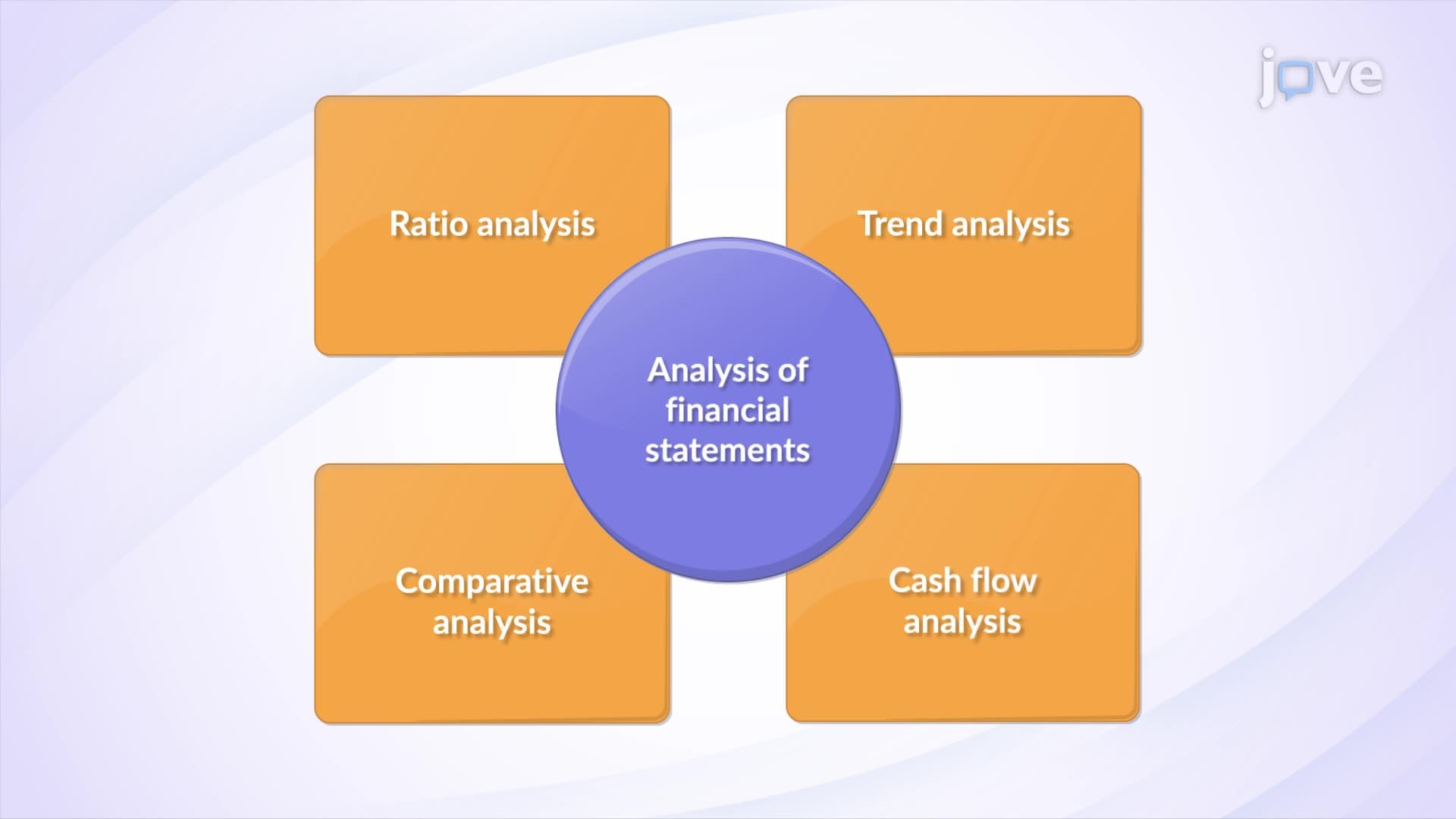
Analysis of financial statements enables professionals to decode the financial health of any organization through systematic examination of balance sheets, income statements, and cash flow statements. JoVE Coach delivers practical financial statement interpretation techniques using real-world scenarios from companies like Ford, Walmart, and Caterpillar, empowering working professionals to make data-driven business decisions with confidence.
Apply ratio analysis techniques to evaluate company performance against industry benchmarks
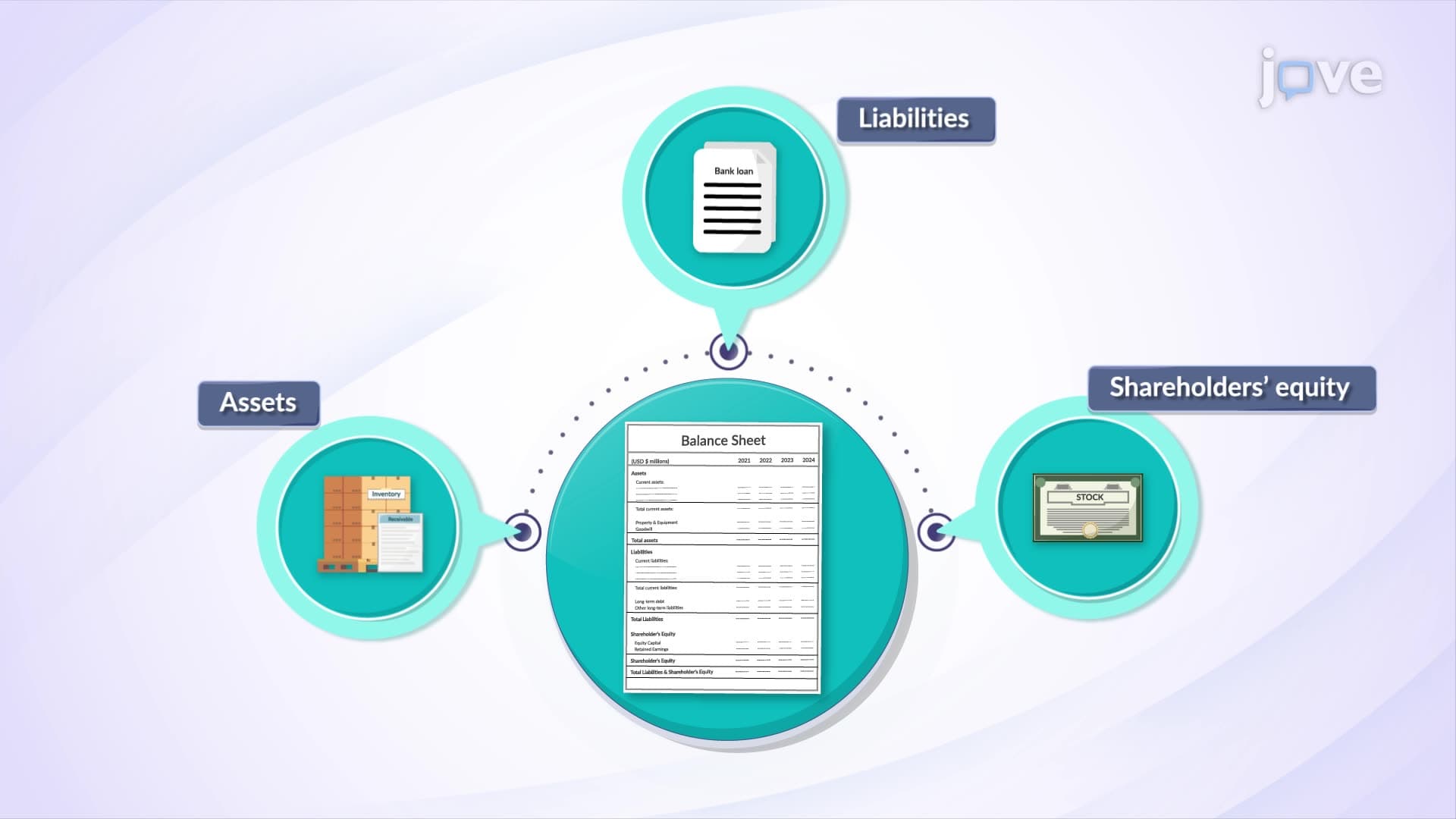
Analyze balance sheet components to assess asset utilization and capital structure efficiency
Evaluate income statement trends to identify profitability patterns and operational effectiveness
Implement cash flow analysis to determine liquidity positions and financial sustainability
Assess depreciation methods to understand their impact on asset valuation and financial reporting
Leverage comparative analysis frameworks to benchmark performance against competitors
Apply trend analysis methodologies to forecast future financial performance
Analyze working capital management to optimize operational cash flows
1. Financial Statement Fundamentals and Structure
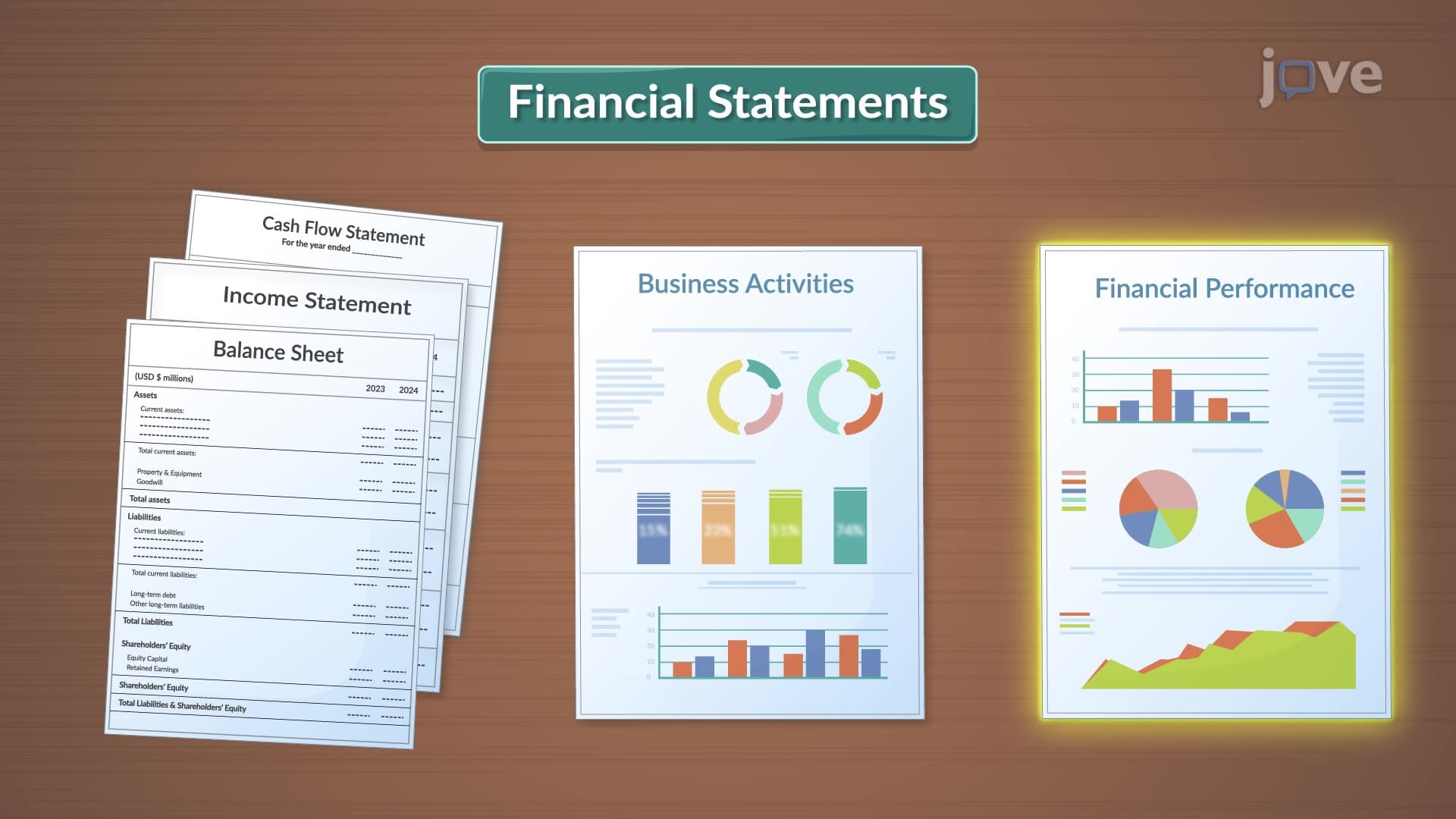
Master the core components of balance sheets, income statements, and cash flow statements through practical examples from major US corporations. Learn how Ford's balance sheet reveals asset composition and financing strategies, while understanding how these statements interconnect to provide comprehensive business insights. Develop proficiency in reading and interpreting standard financial reporting formats used across American enterprises.
2. Balance Sheet Analysis and Asset Management
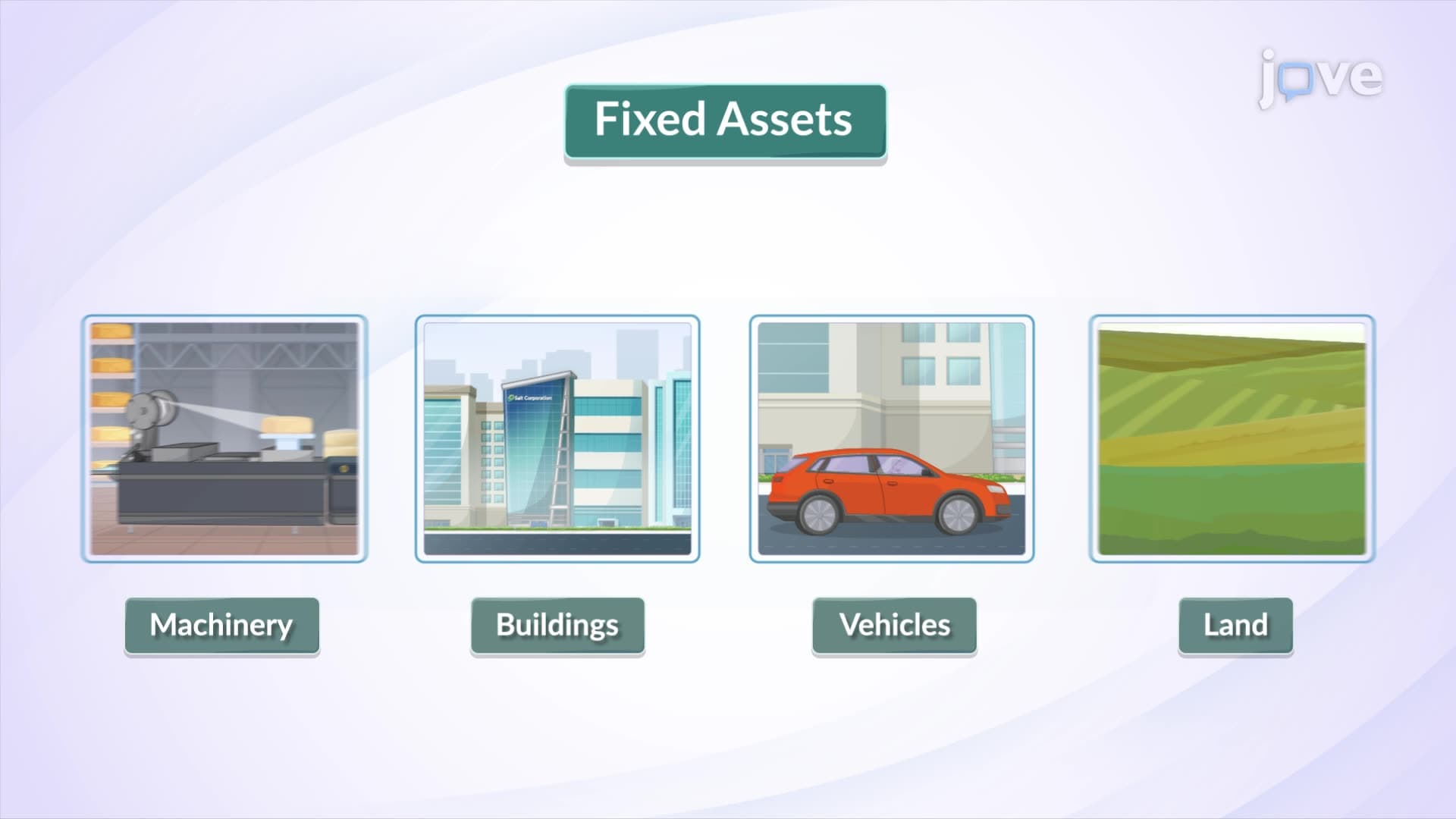
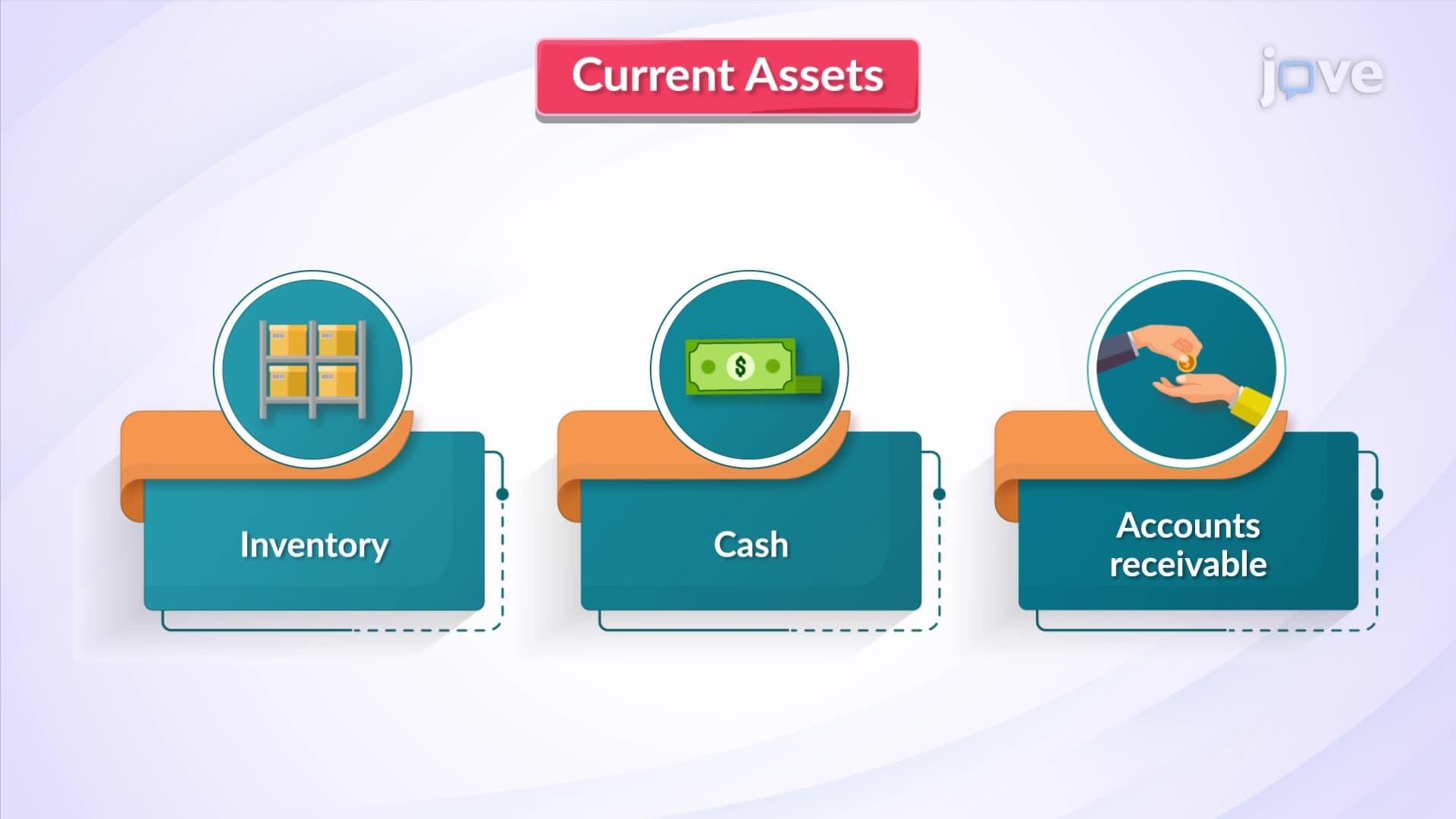
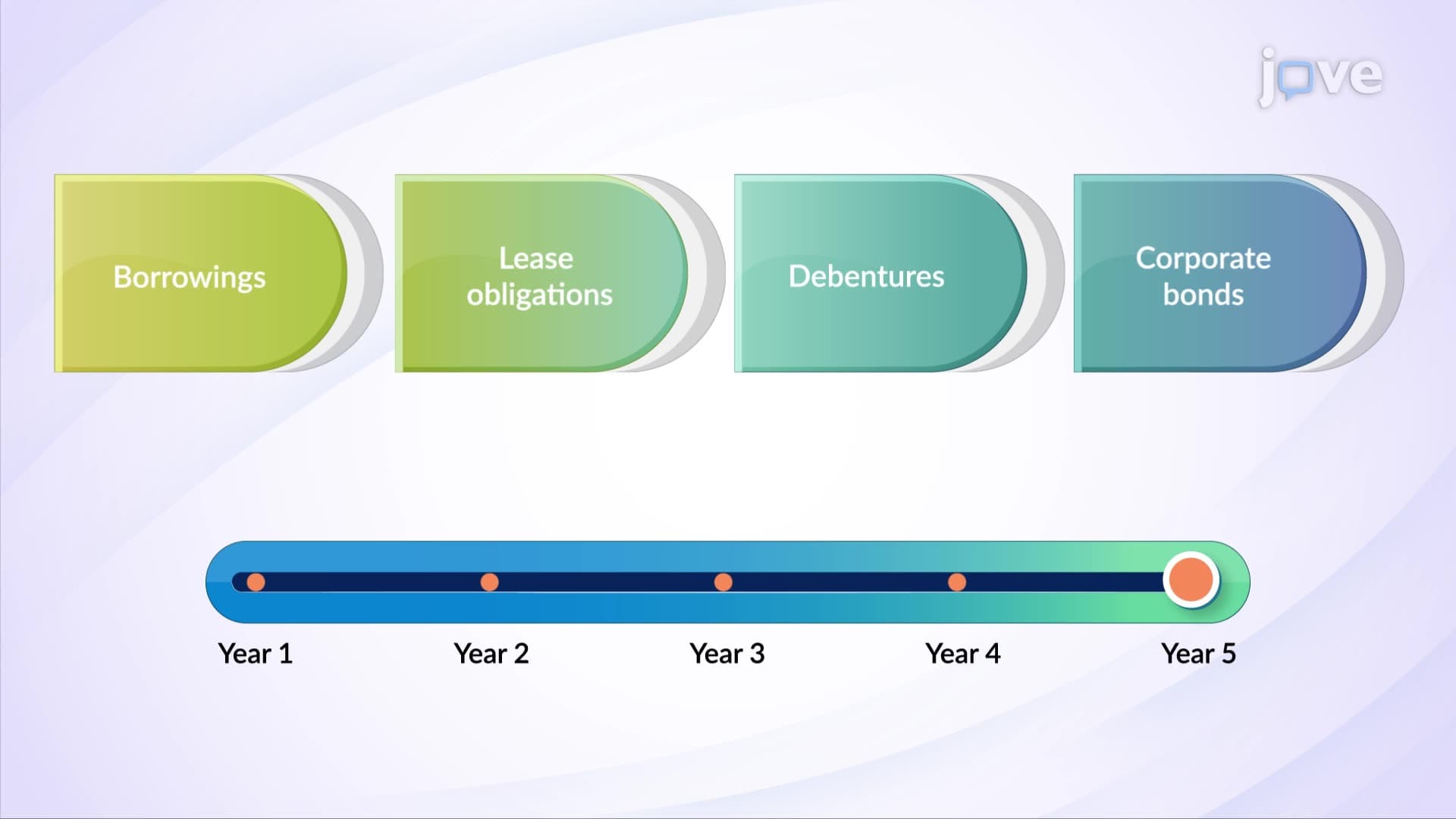
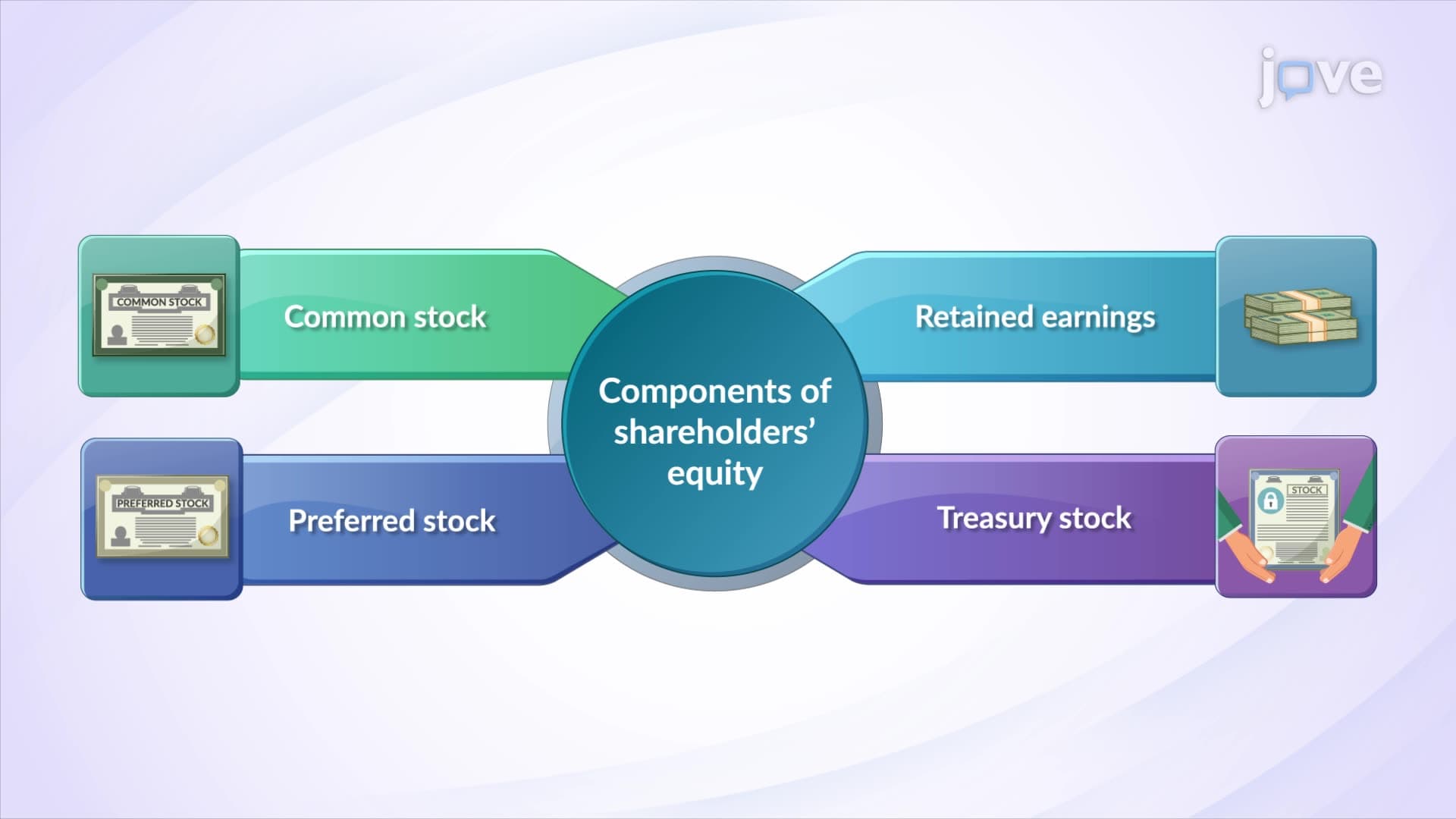
Examine fixed and current assets, liabilities, and shareholders' equity to assess financial position. Understand how companies like Caterpillar structure their asset portfolios, manage inventory levels, and optimize working capital. Learn to evaluate debt-to-equity ratios, current ratios, and other key metrics that indicate financial stability and operational efficiency in professional settings.
3. Depreciation Methods and Asset Valuation
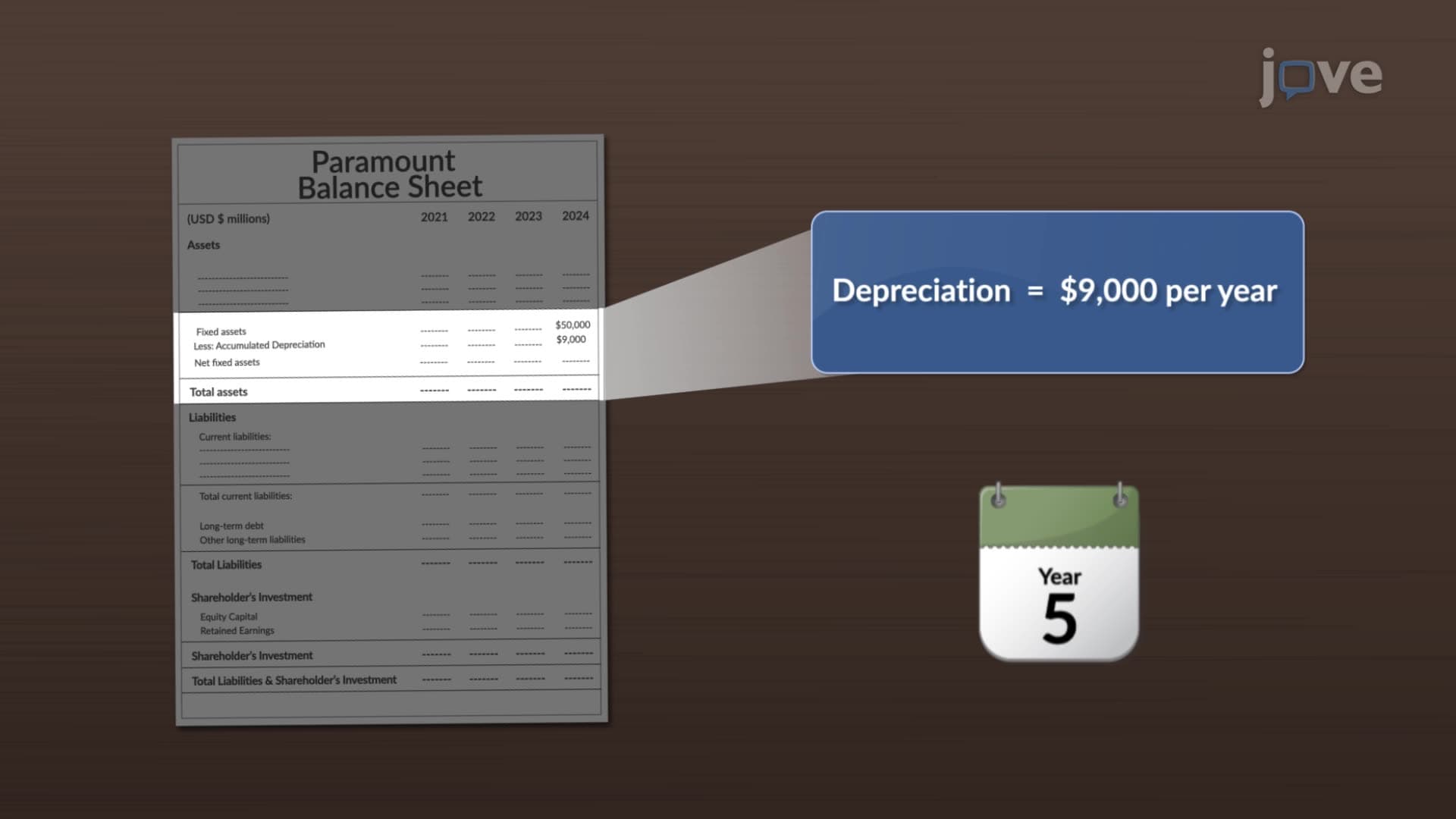
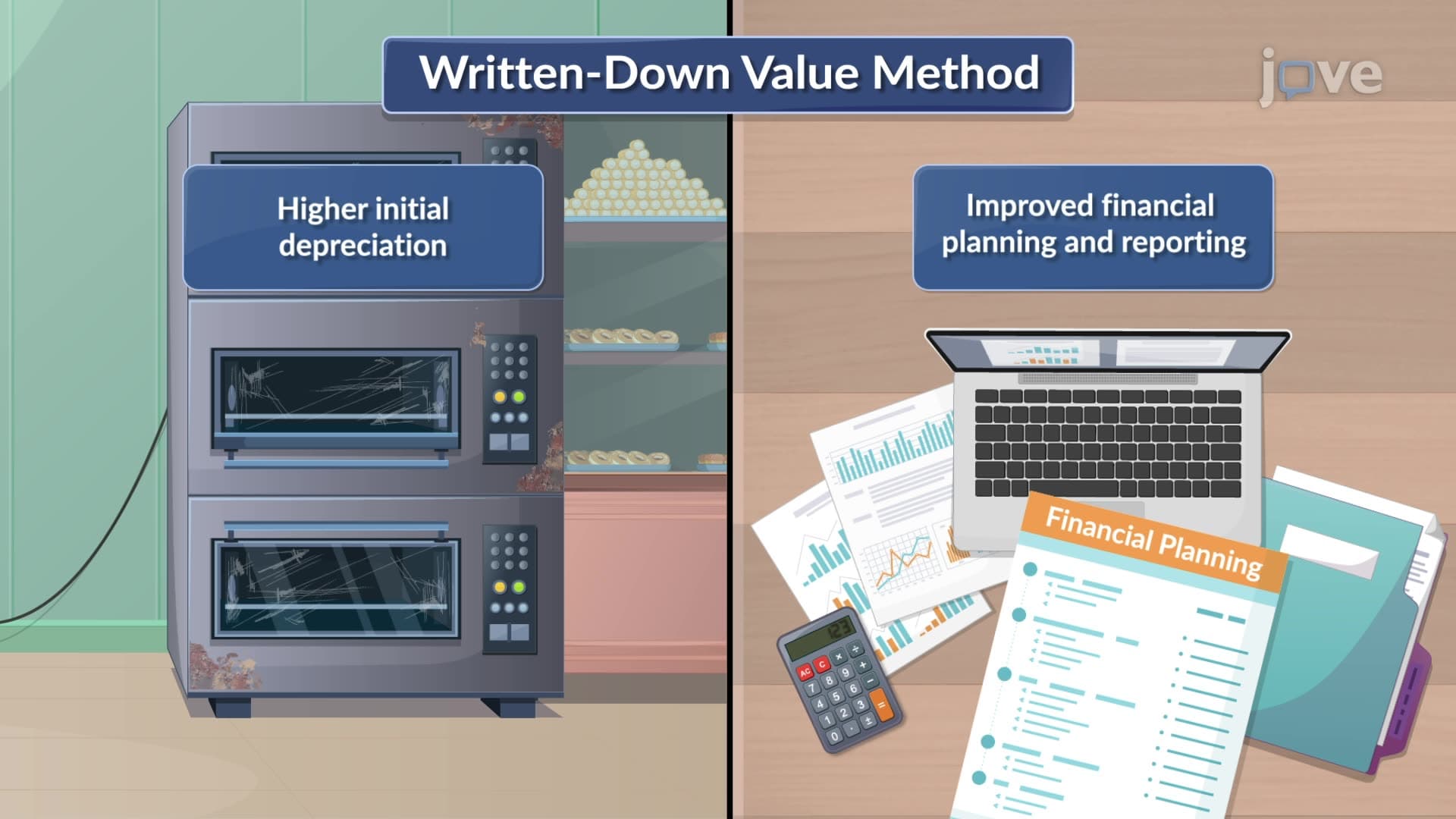
Compare straight-line, declining balance, and units of production depreciation methods to understand their impact on financial statements. Analyze how different depreciation strategies affect reported earnings, tax obligations, and asset valuations. Apply this knowledge to evaluate equipment investments and understand how companies manage long-term asset costs in their financial reporting.
4. Income Statement Evaluation and Profitability Analysis
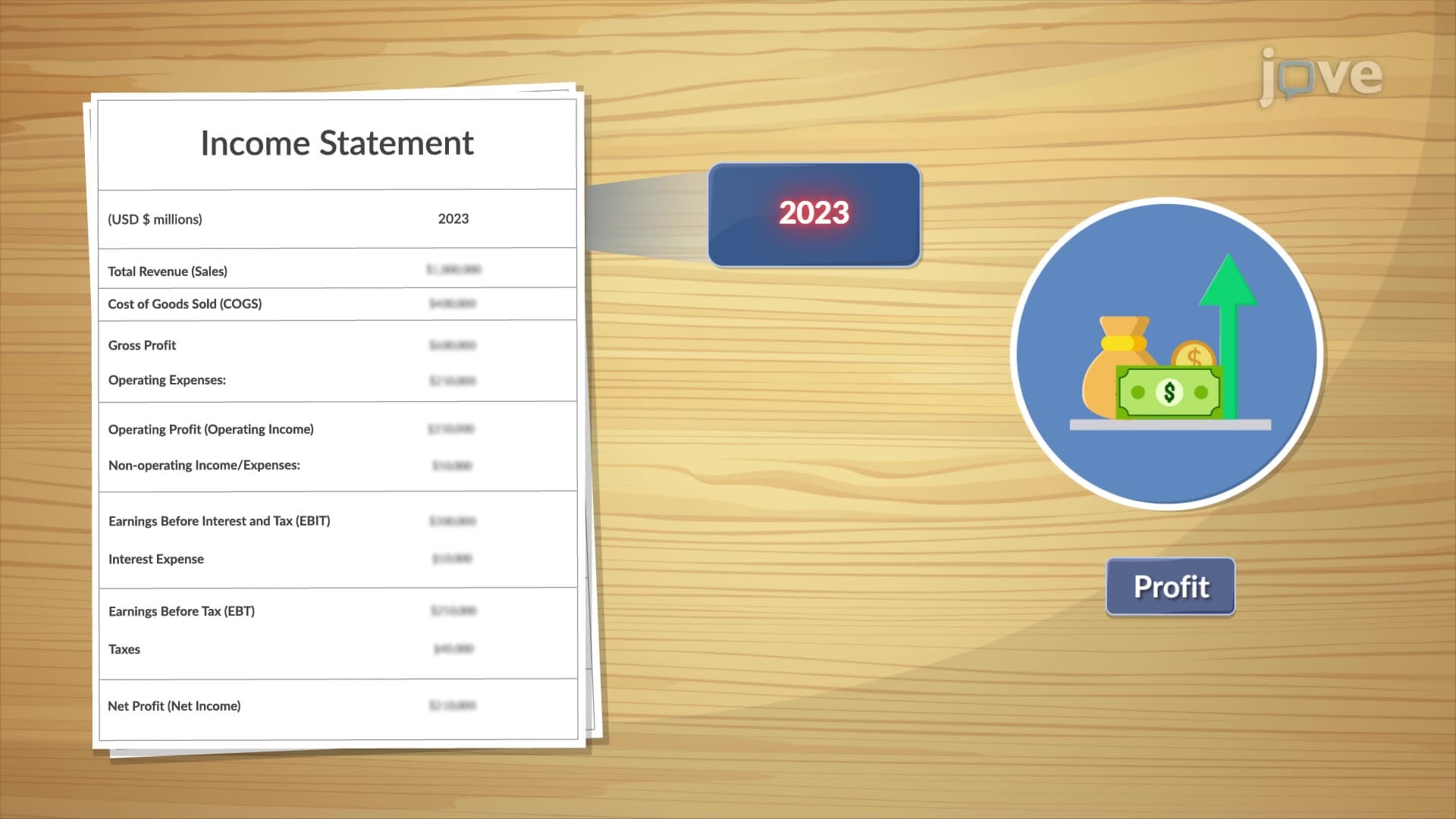
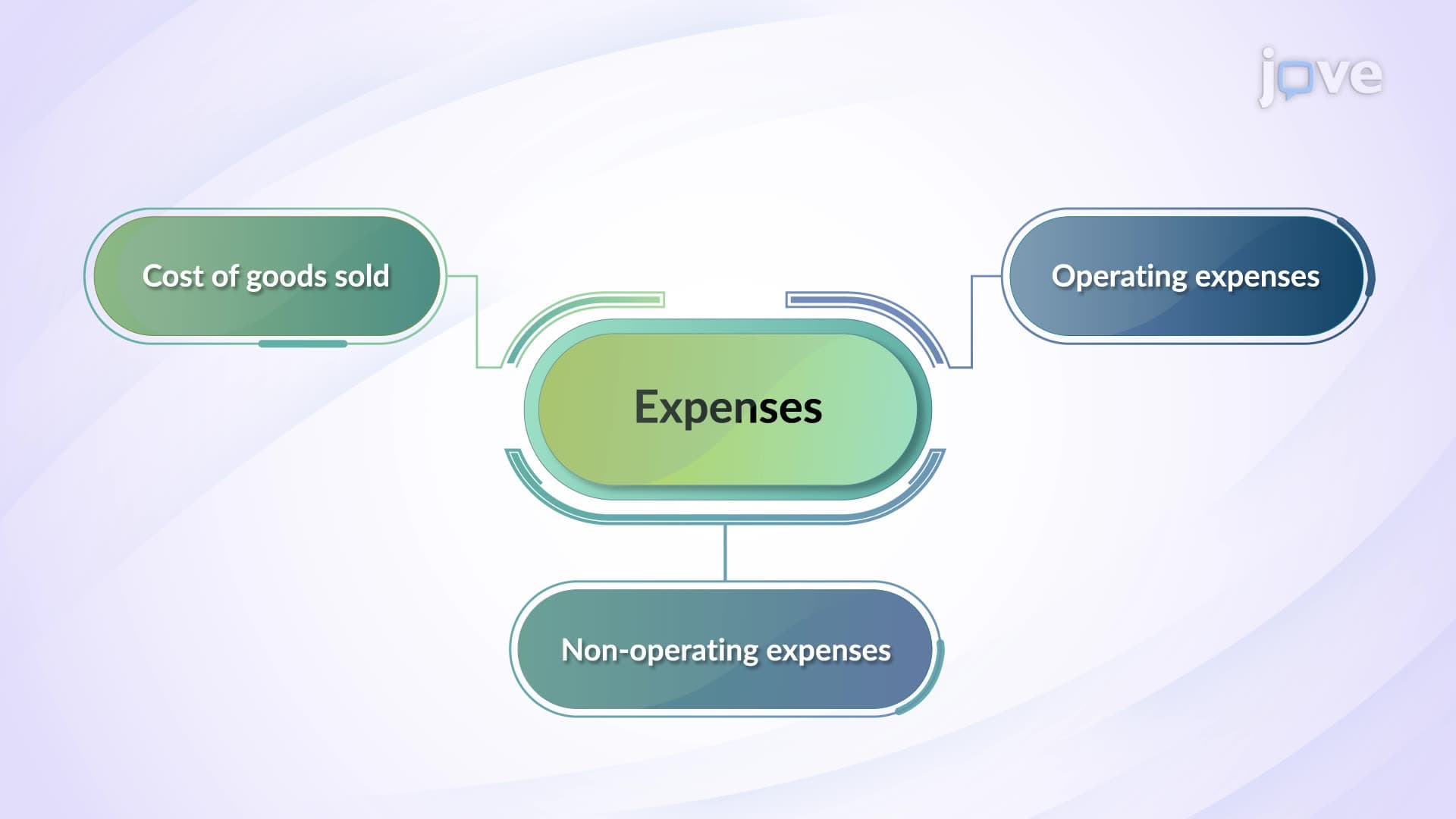
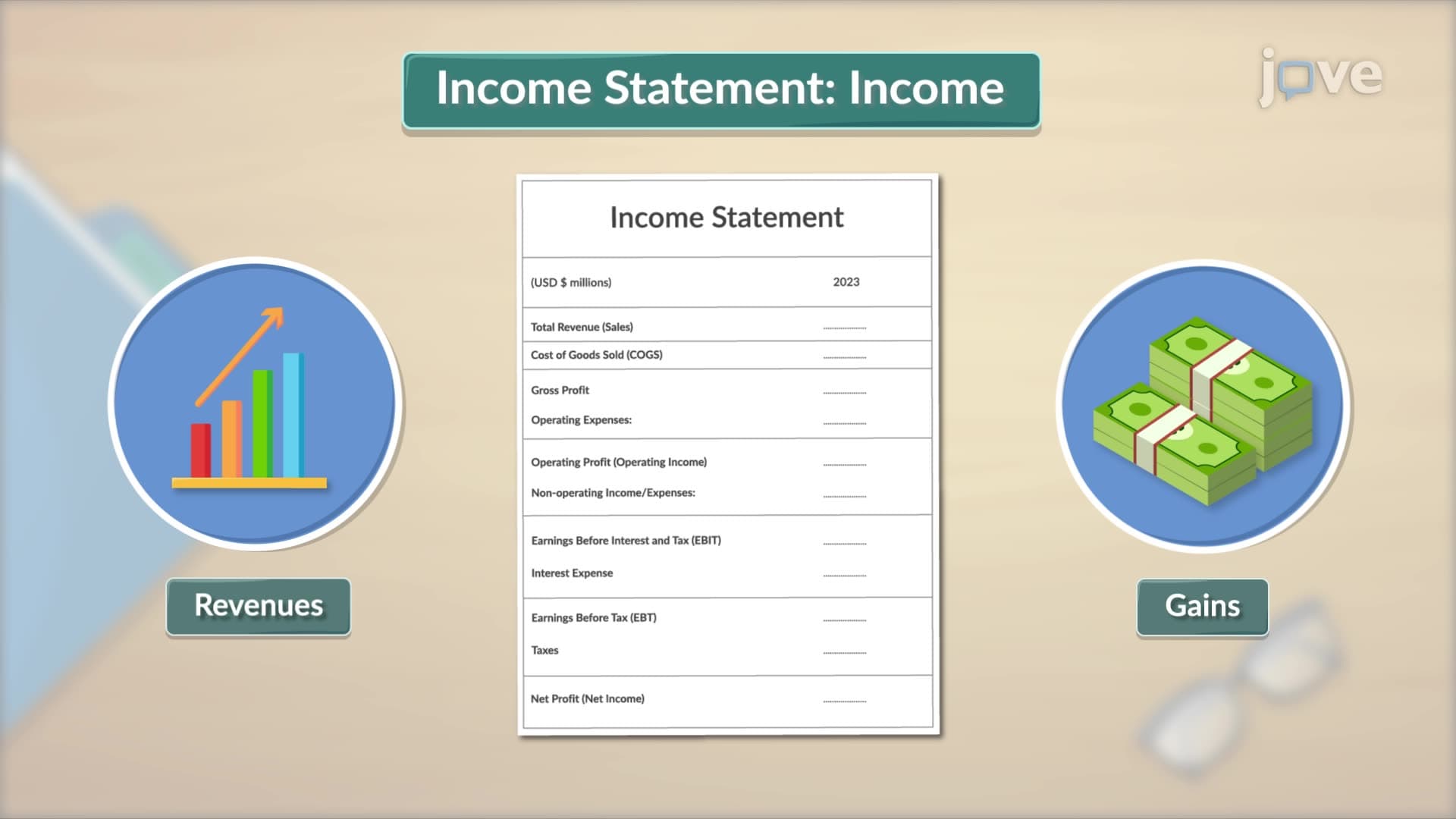
Dissect revenue streams, cost structures, and expense categories to assess operational performance. Learn to analyze gross margins, operating profits, and net income trends using examples from companies like Walmart. Develop skills to identify cost management opportunities and evaluate the sustainability of earnings across different business cycles.
5. Cash Flow Analysis and Liquidity Management
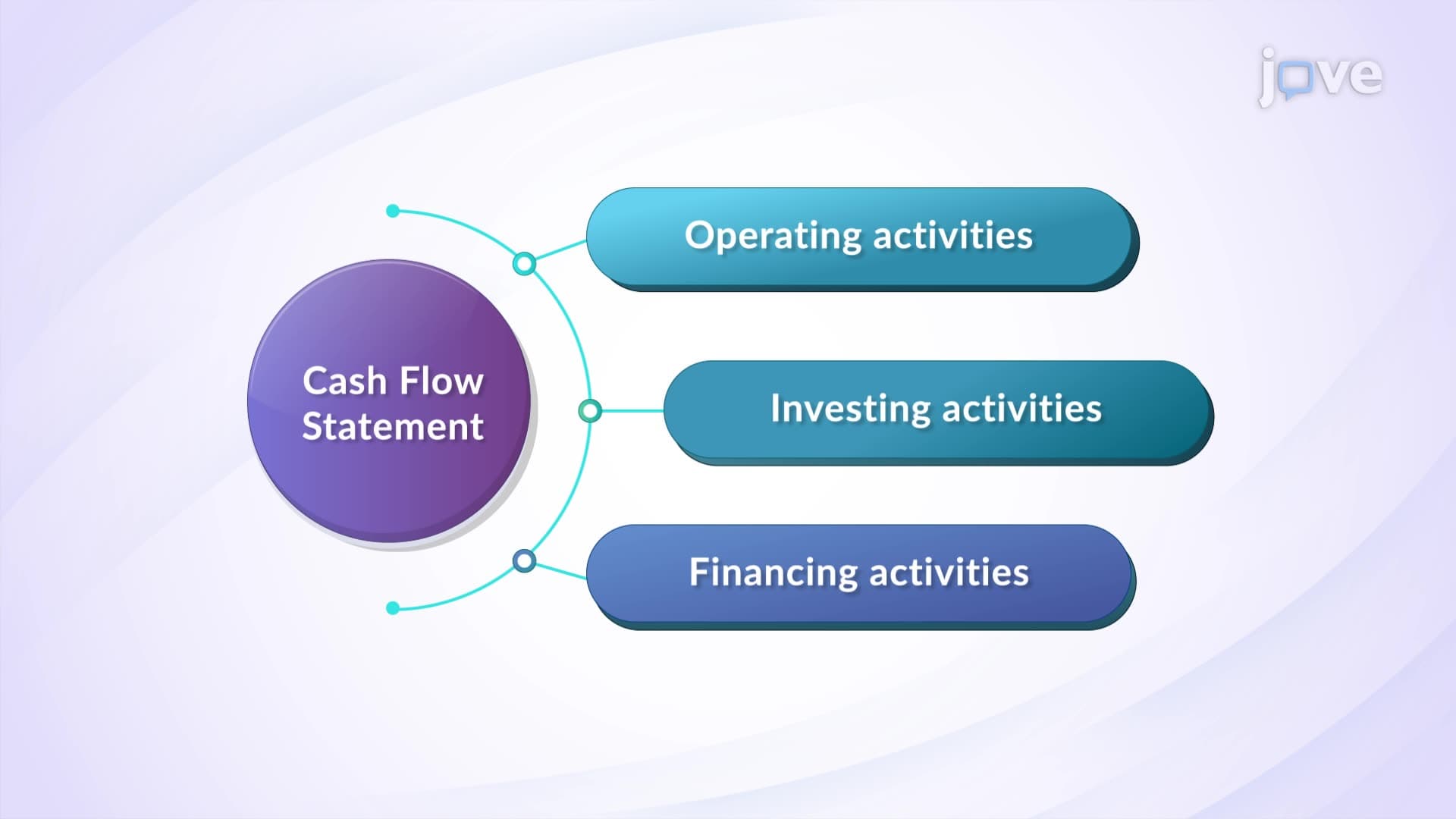
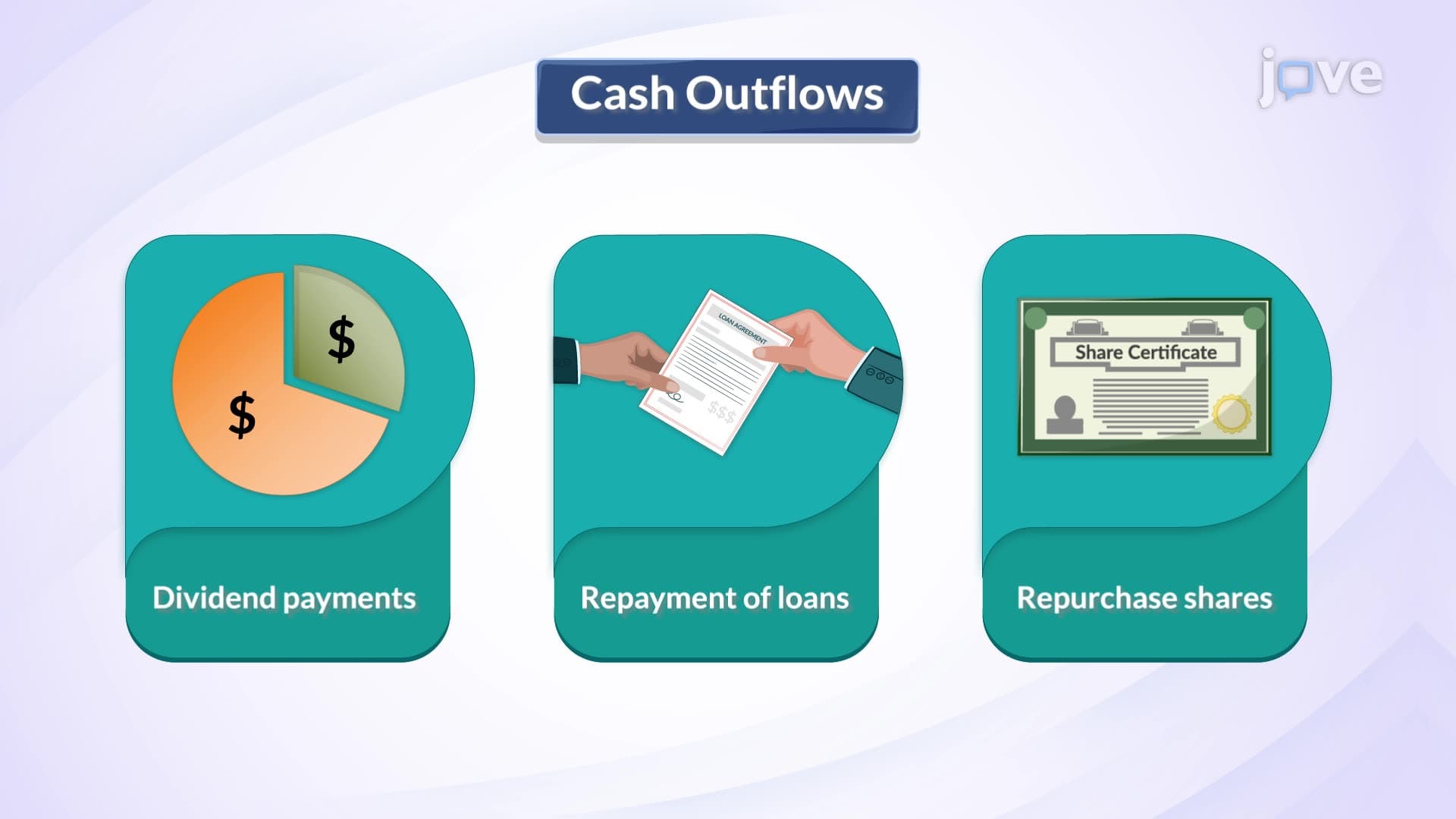
Master operating, investing, and financing cash flow analysis to understand how companies generate and deploy capital. Examine real scenarios showing how retail chains manage seasonal cash flows, fund expansion projects, and maintain adequate liquidity. Learn to identify warning signs of cash flow problems and assess a company's ability to meet obligations.
6. Ratio Analysis and Financial Performance Metrics
Calculate and interpret key financial ratios including return on equity, debt-to-equity, current ratios, and inventory turnover. Understand how to benchmark these metrics against industry standards and competitors. Apply ratio analysis to evaluate investment opportunities, assess credit risk, and make informed business partnership decisions in professional environments.
Frequently Asked Questions
Focus on ratios that directly impact your business decisions. Manufacturing companies prioritize inventory turnover and asset utilization ratios, while service companies emphasize margin analysis and working capital metrics. Research industry-specific benchmarks from sources like industry associations and financial databases to establish relevant comparison standards.
Start with liquidity ratios to ensure they can meet short-term obligations, then examine profitability trends over 3-5 years to assess stability. Review cash flow from operations to verify earnings quality, and calculate debt ratios to understand financial leverage. This systematic approach provides comprehensive partner assessment within time constraints.
Analyze historical spending patterns and revenue trends to identify seasonal fluctuations and growth patterns. Use cash flow analysis to predict timing of major expenses and income streams. Compare your department's performance ratios with similar business units to identify improvement opportunities and set realistic budget targets.
Absolutely. Focus on understanding the business story behind the numbers rather than memorizing accounting rules. Start with basic ratios and cash flow patterns, then gradually build complexity. Many successful managers use financial analysis effectively by concentrating on trends and comparisons rather than detailed technical calculations.
Financial literacy demonstrates business acumen essential for senior management roles. It enables you to participate meaningfully in strategic discussions, evaluate investment proposals, and communicate effectively with finance teams and executives. These skills are particularly valuable for transitioning from operational roles to general management positions.
Look for declining gross margins, inconsistent cash flow patterns, increasing accounts receivable relative to sales, and growing debt levels without corresponding revenue growth. Pay attention to frequent changes in accounting methods or auditors, and compare cash flow from operations with reported net income to identify potential earnings quality issues.
Focus on revenue growth rates, market share expansion, and cash generation capability rather than traditional profitability metrics. Examine free cash flow trends, customer acquisition costs, and long-term competitive positioning. Evaluate whether growth investments are generating sustainable competitive advantages and future cash flow potential.
This microcourse includes 21 concept videos that walk you through the building blocks of Finance. Each video is short, about 1 minute, so you can cover a full topic during a coffee break or between classes. The full sequence starts with Understanding Financial Statements and ends with Analysing Financial Statements of a Company.