Loading video…


 21 Concepts
 5.5K views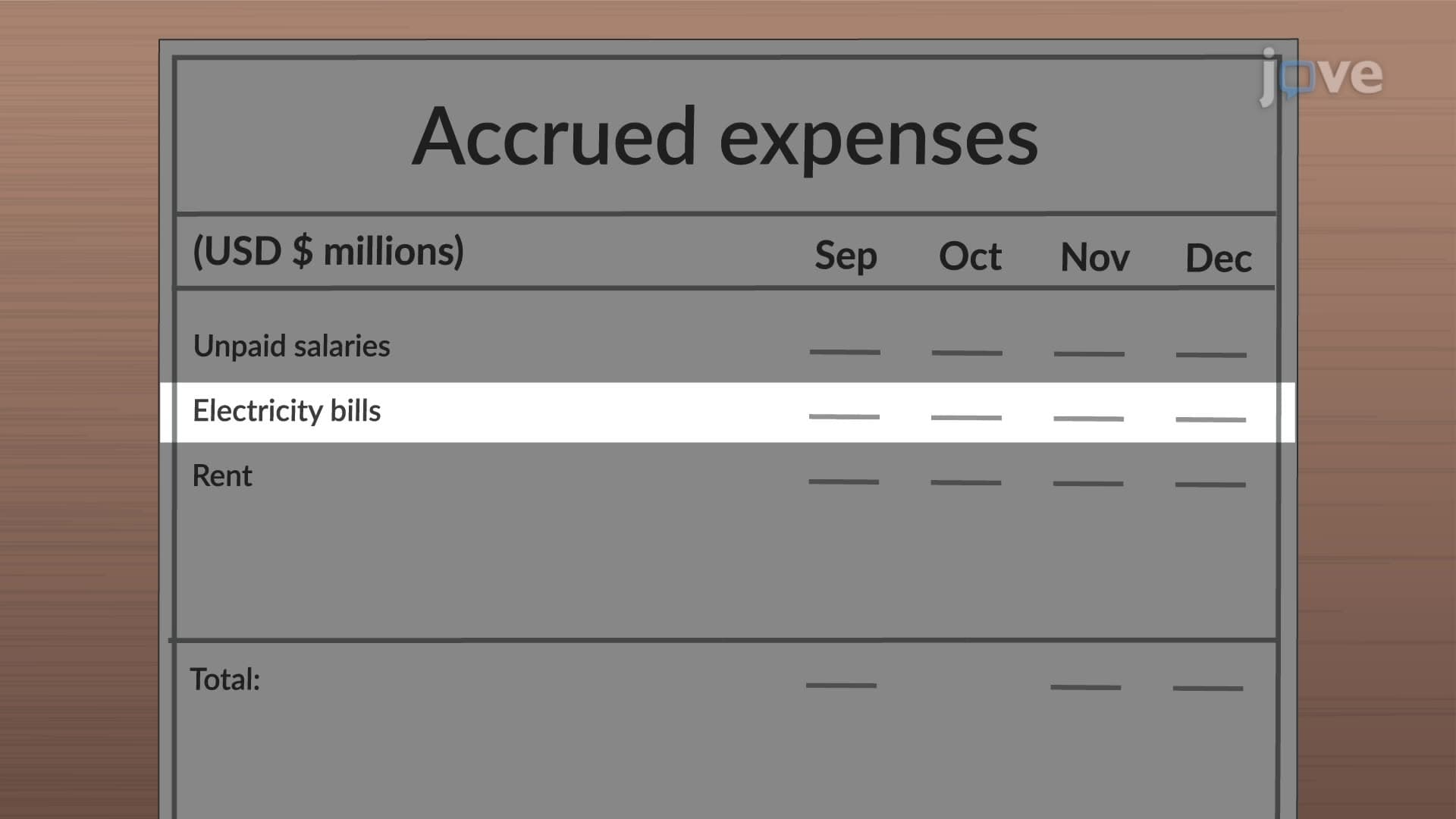

Video Summary: What Is Current Liabilities
Current liabilities directly impact cash flow management and working capital decisions that finance leaders face daily. These short-term financial obligations due within twelve months-including accounts payable, accrued expenses, and short-term debt-require strategic oversight to maintain operational efficiency. Companies like Walmart exemplify masterful current liabilities management through sophisticated vendor payment systems and inventory financing structures that support massive retail operations. Watch the full video on JoVE Coach to master this concept with expert-led visuals and step-by-step explanations.
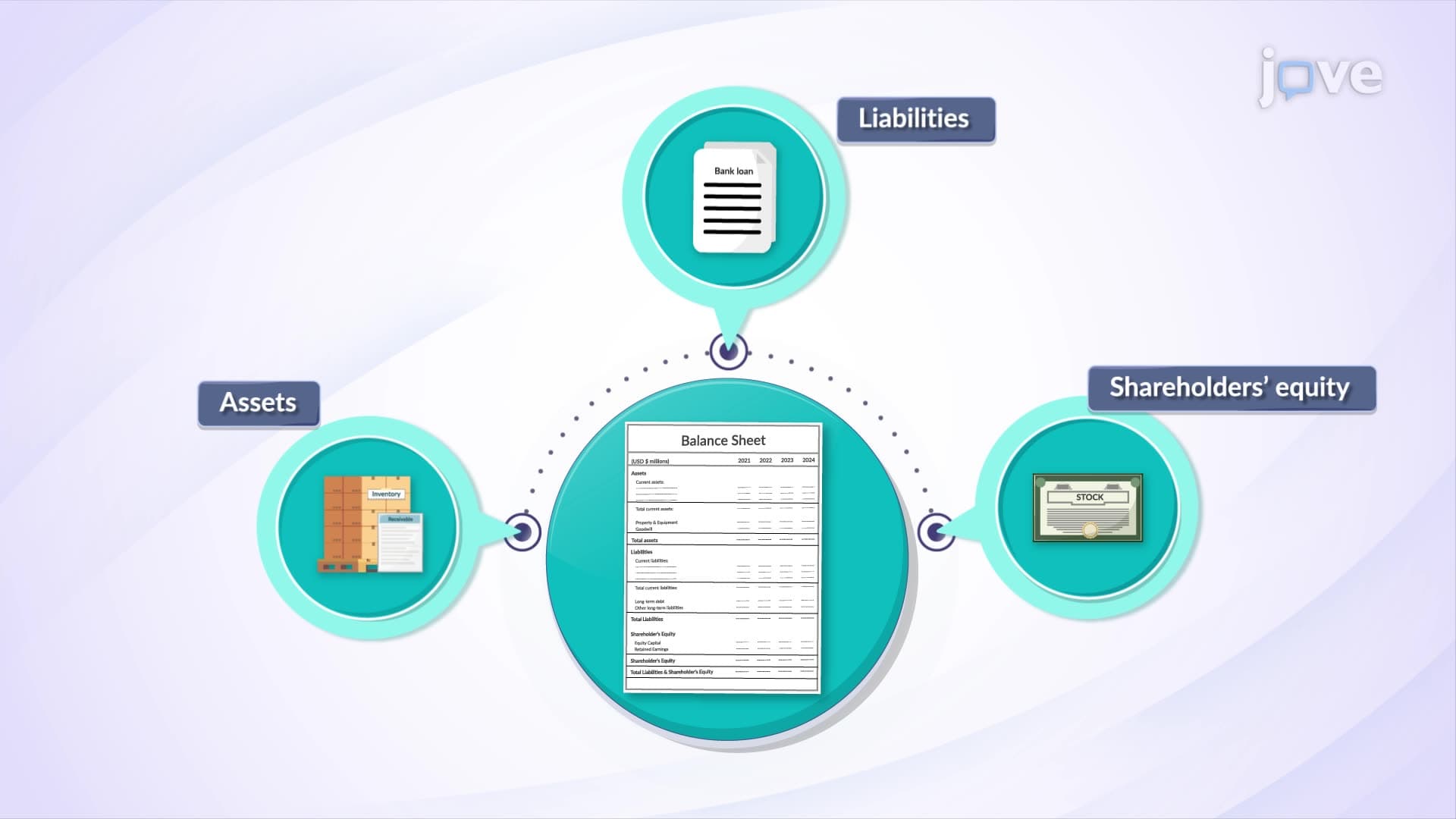
Current liabilities represent the financial backbone of day-to-day business operations, encompassing all debts and obligations due within one year. For finance professionals and business leaders, these short-term commitments-ranging from supplier invoices to employee payroll-directly influence cash flow planning, credit facility negotiations, and strategic growth decisions.
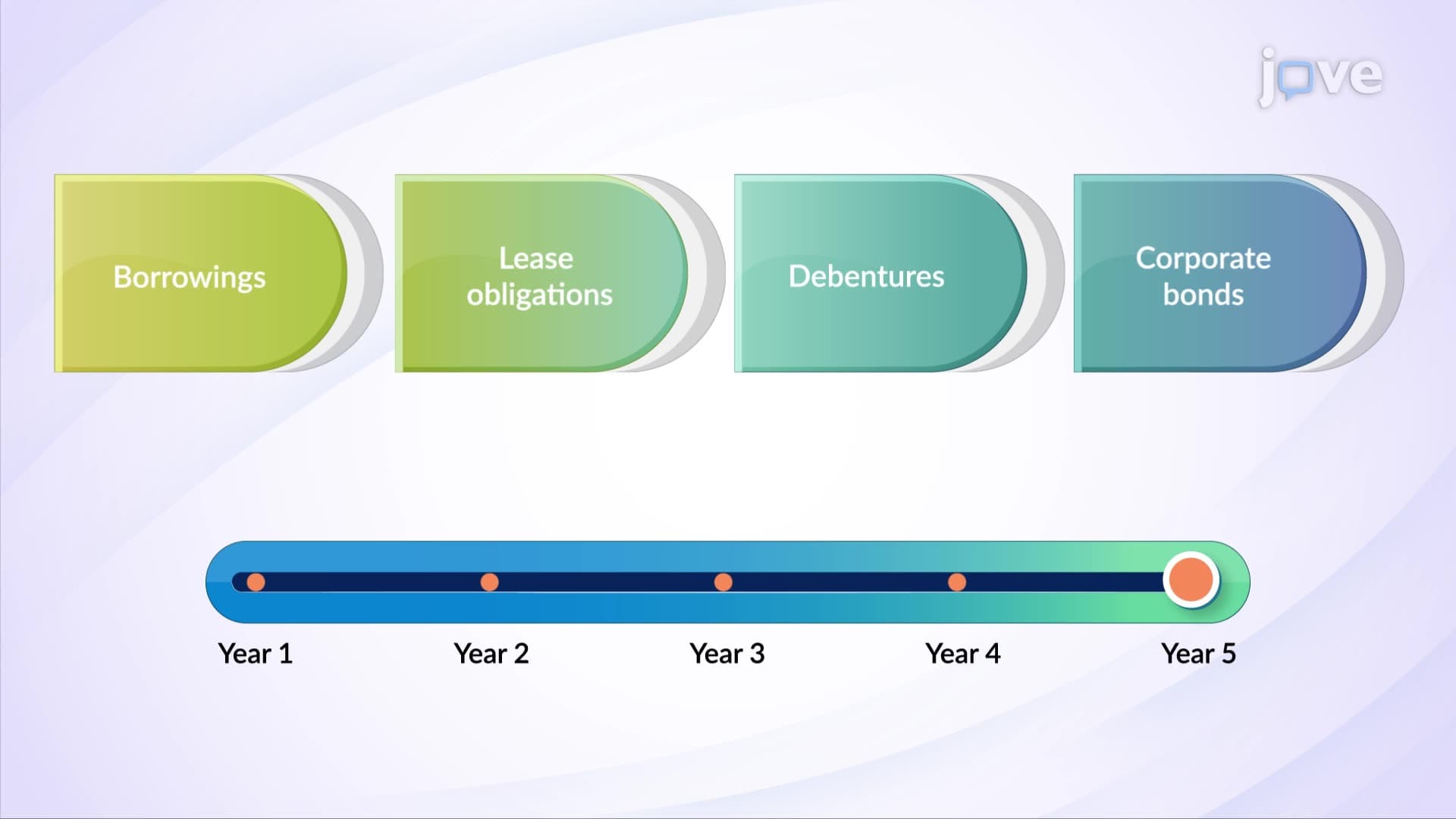
The primary categories include accounts payable (supplier obligations), accrued expenses (earned but unpaid costs like wages and utilities), short-term loans, and current portions of long-term debt. Each component requires distinct management approaches. Accounts payable optimization involves balancing early payment discounts against cash preservation, while accrued expenses demand precise timing to avoid penalties and maintain employee satisfaction.
Home Depot exemplifies sophisticated current liabilities management through its vendor financing programs and seasonal inventory strategies. The retailer leverages extended payment terms with suppliers while maintaining strong vendor relationships, enabling aggressive inventory stocking for peak seasons without straining cash reserves.
Effective current liabilities management directly impacts working capital efficiency and return on invested capital. Companies like Amazon have revolutionized this approach by extending supplier payment cycles while accelerating customer collections, creating negative working capital that funds growth without traditional financing.
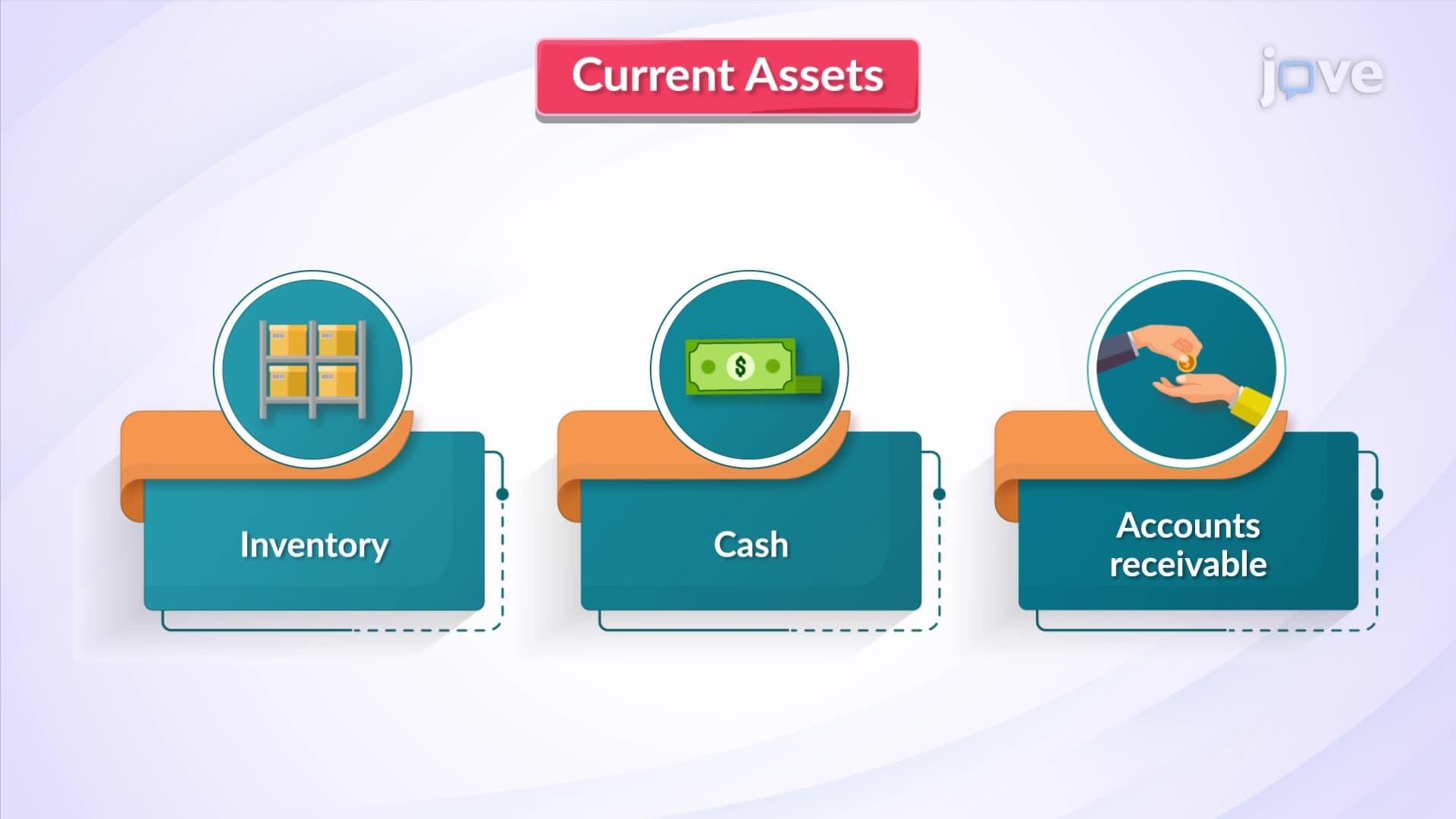
The current ratio (current assets ÷ current liabilities) serves as a critical metric for investors and lenders, with ratios between 1.2-2.0 typically indicating healthy liquidity. However, industry context matters-grocery retailers operate efficiently with lower ratios due to rapid inventory turnover, while manufacturing companies require higher ratios for seasonal fluctuations.
Current liabilities mismanagement can trigger liquidity crises, covenant violations, and supplier relationship breakdowns. Forward-thinking CFOs implement cash flow forecasting models that project current liabilities 13 weeks ahead, enabling proactive covenant management and banking relationship optimization. This strategic approach transforms current liabilities from operational burden to competitive advantage.
Related Micro-courses