Loading video…


 21 Concepts
 5.5K views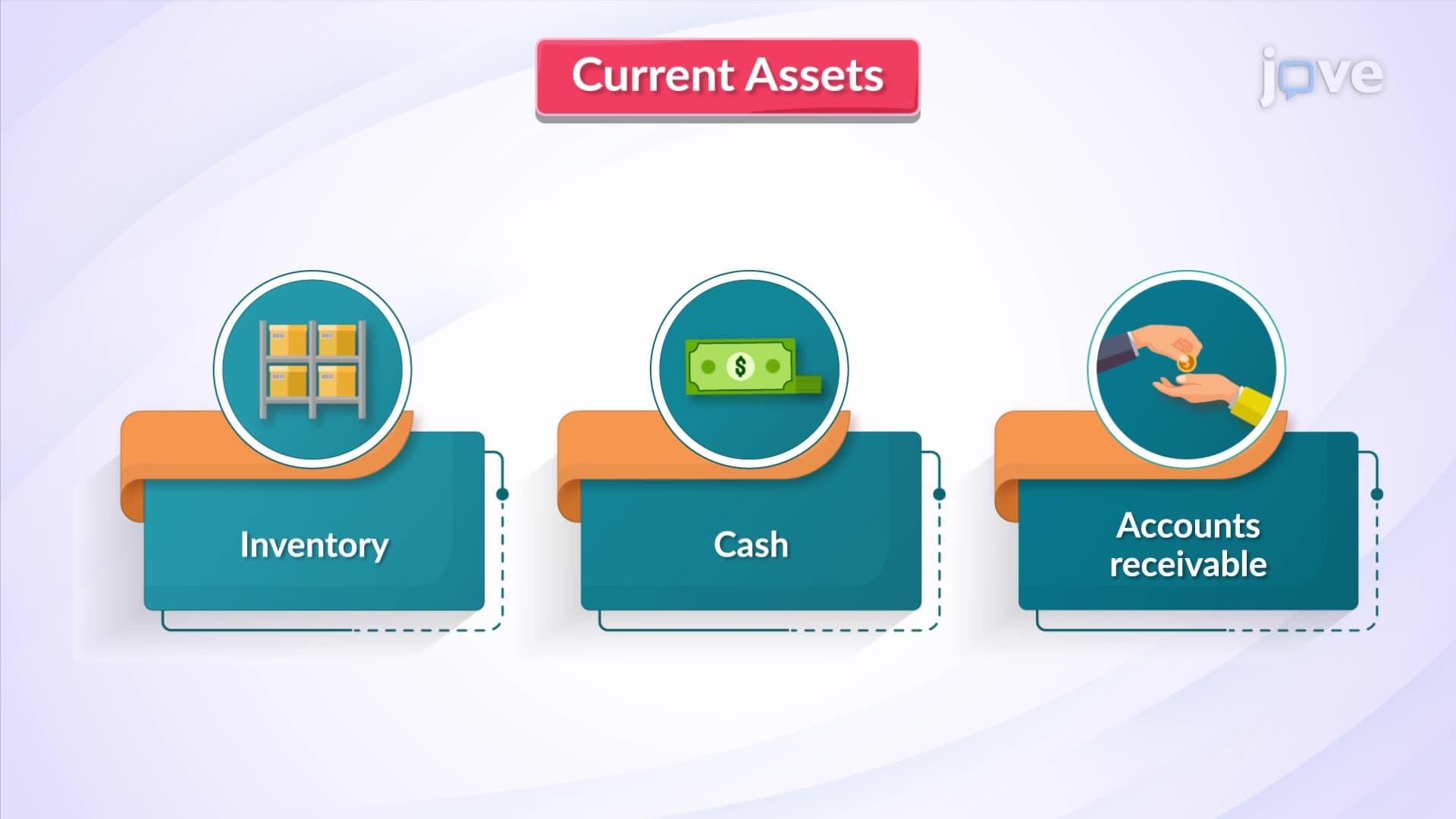

Video Summary: What Is Current Assets
Understanding current assets is fundamental to effective cash flow management and operational decision-making in today's competitive business environment. Current assets encompass all company resources expected to convert to cash or be consumed within one year, including inventory, accounts receivable, and short-term investments. Companies like Home Depot strategically manage diverse current asset portfolios-from lumber inventory to customer payment terms-to maintain liquidity and fund daily operations. Watch the full video on JoVE Coach to master this concept with expert-led visuals and step-by-step explanations.
When Starbucks opens 500 new stores in a fiscal year, the company's leadership must ensure adequate current assets to support rapid expansion while maintaining daily operations. This scenario illustrates why current assets serve as the lifeblood of business operations-they represent the most liquid resources available to meet immediate obligations and capitalize on growth opportunities.
Current assets encompass four primary categories that directly impact business performance. Cash and cash equivalents provide immediate purchasing power for unexpected opportunities or urgent operational needs. Accounts receivable reflect the efficiency of customer collection processes and credit policies, with companies like Dell optimizing payment terms to accelerate cash conversion. Inventory management varies dramatically by industry-while Amazon maintains vast fulfillment center inventories, consulting firms like McKinsey hold minimal physical inventory but significant work-in-progress assets. Short-term investments offer flexibility to earn returns on excess cash while maintaining liquidity for strategic initiatives.
Manufacturing giants like General Electric maintain complex current asset portfolios including raw materials, work-in-progress inventory, and finished goods, requiring sophisticated forecasting and supply chain coordination. Retail leaders such as Target must balance seasonal inventory buildups with efficient turnover rates to avoid obsolescence while meeting customer demand. Technology companies like Microsoft often carry substantial accounts receivable from enterprise customers with extended payment cycles, necessitating careful credit risk assessment and collection strategies.
Current asset management directly influences competitive positioning and operational flexibility. Companies with optimized current asset levels can respond more quickly to market opportunities, weather economic downturns, and negotiate better supplier terms through improved cash positions. Board-level decisions regarding capital allocation, acquisition financing, and dividend policies all depend on accurate current asset analysis and forecasting capabilities.
Related Micro-courses