Loading video…


 21 Concepts
 5.5K views

Video Summary: Cash Flow Statement Operating Activities Explained
When Goldman Sachs analysts evaluate retail sector performance, cash flow statement operating activities serve as the primary indicator of operational health versus accounting profits. This critical financial analysis technique reveals how companies like Target convert daily operations into actual cash generation. Understanding cash flow statement operating activities explained helps professionals assess liquidity risks, operational efficiency, and sustainable growth potential across portfolio companies. Watch the full video on JoVE Coach to master this concept with expert-led visuals and step-by-step explanations.
Corporate finance teams at companies like Microsoft and Amazon rely heavily on operating cash flow analysis to guide strategic decisions beyond traditional profit metrics. While net income can be influenced by accounting policies and non-cash items, operating cash flows reveal the actual cash generation power of core business operations.
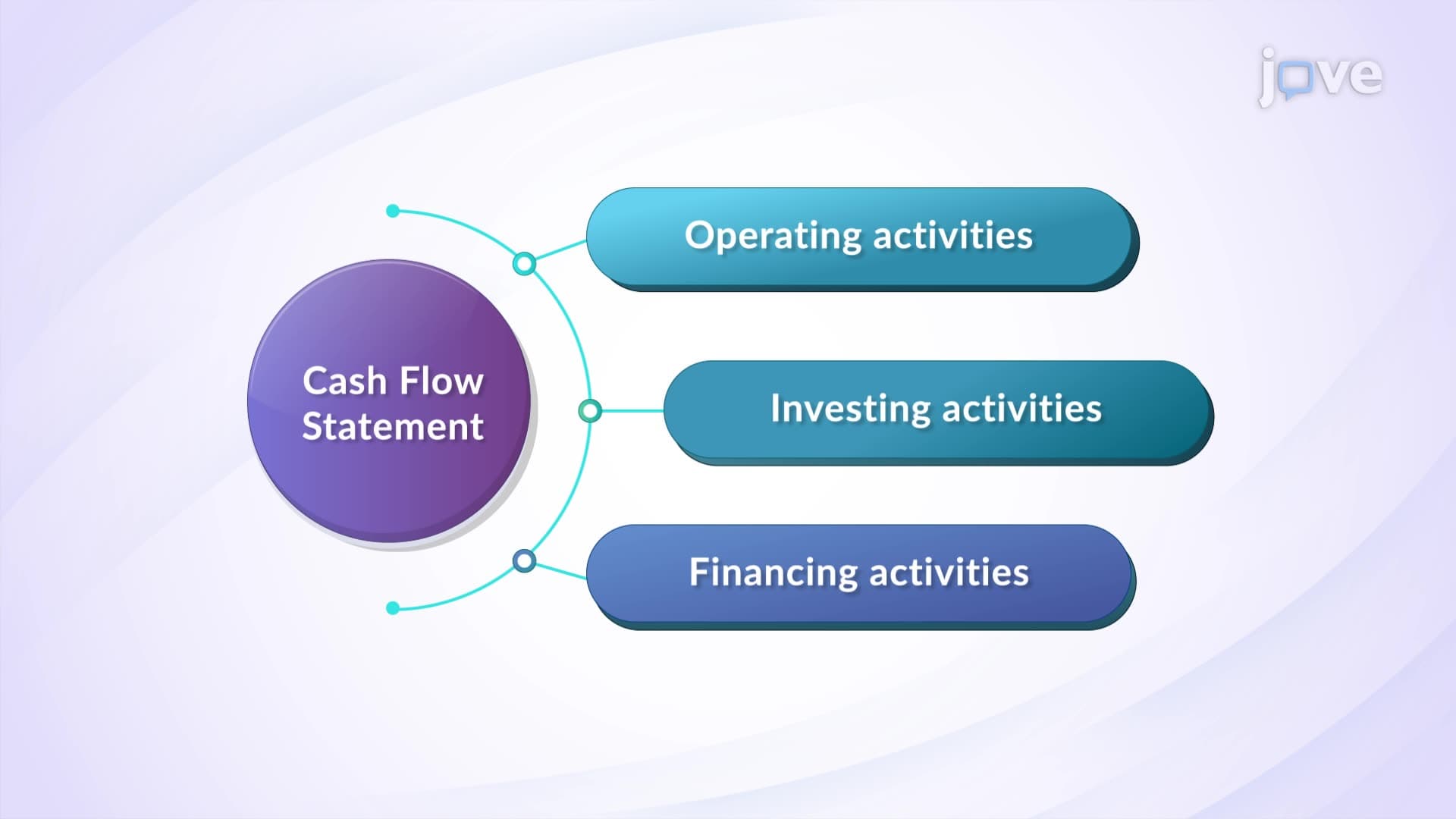
Operating activities encompass all cash movements directly tied to primary business operations. Cash inflows typically include customer payments, interest received, and dividend income from operating investments. Major outflows include supplier payments, employee compensation, tax payments, and operating lease obligations.
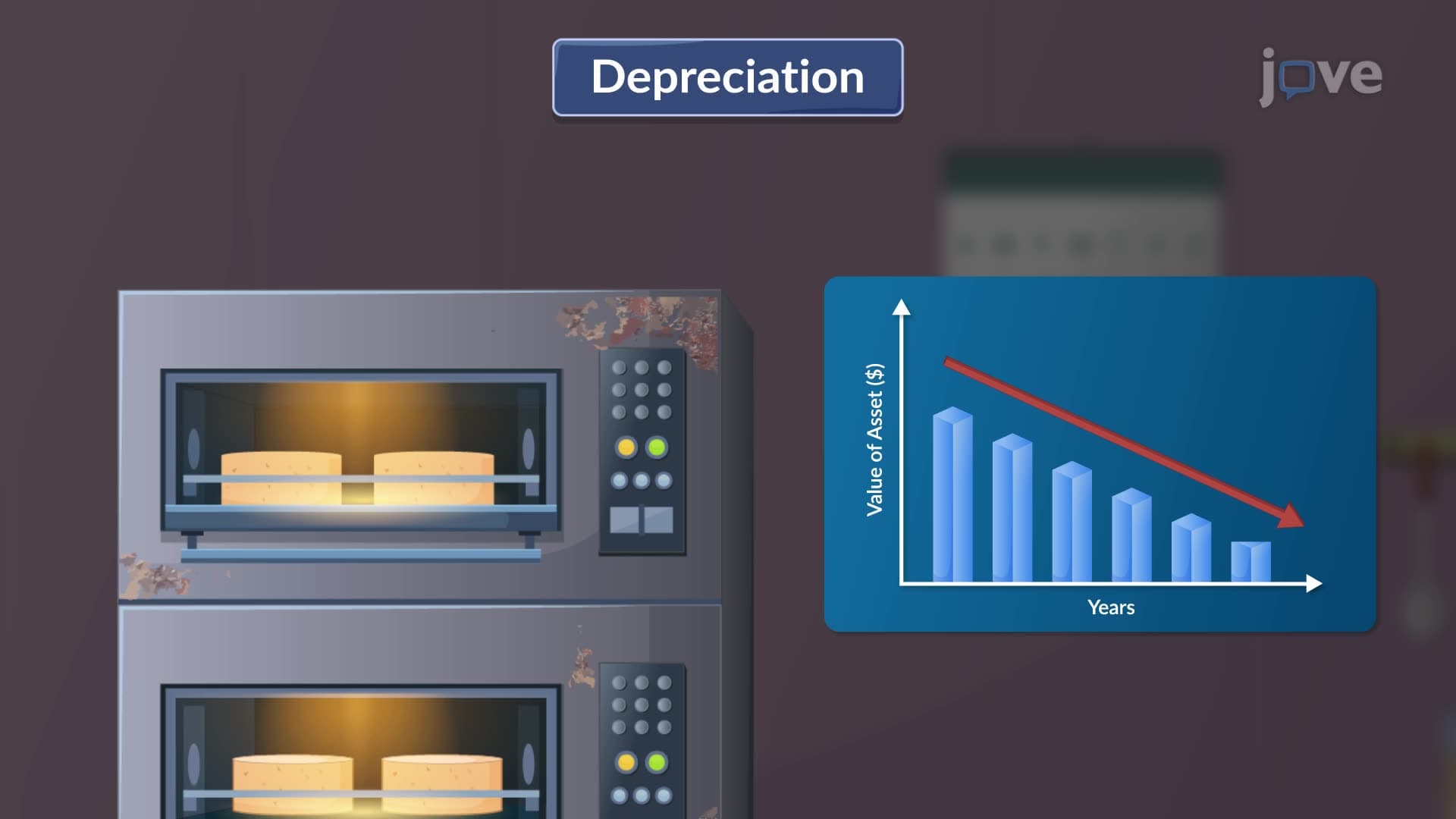
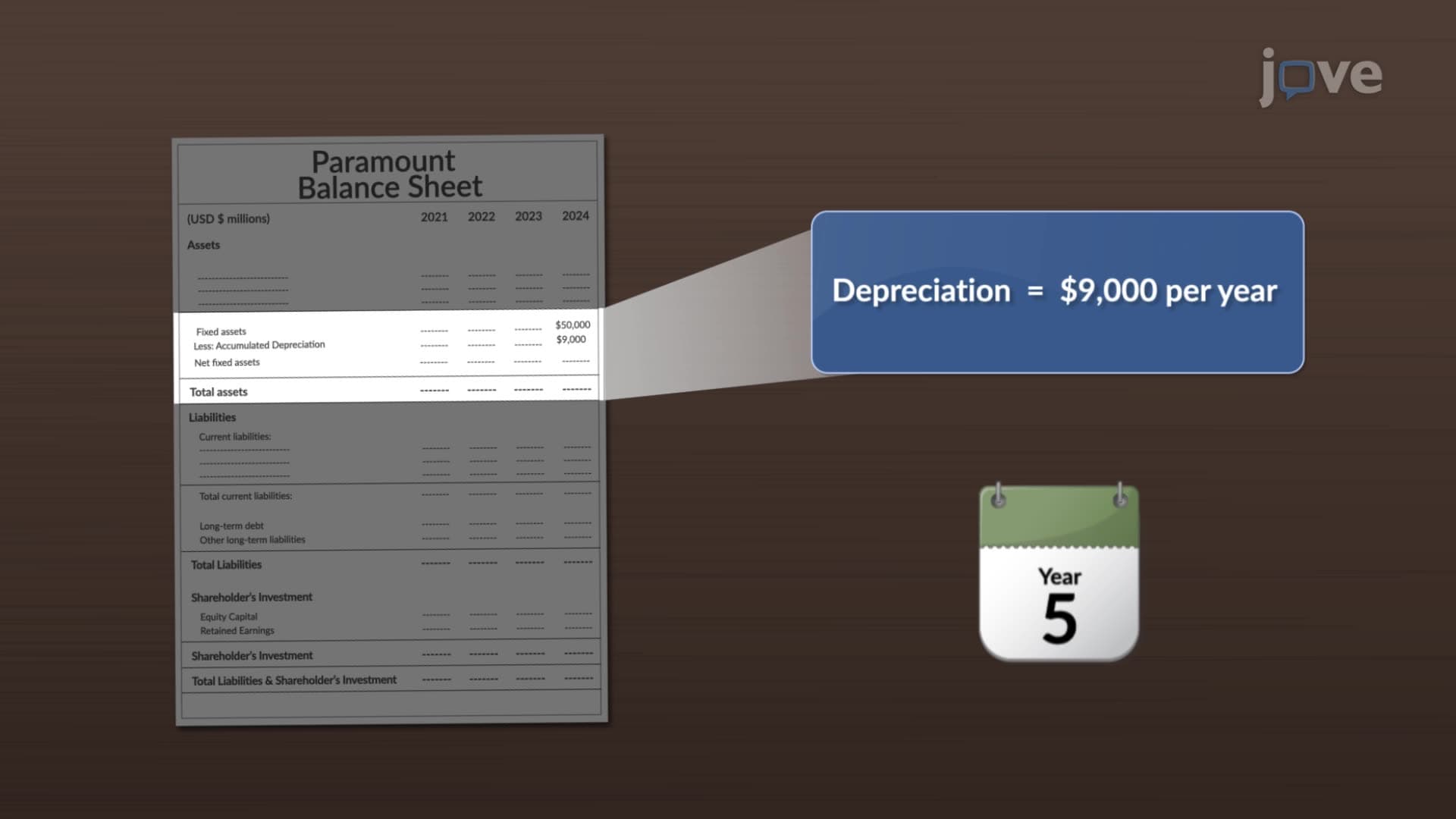
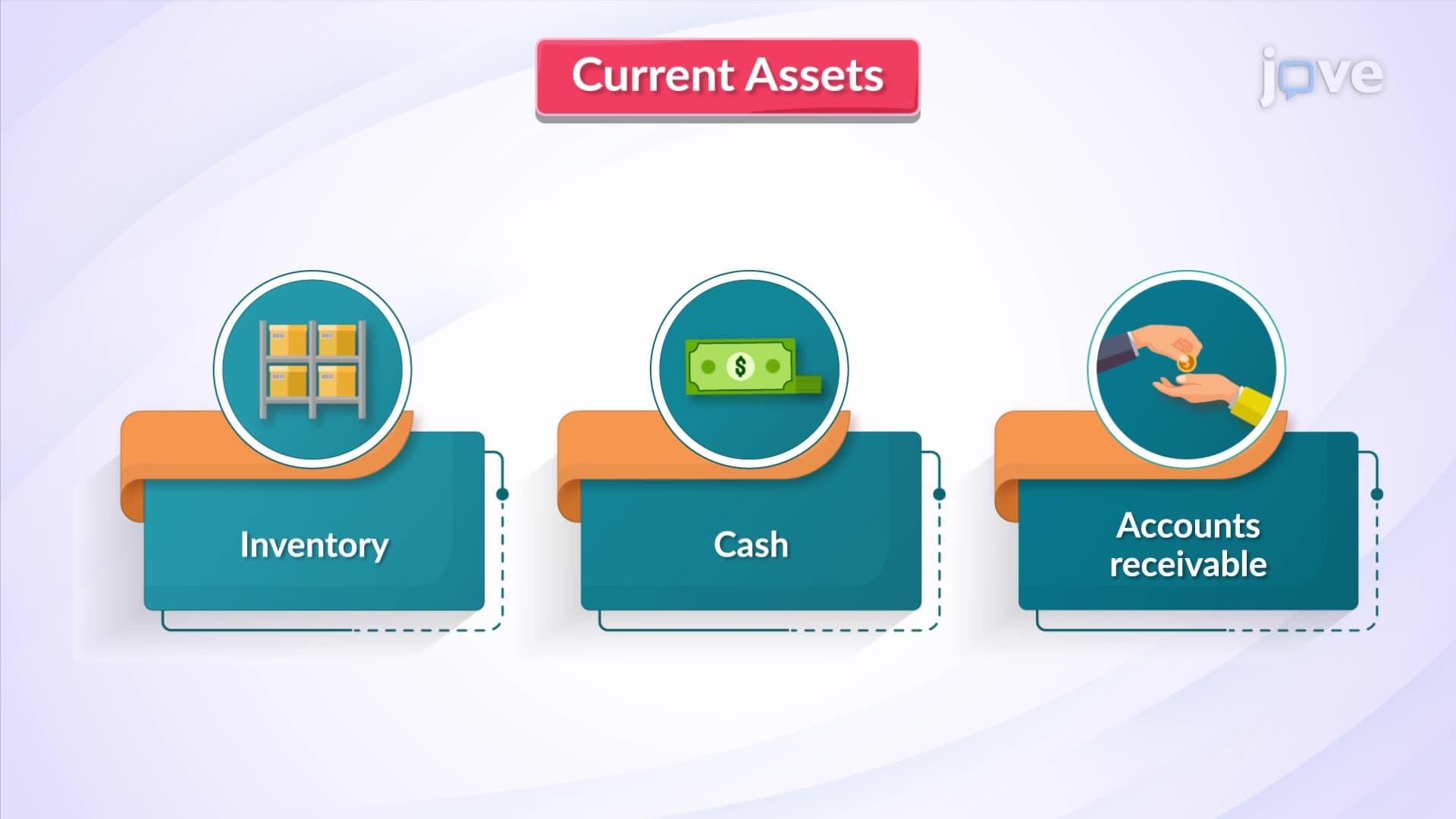
The critical distinction lies in adjustments for non-cash items. When Home Depot reports depreciation expense on store fixtures, this reduces net income but doesn't impact cash. Similarly, when inventory levels increase during peak seasons, cash is consumed even if sales remain steady. Professional analysts must understand these timing differences to accurately assess operational performance.
Strong operating cash flow indicates a company's ability to fund growth initiatives, return capital to shareholders, and weather economic downturns without external financing. When Starbucks consistently generates positive operating cash flows exceeding net income, it demonstrates efficient working capital management and high-quality earnings.
Conversely, persistent negative operating cash flows often signal fundamental business model issues. Even profitable companies can face liquidity crises if they cannot convert operations into cash effectively. This scenario frequently occurs in rapid-growth technology companies that extend generous payment terms to acquire customers.
Finance professionals should benchmark operating cash flow margins against industry peers and historical performance. A declining trend relative to revenue growth may indicate competitive pressure, operational inefficiency, or aggressive revenue recognition policies. Leading indicators include changes in days sales outstanding, inventory turnover rates, and supplier payment terms.
Related Micro-courses