Loading video…


 21 Concepts
 5.5K views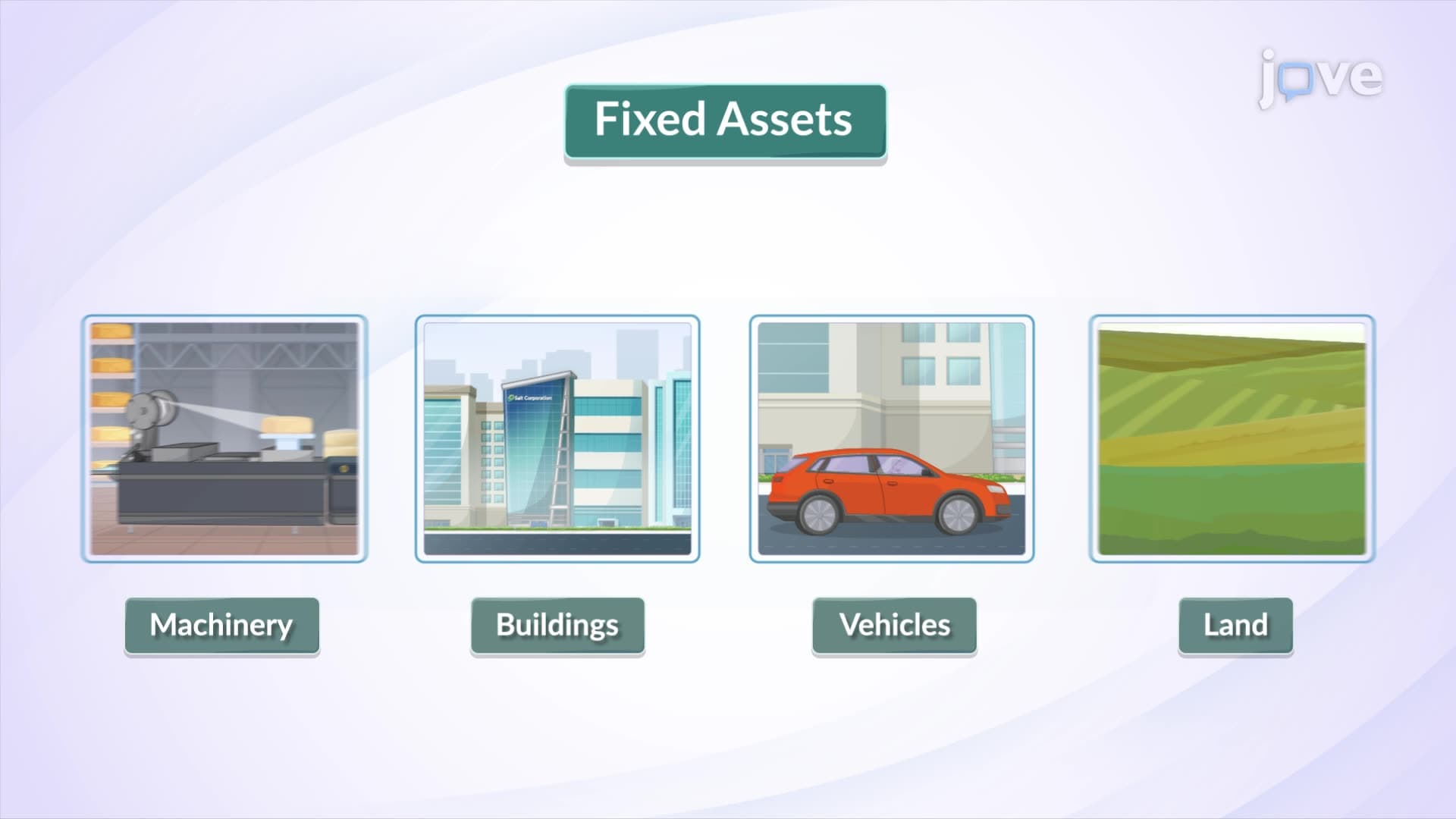

Video Summary: What Is Fixed Assets
Understanding fixed assets is critical for evaluating company capital allocation and long-term growth potential in today's capital-intensive economy. Fixed assets represent the backbone of operational capacity for companies like General Electric, which maintains billions in manufacturing equipment and facilities. These long-term resources-including machinery, buildings, and technology infrastructure-directly impact a company's ability to generate sustainable revenue streams and maintain competitive advantages. Watch the full video on JoVE Coach to master this concept with expert-led visuals and step-by-step explanations.
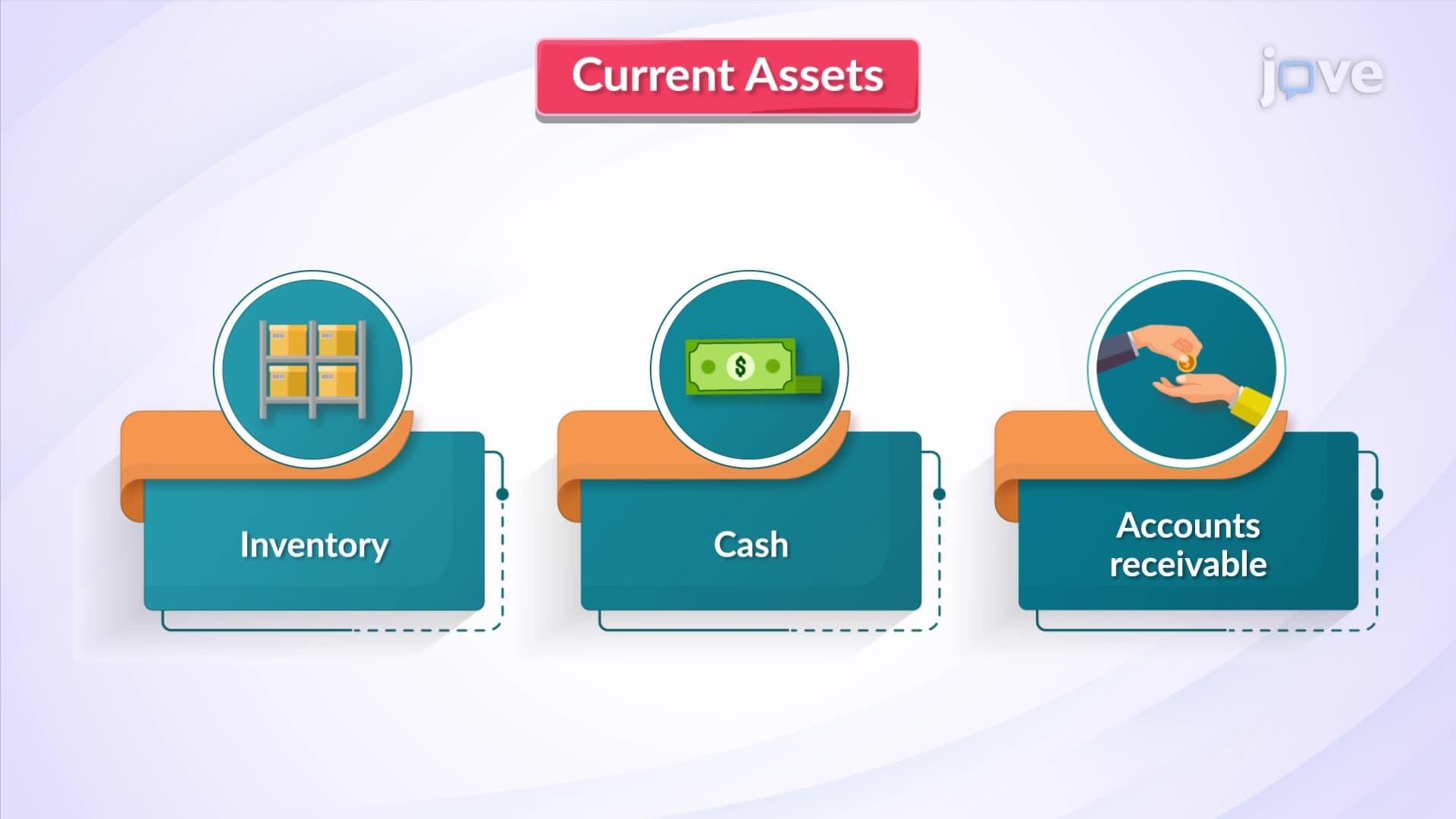
Fixed assets serve as the operational foundation that enables companies to execute their business strategies and generate sustainable competitive advantages. Unlike current assets that flow through business operations, fixed assets represent long-term commitments that define a company's production capacity, geographic reach, and technological capabilities.
When management evaluates fixed asset investments, they're essentially making strategic bets about future market opportunities. Consider Amazon's massive investment in fulfillment centers and robotics technology-these fixed assets enable the company to maintain its logistics leadership while creating significant barriers to entry for competitors. The decision to acquire fixed assets involves analyzing expected returns, payback periods, and alignment with corporate strategy.
Professional managers must understand that fixed asset decisions carry long-term implications for cash flow, operational flexibility, and competitive positioning. A manufacturing company's choice between leasing and purchasing production equipment affects not only balance sheet structure but also the ability to adapt to changing market conditions.
Fixed assets significantly influence key financial metrics that stakeholders use to evaluate company performance. The depreciation of these assets affects reported earnings, while asset turnover ratios help investors assess management's efficiency in deploying capital. Companies like Walmart optimize fixed asset utilization by maximizing sales per square foot across their retail footprint, demonstrating how strategic asset management drives shareholder value.
Understanding the relationship between fixed assets and financial performance enables professionals to make informed decisions about capital investments, evaluate acquisition targets, and communicate effectively with stakeholders about resource allocation strategies.
Different industries exhibit varying fixed asset intensities based on their operational requirements. Technology companies like Microsoft maintain relatively light fixed asset bases focused on data centers and office facilities, while utility companies like Duke Energy require massive investments in power generation and transmission infrastructure. These differences affect valuation methodologies, competitive dynamics, and growth strategies within each sector.
Related Micro-courses