Loading subject page…


5,451 views

Video Summary: What Is Non Current Liabilities
Corporate America carries over $11 trillion in long-term debt, making non current liabilities a critical metric for evaluating company stability and growth potential. Non current liabilities represent financial obligations extending beyond one year, from equipment financing to bond issuances. Consider how Delta Air Lines leverages aircraft financing and corporate bonds to fund fleet expansion while managing multi-billion dollar long-term obligations. Understanding what is non current liabilities enables professionals to assess corporate financial health, investment risks, and strategic decision-making capabilities. Watch the full video on JoVE Coach to master this concept with expert-led visuals and step-by-step explanations.
When JPMorgan Chase reports $200+ billion in long-term debt, or when Amazon finances massive warehouse expansions through equipment leases, they're strategically deploying non current liabilities to fuel growth while preserving cash flow flexibility. These obligations, extending beyond twelve months, represent more than accounting entries-they're strategic tools that enable corporations to bridge the gap between immediate capital needs and future earning capacity.
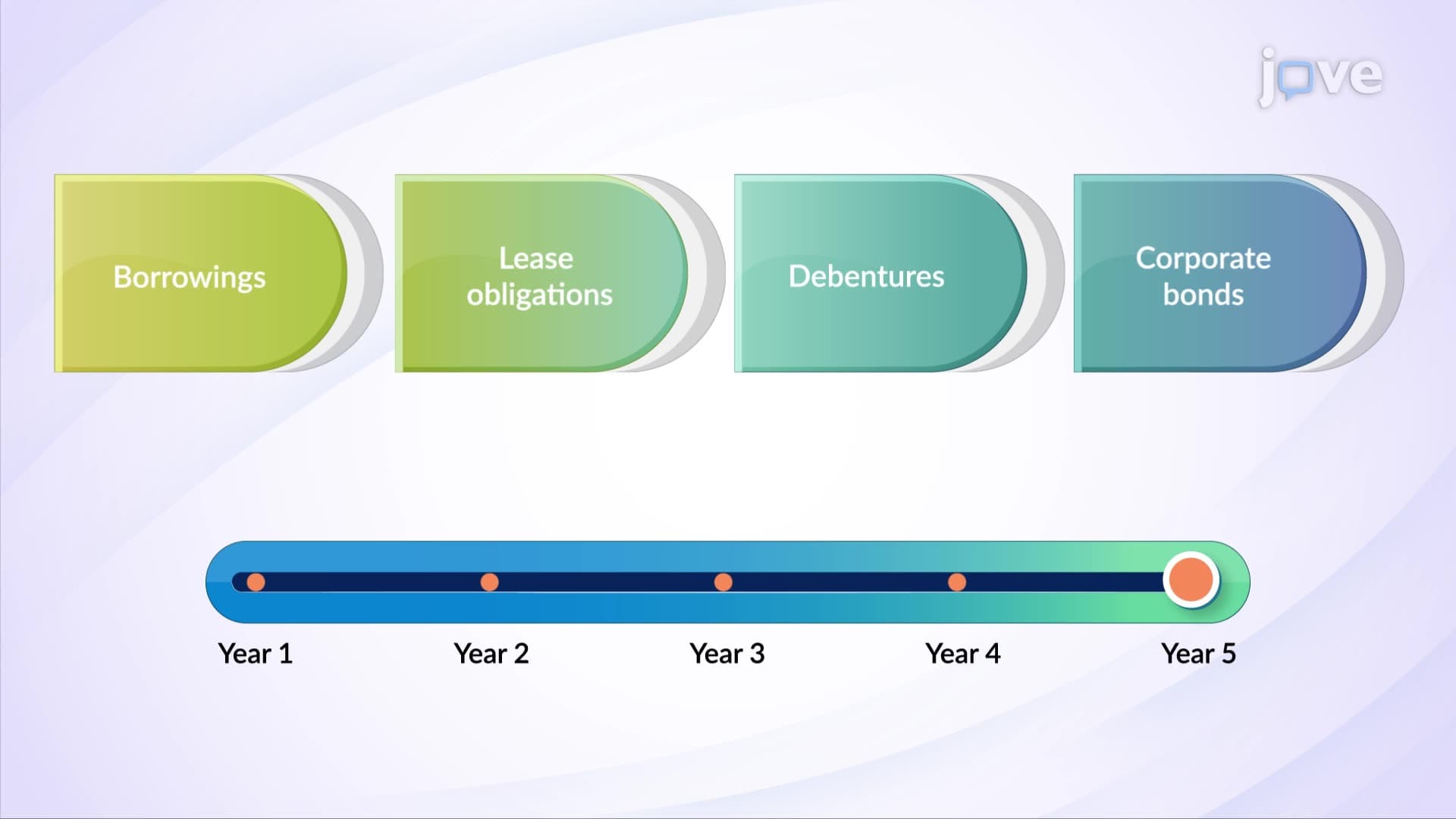
Non current liabilities definition encompasses several critical categories that finance executives actively manage. Corporate bonds allow companies like Apple to raise billions at historically low rates while maintaining operational liquidity. Equipment financing enables manufacturers like Caterpillar to offer customers flexible purchasing options while transferring asset risks. Lease obligations, particularly under ASC 842 standards, now appear prominently on balance sheets, affecting everything from real estate strategies to fleet management decisions.
Pension obligations represent another significant category, with companies like General Electric managing multi-billion dollar retirement commitments that influence everything from workforce planning to dividend policies. These obligations require actuarial expertise and long-term strategic planning, as underfunding can trigger credit downgrades and regulatory scrutiny.
The non current liabilities concept explained reveals why CFOs obsess over debt maturity profiles and refinancing calendars. Companies with concentrated maturities face refinancing risks-imagine if Tesla needed to refinance $10 billion in bonds during a market downturn. Successful corporations stagger maturities, maintain diverse funding sources, and negotiate flexible covenants that accommodate business cycles.
Credit rating agencies like Moody's and S&P scrutinize these obligations when assigning ratings that directly impact borrowing costs. A single notch downgrade can increase annual interest expenses by millions, making proactive liability management a competitive necessity rather than an accounting exercise.
Modern executives leverage non current liabilities as strategic weapons. Private equity firms structure leveraged buyouts around optimized debt packages. Growth companies time bond issuances to capitalize on favorable market conditions. Even cash-rich technology companies maintain credit facilities and term loans to preserve financial flexibility and optimize tax efficiency across global operations.
Related Micro-courses